













TL;DR:
- Wood is the primary material shaping a flamenco guitar’s tone, brightness, and cultural identity. Different woods like cypress, spruce, rosewood, and ziricote produce distinct tonal signatures suited to various playing styles. The choice of wood depends on performance context, with blanca guitars emphasizing brightness and rhythm, while negras offer warmth and sustain for melodic playing.
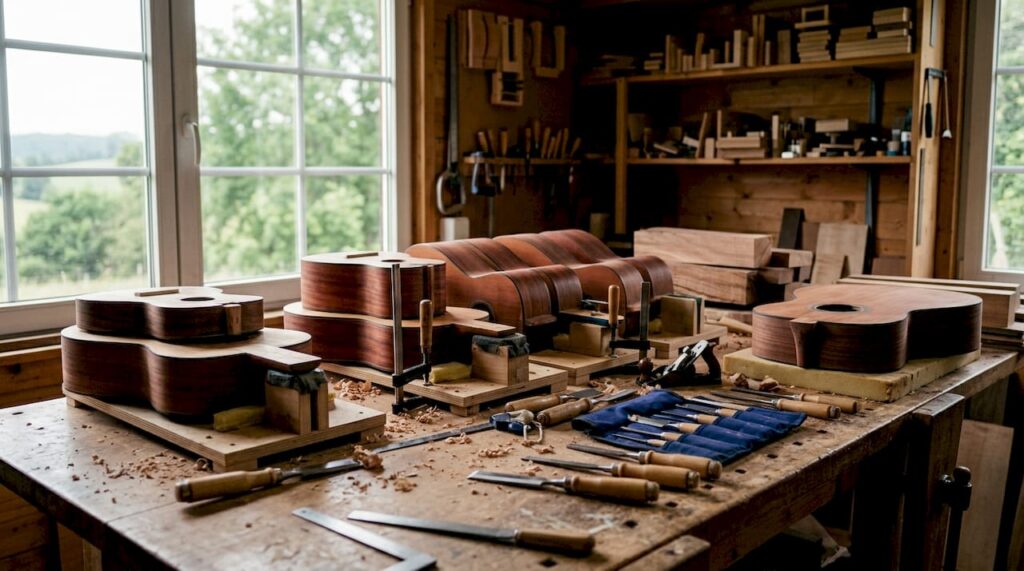
Wood is the single most defining material in a flamenco guitar, determining its brightness, sustain, attack speed, and cultural identity. The industry term for this is “tonewood,” and understanding how each species behaves acoustically separates a good instrument from a great one. Spanish cypress, European spruce, rosewood, and ziricote each produce a distinct tonal signature. The role of wood in flamenco guitars is not decorative. It is structural, acoustic, and deeply tied to the demands of flamenco performance itself.
What acoustic properties do common woods contribute to flamenco guitars?
Tonewoods carry distinct density, hardness, and grain patterns that directly shape how a guitar vibrates and transfers sound. A denser wood absorbs more energy, which shortens sustain. A lighter, more elastic wood reflects energy back into the soundboard, producing a faster, brighter response. These physical differences are not subtle. They define whether a guitar cuts through a live ensemble or blooms in a solo recital.
Spanish cypress is the defining wood of the traditional flamenco guitar. Its low density produces a bright, percussive tone with fast decay, which is exactly what a flamenco rhythm player needs. Notes speak immediately and die cleanly, preventing rhythmic figures from blurring together.
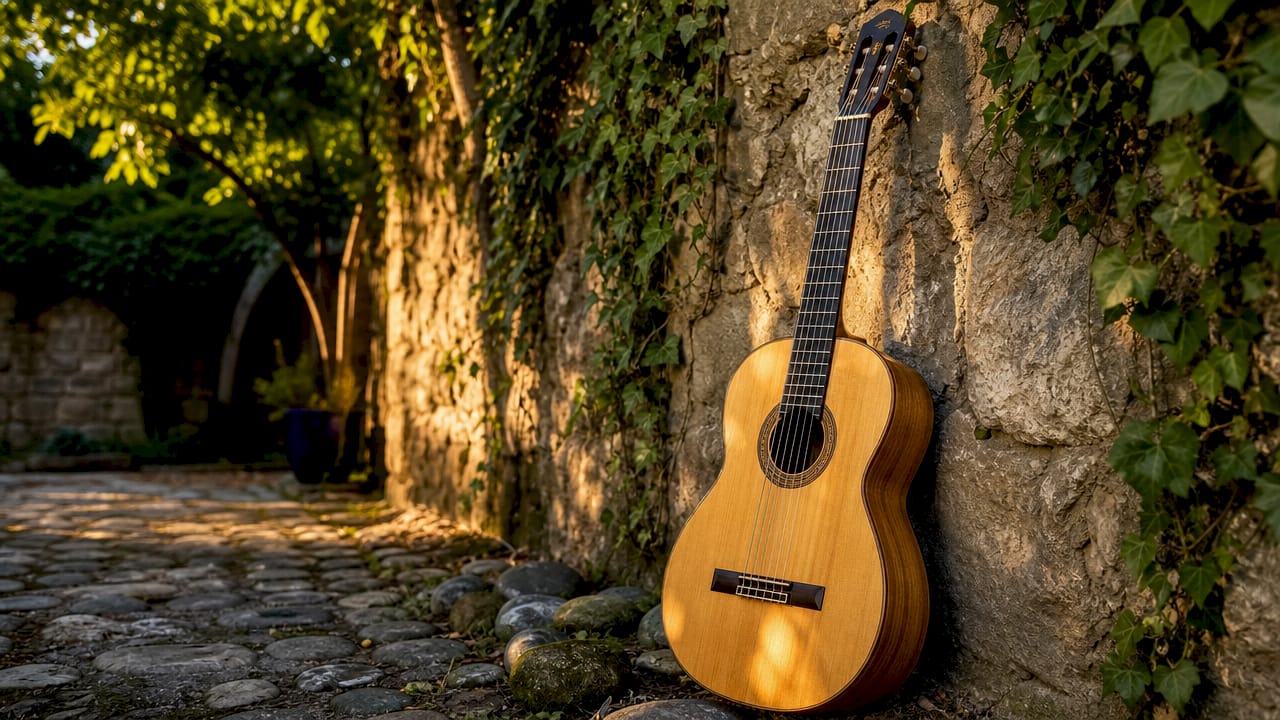
European spruce tops are the standard choice for the soundboard across both flamenco and classical instruments. Spruce tops deliver clarity and dynamic responsiveness, meaning the guitar responds accurately to both soft fingerpicking and hard strumming. Cedar tops are warmer and open up faster, but spruce rewards players who develop technique over years.
Rosewood and ziricote sit at the opposite end of the spectrum from cypress. Both are dense, hard woods that add warmth, sustain, and tonal complexity. They produce a richer, more layered sound that suits melodic playing and solo performance contexts.
- Spanish cypress: bright attack, fast decay, low sustain, ideal for rhythmic playing
- European spruce (top): clear, dynamic, wide frequency range, rewards strong technique
- Rosewood (back and sides): warm, deep, long sustain, adds harmonic complexity
- Ziricote (back and sides): similar to rosewood with added brightness and visual distinction
- Cedar (top): warm and responsive, opens up quickly, suits lighter touch
Pro Tip: Tap the back of an unfinished guitar body before buying. A clear, bell-like ring indicates well-seasoned, resonant wood. A dull thud suggests dense grain or inadequate drying, both of which limit tonal development.
How do “blanca” and “negra” flamenco guitars differ in wood selection?
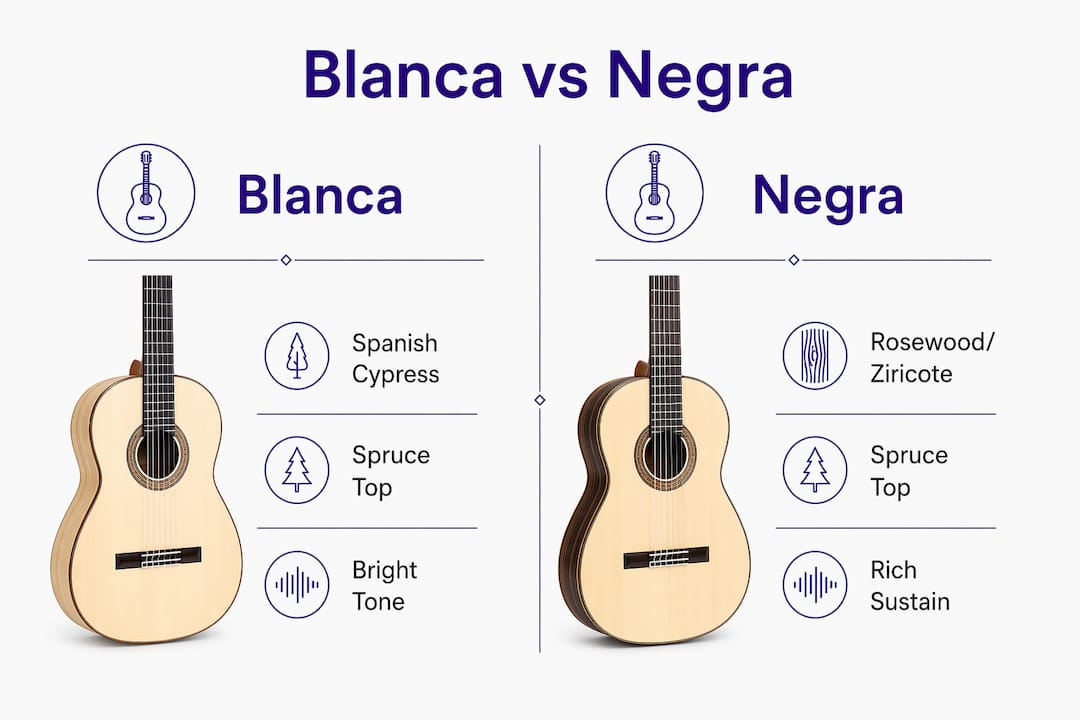
The blanca and negra distinction is the most important classification in flamenco guitar building. It is not about color preference. It is a functional acoustic decision rooted in performance context.
Blanca guitars use cypress backs and sides with spruce tops to produce the signature bright, quick, lively tone associated with traditional flamenco. The cypress limits sustain intentionally. Fast rhythmic patterns like rasgueados and golpes require notes to die quickly so the next beat lands clean. A guitar with too much sustain muddies this kind of playing.
Negra guitars use denser woods such as rosewood or ziricote for the back and sides. Negra models add roughly 15–20% more sustain compared to blanca instruments. That extra sustain serves melodic lines and expressive phrasing, which is why negra guitars are popular with players who blend flamenco technique with classical or jazz influences.
| Feature | Blanca guitar | Negra guitar |
|---|---|---|
| Back and sides wood | Spanish cypress | Rosewood or ziricote |
| Top wood | European spruce | European spruce |
| Tone character | Bright, dry, percussive | Warm, rich, sustained |
| Sustain level | Short, fast decay | Longer, more complex |
| Best suited for | Rhythmic ensemble playing | Solo and melodic performance |
| Traditional context | Classic flamenco styles | Contemporary and fusion flamenco |
One wood is not inherently better than the other. Effectiveness depends on performance context. A blanca cuts through a live ensemble where a negra might get lost in the mix. A negra rewards the listener in an intimate solo setting where tonal depth matters more than attack speed.
What do luthiers consider when selecting and treating wood for flamenco guitars?
Expert luthiers treat wood selection as the beginning of a conversation, not a final answer. Wood species sets the tonal foundation, but the flamenco sound arises from combined materials and luthier techniques. The same piece of cypress in two different builders’ hands will produce two different guitars. Construction choices amplify or suppress what the wood naturally offers.
Seasoning is the first and most critical step. Seasoned wood improves stability and tonal development over time. Green or insufficiently dried wood moves as humidity changes, causing cracks, warping, and tonal inconsistency. Master luthiers typically work with wood that has been air-dried for a minimum of several years, and many prefer decades-old stock for their finest instruments.
Thicknessing is where the real craft lives. A luthier thins the soundboard to a precise point where it flexes freely but does not collapse under string tension. This target thickness varies by wood species. Spruce can be thinned more aggressively than cedar because its stiffness-to-weight ratio is higher. Cypress backs are often left slightly thicker than rosewood backs to compensate for the wood’s lower density.
Bracing patterns interact directly with wood choice. A lighter cypress body may use lighter fan bracing to allow the top to vibrate freely. A denser rosewood body may need stiffer bracing to control overtones and prevent the sound from becoming muddy.
Key factors expert luthiers evaluate during wood selection:
- Grain straightness: Tight, straight grain in spruce tops indicates consistent stiffness and predictable vibration.
- Tap tone: Luthiers tap wood blanks and listen for resonance before cutting. A clear, sustained ring signals good acoustic potential.
- Weight and flex: Wood is flexed by hand to assess stiffness relative to weight, a key predictor of tonal response.
- Moisture content: Wood must reach equilibrium moisture content before building begins to prevent post-construction movement.
- Visual defects: Knots, irregular grain, and resin pockets all compromise structural integrity and acoustic performance.
Pro Tip: If you are commissioning a custom flamenco guitar, ask the luthier how long the wood has been seasoned. A builder who cannot answer that question precisely is not working at the level you need. The role of luthiers in flamenco craftsmanship extends far beyond assembly.
How does wood use in flamenco guitars compare to classical guitars?
Flamenco and classical guitars share construction DNA, but their wood priorities diverge at a fundamental level. Classical guitars often use rosewood backs and cedar or spruce tops to produce warmth, projection, and long sustain. These qualities serve the concert hall, where a player needs notes to carry across a large space without amplification.
Flamenco guitars favor lighter woods because immediacy and articulation matter more than projection. A flamenco player needs the guitar to respond the instant the finger or nail strikes the string. Sustain that enriches a classical performance can actually interfere with flamenco’s rhythmic precision.
| Characteristic | Flamenco guitar | Classical guitar |
|---|---|---|
| Back and sides | Cypress or rosewood | Rosewood or maple |
| Top wood | Spruce | Spruce or cedar |
| Primary tonal goal | Brightness, fast response | Warmth, projection, sustain |
| Typical body weight | Lighter | Slightly heavier |
| Neck profile | Lower action, closer to strings | Higher action |
The overlap exists in the negra category. A high-end negra guitar built with rosewood and spruce can serve both flamenco and classical repertoire. Many players who cross between genres choose a negra for exactly this reason. The wood types used in classical guitars inform flamenco building traditions, but the acoustic targets remain genre-specific.
What practical advice helps musicians choose the right wood for their flamenco guitar?
The right wood depends on what you play, where you play it, and how you play it. These three questions narrow the field faster than any specification sheet.
Playing context is the first filter. Ensemble players who perform with singers, dancers, and percussion need a blanca’s cutting brightness. The cypress body projects attack clearly even when competing with loud stage sound. Solo players or those recording in studios benefit from a negra’s tonal depth and sustain, which translates well on microphone.
Musical style within flamenco matters just as much. Traditional palos like soleares and bulerías reward the blanca’s fast decay. More melodic styles like rondeña or granaína, which emphasize lyrical phrasing, suit the negra’s warmer character. Knowing which styles you play most often points directly to a wood preference.
Guitar aging is a factor that most buyers underestimate. New guitars sound different initially but improve with time and playing. Wood fibers loosen as vibration works through them over months and years. A cypress blanca that sounds slightly tight when new will open up into a more resonant, responsive instrument after consistent playing. Buying a well-played vintage instrument sidesteps this waiting period entirely.
Personal feel cannot be replaced by specifications. Player preference for physical guitar response is as important as tone. Play multiple instruments before deciding. The guitar that feels right under your hands will always outperform the one that looks best on paper. Vintage-guitar-world recommends testing instruments in person whenever possible, particularly for players transitioning between blanca and negra styles.
Pro Tip: When evaluating a flamenco guitar, play it unplugged in a quiet room and then in a noisy one. A good cypress blanca will still cut through ambient noise. If it disappears in a busy room, the wood or construction may not be up to performance standards. Learn more about choosing a vintage flamenco guitar before committing to a purchase.
Key Takeaways
Tonewood selection is the primary acoustic decision in flamenco guitar building, and every other construction choice flows from it.
| Point | Details |
|---|---|
| Cypress defines the blanca sound | Low density produces bright attack and fast decay, essential for rhythmic flamenco styles. |
| Rosewood and ziricote serve the negra | Denser woods add 15–20% more sustain, suiting melodic and solo performance contexts. |
| Seasoning determines stability | Wood dried for multiple years resists warping and develops richer tone over time. |
| Luthier craft shapes what wood offers | Thicknessing, bracing, and voicing amplify or suppress a wood’s natural acoustic character. |
| Performance context drives wood choice | Ensemble playing favors blanca brightness; solo settings reward negra warmth and depth. |
What I have learned from years of watching wood shape flamenco guitars
The debate over cypress versus rosewood misses the deeper point. Wood sets the tonal ceiling, but craftsmanship determines how close a guitar gets to it. I have handled instruments built from exceptional cypress that sounded mediocre because the luthier rushed the thicknessing. I have also played negra guitars built from modest rosewood that sang beautifully because the builder understood how to voice the top.
The most underrated factor in this conversation is time. A freshly built flamenco guitar is a promise, not a finished product. The wood needs playing. It needs vibration. A cypress blanca that has been played daily for five years sounds fundamentally different from the same model sitting unplayed in a case. This is why vintage flamenco guitars carry such acoustic authority. The wood has already done its work.
My honest advice to any musician or collector evaluating a flamenco guitar: stop reading specifications and start listening. The numbers tell you what the wood is. Only playing tells you what the guitar has become. Trust your hands and your ears over any catalog description.
— Vintage
Flamenco guitars and tonewood at Vintage-guitar-world
Vintage-guitar-world curates flamenco and classical guitars selected for their tonal quality, wood provenance, and construction integrity. Every instrument in the collection has been evaluated for acoustic performance, not just visual condition.

For musicians and collectors who want to understand how wood aging and craftsmanship interact in real instruments, the vintage guitar collection at Vintage-guitar-world offers hands-on access to instruments that demonstrate these principles directly. The platform also provides expert valuation, certification, and guidance for buyers navigating the flamenco and classical guitar market. If you want to understand why handcrafted guitars excel in tonal development, the knowledge base at Vintage-guitar-world is a strong starting point.
FAQ
What wood is traditionally used in flamenco guitars?
Traditional flamenco blanca guitars use Spanish cypress for the back and sides, paired with a European spruce top. Negra models substitute rosewood or ziricote for a warmer, more sustained tone.
How does wood affect flamenco guitar tone?
Wood density and elasticity control how quickly a guitar responds and how long notes sustain. Lighter woods like cypress produce fast, bright tones; denser woods like rosewood add warmth and sustain.
What is the difference between a blanca and negra flamenco guitar?
A blanca uses cypress for bright, percussive sound suited to rhythmic playing. A negra uses rosewood or ziricote for richer sustain, making it better for melodic and solo flamenco styles.
Does a new flamenco guitar sound the same as a played-in one?
No. Seasoned and well-played guitars open up acoustically over time as wood fibers loosen through vibration. A vintage instrument has already completed this tonal development process.
Can flamenco guitar woods be used in classical guitars?
Yes. Rosewood and spruce are common to both traditions. The key difference is that flamenco construction prioritizes lighter builds and faster response, while classical guitars optimize for warmth and projection.