













A guitar testing appointment is a professional evaluation where a trained technician or luthier inspects your instrument, identifies problems, and adjusts it to match your playing style. The role of guitar testing appointments goes well beyond a quick tune-up. These sessions address fret buzz, intonation errors, action height, neck relief, and electronics function, all in one focused visit. Whether you play a vintage archtop or a handcrafted flamenco guitar, the appointment is what keeps the instrument performing the way it should.
Here is what a typical appointment covers:
- Playability inspection: String action, neck relief, and fret condition
- Sound optimization: Intonation checks and saddle or nut adjustments
- Structural review: Body seams, tuning machine stability, and finish integrity
- Electronics testing: Signal path verification for electric and acoustic-electric guitars
- Maintenance recommendations: String gauge advice, humidity guidance, and cleaning notes
What procedures does a guitar testing appointment actually involve?
A technician starts with a visual and tactile inspection before touching a single tool. They check the neck bow, measure string height at the first and twelfth frets, and look for fret wear or uneven crowning. From there, the process moves into adjustments.
Common procedures include:
- Neck relief adjustment: Truss rod turns, typically in quarter increments, to correct forward or back bow
- Action setting: Saddle and nut filing to reach the player’s preferred string height
- Fretboard inspection: Identifying high frets, sharp fret ends, or worn fret crowns that cause buzz
- Intonation calibration: Moving saddle positions so the guitar plays in tune across the full neck
- Electronics testing: Checking pickups, pots, switches, and output jacks for noise or signal loss
- Structural integrity check: Inspecting bracing, binding, and any cracks or loose joints
Testing guitar electronics before closing the control cavity is especially worth doing on electric guitars. Problems caught at that stage take minutes to fix. The same problems discovered after final assembly can require hours of invasive work.
Pro Tip: *Tell your technician which issues bother you most before the session starts. String height, fret buzz, and intonation are all
Sie sehen gerade einen Platzhalterinhalt von YouTube. Um auf den eigentlichen Inhalt zuzugreifen, klicken Sie auf die Schaltfläche unten. Bitte beachten Sie, dass dabei Daten an Drittanbieter weitergegeben werden.
that pull against each other. Ranking your priorities helps the tech find the right balance for your playing style rather than a generic middle ground.*
Why professional guitar evaluation beats doing it yourself
A skilled luthier catches things most players never notice. String action that feels slightly stiff, a neck that has crept forward over a dry winter, a pot that crackles only at a specific volume position. Players often compensate unknowingly for a deteriorating setup, adjusting their technique around the guitar’s problems rather than fixing them.
The benefits of a professional evaluation include:
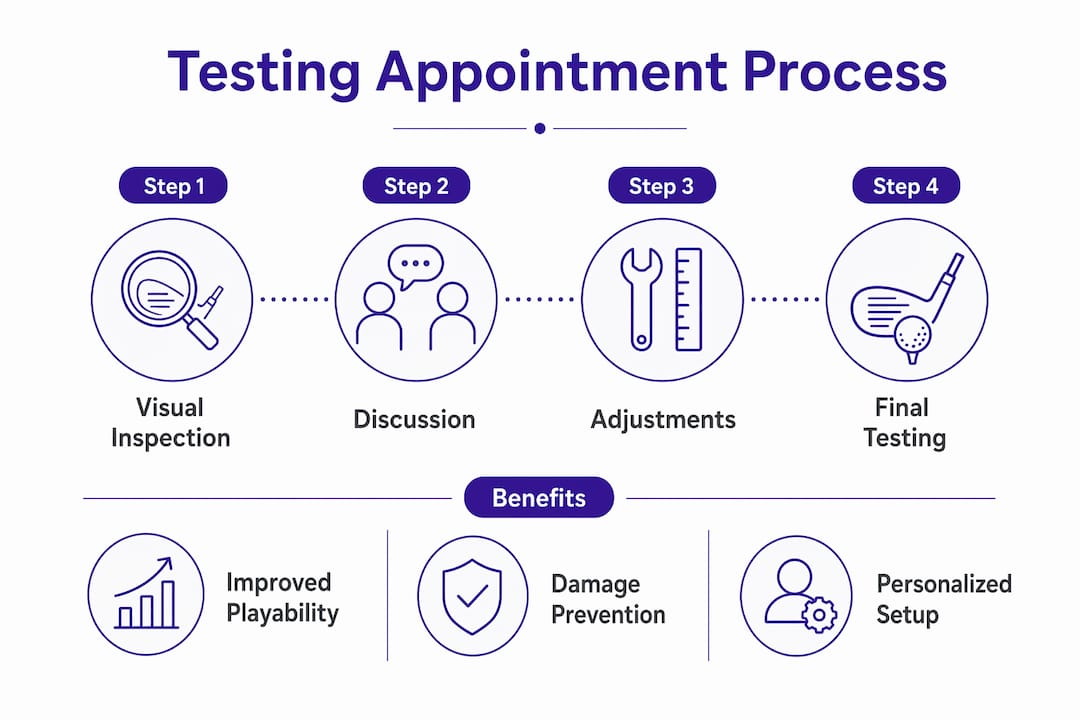
- Improved playability: Proper action and neck relief reduce left-hand fatigue and make barre chords easier
- Better tone: Correct intonation means the guitar sounds in tune across every position, not just open strings
- Damage prevention: Catching a loose brace or a developing crack early costs far less than a full repair later
- Personalized comfort: Adjustments reflect your string gauge, tuning, and playing attack, not a factory default
- Peace of mind: Especially for vintage and handcrafted guitars, knowing the instrument is in optimal condition matters before a performance or recording session
As Premier Guitar notes, setup is always a compromise between competing metrics. A professional who understands those tradeoffs produces results that a DIY approach rarely matches.
How often should you schedule a guitar testing appointment?
Many players find professional setup beneficial fairly regularly. That said, several factors push the timeline shorter.
Schedule an appointment if a significant amount of time has passed since the last setup, regardless of how often you play.
- You changed string gauges, since heavier or lighter strings shift neck tension and action
- Seasons changed significantly, as humidity and temperature swings cause wood to expand and contract
- You notice fret buzz, tuning instability, or hard-to-fret notes that were not there before
- The guitar sat unplayed for months, because wood and hardware still shift even without regular use
- You are preparing for a tour, recording session, or important performance
A guitar that rarely gets played still needs attention. Wood moves, glue joints loosen, and finish can check over time. The instrument does not need to be played hard to drift out of spec.
How to prepare for your appointment and what to expect
Walking in prepared makes the session faster and the results better. Gather basic information about your guitar before you go: the string gauge you use, your preferred tuning, and any specific complaints you have noticed. If you play in drop D or an alternate tuning, mention that upfront because it changes how the technician sets intonation and relief.
Preparation steps worth taking highlight the importance of customized preferences, as explained in how to personalize pitch to curators effectively:
- Note your issues in advance: Fret buzz on specific strings, tuning peg slippage, or a scratchy pickup selector
- Bring your accessories: A headstock tuner and your usual pick, since testing with your own gear gives the technician a realistic picture
- Schedule during off-peak hours: Less foot traffic means more focused attention on your instrument
- Ask about pricing upfront: Costs vary by shop and scope of work, so confirming the bench fee before the session avoids surprises
During the appointment itself, expect an initial visual inspection, a conversation about your goals, a round of adjustments, and a final playtest. Some shops, like SF Guitarworks, allocate around 15 minutes per guitar for the evaluation phase alone, with additional time for the actual work. The final playtest is your chance to flag anything that still feels off before you leave.
Pro Tip: Treat the appointment as a conversation, not a drop-off. The best setups come from players who can articulate what they want, even roughly. “I want it to feel easier to play” is a starting point. “The low E buzzes at the fifth fret and the action feels stiff above the twelfth” gives the technician something to work with immediately.

Finding a technician you trust is worth the effort. Recommendations from a guitar teacher or a local music community are the most reliable way to locate someone qualified. Once you find a good tech, stick with them. They learn your instruments and your preferences over time, and that continuity shows in the results.
Key Takeaways
Professional guitar testing appointments are the most reliable way to maintain playability, prevent long-term damage, and get a setup tailored to how you actually play.
| Point | Details |
|---|---|
| Schedule at least annually | Book a setup once a year, or sooner after string gauge changes or seasonal shifts. |
| Communicate your priorities | Tell the technician your specific complaints so adjustments reflect your playing style. |
| Test electronics before closing cavities | Catching wiring issues before the control cavity is sealed saves significant repair time. |
| Even unplayed guitars need evaluation | Wood and hardware shift over time regardless of how often the instrument is played. |
| Choose a consistent technician | A tech who knows your instruments delivers better results than starting fresh each time. |
Vintage-guitar-world specializes in curated vintage and handcrafted instruments, along with expert evaluation and setup services for players who take their instruments seriously. Whether you are assessing a vintage guitar’s condition or exploring the full range of vintage guitar types available, the team brings the same attention to detail that a great testing appointment demands.