














TL;DR:
- Guitar exhibitions highlight rare instruments, custom debuts, artist performances, and interactive experiences. They offer historical depth and craftsmanship insights that online content cannot replace. Attendees should focus on hands-on access, cultural context, and building relationships with builders and collectors.
Guitar exhibition highlights are the defining moments of any major guitar show: rare instruments, custom shop debuts, artist performances, and hands-on experiences that no catalog or video can replicate. The industry term for these curated events is “guitar exhibitions” or “guitar shows,” and they range from trade-focused events like NAMM to museum installations like the Tampa Bay History Center’s “America at the Crossroads.” Whether you collect, play, or simply love the instrument, these events deliver a concentrated view of where guitar culture stands right now.
1. What are the guitar exhibition highlights at major 2026 shows?
The 2026 guitar show season delivered some of the most memorable displays in recent memory. NAMM 2026 and the Sydney Guitar Show both set a high bar for what collectors and players can expect from a top-tier event.
The standout moments from recent major shows include:
- Fender Custom Shop at Sydney Guitar Show: The 144 square meter Fender exhibit was the largest manufacturer footprint at the show. It featured rare anniversary models, private demo stations, and custom shop masterpieces led by American MasterBuilder David Brown.
- Gibson Custom One of a Kind Instruments at NAMM 2026: Gibson debuted instruments that function as visual art pieces. Each guitar blended traditional construction with one-of-a-kind aesthetic choices.
- Boutique innovation at NAMM 2026: LED fretboards and MIDI guitars pushed creative limits. These builds showed that small custom shops are driving the most interesting design experiments in the industry.
- Bologna Guitar Show: This Italian event featured 80+ on-stage events including concerts and live demonstrations across multiple days.
Pro Tip: If you attend a show with a major manufacturer exhibit like Fender’s Custom Shop space, book a private demo slot early. These fill up fast and offer access to instruments that never reach retail.
2. How do interactive features make guitar shows worth attending?
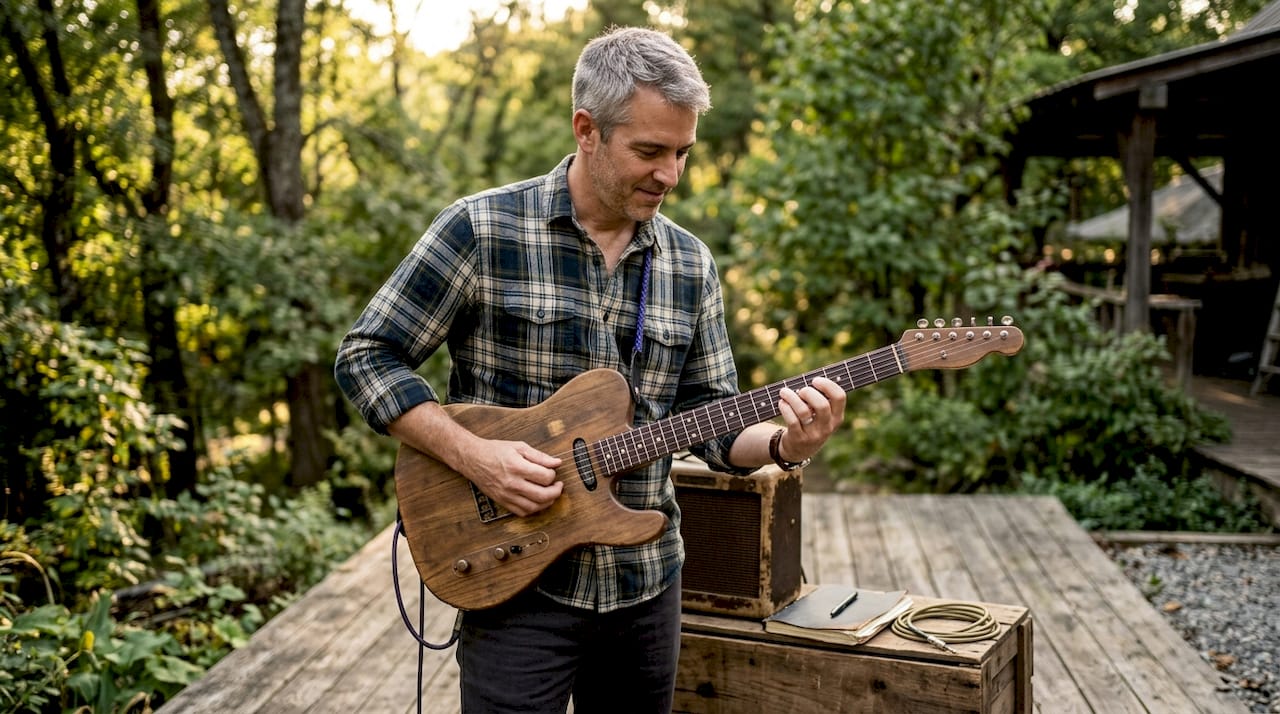
The best guitar shows go far beyond display cases. They put instruments in your hands and connect you with the people who build and play them.
The Sydney Guitar Show structured its 2026 program around dedicated experience zones. “The Studio” room focused entirely on pro audio and recording gear, giving players a chance to test signal chains in a controlled environment. Jam Spaces allowed visitors to pick up instruments and play freely, which is the fastest way to evaluate a guitar’s feel and response.
Workshops and panel talks add another layer of value. Events like the Classical Guitar Workshop bring together builders and players to discuss technique, construction, and tonal philosophy. Artist masterclasses let attendees watch professionals work through real playing challenges, not just polished performances. The music production insights shared at these panels often cover topics that go well beyond what you find in standard guitar media.
Here is what a well-structured interactive exhibition typically offers:
- Jam Spaces where visitors play instruments without sales pressure
- Builder workshops covering construction methods and material choices
- Artist masterclasses with working professionals demonstrating technique
- Pro audio demo rooms for testing recording and amplification setups
- Panel discussions on guitar history, market trends, and craftsmanship
Pro Tip: Attend at least one panel talk even if the topic seems niche. The conversations that happen in Q&A sessions often surface insights you won’t find in any published interview.
3. What historical and cultural guitar exhibitions offer collectors
Museum-based guitar exhibitions give collectors something trade shows cannot: historical depth. These events place instruments inside the social and cultural movements that shaped them.
The Tampa Bay History Center’s “America at the Crossroads” exhibit is a strong example. It featured roughly 40 significant instruments and connected guitar history to American social movements, blues, and rock. The exhibit was extended through august 23, 2026 due to high visitor demand. That extension reflects genuine public appetite for guitar history presented with cultural context.
Key features of strong historical guitar exhibitions include:
- Landmark instruments on display: Guitars like B.B. King’s Lucille carry stories that no reproduction can tell. Seeing the actual instrument changes how you understand the music.
- Signed and documented pieces: Instruments signed by rock legends carry both emotional and financial significance for collectors.
- Cultural narrative framing: The best museum shows connect guitars to the movements that produced them, from Delta blues to British Invasion rock.
- Surprising biographical facts: Leo Fender never learned to play the instrument he revolutionized. That kind of detail reframes how collectors think about innovation and design.
Guitar history is also deeply tied to music as identity, and the best museum exhibitions make that connection explicit. They show why certain guitars became symbols, not just tools.
4. What key event features should attendees expect at 2026 guitar shows?
Large guitar shows run on a predictable structure, but the details vary significantly by event type. Knowing what to expect helps you plan your time and budget.
| Event type | Format | Key features | Best for |
|---|---|---|---|
| Trade show (e.g., NAMM) | Multi-day, industry-focused | Manufacturer debuts, press access, dealer meetings | Professionals and serious collectors |
| Regional show (e.g., Sydney Guitar Show) | 2–3 days, public-facing | Gear halls, artist demos, commercial booths | Players and enthusiasts |
| Collector show (e.g., Sarasota Guitar and Amp Show) | Single or multi-day | Dealer trading and buying, vintage gear, raffles | Collectors looking to buy, sell, or trade |
| Museum exhibition | Extended run, ticketed | Historical instruments, cultural context, guided tours | History-focused enthusiasts |
Collector-oriented shows deserve special attention. Dealers at events like the Sarasota Guitar and Amp Show actively advertise their intent to buy or trade on-site. Bringing gear to these events is not just allowed. It is expected and often rewarded with fair on-the-spot valuations.
Raffles and giveaways appear at most regional shows and add an element of excitement for casual attendees. Vintage guitar dealers typically cluster in dedicated sections, so collectors should identify those zones early and visit them before the best pieces move.
5. How do guitar exhibitions reflect craftsmanship and technology trends?
Guitar exhibitions function as a real-time report on where the craft is heading. The 2026 show season made several trends impossible to ignore.
Premium craftsmanship consistently outperforms exotic materials in acoustic responsiveness and tone. Boutique builders at NAMM 2026 demonstrated this with guitars built from common tonewoods like poplar that outperformed visually impressive but poorly constructed alternatives. Construction quality, joint precision, and finish work matter more than the species of wood on the label.
The technology side of exhibitions is moving fast. Key trends visible at 2026 shows include:
- Integrated MIDI systems built directly into acoustic and electric bodies, removing the need for external pickups or converters
- LED fretboard lighting used for both visual effect and as a teaching tool for position markers
- Custom shop one-of-a-kind builds that treat the guitar as a sculptural object without sacrificing playability
- Boutique amplifier and effects pairings demonstrated alongside guitars to show complete signal chains
Exhibitions serve as launchpads for these ideas. A boutique builder with a single prototype at NAMM can generate enough attention to fund a full production run. That dynamic makes shows genuinely important for the direction of the industry, not just for the collectors who attend them. Vintage-guitar-world tracks these trends closely because they directly affect the long-term value of handcrafted instruments in the collector market.
Key Takeaways
Guitar exhibition highlights are most valuable when you combine hands-on instrument access, historical context, and direct engagement with builders and artists.
| Point | Details |
|---|---|
| Custom shop debuts drive show value | Events like NAMM and Sydney Guitar Show feature exclusive builds that never reach standard retail. |
| Interactive zones separate good shows from great ones | Jam Spaces and masterclasses let you evaluate instruments through play, not just observation. |
| Museum exhibitions add irreplaceable historical depth | Shows like “America at the Crossroads” connect instruments to cultural movements collectors care about. |
| Collector shows reward preparation | Bringing gear to trade-focused events like the Sarasota show opens buying and selling opportunities on-site. |
| Craftsmanship beats materials every time | Boutique builders at NAMM 2026 proved that construction quality matters more than exotic tonewoods. |
What I’ve learned from years of watching guitar shows evolve
The most common mistake collectors make at guitar shows is treating them like shopping trips. The real value is in the conversations you have with builders, the instruments you play without any intention of buying, and the historical context that reframes what you already own.
I’ve watched the show format shift significantly over the past decade. The rise of interactive zones and museum-quality historical exhibitions reflects a maturing audience. Collectors and players want more than a gear catalog brought to life. They want to understand why certain instruments matter, who made them, and what problems those makers were trying to solve.
The Leo Fender detail stays with me. The man who designed the first mass-produced solid-body electric guitar never played one. That fact does not diminish his contribution. It expands it. It tells you that deep understanding of a craft does not always come from being its practitioner. Collectors who study guitar history with that kind of openness tend to make better decisions, both at shows and when evaluating instruments for their collections.
My advice for upcoming shows: use a strategic navigation approach and identify your two or three priority zones before you walk in. Large venues reward focus. Spend the first hour in the area that matters most to you, then let the rest of the day be exploratory. You will leave with more useful knowledge and fewer impulse purchases you regret.
The future of guitar exhibitions points toward deeper integration of historical storytelling with live technology demonstrations. That combination serves both the collector who wants provenance and the player who wants to understand what is possible right now.
— Vintage
Vintage-guitar-world and the instruments exhibitions inspire
Guitar shows remind collectors why certain instruments hold their value across decades. The craftsmanship, rarity, and history on display at events like NAMM and the Sydney Guitar Show are exactly what Vintage-guitar-world specializes in year-round.
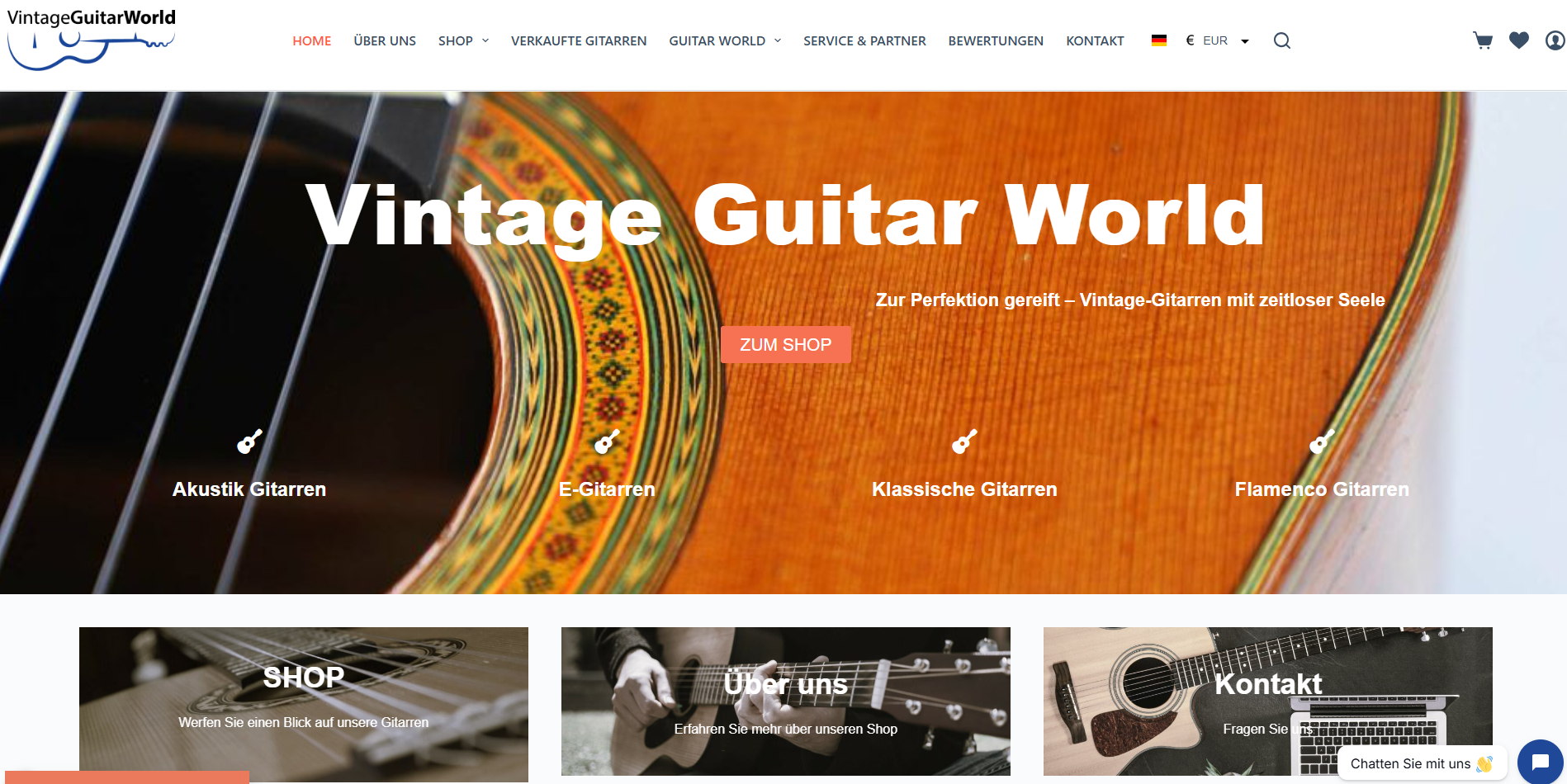
Vintage-guitar-world offers a curated selection of rare, restored, and certified instruments spanning classical, flamenco, acoustic, and electric categories. If a show has sparked your interest in a particular era or style, the vintage guitar features and history guide is a strong starting point for understanding what makes certain instruments worth collecting. For collectors evaluating specific pieces, Vintage-guitar-world also provides expert valuation and certification services. Browse the full selection at Vintage-guitar-world to find instruments that match what the best exhibitions have made you appreciate.
FAQ
What are guitar exhibition highlights?
Guitar exhibition highlights are the standout moments at guitar shows and museum events, including rare instrument displays, custom shop debuts, artist performances, and interactive experiences that define the event’s value for attendees.
What is the biggest guitar show in the world?
NAMM (the National Association of Music Merchants show) is the largest trade-focused guitar and music instrument event globally, featuring manufacturer debuts, boutique innovations, and industry panels across multiple days.
How do I find the best guitars at exhibitions?
Focus on custom shop sections and boutique builder areas first. These zones feature one-of-a-kind instruments that rarely appear in retail, and builders are usually present to discuss construction and design choices directly.
Are guitar exhibitions worth attending for collectors?
Collector-oriented shows like the Sarasota Guitar and Amp Show allow on-site buying, selling, and trading, which makes them directly useful for building or refining a collection beyond what online platforms offer.
What should I bring to a guitar show as a collector?
Bring any instruments you are willing to sell or trade, since dealers at collector-focused shows actively look to purchase on-site. Also bring a list of specific models or eras you are targeting so you can navigate large venues efficiently.