


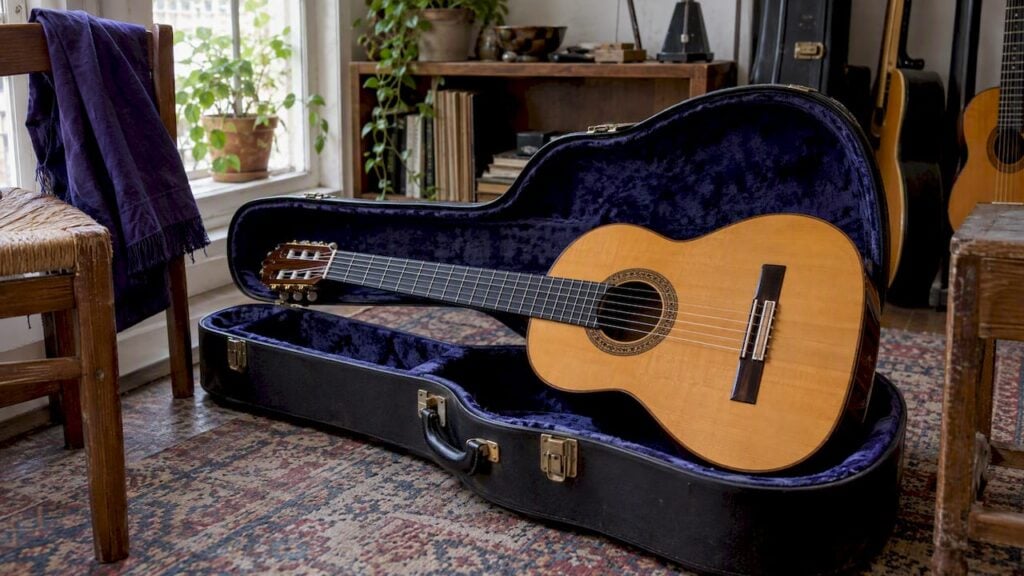

Conde Hermanos guitars typically trade between €500 for entry-level workshop pieces and €8,000 or more for exceptional collectible examples, with age, model name, and physical condition deciding where any single instrument lands. A guitar with a verified label, original parts, and clean repairs will consistently outsell a similar-looking instrument with undocumented history. The sections below break down each price band and show real sold examples from auction records.
TL;DR:
- Repairs such as a refret or replacement bridge can cut value by 10% to 30%; verified labels, serial details, and ownership records support higher pricing.
- Three cited auction guitars sold above low estimates, but buyers should add premiums of about 22%, or roughly 26.4% when VAT applies, to hammer prices.
- Before paying, inspect the label, bridge, heel joint, braces, and soundboard; seek an in person valuation if repairs, altered scale length, or replacement parts raise doubts.
- Choose private sale to avoid fees but handle authentication and payment risk yourself; auctions add buyer charges, while specialist dealers provide vetting at a markup.
Table of Contents
- 1. Price ranges: entry, mid-range, professional, collectible
- 2. What drives price: maker, wood, setup, and provenance
- 3. Auction and private-sale evidence: what guitars actually sold for
- 4. How to assess condition and authenticity: a practical checklist
- 5. Where to buy, sell, or consign and what it costs
- 6. Why these valuations hold up: appraisal and testing services
- 7. Publisher perspective: what we are seeing in demand
- How we can help you buy, sell, or value a Conde Hermanos
- FAQ
- Sources
1. Price ranges: entry, mid-range, professional, collectible
Conde Hermanos output spans roughly eight decades, and that range alone explains why two guitars bearing the same family name can differ in price by a factor of ten or more. Workshop output, model naming, and era all shift where an instrument sits.
- Entry (roughly €500 to €1,500): later workshop-era instruments, often with minor repairs, replaced strings, or signs of regular gigging use. Playability is usually solid but cosmetic wear is common.
- Mid-range (roughly €1,500 to €4,500): good-condition workshop-built guitars from the late 20th or early 21st century, typically with better tonewoods, cleaner setups, and fewer structural repairs.
- Professional (roughly €4,500 to €8,000): dated or high-end Felipe and Atocha models in excellent condition, or instruments with desirable specifications that professional players seek out.
- Collectible or antique (often €8,000 and up, highly variable): rare pre-1970 examples, exceptional provenance, or museum-quality survivors where price depends heavily on documentation and rarity rather than a fixed formula.
**A 2005 Conde Hermanos Model Felipe V2 sold at auction for £1,400 against a £600 to £1,000 estimate, landing comfortably inside the mid to professional range once converted context and condition are factored in. Specialist sellers commonly report asking prices within a mid-range band for workshop-era instruments, which lines up with the mid-range band described above. A separate flamenco example from the early 1980s was listed before selling at a top-tier mid-range price, reinforcing that well-specified flamenco models from the 1970s and 1980s often price at the top of the mid-range tier.
2. What drives price: maker, wood, setup, and provenance
Two Conde Hermanos guitars can look nearly identical and still sell tens of percentage points apart. The differences usually trace back to a handful of specific factors rather than overall “quality.”
Model lineage matters first. Names like Felipe, Atocha, and Gravina each carry different reputations among players and collectors, and a documented model designation tends to support a stronger price than an unmarked or ambiguous label.
- Repairs and replacements: a refret, a replaced bridge, or non-original hardware typically pulls the price down, sometimes by 10% to 30%, depending on how visible and how reversible the work is.
- Provenance: a verified label, matching serial details, and a documented chain of ownership function as a multiplier rather than a flat addition, often moving a guitar from the low end of its band to the high end.
- Original case and paperwork: these raise buyer confidence even when they add little functional value, because they support the authenticity story a collector is paying for.
Pro Tip: Ask for close-up photos of the label, the bridge, and the heel joint before you commit to a price, since those three spots reveal most repair history.
Construction differences between flamenco and classical builds also shape expectations around weight, bracing, and projection, which our flamenco guitar guide covers in more detail for readers comparing the two formats.
3. Auction and private-sale evidence: what guitars actually sold for
Auction records give the clearest picture of real market behavior, because they show hammer prices rather than optimistic asking prices. A handful of recent sales illustrate how the price bands play out in practice.
- A Conde Hermanos classical guitar labeled 1937 sold for £1,250 against a £700 to £1,000 estimate, beating its estimate thanks to a detailed lot description covering wood, scale length, and case type.
- A 1966 classical guitar labeled “Conde Hermanos” sold for £950 against a £500 to £800 estimate, again outperforming its low estimate.
- The 2005 Felipe V2 mentioned earlier sold for £1,400 against a £600 to £1,000 estimate, the widest margin above estimate of the three.
**Auction buyer premiums commonly add around 22% to the hammer price, reaching roughly 26.4% once VAT is included in some sale terms, which changes what a buyer actually pays versus what a seller nets after commission. Each of these three sales beat its low estimate, and the pattern suggests that clear construction details and multiple photographs push bidders to pay more confidently. Instruments that sell below their band usually have incomplete descriptions, unclear repair history, or missing labels, while those that sell above it tend to have strong documentation and visible original features.
4. How to assess condition and authenticity: a practical checklist
A careful inspection separates a fairly priced guitar from an overpriced one. Work through these points in order before you commit to a purchase.
- Verify the label and date against known Conde Hermanos naming conventions for the era.
- Inspect the soundboard for cracks, especially near the bridge and along the grain.
- Check for repaired splits on the top, back, or sides, and ask when the repair was done.
- Confirm the bridge and saddle appear original rather than swapped for a modern replacement.
- Look at fret wear to estimate how heavily the instrument was played.
- Test the tuners for smooth, consistent action without slipping.
- Check internal braces through the soundhole with a flashlight for cracks or looseness.
- Examine the finish for spot repairs, overspray, or mismatched sheen.
Red flags include mismatched repair work, a replaced top that does not match the original wood grain, or an altered scale length. Positive signs include an original case, visible workshop stamps, and supporting paperwork. Our checklist for recognizing Conde Hermanos guitars goes deeper into label and stamp verification. When any of these checks raise doubt, a professional valuation or a hands-on testing appointment is worth the time before you pay.
5. Where to buy, sell, or consign and what it costs
Each sales channel carries its own cost structure and timeline, and that affects both what a buyer pays and what a seller nets.
- Specialist dealers and curated shops offer vetted instruments with descriptions and support, usually at a markup that reflects the vetting work.
- Consignment through a specialist platform spreads the sale over a longer timeline but avoids outright dealer markup.
- Auction houses add a buyer premium of roughly 22% plus VAT on top of the hammer price, while sellers pay a separate commission.
- Private sale avoids commissions and premiums entirely but shifts all the authentication and payment risk onto both parties.
Shipping, insurance, and any pending restoration work should be budgeted separately from the purchase price, since a guitar that needs a neck reset or refret can add a meaningful amount before it is playable.
6. Why these valuations hold up: appraisal and testing services
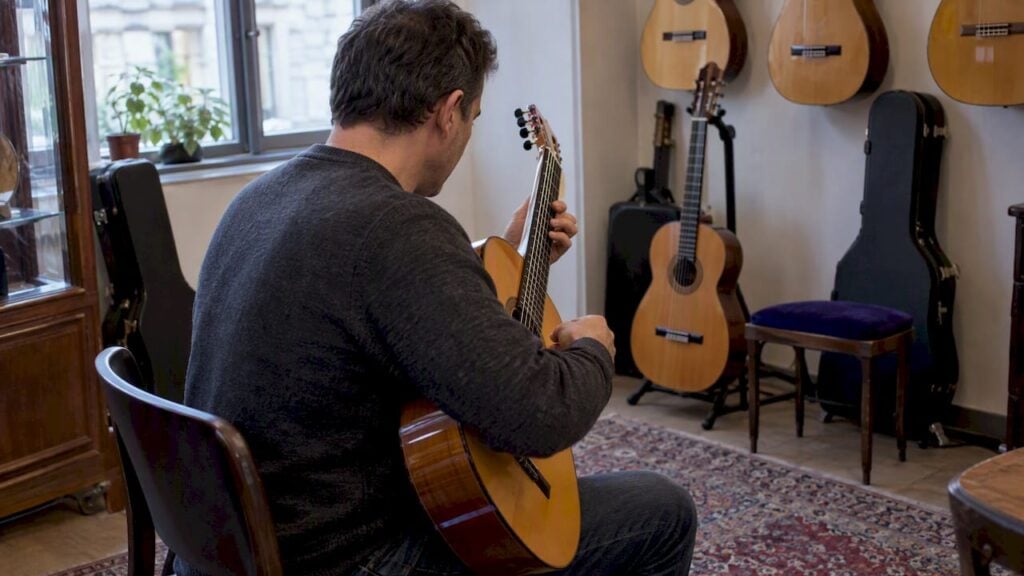
Reliable price guidance depends on seeing an instrument in person, not just reading a listing. Guitars can be evaluated through expert selection, formal valuation work, and hands-on testing appointments, and restoration can be handled when an instrument needs structural or cosmetic work before resale.
A testing appointment changes the negotiation conversation directly: once a buyer has played the instrument and confirmed its condition firsthand, both sides can agree on a realistic reserve price rather than guessing from photos alone. That same groundwork supports fair pricing whether the instrument is headed to a private sale, a consignment listing, or a formal appraisal.
7. Publisher perspective: what we are seeing in demand
Demand for well-documented workshop-era Conde Hermanos guitars has been outpacing supply of instruments with clean paperwork, which is why well-described listings keep beating their estimates at auction. If you are buying, request detailed close-up photos of the label and bridge area before you negotiate, and budget for a setup or minor restoration even on a guitar described as excellent.
— Vintage
How we can help you buy, sell, or value a Conde Hermanos
If you are weighing a purchase or trying to price an instrument you already own, valuation and appraisal work, testing appointments where you can play a guitar before committing, and consignment handling options are available.

We also take on restoration when a guitar needs structural or cosmetic work before it is ready to sell or play comfortably, and our current vintage guitar catalog includes instruments across these price bands. Readers who want to build skill on an instrument before buying can also find structured lesson libraries through Gitaarles, a learning resource we point beginners and returning players toward. To start a valuation or book a testing appointment, visit our shop and reach out with details on the instrument you have in mind.
FAQ
What is a Conde Hermanos guitar worth today?
Most Conde Hermanos guitars sell between €500 and €8,000, with workshop-era instruments in good condition commonly landing in the €1,500 to €4,500 range. Rare pre-1970 examples with strong provenance can exceed €8,000, though pricing at that level varies widely based on documentation.
How do I know if my Conde Hermanos guitar is authentic?
Check the internal label against known naming conventions, inspect the bridge and heel joint for non-original replacements, and look for consistent workshop stamps. Our recognition checklist walks through the specific details to verify before you buy or sell.
Does a repair lower the value of a vintage guitar?
A repair typically reduces value, with the size of the reduction depending on how visible and how well executed the work is. A clean, period-appropriate repair affects price far less than a mismatched replacement part or an amateur fix.
What fees should I expect when buying at auction?
Auction buyer premiums commonly add around 22% to the hammer price, rising to roughly 26.4% once VAT applies under some sale terms. Always confirm the exact premium and VAT treatment listed in the specific auction’s terms before bidding.
Sources
- 2005 Conde Hermanos Model Felipe V2, made in Spain
- Classical guitar labelled ‘Conde Hermanos…anno 1966…Madrid’