The History of Flamenco Guitar
Flamenco guitar is not just an instrument; it embodies the spirit of Spanish culture, specifically the passionate essence of Andalusia. For many visitors to Spain, attending a flamenco show tops their bucket list, and it’s easy to see why. The combination of music, dance, and deep emotional expression creates a mesmerizing experience that captivates audiences worldwide. Yet, while it may be hard to imagine a flamenco performance without the hauntingly rhythmic guitar, the history of this instrument is relatively recent, dating back only about 170 years.
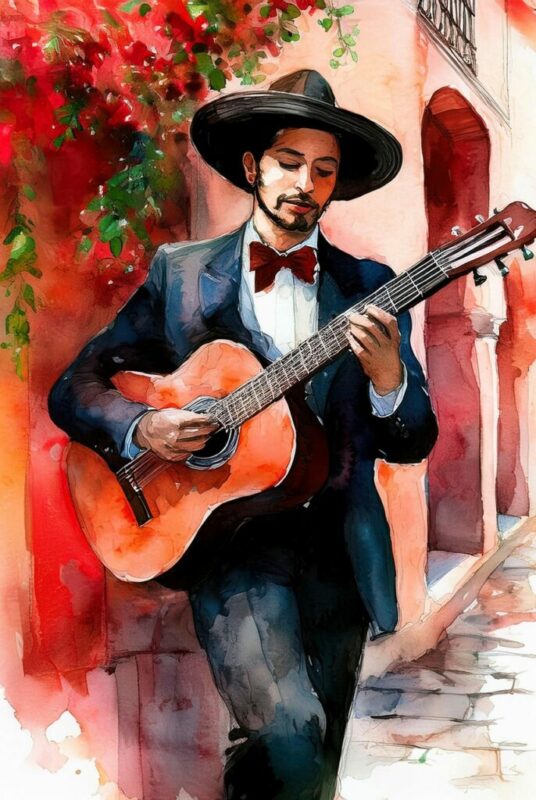
The Origins of Flamenco Music
Flamenco music has its roots deeply embedded in the Iberian Peninsula, where it has thrived for approximately six centuries. Its origins can be traced to the hot and arid southernmost region of Spain—Andalusia. This vibrant area was home to four distinct cultural groups: the Moors, Christians, Gitanos (descendants of the Roma), and Sephardic Jews. The intermingling of these diverse cultures, alongside centuries of socio-cultural evolution, gave rise to a unique musical fusion known as flamenco.
Initially, flamenco was predominantly a vocal art form, characterized by the cante, or song, which resembled emotive cries or chants. Accompaniment was minimal, often relying on hand clapping (palmas), knuckles striking on a table, or tapping a wooden staff to maintain rhythm. For centuries, flamenco existed as a subculture among society’s marginalized, serving as a powerful outlet for the oppressed.
The Role of the Guitar in Flamenco
Historically, the guitar was absent from flamenco music due to the economic constraints faced by many musicians of the time. The lyrics of flamenco songs reflected the struggles of the outcast, addressing themes of love, life, death, and the anguish experienced by Jews, Muslims, and Gypsies during and after the reign of the Catholic Monarchs in the 15th century.
Flamenco was primarily a family-oriented activity, passed down through generations during intimate gatherings at parties and celebrations. It wasn’t until the late 19th century that flamenco transitioned into a performing art, thanks to the rise of the café cantante. These lively venues in Andalusia and later Madrid provided a space for singers, dancers, and guitarists to showcase their talents while patrons enjoyed drinks and lively company.
The Golden Age of Flamenco
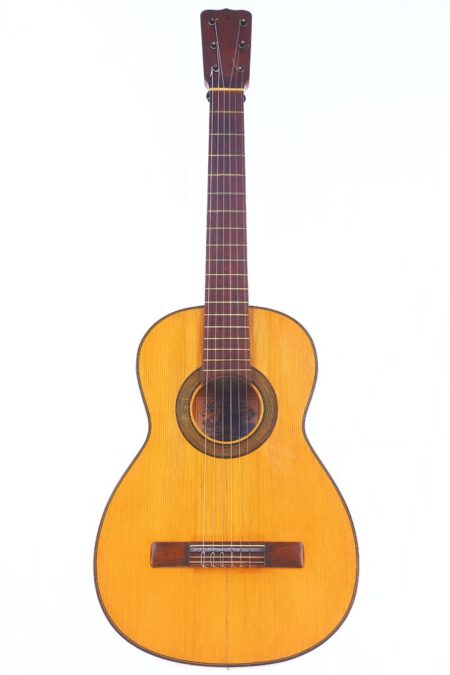
The late 19th century marked the Golden Age of flamenco, a period during which the flamenco guitar began to take shape as a standardized instrument. The master luthier Antonio de Torres Jurado played a pivotal role in this transformation. He designed the flamenco guitar to produce greater volume to compete with the loud footwork of the dancers (bailaores) and the powerful voices of the singers (cantaores). Torres achieved this by enlarging the body of the guitar and using lighter woods, such as cypress for the back and sides, which contributed to a brighter, more percussive sound.
However, as the 20th century dawned, the popularity of the café cantante began to decline. Flamenco performances shifted from informal public houses to more formal settings like theaters and bullrings, leading to what was known as Opera Flamenco.

Challenges and Revival
The Spanish Civil War (1936-1939) dealt a significant blow to flamenco, as the Catholic Church denounced it as immodest, and the Franco regime imposed restrictions on informal performances. Despite these challenges, by the mid-1950s, the economic difficulties faced by the Franco regime prompted a shift in strategy. Spain began to promote itself as an exotic destination, and flamenco became a central part of this campaign. The image of the passionate flamenco dancer helped attract millions of tourists, leading to an economic boom in the 1960s.
By the time Franco died in 1975, flamenco had firmly established itself as a symbol of Spanish identity, culminating in its recognition as an Intangible Cultural Heritage of Humanity by UNESCO in 2010.
The Evolution of Flamenco Guitar
As flamenco grew in popularity, the guitar’s role evolved, becoming an independent genre with international acclaim.
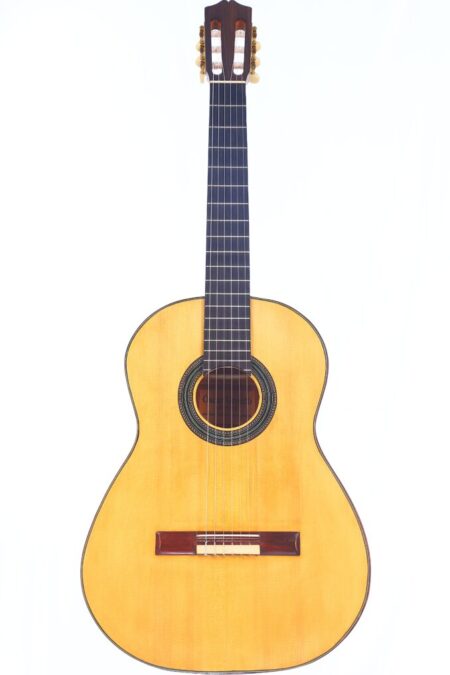
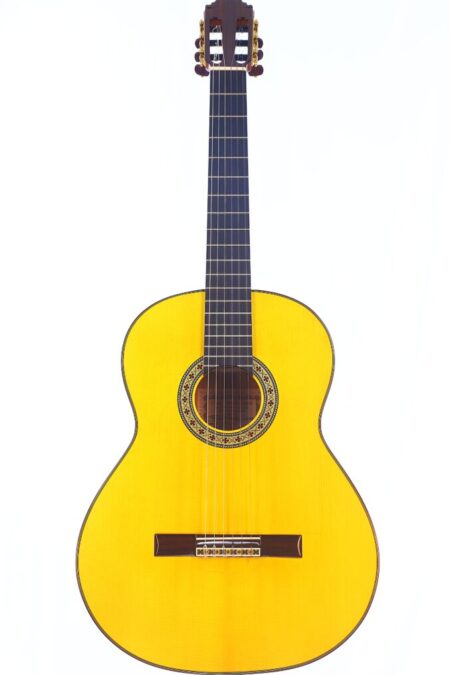
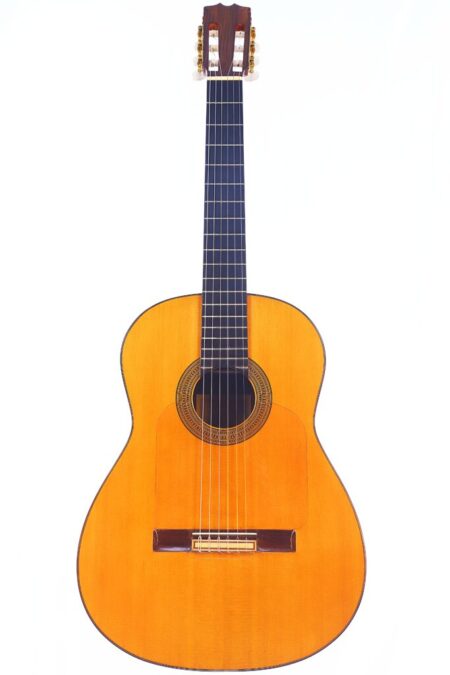
Leading Spanish manufacturers such as Conde Hermanos, Manuel Reyes, Gerundino Fernandez and Jose Ramirez produce handmade flamenco guitars. These instruments are constructed differently to classical guitars and often use special woods to achieve the powerful sound required for flamenco.
For example, most flamenco guitars have a spruce top, which provides a dynamic sound and good projection. While the Flamenco Blanca, known for its bright aesthetic, is built with cypress back and sides to produce a loud, penetrating tone, conversely, the Flamenco Negra uses darker woods such as Indian rosewood or cocobolo, which provide more sustain and projection, making it a favorite among concert players and soloists.
The Influence of Paco de Lucía
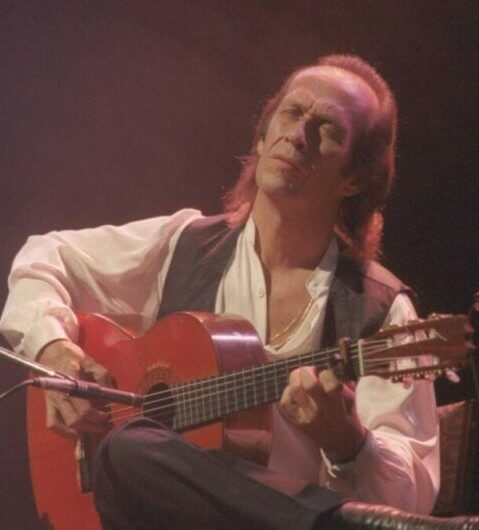
The Spanish virtuoso Paco de Lucía is often credited with awakening global interest in flamenco guitar. A non-Gypsy (payo) from Algeciras, he revolutionized the instrument in the late 20th century, inspiring a new generation of talented artists to carry flamenco into the 21st century. His innovative compositions and techniques have left an indelible mark on the genre, showcasing the guitar’s unique capabilities.
Conclusion
The history of the flamenco guitar is a rich tapestry woven with cultural influences, social struggles, and artistic evolution. From its humble beginnings as a vocal art form to its emergence as a powerful symbol of Spanish identity, flamenco guitar continues to enchant and inspire musicians and audiences worldwide. As you explore the world of flamenco guitar, remember that each note carries the weight of history, passion, and the enduring spirit of the people who created it. At Vintage Guitar World, we celebrate this legacy, offering a range of high-quality flamenco guitars for those eager to join in this timeless musical tradition.
Please check the newest Flamenco Guitars in Stock: