
Steelstring Guitars
Steel String Guitars for Every Musician – Unleash Your Sound
Explore our collection of premium steel string guitars that cater to every playing style and musical genre. Handpicked for their exceptional quality and craftsmanship, each guitar is meticulously inspected and set up for optimal performance.
Whether you’re a budding artist or a seasoned performer, our selection features renowned brands like Guild, Martin, and Gibson, as well as unique boutique models. Each instrument offers a rich, vibrant tone and superb playability, making it the perfect companion for your musical journey.
Dive into our diverse range of steel string guitars – available online with guaranteed quality and personalized service.
-

Epiphone Texan FT-79 1969 Acoustic Guitar
plus Shipping
-
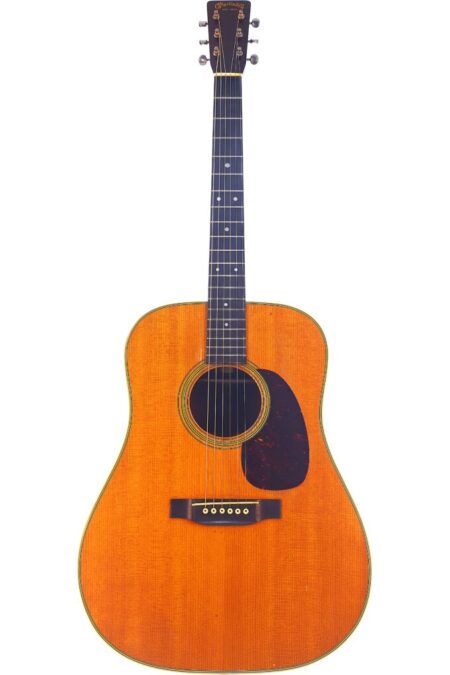
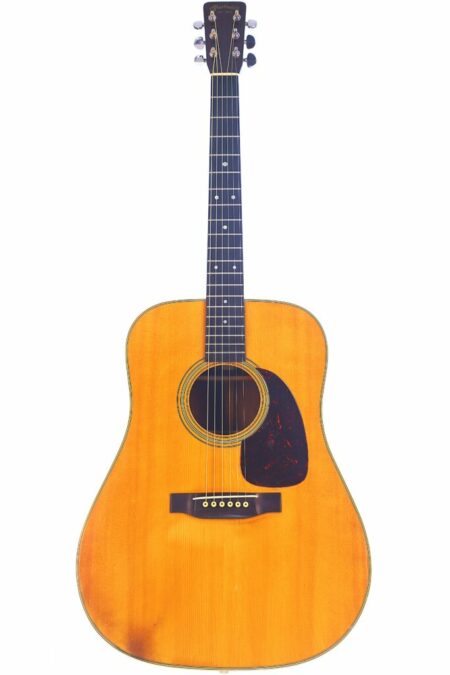
Martin D-28 1967 Acoustic Guitar
plus Shipping
-
Collings OM1 JL 2019 Acoustic Guitar
plus Shipping
-
Out of stock
Martin D-18 1965 Acoustic Guitar
-
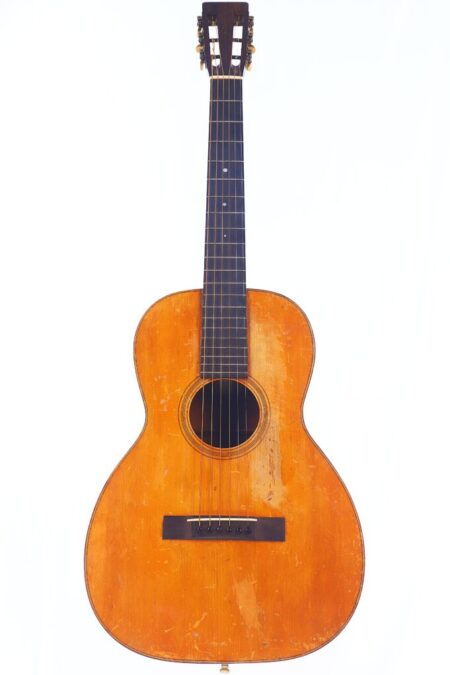
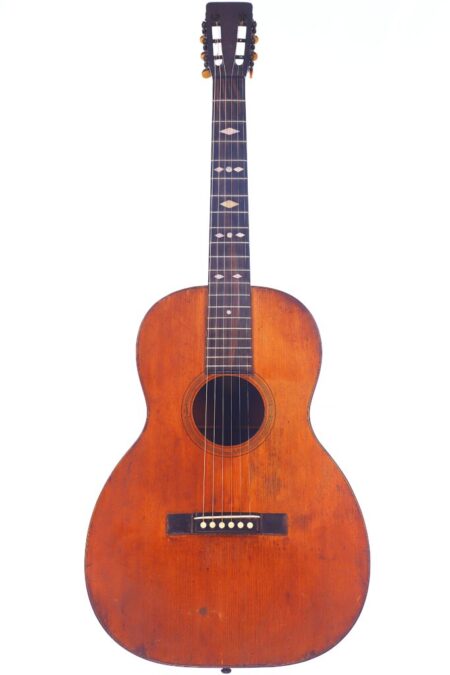
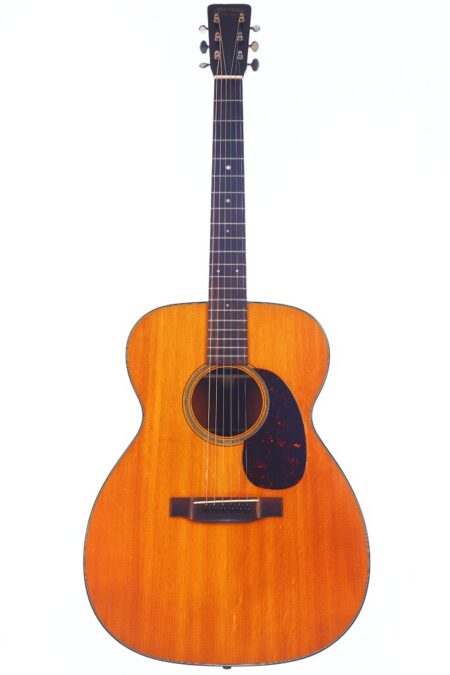
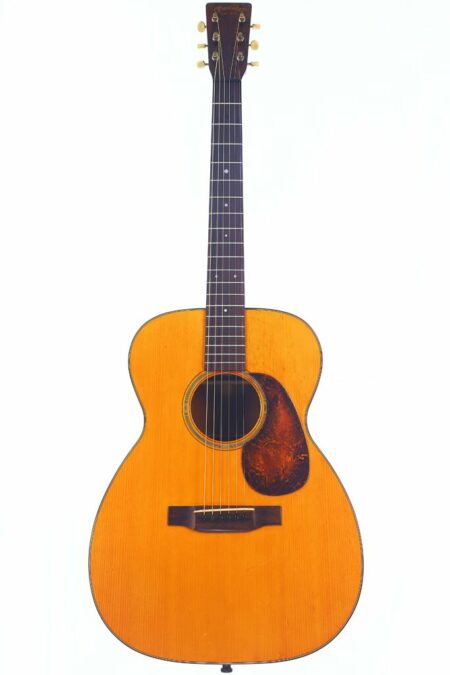
Martin 0-18 1926 Acoustic Guitar
plus Shipping
-
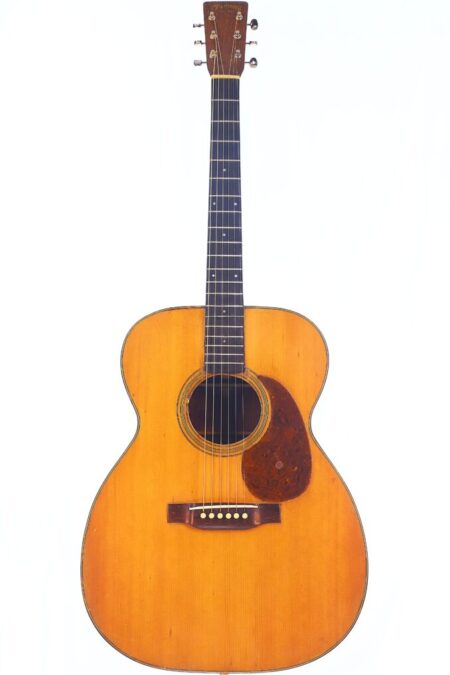
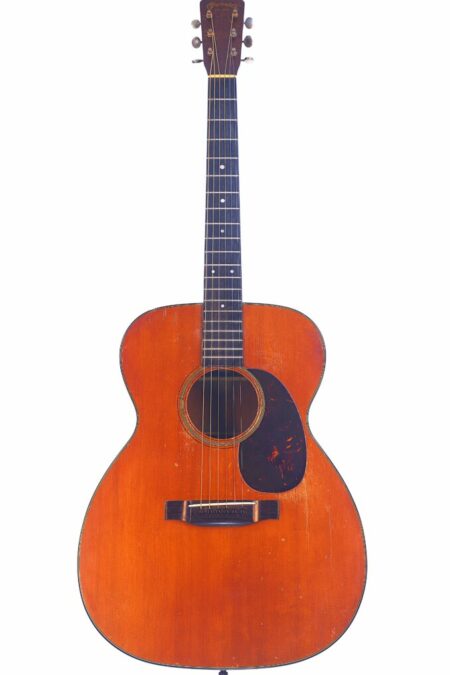
Martin 000-21 1947 Acoustic Guitar
plus Shipping
-
Out of stock
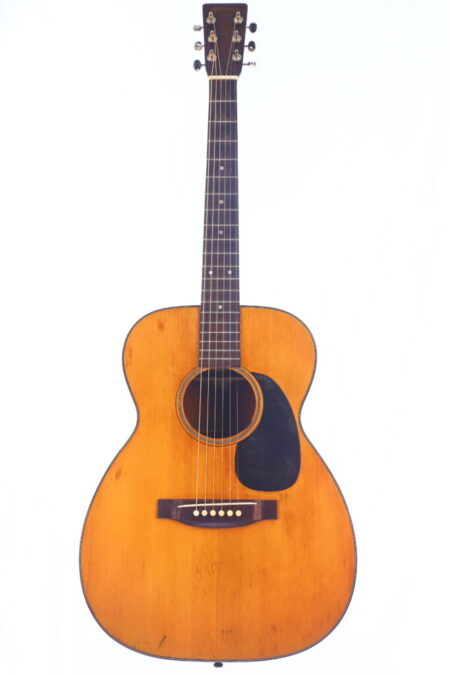
Martin 00-18 1946 Acoustic Guitar
-
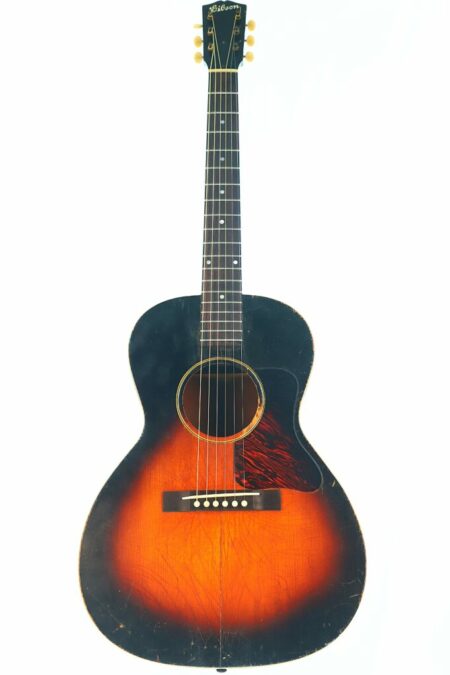
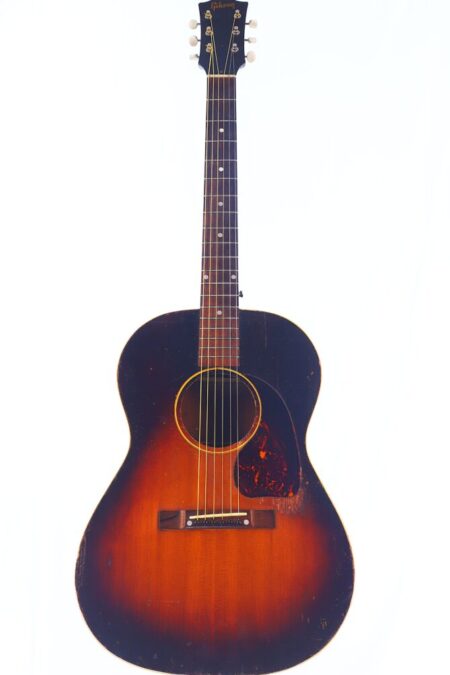
Gibson L-00 1934 Acoustic Guitar
plus Shipping
-
Out of stock
Gibson LG-1 1954 Acoustic Guitar
-
Martin 00-18 1922 Acoustic Guitar
plus Shipping
-
Out of stock
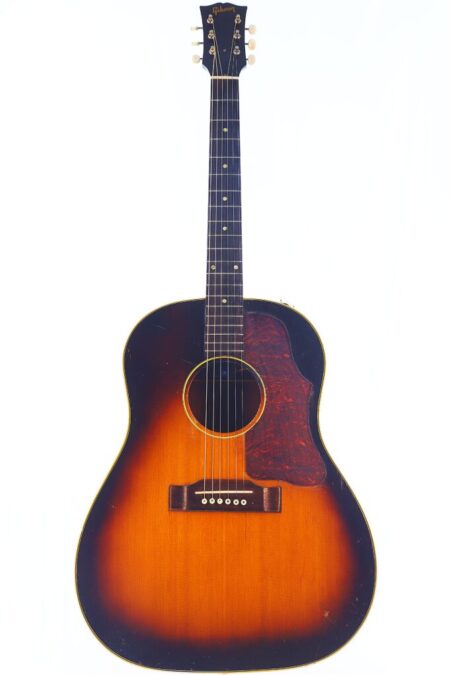
Gibson J-45 1957 Acoustic Guitar
-
Out of stock
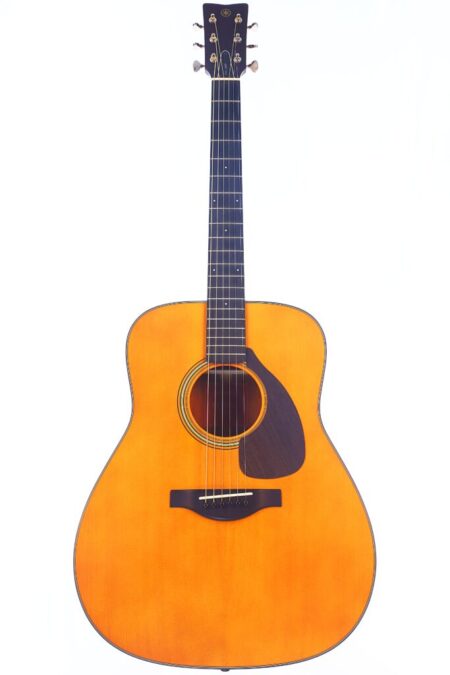
Yamaha FG5 Acoustic Guitar
plus Shipping
-
Out of stock
Martin D-35S 1988 Acoustic Guitar
-
Martin 000-21 1947 Acoustic Guitar
plus Shipping
-
Gibson LG-3 1957 Acoustic Guitar
plus Shipping
-
Martin D-28 2000 Acoustic Guitar
plus Shipping
-
Martin 000-18 1958 Acoustic Guitar
plus Shipping
-
Martin D-28 1950 Acoustic Guitar
plus Shipping
-
Martin 00-18 1944 Acoustic Guitar
plus Shipping
-
Martin D-28 1958 Acoustic Guitar
plus Shipping
-
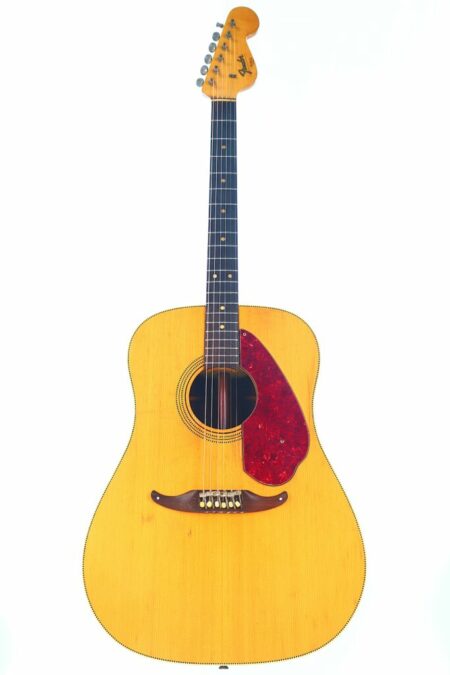
Fender Wildwood 1967 Acoustic Guitar
plus Shipping
-
Martin 000-18 1955 Acoustic Guitar
plus Shipping
-
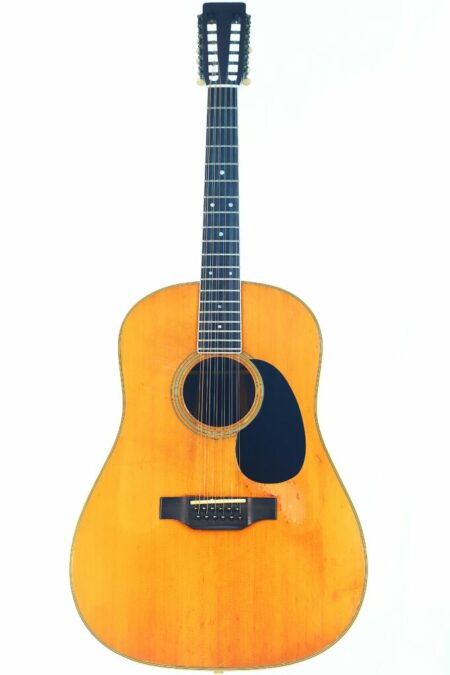
Martin D-12-35 1967 Acoustic Guitar
plus Shipping
-
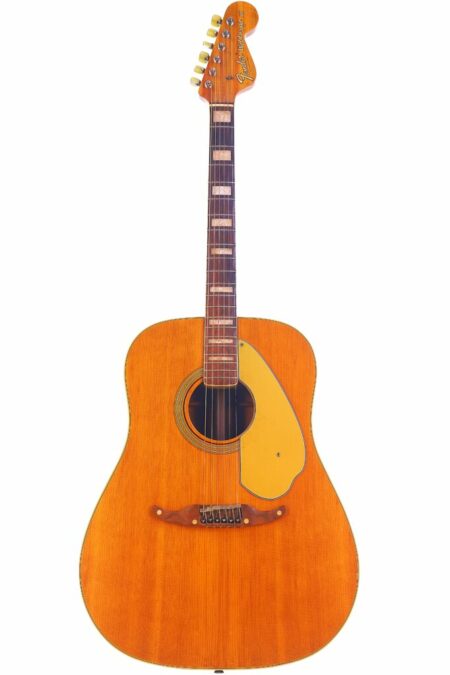
Fender King 1963 Acoustic Guitar
plus Shipping
-
Martin D-18 1953 Acoustic Guitar
plus Shipping
-
Martin 00-18 1953 Acoustic Guitar
plus Shipping
-
Santa Cruz 00-Skye Acoustic Guitar
plus Shipping
-
Gibson Hummingbird 1966 Acoustic Guitar
plus Shipping
-
Martin HD-35 1979 Acoustic Guitar
plus Shipping
-
Blazer 1995 D-45 style Acoustic Guitar
plus Shipping
-
Out of stock
Larson Brothers 0-style Maurer 1920 Acoustic Guitar
plus Shipping
-
Gibson Southern Jumbo 1955 Acoustic Guitar
plus Shipping
-
Martin OM-21 Custom 7-String Acoustic Guitar
plus Shipping
-
Martin 00-17 1944 Acoustic Guitar
plus Shipping
-
Martin 00-21 1929 Acoustic Guitar
plus Shipping
-
Guild F-50 1980 Acoustic Guitar
plus Shipping
-
Martin OM-28 1931 Acoustic Guitar
plus Shipping
-
Gibson J-50 1952 Acoustic Guitar
plus Shipping
-
Martin OM-18 OM Authentic 1933 Acoustic Guitar
plus Shipping
-
Larson Brothers Stetson 1929 Acoustic Guitar
plus Shipping
-
Out of stock
Gibson LG-2 1946 Acoustic Guitar
-
Martin D-35 1979 Acoustic Guitar
plus Shipping
-
Schertler SM Acoustic Guitar
plus Shipping
-
Gibson Mk-35 1977 Acoustic Guitar
plus Shipping
-
Gibson J-35 1939 Acoustic Guitar
plus Shipping
-
Martin D-35 1977
plus Shipping
-
Martin D-35 1966
plus Shipping
-
Out of stock
Gibson L-20 Special 1993
-
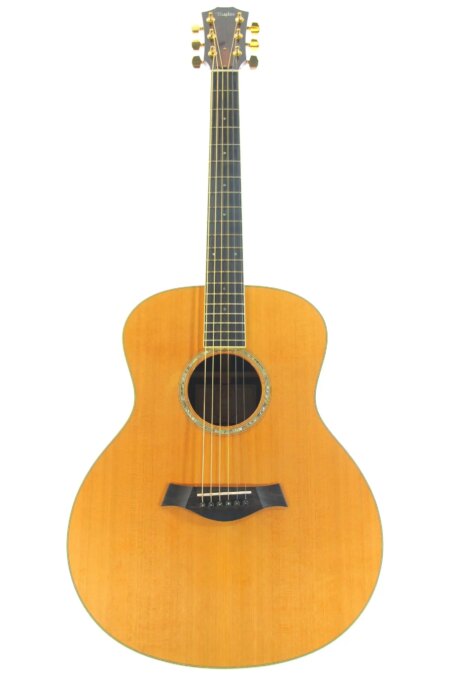
Taylor GS 8 2006 “cedar top”
plus Shipping
-
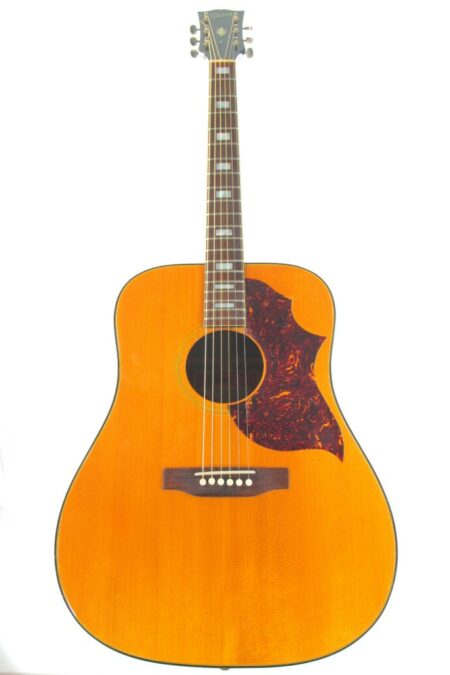
Gibson Country Western 1974
plus Shipping
-
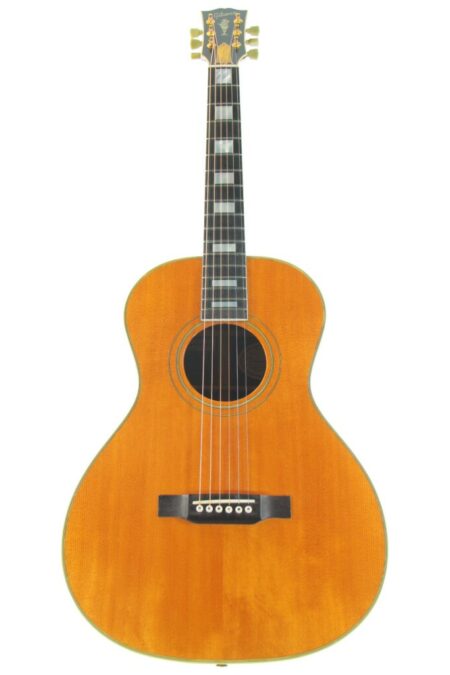
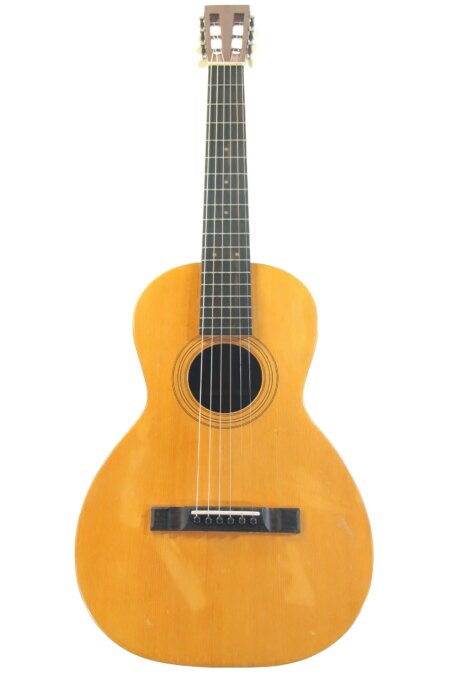
George Washburn parlor guitar ~1900
plus Shipping
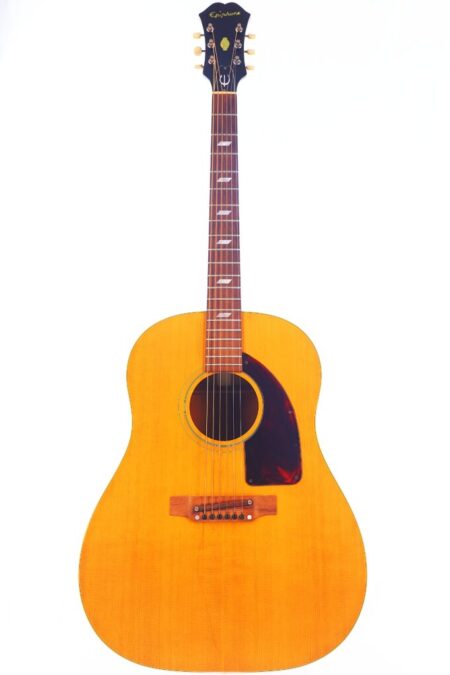
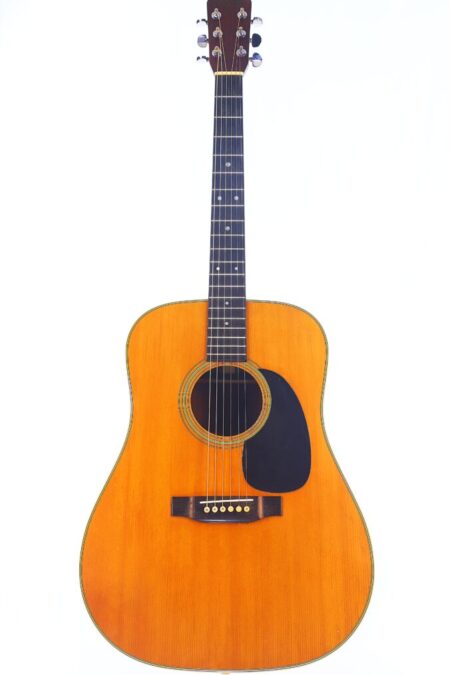
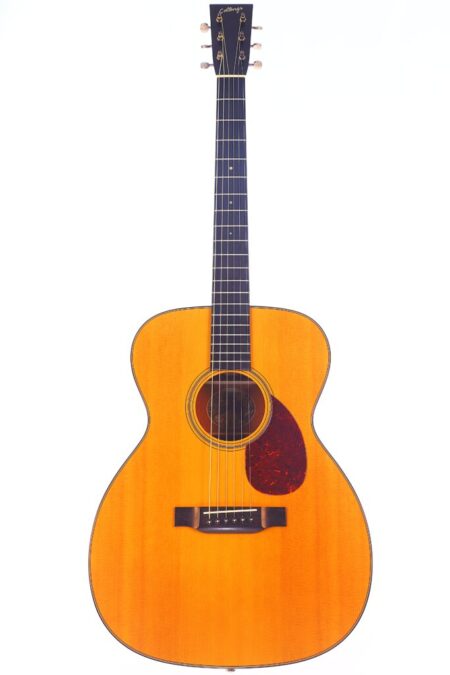
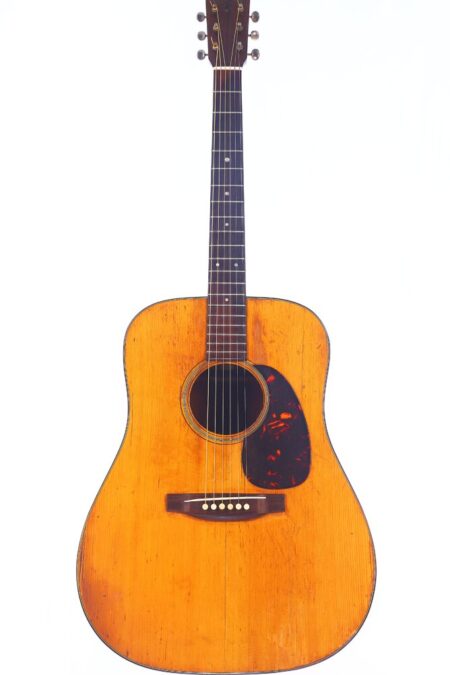
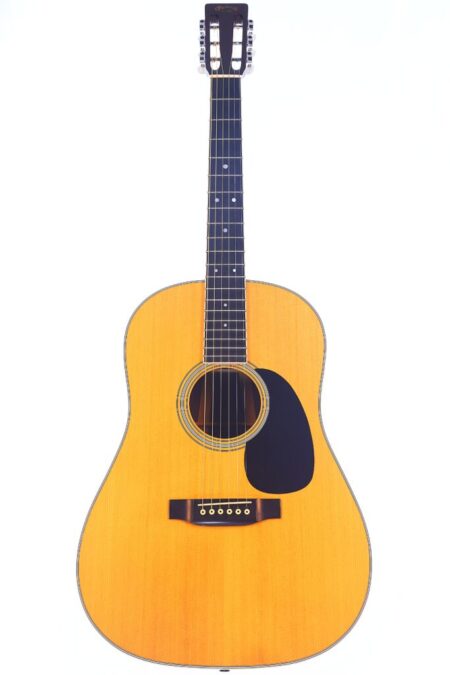
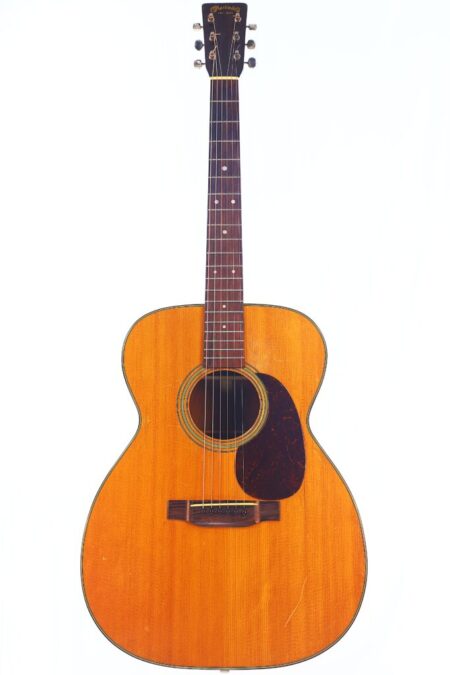
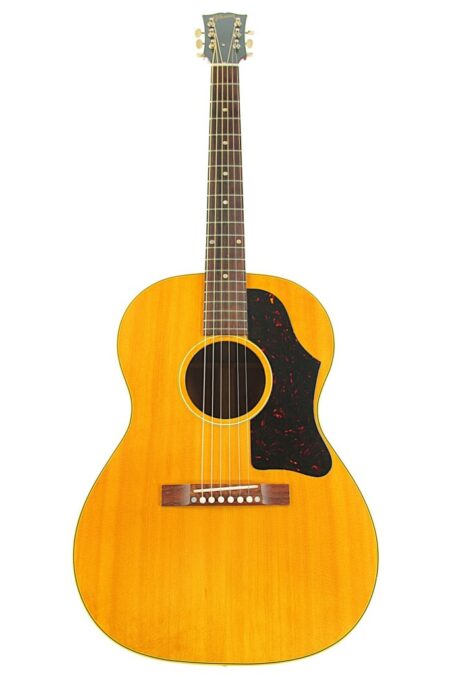
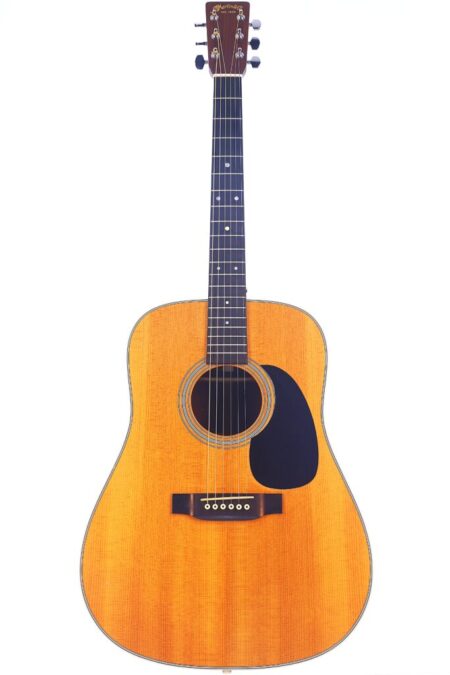
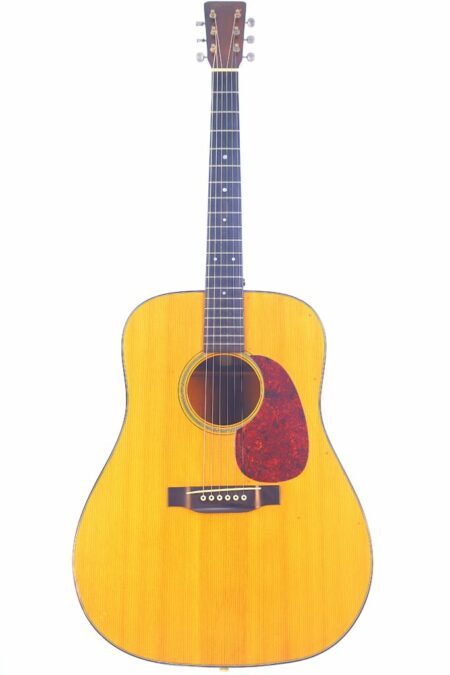
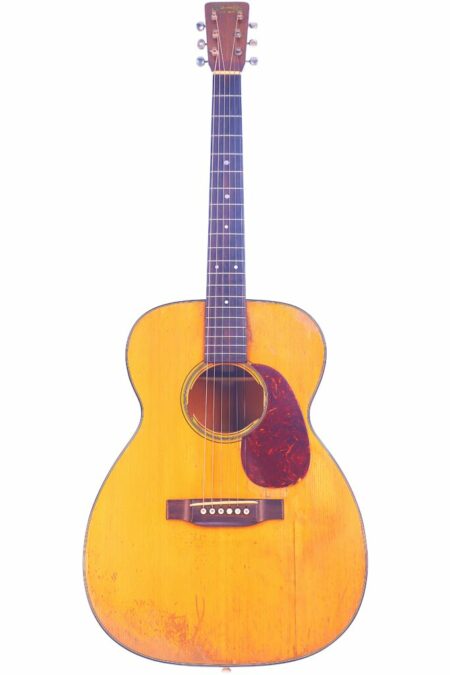
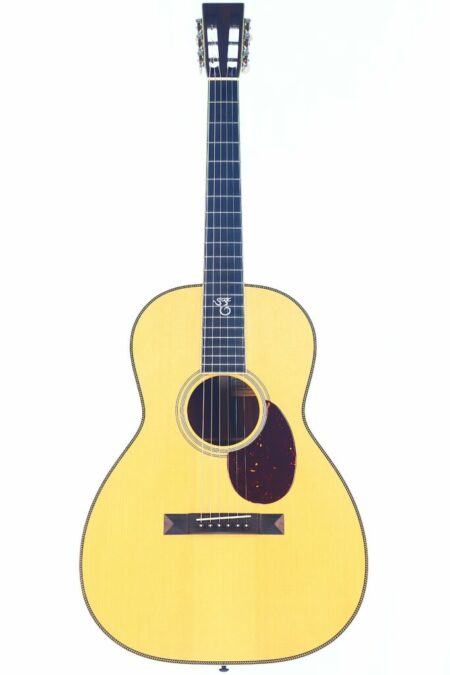

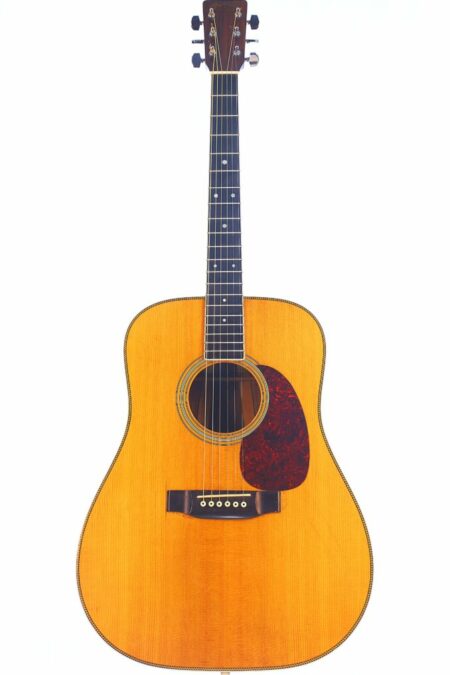
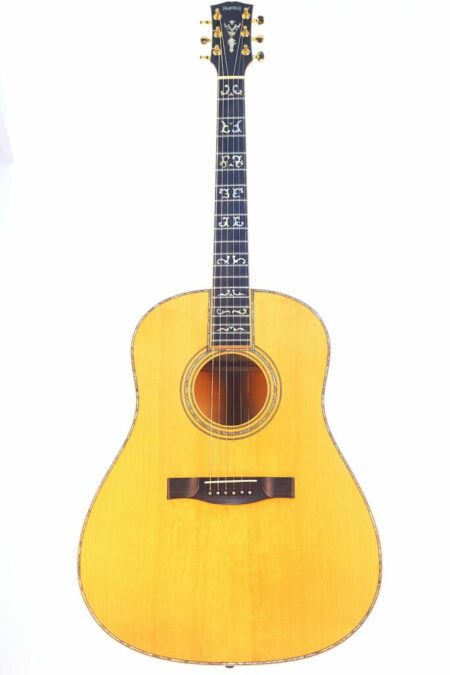
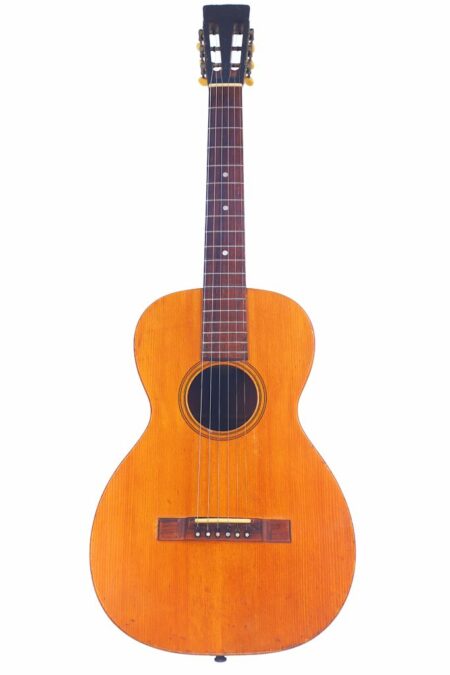
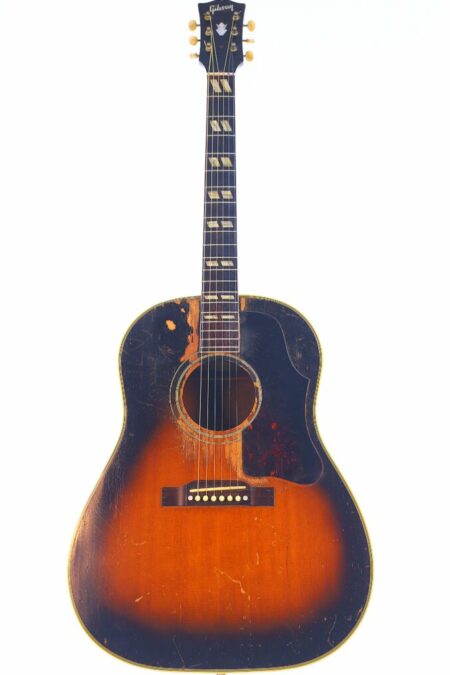
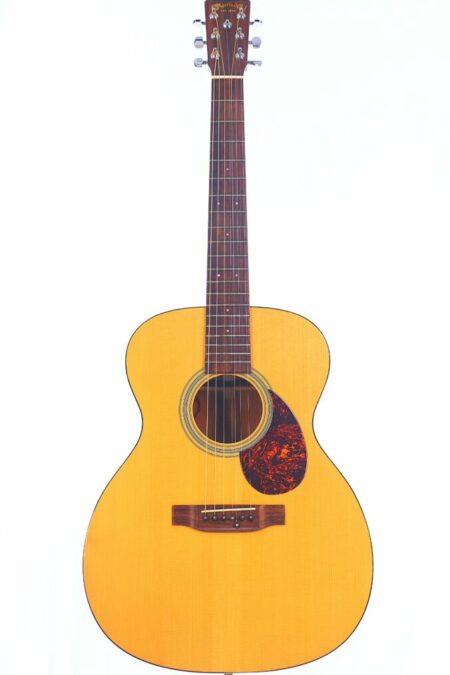
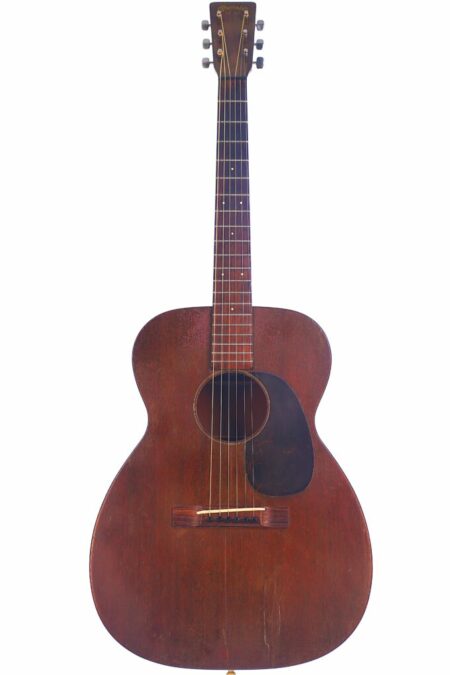
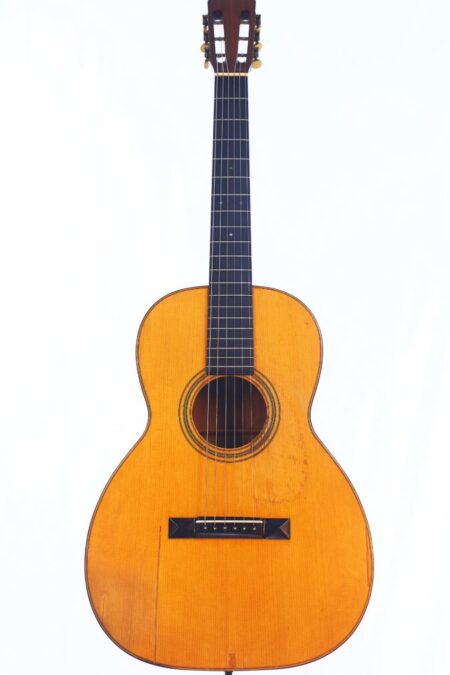
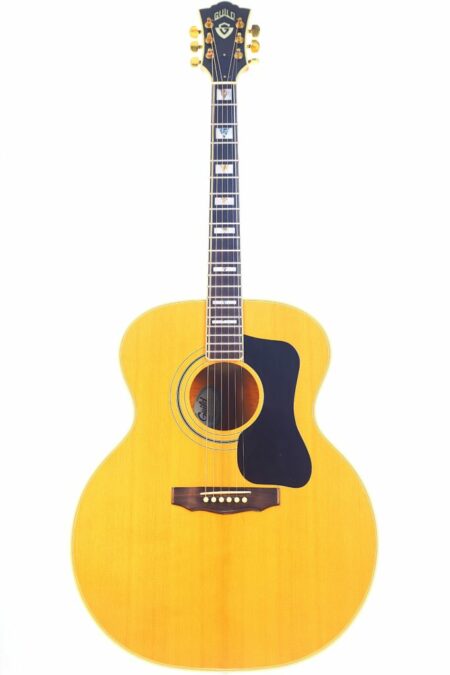


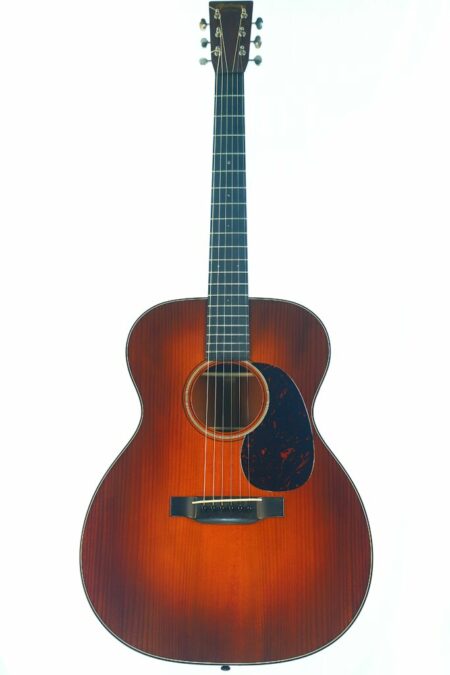

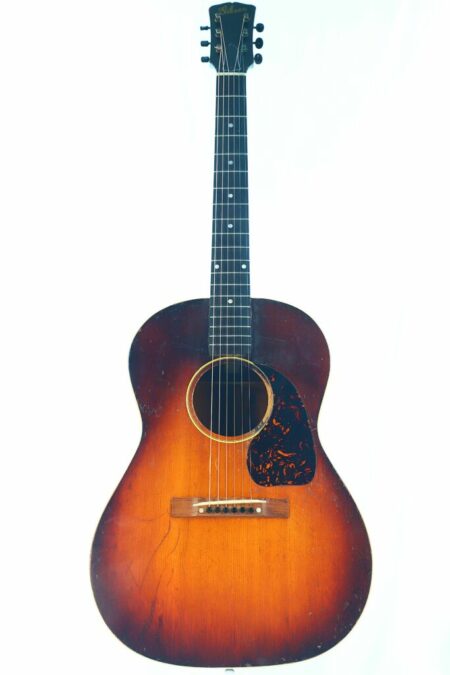
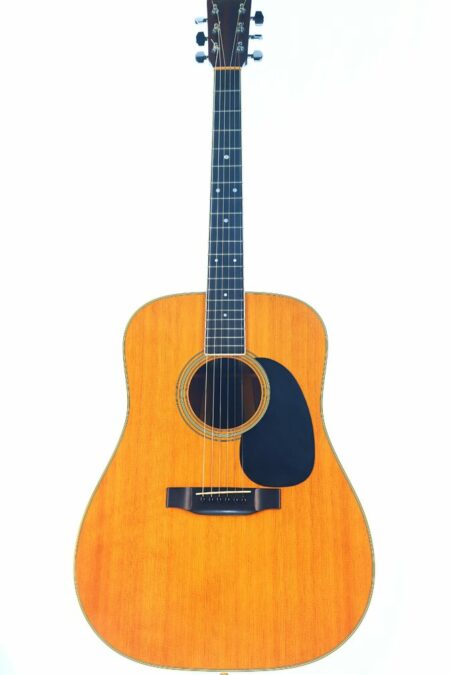
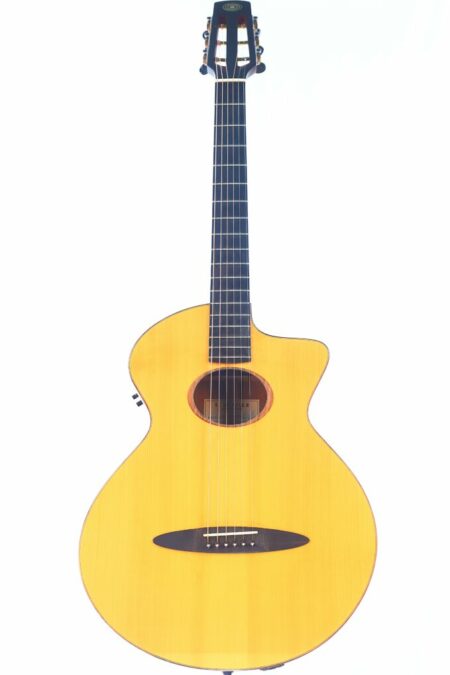
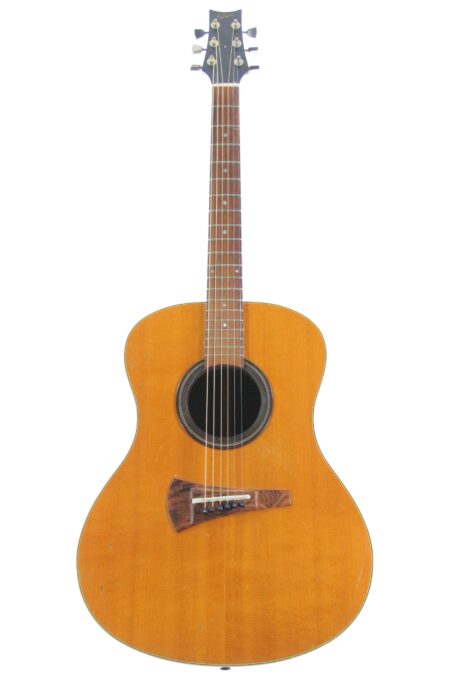


Steel String Guitars – Powerful Sound & Robust Construction for True Guitarists
What is a steel string guitar and what makes it special?
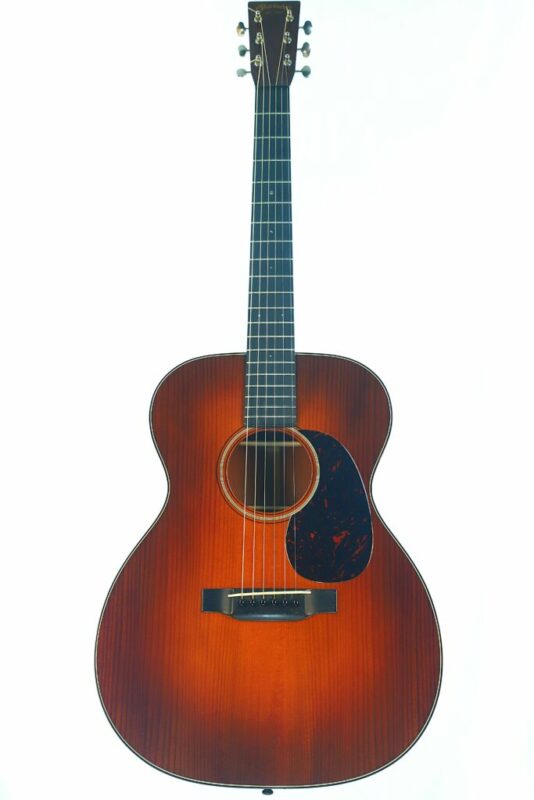
A steel string guitar is an acoustic guitar characterized by the use of steel strings instead of nylon strings. These strings give the guitar a brighter, louder sound, making it particularly suitable for musical styles such as folk, country, and singer-songwriter. The powerful tone of the steel string guitar allows for impressive rhythmic accompaniments as well as melodic solos.
Another key difference from classical guitars lies in the construction: steel string guitars typically have a larger body, which provides better sound projection. Additionally, the strings and neck are tighter, influencing the playing style. While classical guitars are primarily equipped with nylon strings and offer a softer, warmer sound, the steel string guitar is known for its clear and piercing tones. These features make the steel string guitar a popular instrument for many musicians seeking a versatile and powerful sound.
Construction & Materials – The Ingredients for the Typical Steel String Guitar Sound
The construction and materials of a steel string guitar are crucial for its characteristic sound. Typical body shapes like Dreadnought and Jumbo offer great tonal fullness and volume, making them ideal for various music styles. The top is often made of spruce or sometimes cedar, known for their excellent sound properties, while the back and sides are frequently crafted from rosewood or mahogany, adding depth to the sound and making it warmer and fuller.
Additional details such as the neck truss rod are essential for the stability of the neck and the playability of the guitar. The fretboard, usually made from rosewood or ebony, provides a comfortable feel and durability. Many steel string guitars are also equipped with pickups that allow for electric amplification and optimize the sound in live situations. This careful selection and processing of materials contribute to the unique sound quality and playability of the steel string guitar.
Vintage Steel String Guitars – For Lovers of Sound History
Vintage steel string guitars are particularly appealing to enthusiasts of sound history and traditional craftsmanship. Used models offer several advantages, including an authentic look and a well-played tone that often develops only over time. These guitars carry years of experience and deliver a richness of sound that newer instruments often lack. Additionally, they serve as collectible items and investments.
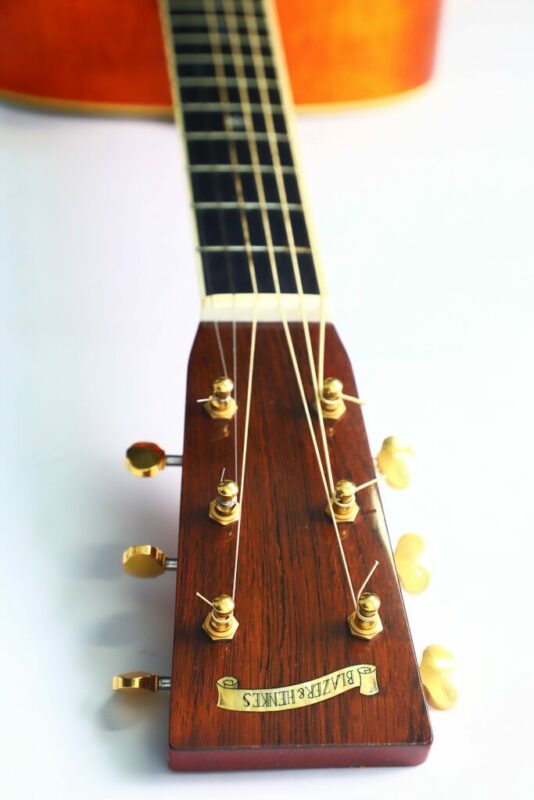 The tradition of renowned manufacturers like Martin and Gibson has given these vintage models their special status. These brands stand for quality and innovation in guitar making, reflected in the durability and sound of their instruments.
At Vintage Guitar World, we ensure that each guitar is carefully inspected and made ready to play before it goes on sale. Our guitar builder guarantees that these treasures are not only visually appealing but also acoustically in excellent condition, allowing you to enjoy their full sonic potential.
Steel String Guitar vs. Classical Guitar – The Key Differences
The shape is a significant difference between steel string guitars and classical guitars. Steel string guitars usually have a larger body that produces a louder and brighter sound, while classical guitars have a smaller, rounder shape known for its softer and warmer tone.
Steel string guitars are equipped with steel strings that provide higher tension, while classical guitars use nylon strings, which are gentler to play. This also affects the playing experience: steel string guitars are excellent for folk and rock, while classical guitars are ideal for classical music.
For folk and singer-songwriter enthusiasts, the steel string guitar is often the best choice, while classical guitarists tend to prefer the classical guitar. Explore our selection of Acoustic Guitars and Spanish Guitars as well.
Frequently Asked Questions about Steel String Guitars
| Question | Answer |
|---|---|
| What is special about a steel string guitar? | Steel string guitars are distinguished by their steel strings and larger body shape, producing a bright, loud sound. They are ideal for genres like folk, country, and rock. |
| What is the difference between a steel string guitar and a classical guitar? | The main difference lies in the strings: steel string guitars use steel strings, while classical guitars have nylon strings. This greatly affects sound and playability. |
| Where does the name "steel string guitar" come from? | The name "steel string guitar" derives from the use of steel strings, which became popular in the western music scene, particularly in the USA, where they are used in folk and country music. |
| Who developed steel string guitars? | The development of the steel string guitar is often attributed to American guitar builder C.F. Martin, who began making these instruments in the 1850s. |
| How are steel string guitars rooted in American culture? | Steel string guitars are a central element of American musical tradition, especially in folk, country, and blues, embodying the spirit of the American West. |
| Did the steel string guitar evolve from Spanish guitar making? | Yes, the steel string guitar has roots in Spanish guitar making, but it was further developed in the USA in the 19th century to produce a more powerful sound. |