
Spanish Guitars
-

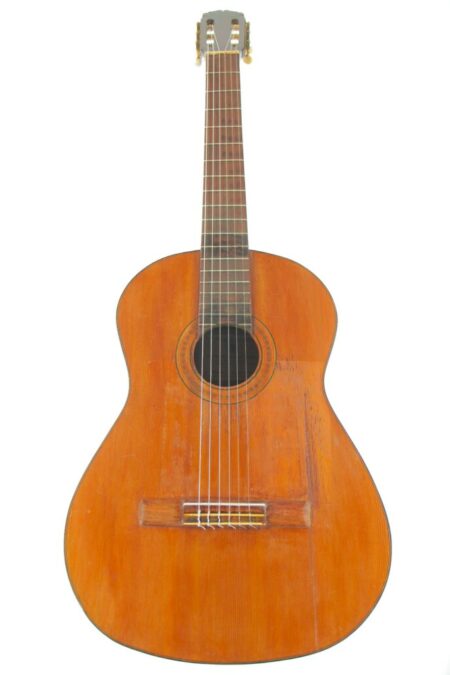
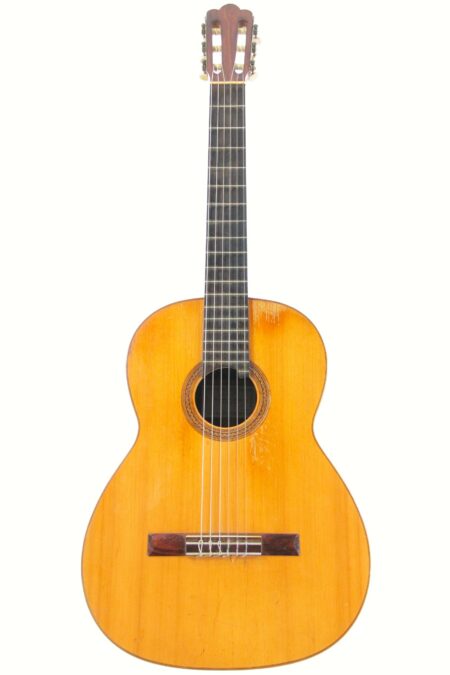
Hijos de Gonzalez ~1890
plus Shipping
-
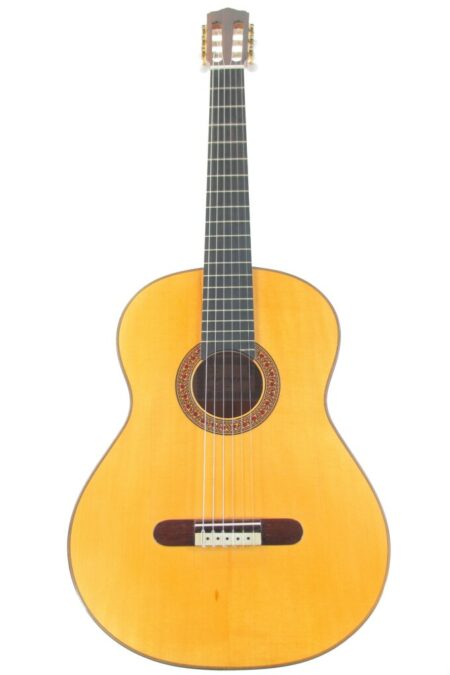
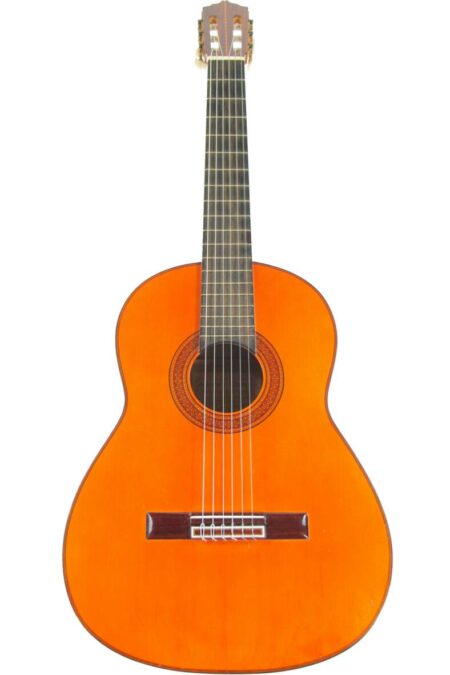
Francisco Pau ~1890
plus Shipping
-
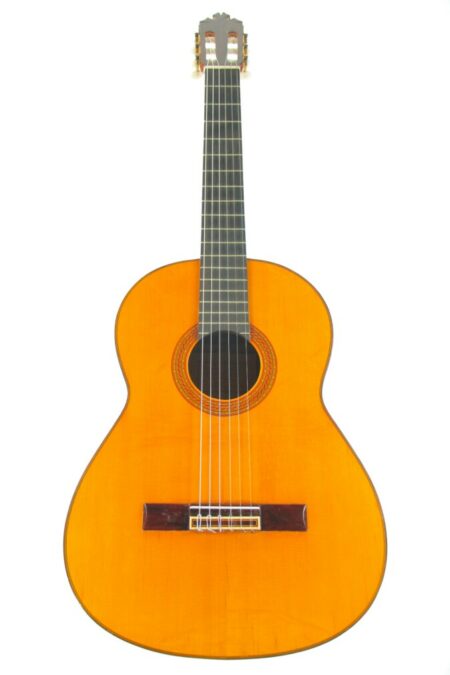
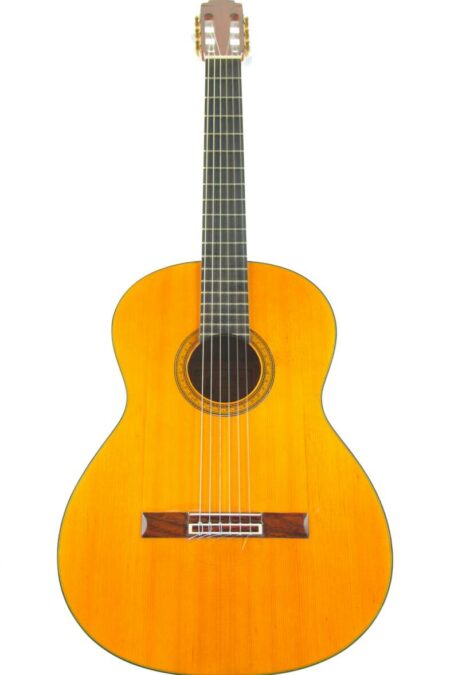
Jose Ramirez 1925
plus Shipping
-
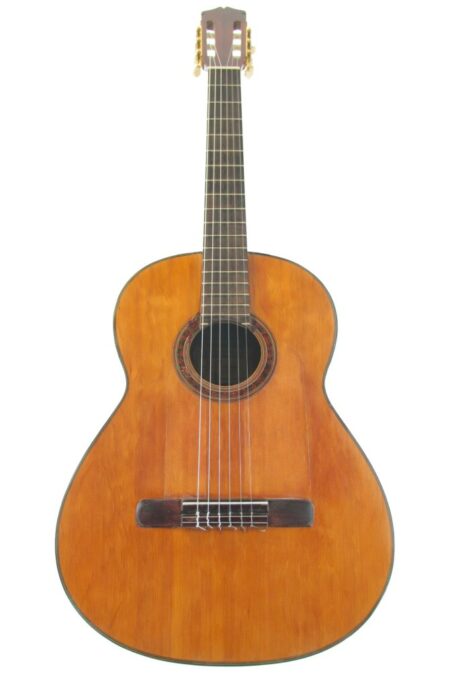
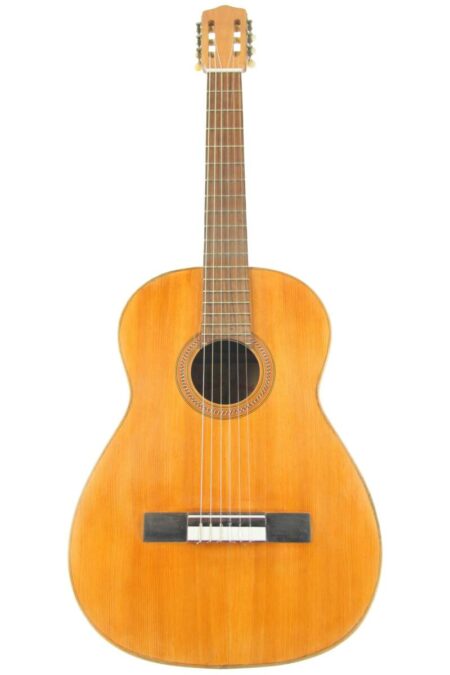
Miguel Garcia Cabezas 2005
plus Shipping
-
Juan Fernandez Utrera 2015
plus Shipping
-
Out of stock
Hermanos Conde 1994 media luna 12-string “Negra” Flamenco Guitar
-
Casa Lorenzo Alvarez 1989
plus Shipping
-
Sale!
Yuichi Imai 1982
plus Shipping
-
Jose Ramirez 1a 1966 “P.C.”
plus Shipping
-
Juan Pages 1813
plus Shipping
-
Modesto Borreguero 1928
plus Shipping
-
Jose Yacopi 1975
plus Shipping
-
Jeronimo Pena 1967
plus Shipping
-
Domingo Esteso 1926
plus Shipping
-
Jose Yacopi 1984
plus Shipping
-
Vicente Arias 1901
plus Shipping
-
Viuda y Sobrinos de Domingo Esteso 1946 (Conde Hermanos)
plus Shipping
-
Arturo Sanzano 2019
plus Shipping
-
Francisco Munoz Alba 2014
plus Shipping
-
Sale!
Jose Lopez Bellido 1971
plus Shipping
-
Jose Ramirez 1a 1966 M.M.
plus Shipping
-
Arcangel Fernandez 1961
plus Shipping
-
Benito Ferrer 1909
plus Shipping
-
Gerundino Fernandez 1970
plus Shipping
-
Jose Alberto Pantoja Martin 1968
plus Shipping
-
Miguel Molero 2012
plus Shipping
-
Sale!
Antonio Ariza 1974
plus Shipping
-
Francisco Manuel Diaz Flamenco
plus Shipping
-
Joachim Schneider 2007
plus Shipping
-
Emilio Fernandez 2017
plus Shipping
-
Andres Martin 1966
plus Shipping
-
Luis Arostegui Granados 1981
plus Shipping
-
Juan Alvarez 1973
plus Shipping
-
Tomas Leal classical
plus Shipping
-
Viuda y Sobrinos de Domingo Esteso 1956 (Conde Hermanos)
plus Shipping
-
Patrick Hopmans 1999
plus Shipping
-
Antonio de Torres 1863 “Enrique Garcia 1913”
plus Shipping
-
Maximiano Fontiveros 1983
plus Shipping
-
Hermanos Vera 1969
plus Shipping
-
Marcelo Barbero 1936 “Bandurria”
plus Shipping
-
Out of stock
Viuda y Sobrinos de Domingo Esteso “Faustino Conde” Negra 1960
-
Out of stock
Modesto Borreguero 1955
-
Arcangel Fernandez 1958
plus Shipping
-
Ignacio Martorell Casasnovas ~1905
plus Shipping
-
Manuel Romero Macias 1990
plus Shipping
-
Jose Ramirez 1946 Flamenco
plus Shipping
-
Jose Luis Marin/Domingo Garcia Cabellos 2003
plus Shipping
-
Ricardo Sanchis Carpio 1980
plus Shipping
-
Pedro de Miguel 1992
plus Shipping
-
Out of stock
Josef Benedid 1834
-
Antonio Pisa 2017
plus Shipping
-
J. Cortes ~ 1900
plus Shipping
-
Jeronimo Pena 1959 Flamenco
plus Shipping
-
Juan Conejo Cebrián 2008
plus Shipping
-
Manuel Rodriguez Sr. 1958
plus Shipping
-
Gerundino Fernandez “Mariano Mangas” 1995
plus Shipping
-
Lucien Gelas 1956 “double top”
plus Shipping
-
Stauffer style ~1880
plus Shipping
-
Alfonso Checa 1975
plus Shipping
-
Manuel Contreras 1977 Flamenco
plus Shipping
-
Antonio Lopez Martin 1939
plus Shipping
-
Francisco Sanchez 2015 “negra”
plus Shipping
-
José Ruiz Pedregosa 2012
plus Shipping
-
Jose Yacopi 1970’s
plus Shipping
-
Hermanos Estruch ~1905
plus Shipping
-
Pedro Maldonado 1993
plus Shipping
-
Juan Alvarez Y-20CA 2015
plus Shipping
-
Antigua Casa Nunez 1957
plus Shipping
-
Enrique Sanfeliu ~1915
plus Shipping
-
Ricardo Sanchis Nacher ~1945 Flamenco
plus Shipping
-
Hirohiko Hirose Tasuhiko model 10 1978
plus Shipping
-
Modesto Borreguero 1944
plus Shipping
-
Alfonso Checa 1977 Flamenco
plus Shipping
-
Maximiano Fontiveros 1983
plus Shipping
-
Ricardo Sanchis Nacher ~1950 classical guitar
plus Shipping
-
Anton Sandner 1984
plus Shipping
-
Juan Estruch “Chet Atkins” yellow label 1976
plus Shipping
-
Julio Conde 1991 (Hermanos Conde)
plus Shipping
-
Jose Lopez Bellido 1982 Flamenco
plus Shipping
-
Out of stock
Asturias Model 500 M. Matano
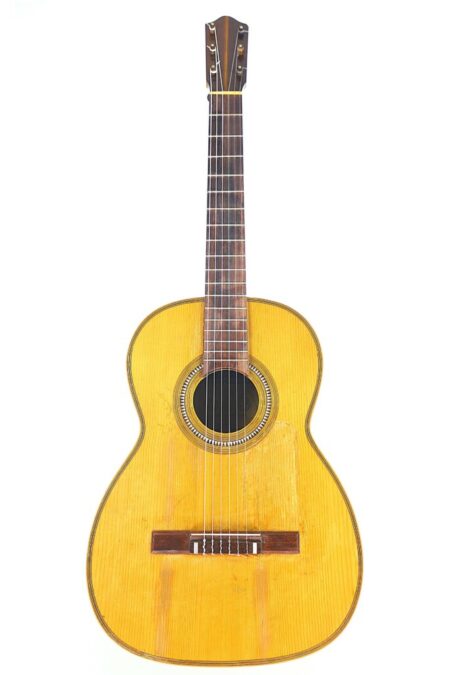


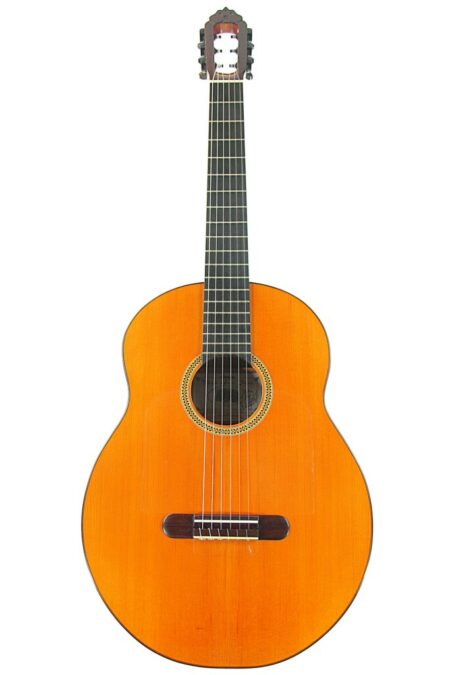
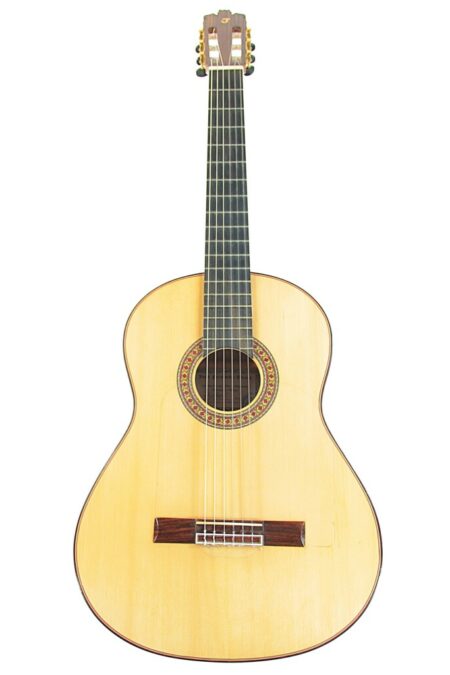

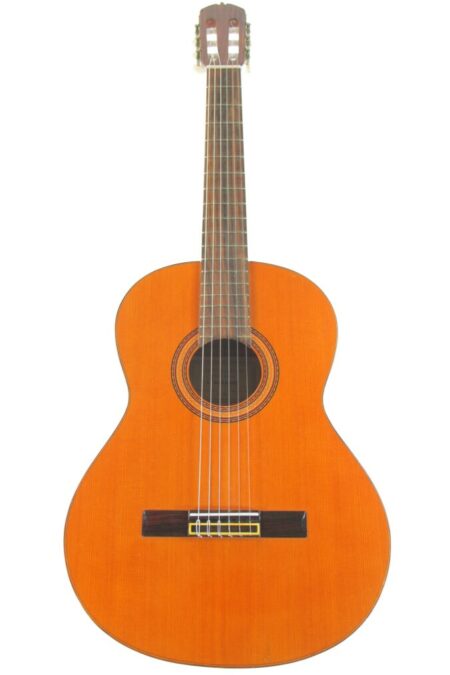
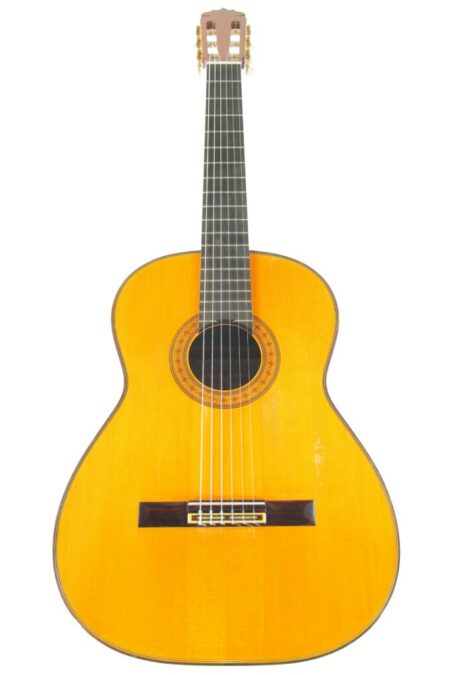

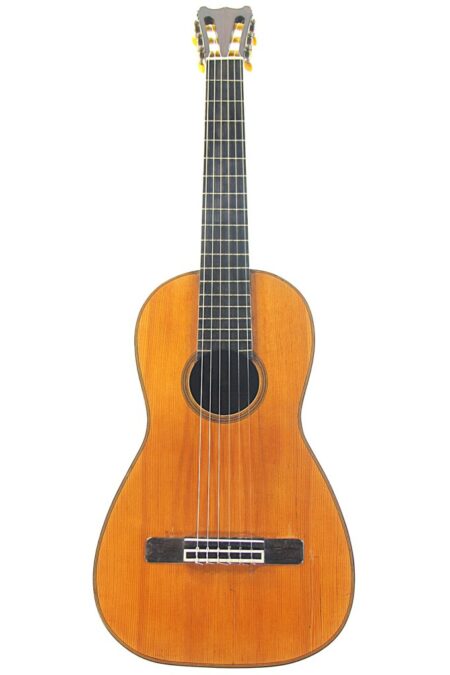
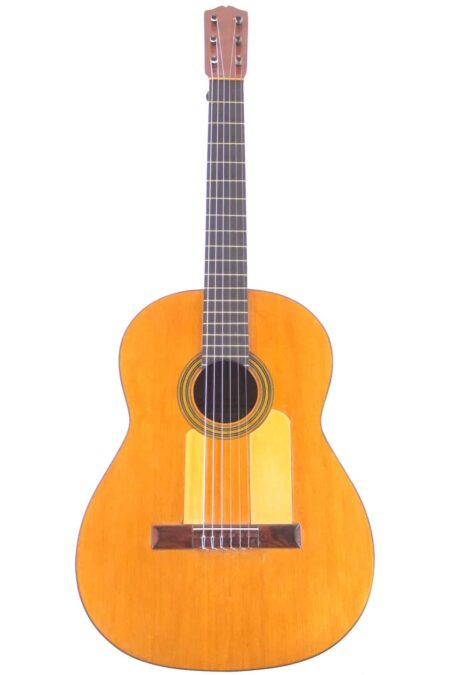
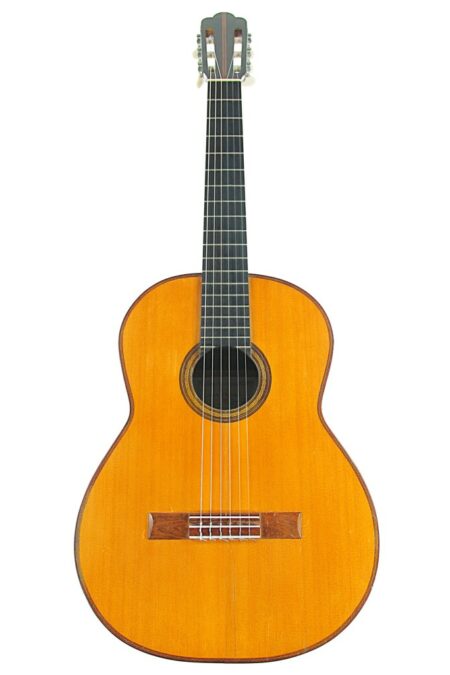
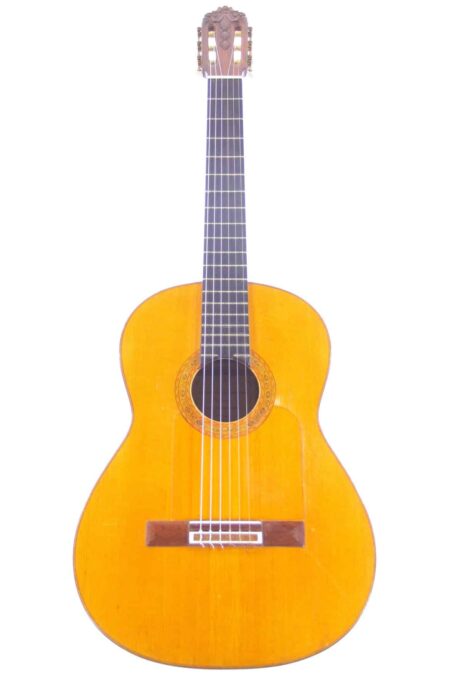
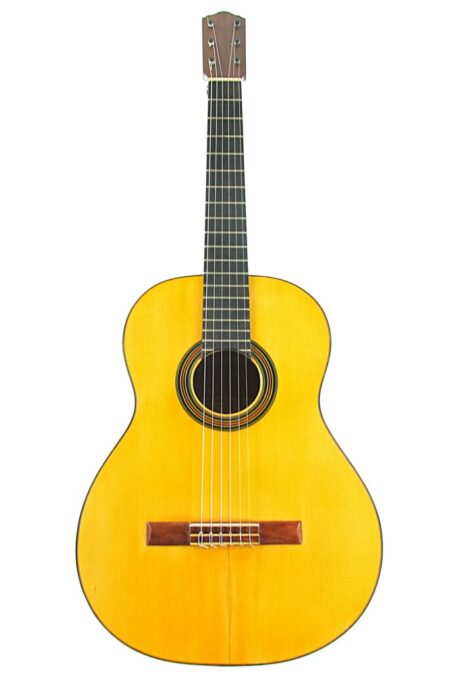
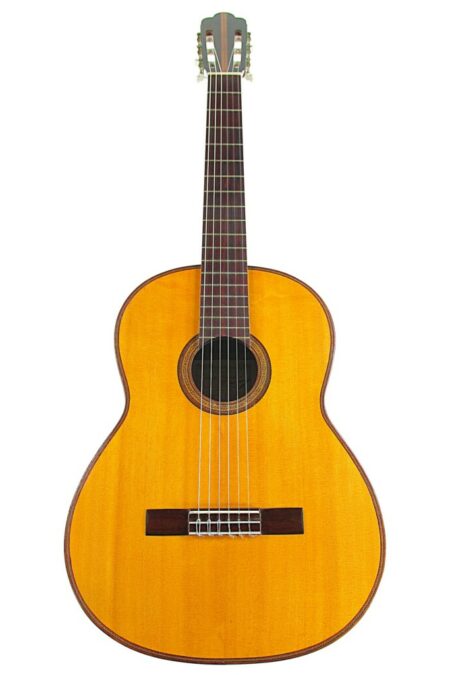
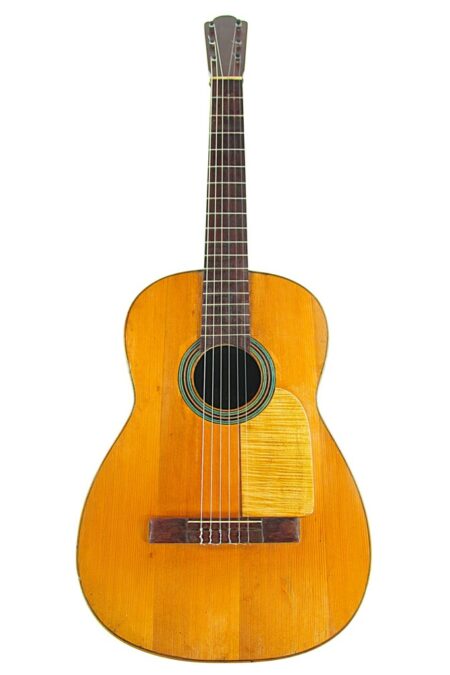
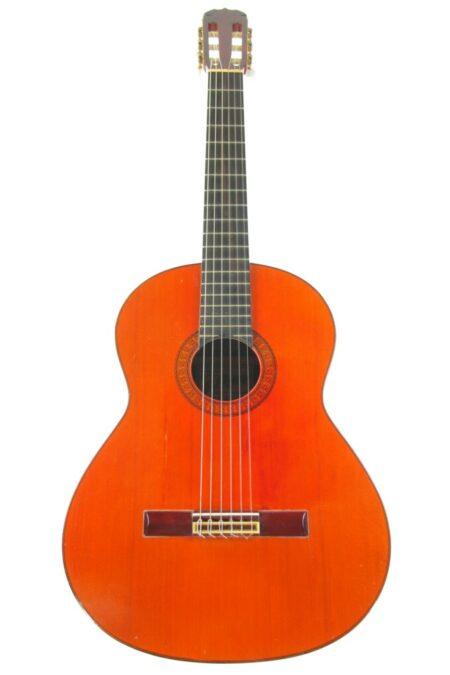
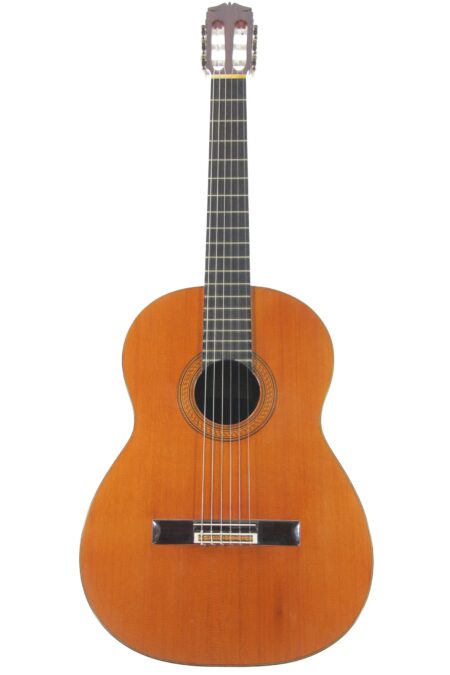
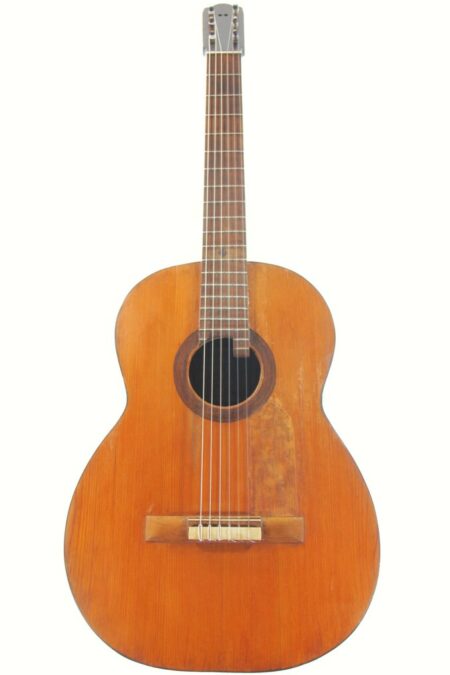
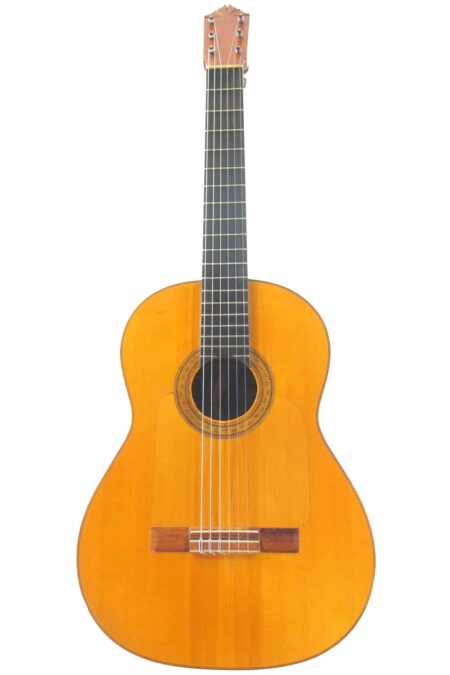
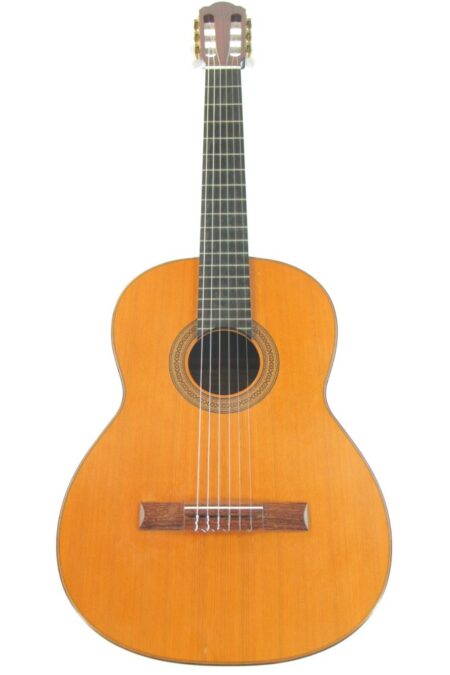

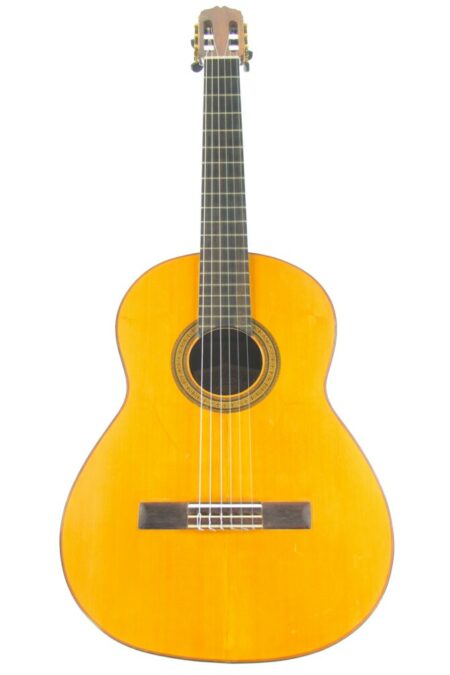
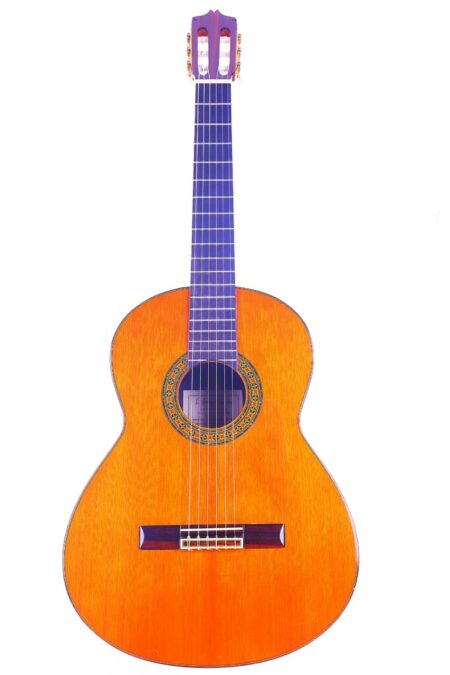
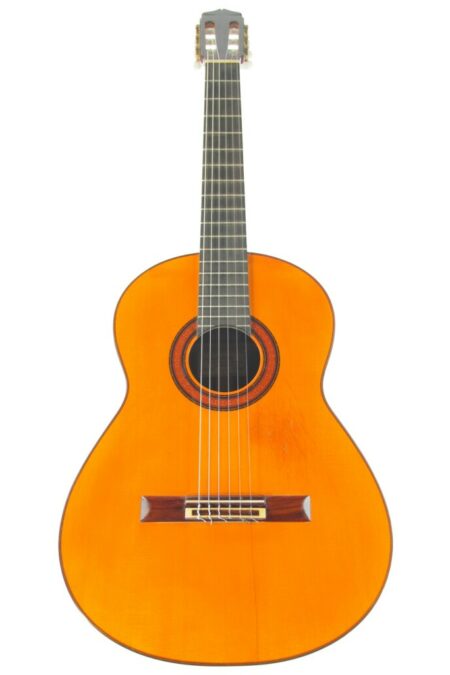
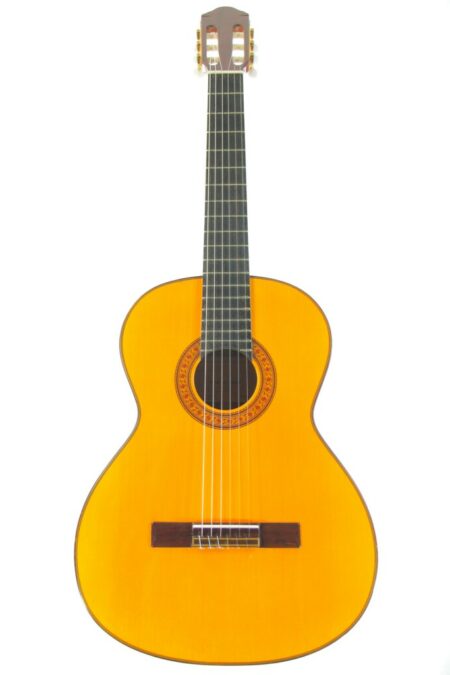
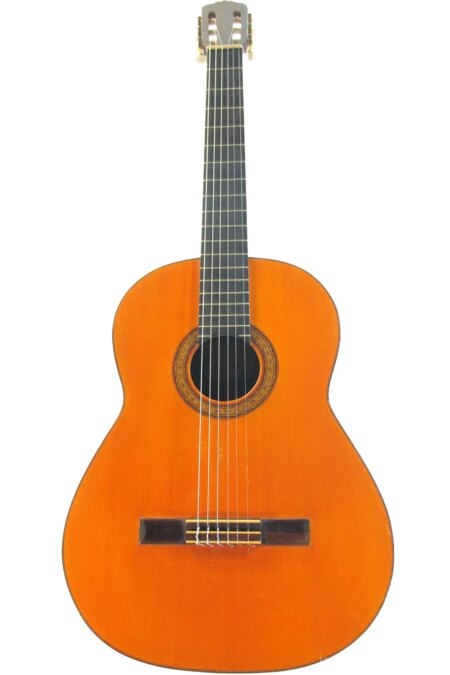
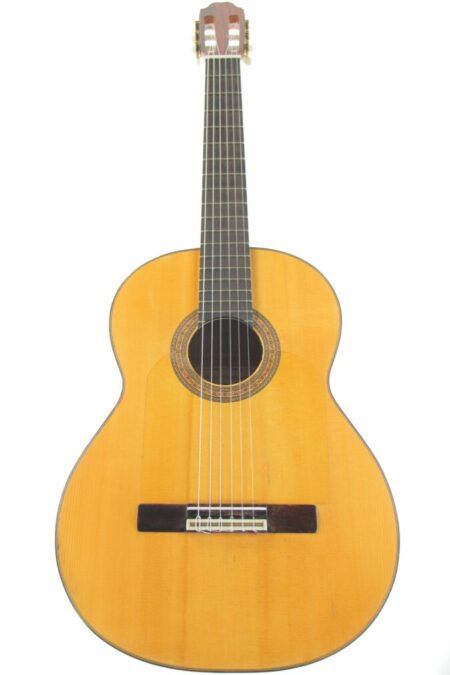
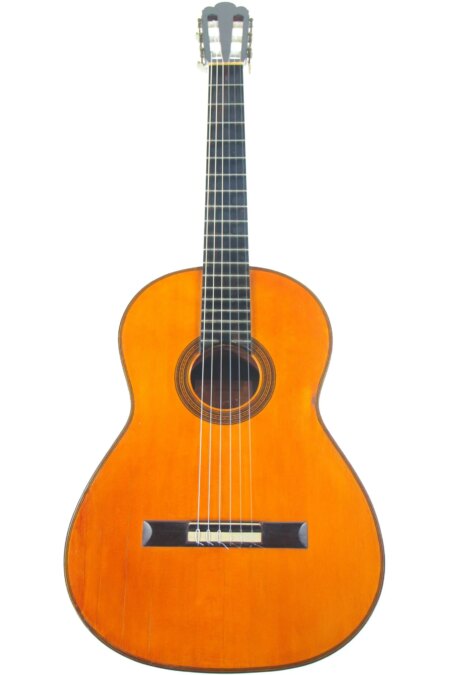
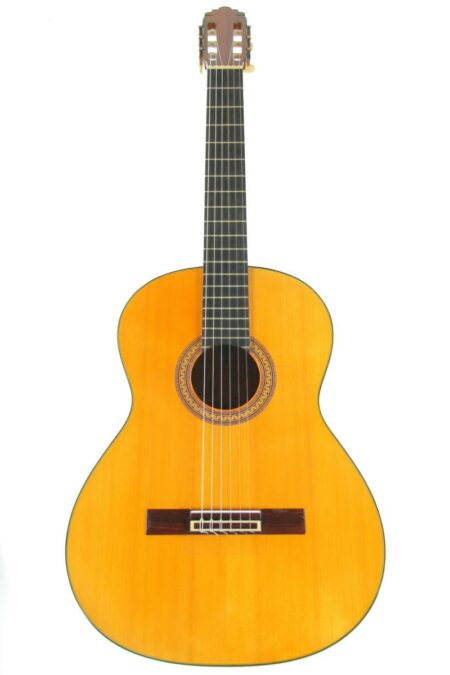
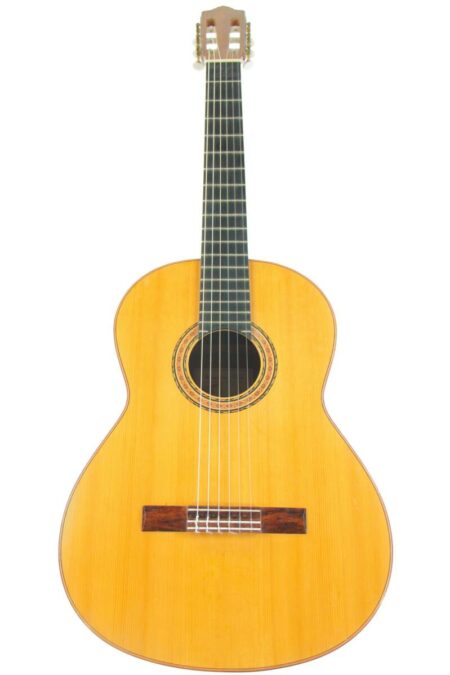
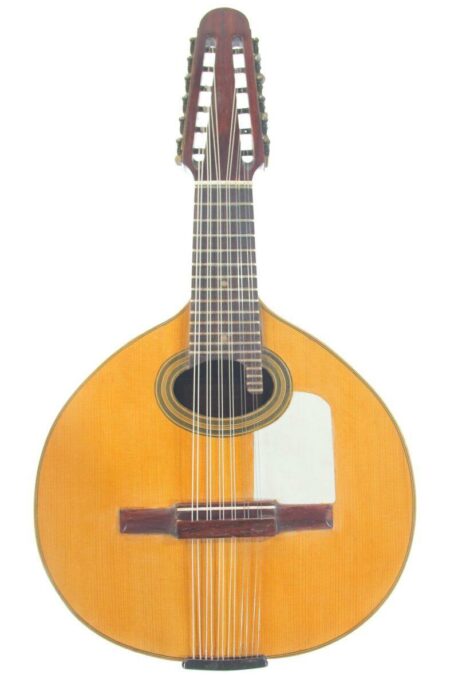
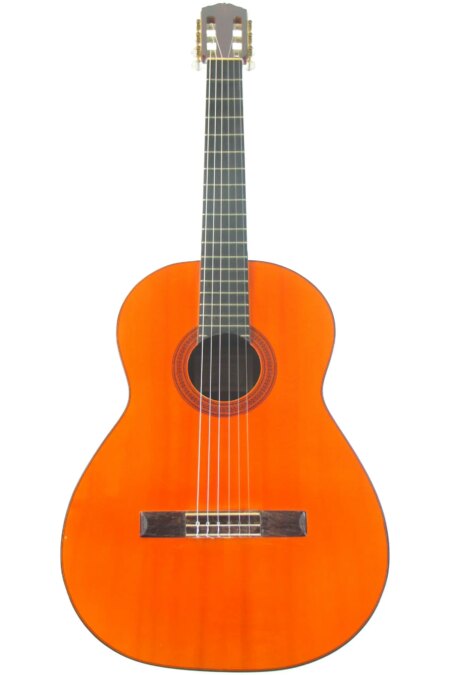
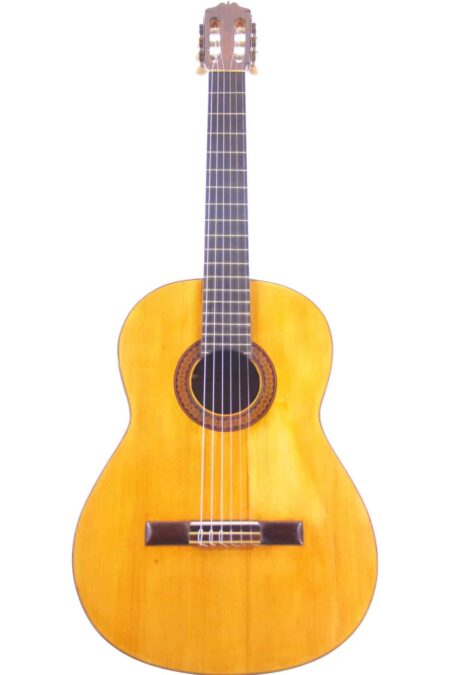
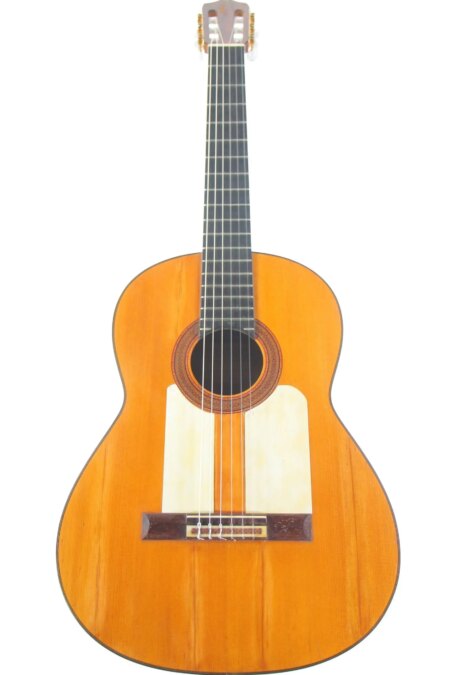
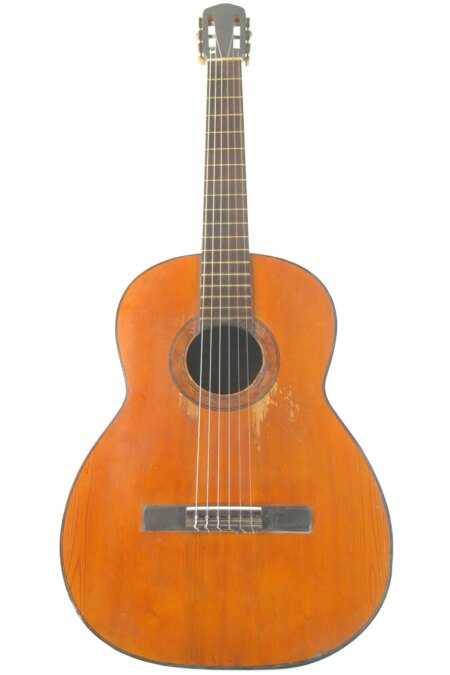
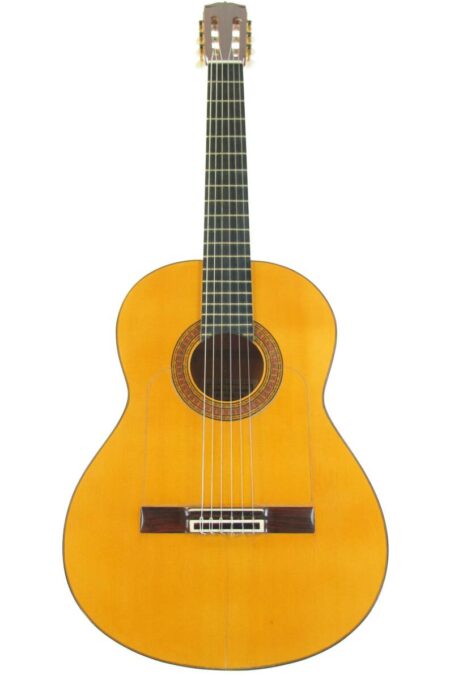
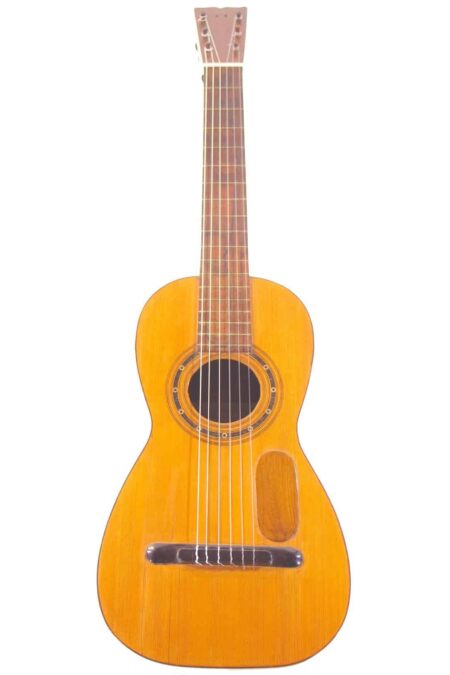
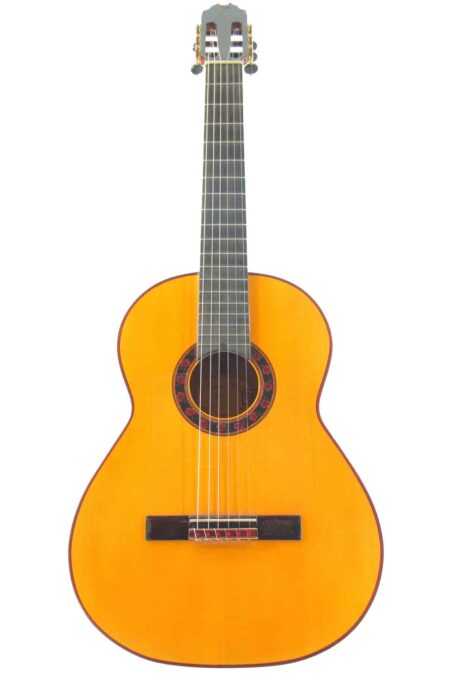
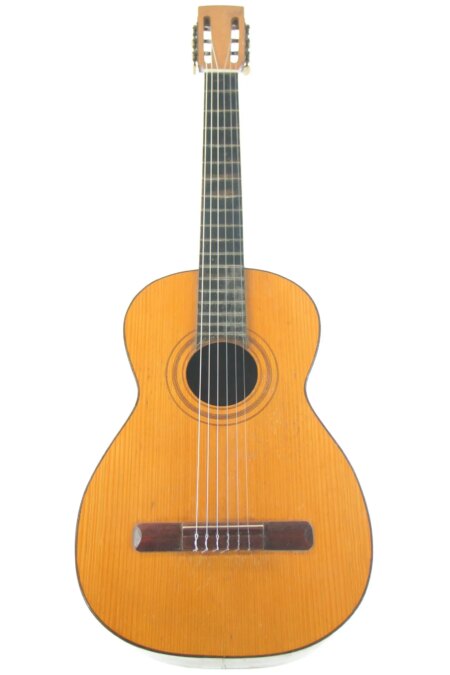
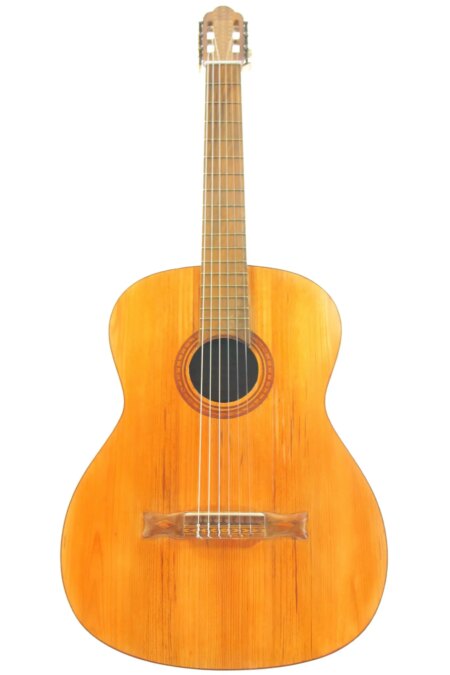
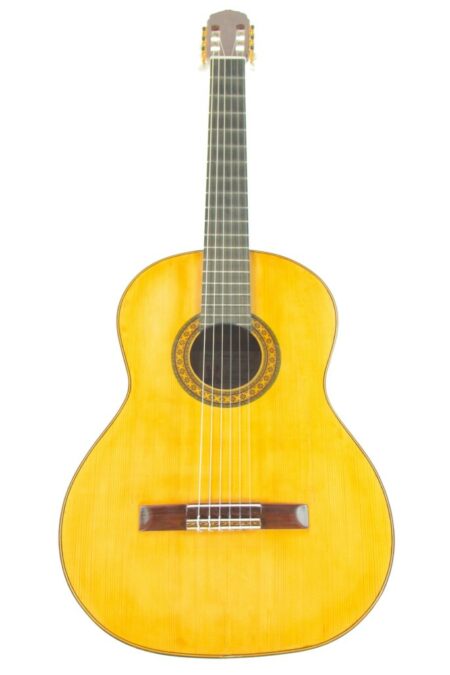

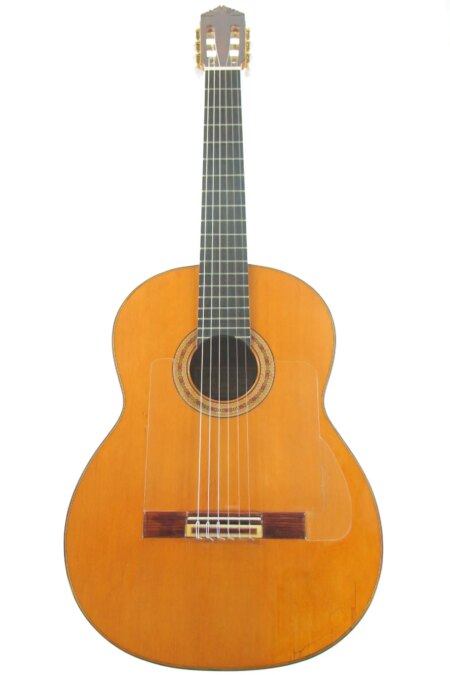
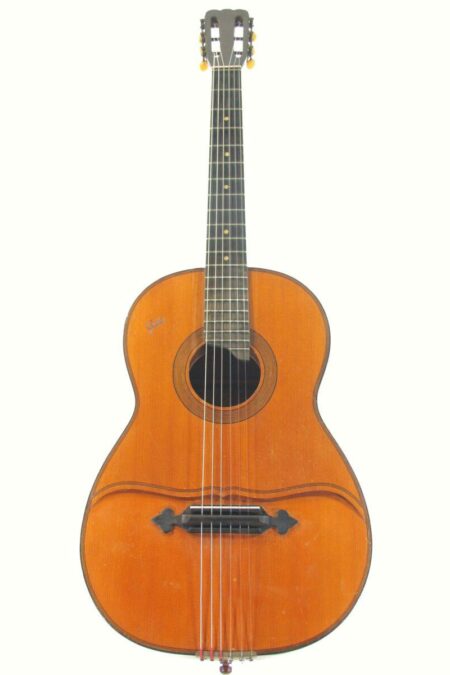
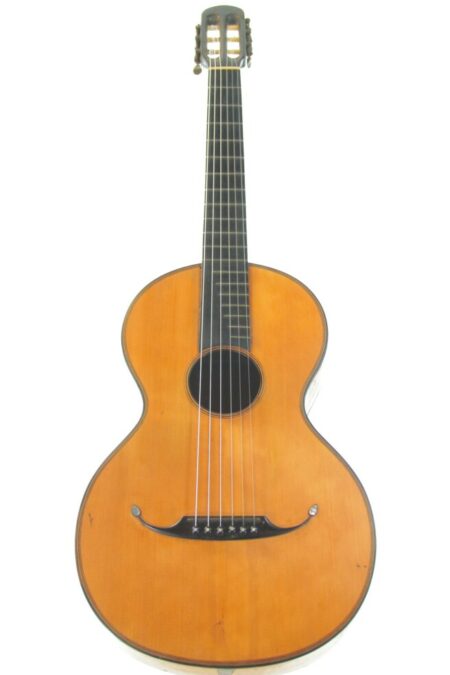
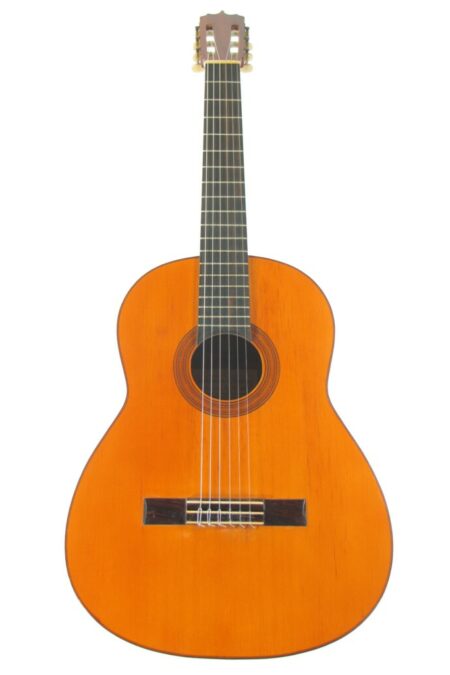
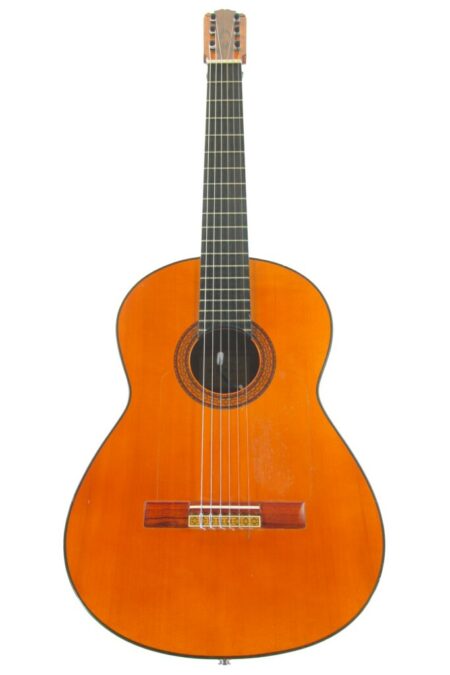
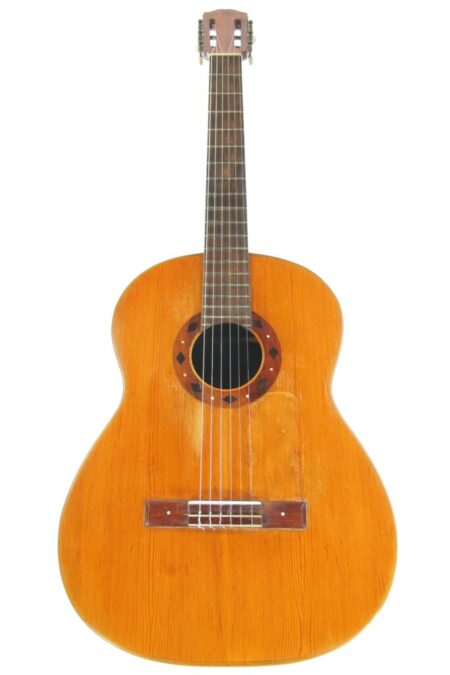
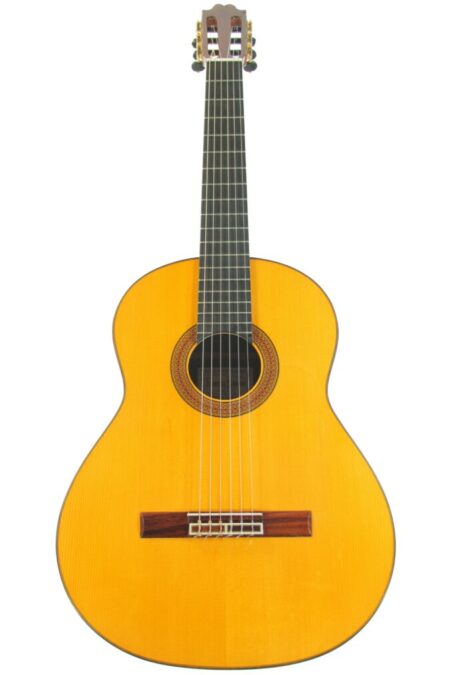
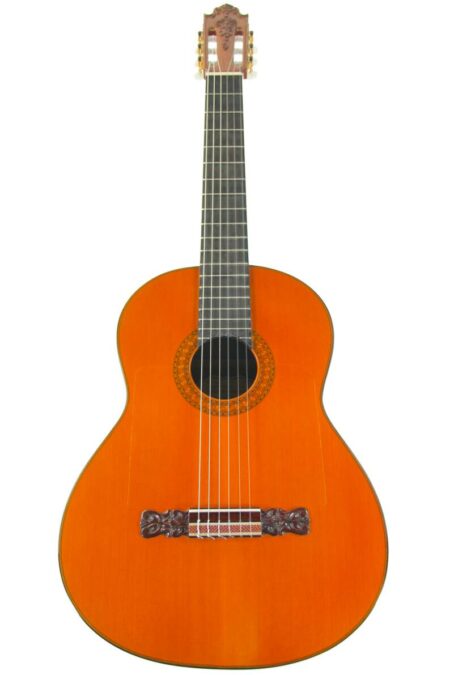
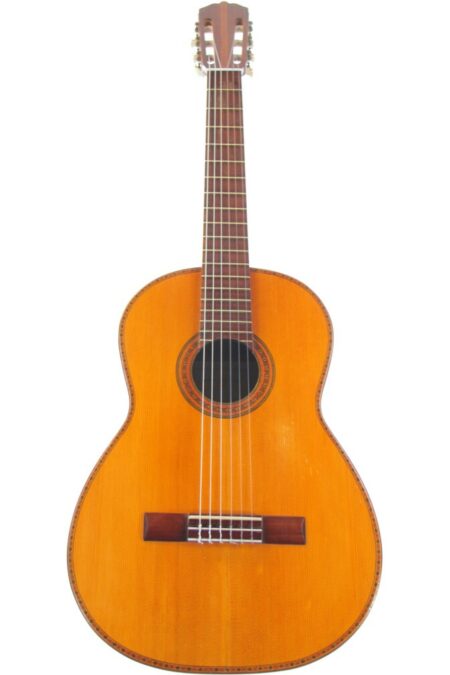
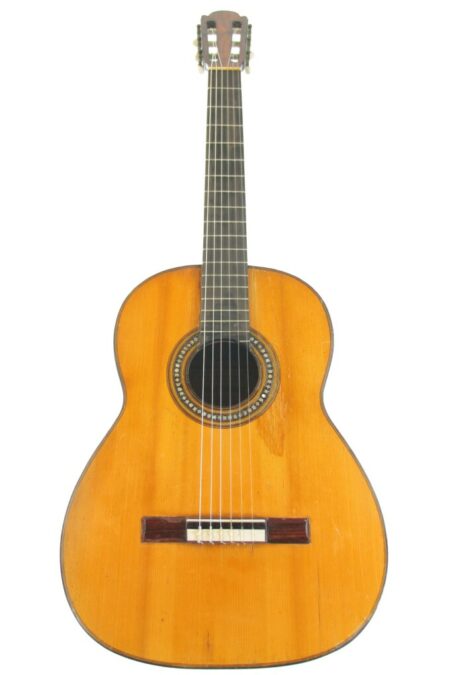
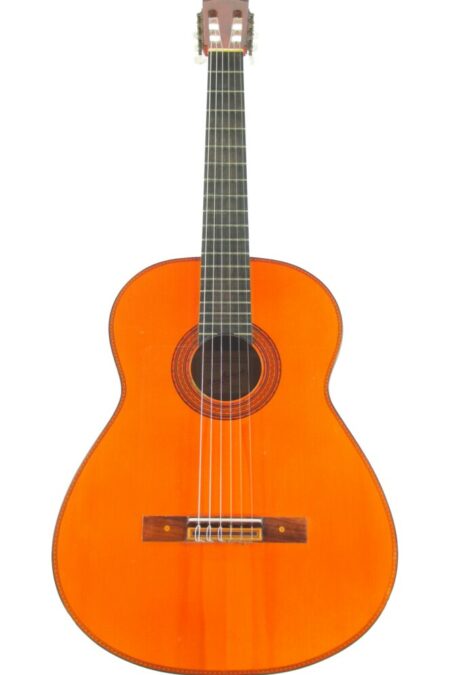
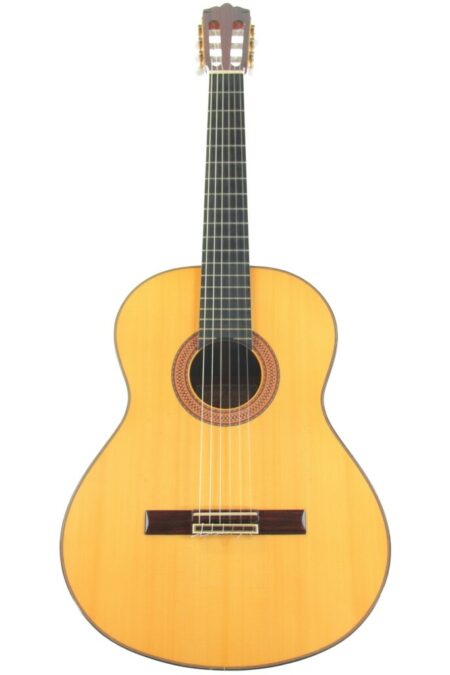
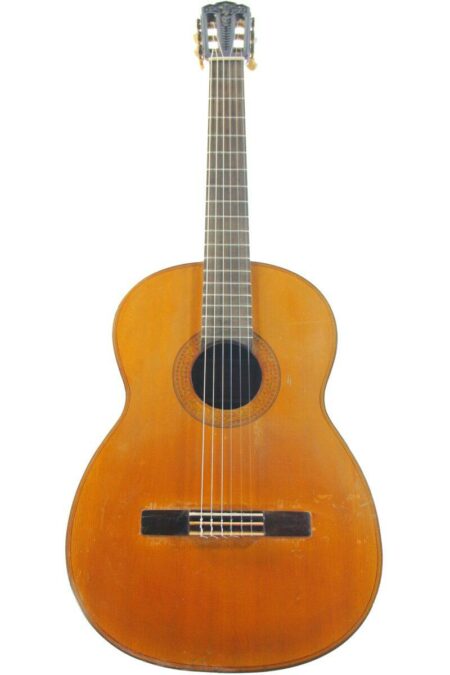

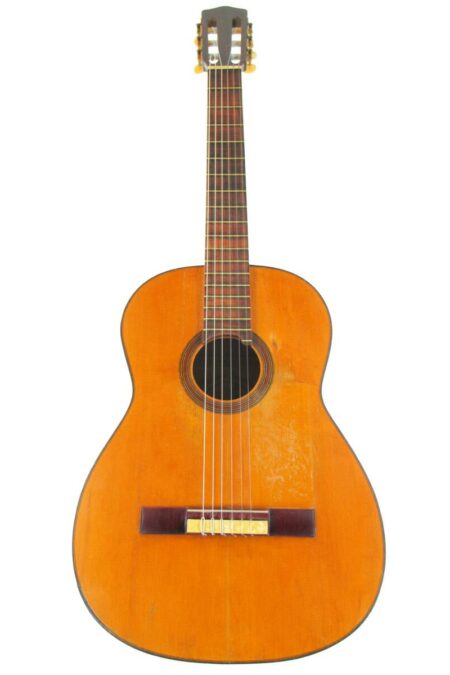
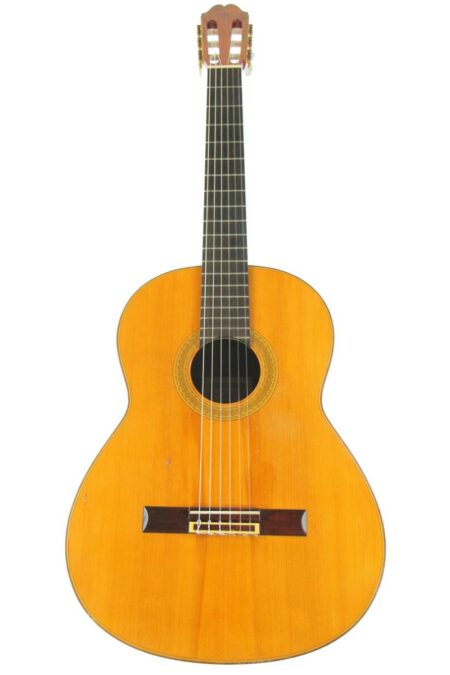
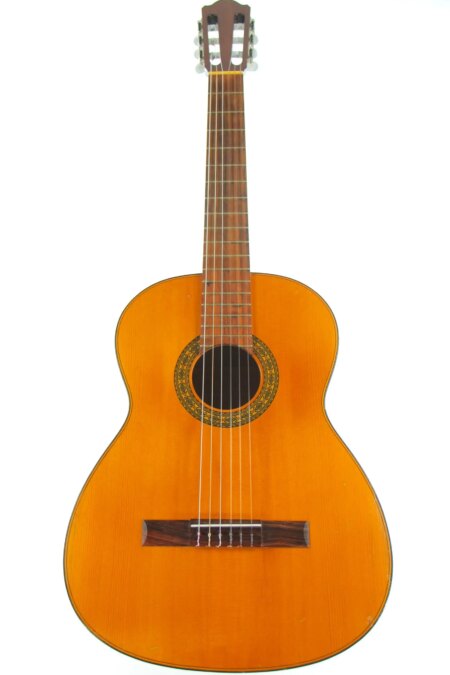
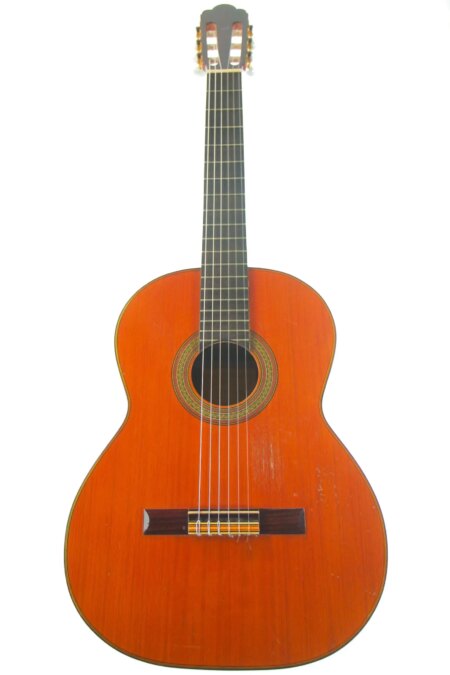
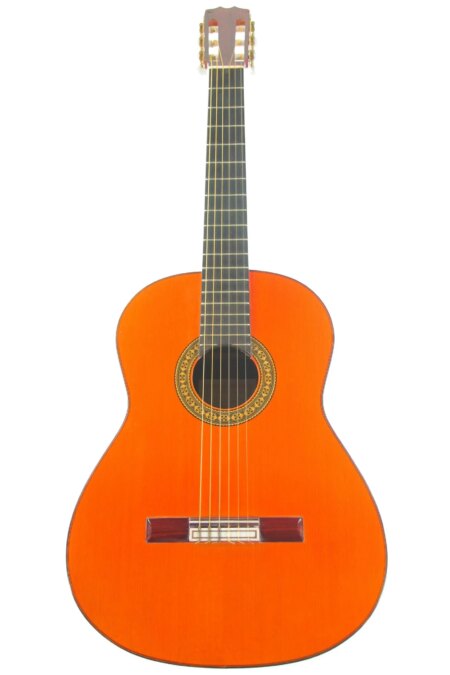
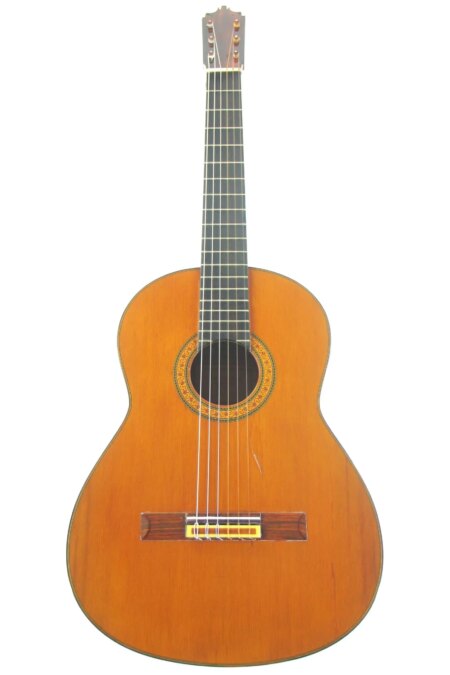
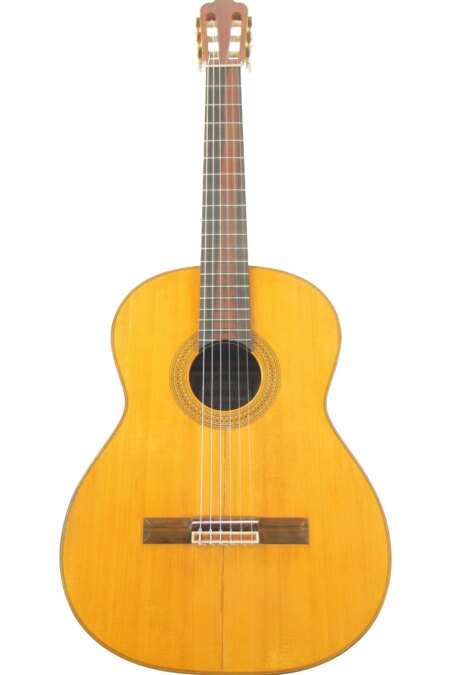
Spanish Guitars – Sound, Origin & Craftsmanship from Spain
What makes Spanish guitars so special?
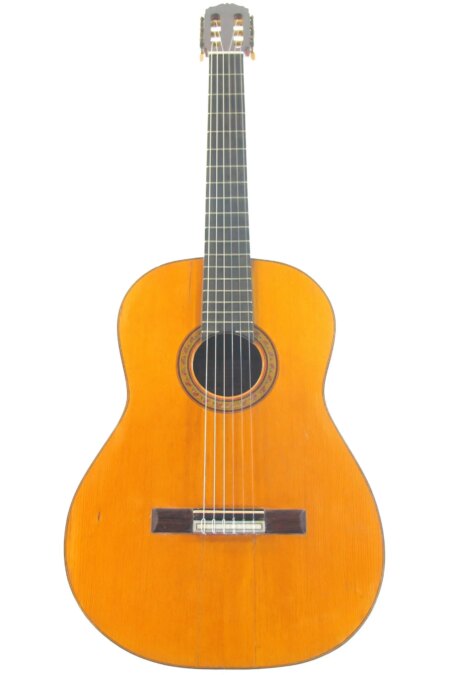
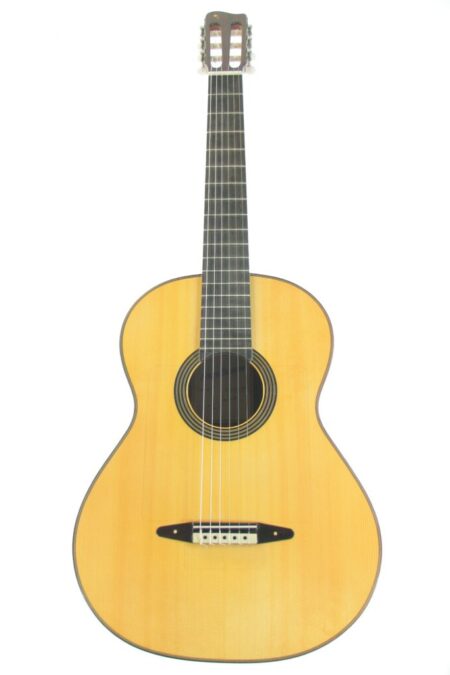
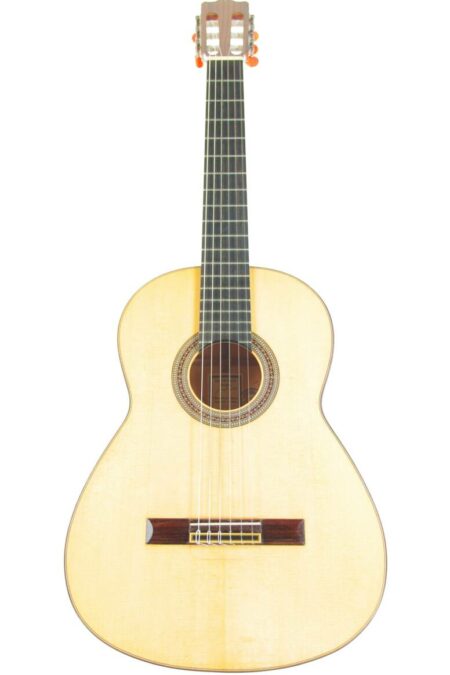
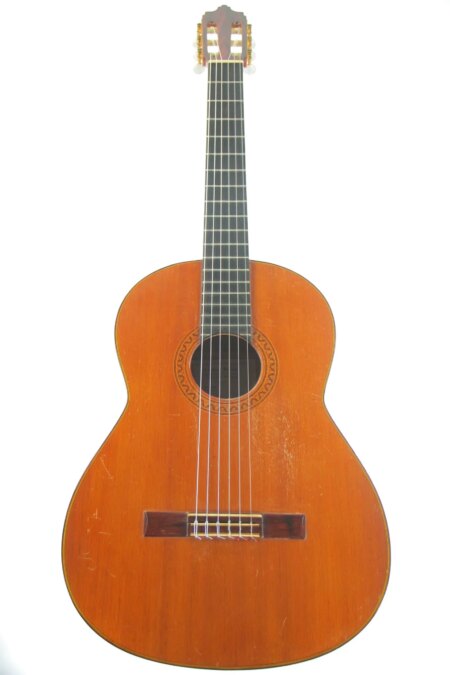
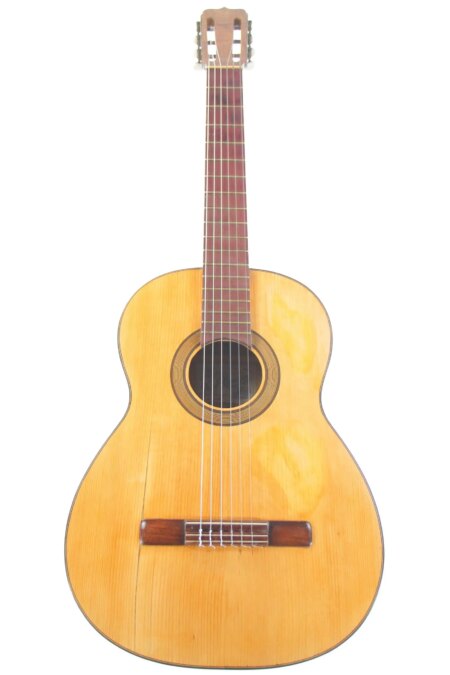
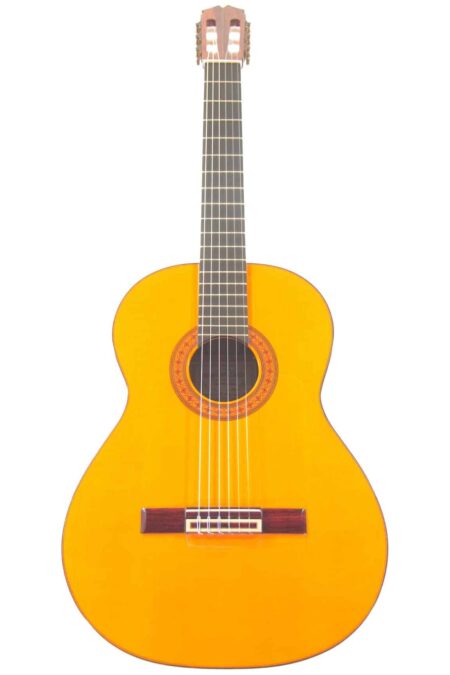
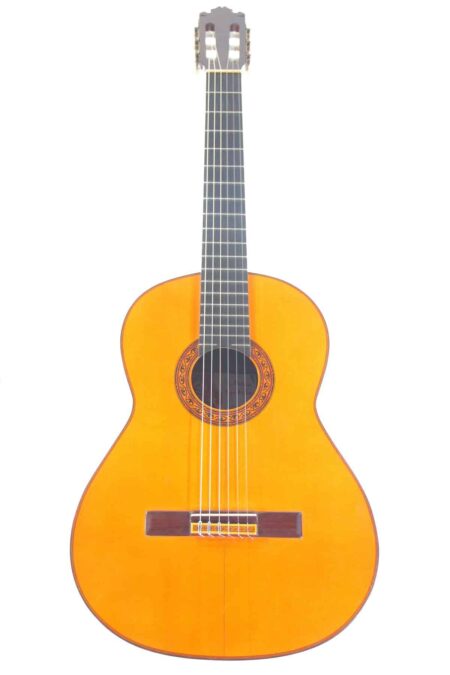
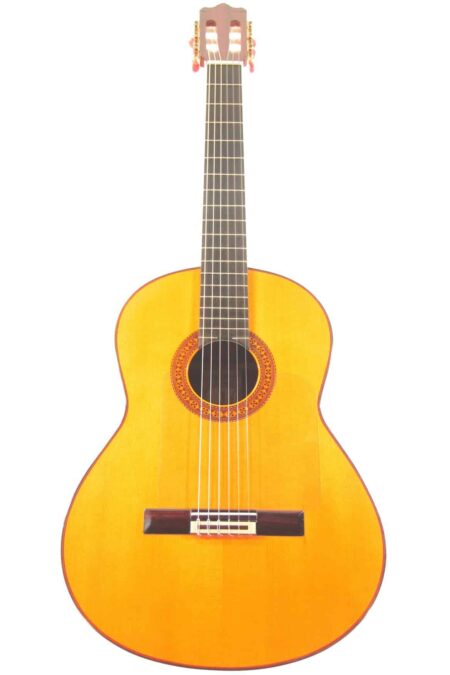
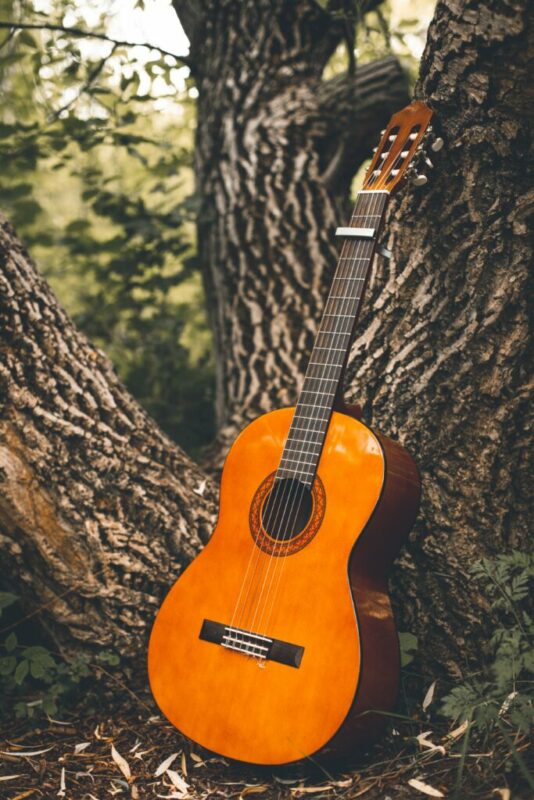 Spanish guitars, particularly classical and flamenco guitars, are distinguished by their unique construction and the use of fine woods. They typically consist of solid-tonewoods, with the body, neck, and fingerboard crafted from carefully selected materials. This construction not only enhances sound quality but also allows for better resonance and projection.
Another important aspect is the use of high-quality woods like rosewood, cypress, maple, and ebony. For the top, spruce or cedar is used. All these woods contribute to the development of a warm, full sound that is ideal for the complex harmonies and melodies found in Spanish music. The combination of these materials and traditional craftsmanship results in instruments that are both musically and aesthetically pleasing.
Spanish guitars play a significant role in folklore, classical music, and flamenco. In classical music, they are known for their soft melodies and expressive sound, while in flamenco, they are valued for their rhythmic and percussive elements. This cultural significance makes Spanish guitars an indispensable part of musical culture and a favored instrument for many musicians worldwide.
Spanish Guitars vs. Classical Guitars – A Comparison
Spanish guitars, whether classical or flamenco, are known for their unique shape, sound, and playing style. The construction of these guitars is often solid, leading to a warm, resonant tone.
The modern construction of classical guitars has its roots in Spain, which explains the term "Spanish guitar." These instruments are closely related to concert guitars and acoustic guitars, each with its specific features and sound characteristics. While acoustic guitars (also known as steel string guitars) are often equipped with steel strings, producing a brighter sound, Spanish and classical guitars offer a softer, fuller tone.
For more information on related instruments, click here: → Flamenco Guitars and → Vintage Guitars.
Sound Quality & Playing Feel – What Distinguishes Spanish Guitars
The sound quality and playing feel of Spanish guitars are significantly influenced by the choice of wood, construction, strings, and mechanics. Fine woods like cedar/spruce and rosewood/cypress/maple provide a warm, full sound, while the solid construction ensures excellent resonance and projection. The use of nylon strings further contributes to a smooth playing experience and pleasant feel while playing.
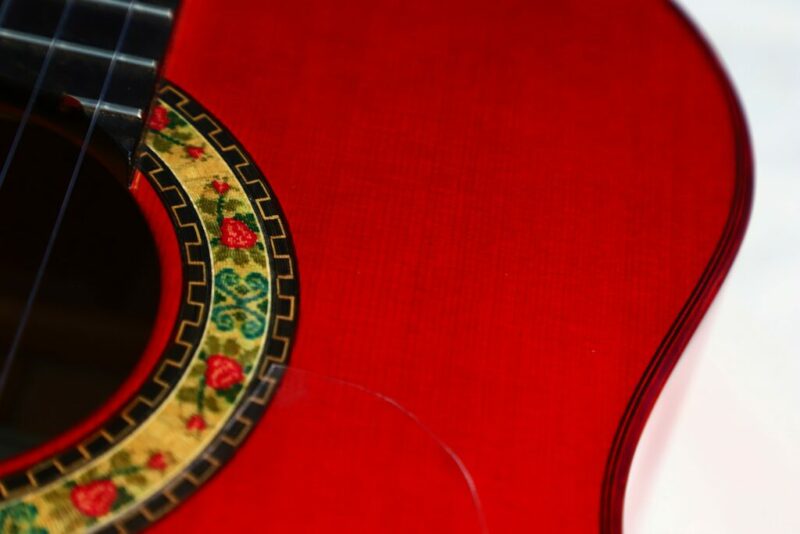 Spanish guitars offer a distinctive sound quality that is ideal for transcriptions, compositions, and improvisations. These instruments are popular not only for classical pieces and traditional guitar music but also for flamenco and fingerstyle techniques that require an expressive sound. The combination of high-quality construction and top-notch materials makes Spanish guitars a preferred tool for musicians looking to fully express the nuances of their art.
Origin, Tradition & Spanish Guitarists
Spain is famous for its guitars, as it is the birthplace of modern guitar making and classical music tradition. The art of guitar making has a long history here, dating back to the 15th century when the instrument took on its current form. Notable luthiers like Antonio de Torres revolutionized construction and sound quality, leading to characteristic regional styles.
 The Spanish guitar has not only shaped the development of the instrument but has also produced numerous famous composers, including Francisco Tárrega and Andrés Segovia, who significantly influenced the guitar repertoire. This tradition continues today in the music scene, where modern Spanish guitarists like Vicente Amigo and Paco de Lucía further develop the genres of flamenco and classical music. The combination of rich history, masterful craftsmanship, and talented musicians makes Spain a distinctive center of guitar culture.
Frequently Asked Questions About Spanish Guitars
| Question | Answer |
|---|---|
| Why do Spanish guitars sound different? | Spanish guitars use fine woods and a solid construction that leads to a warm, resonant sound, setting them apart from other guitars. |
| What is the difference between classical and Spanish guitars? | The classical guitar construction originates from Spain, which is why the terms "classical guitar" and "Spanish guitar" are often used interchangeably. Both refer to instruments known for their nylon strings and solid construction that produce a warm, resonant sound. |
| How are Spanish guitars tuned? | Spanish guitars are typically tuned to standard EADGBE, with the lowest string (E) being the thickest and the highest string (E) being the thinnest. |
| Why is Spain known for its guitars? | Spain is known for its long tradition of guitar making, outstanding luthiers, and famous musicians who have popularized the instrument in classical and flamenco music. |