
Old Master Guitars
Old Master Guitars with Tradition – For Lovers of True Sound Culture
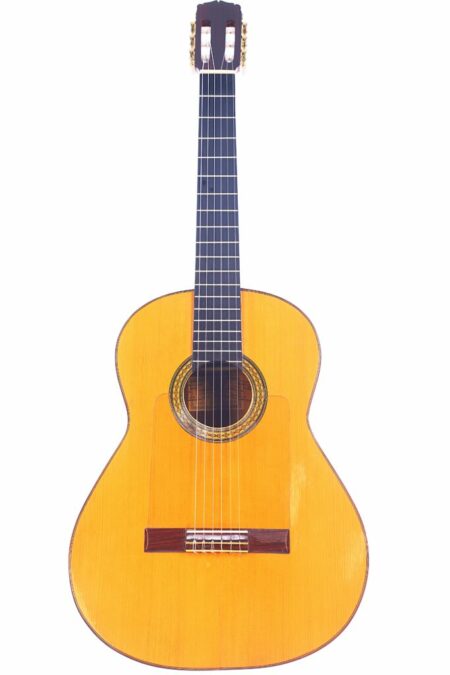
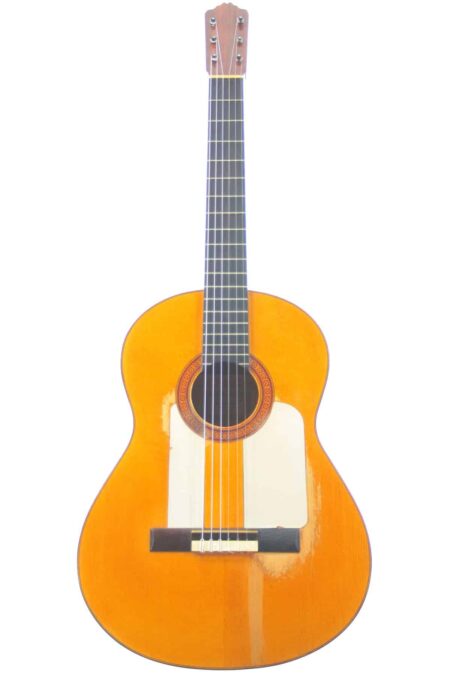
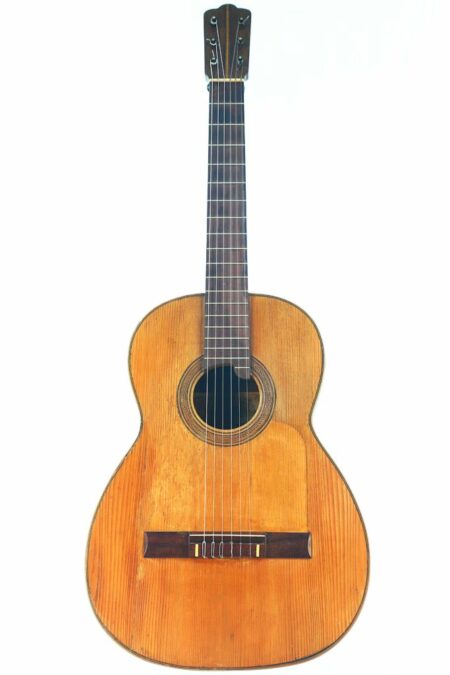
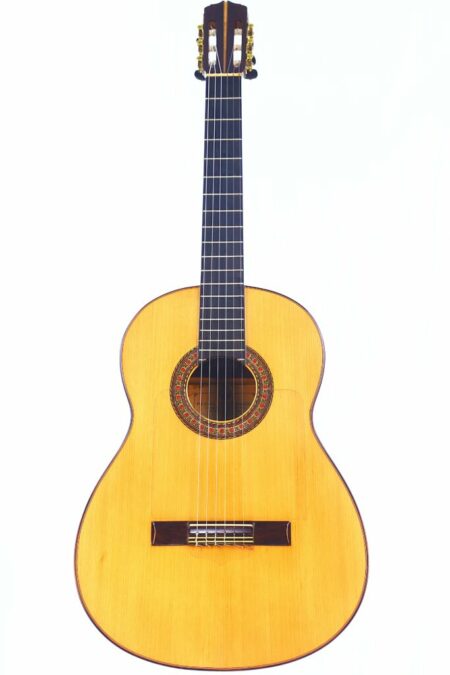
The great old master builders like Santos Hernandez, Antonio de Torres, Domingo Esteso, Manuel Ramirez and José Ramirez had a great influence on the classical guitars and flamenco guitars. We offer these old master guitars for sale – find your antique Spanish guitar and many different vintage guitars here in our Shop!
-

Salvador Ibanez 1900 Classical Guitar
plus Shipping
-
Paulino Bernabe M-20 2008 Classical Guitar
plus Shipping
-
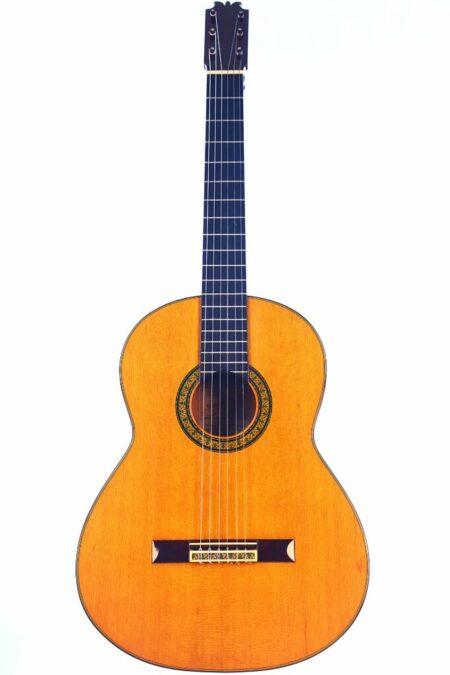
Jose Ramirez 1953 Flamenco Guitar
plus Shipping
-
Bernhard Kresse 1999 Panormo Romantic Guitar
plus Shipping
-
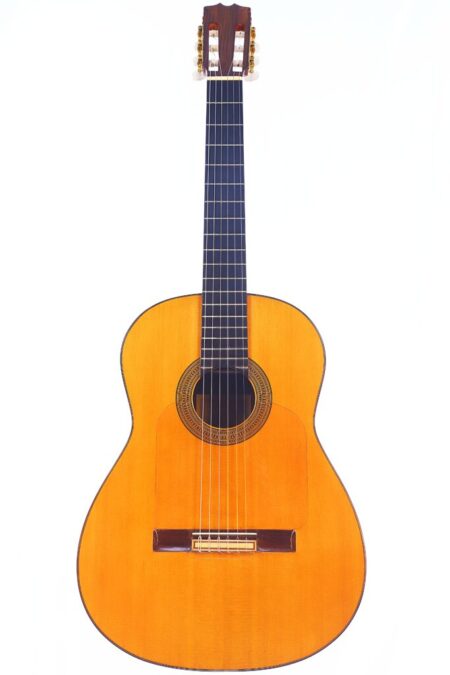 Out of stock
Hermanos Conde 1980 Faustino Conde Negra Flamenco Guitar
-
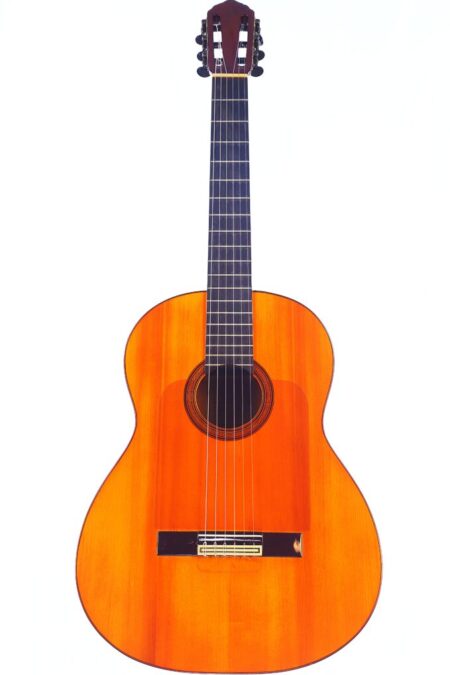 Out of stock
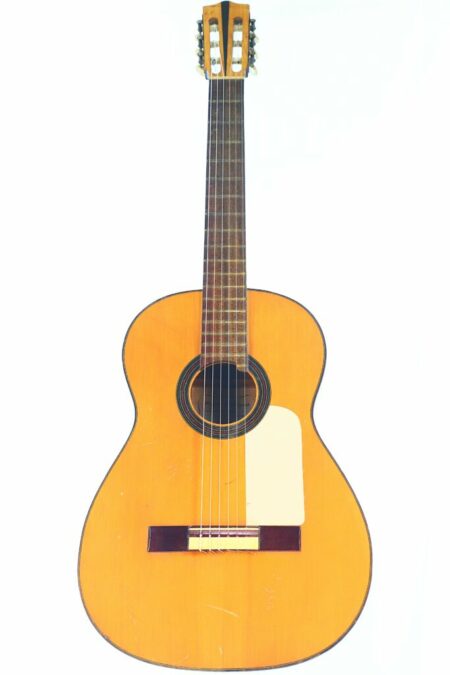
Manuel Reyes 1955 Flamenco Guitar
-
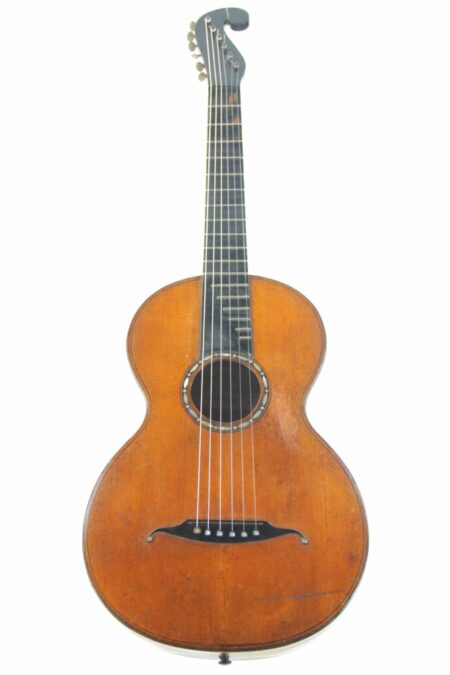 Out of stock
Stauffer Style ~1830 Romantic Guitar
-
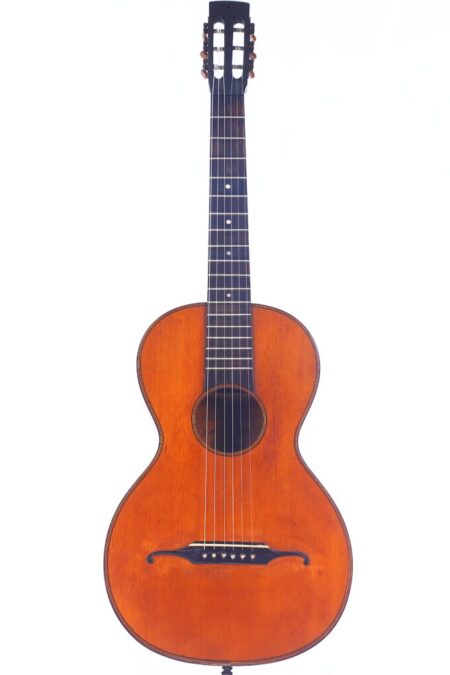 Out of stock
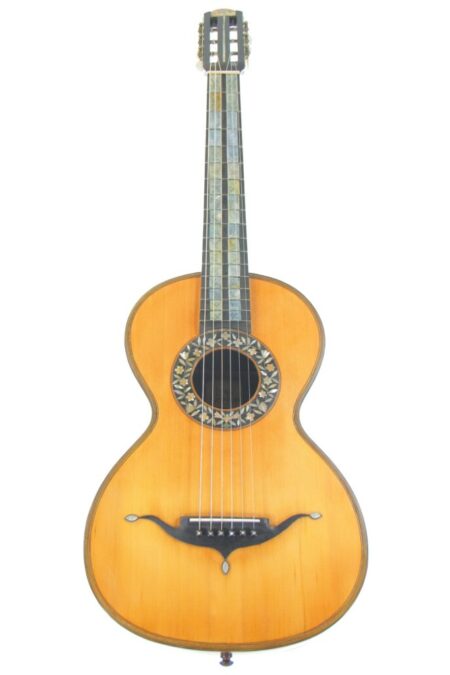
J. A. Baader & Co. 1890 Romanic Guitar
plus Shipping
-
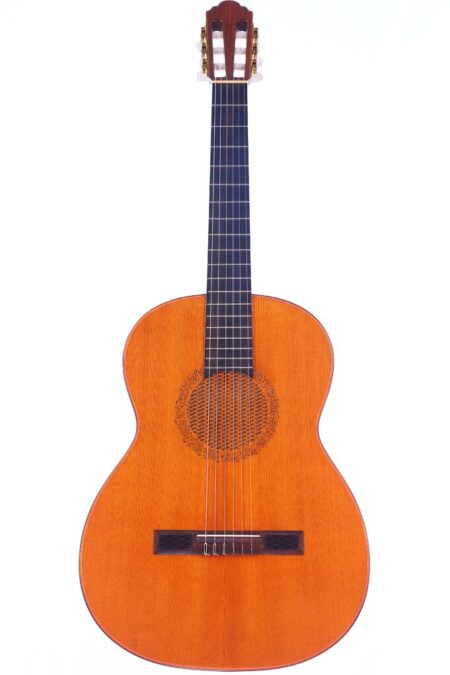
Hopf Filigrana 1980s Classical Guitar
plus Shipping
-
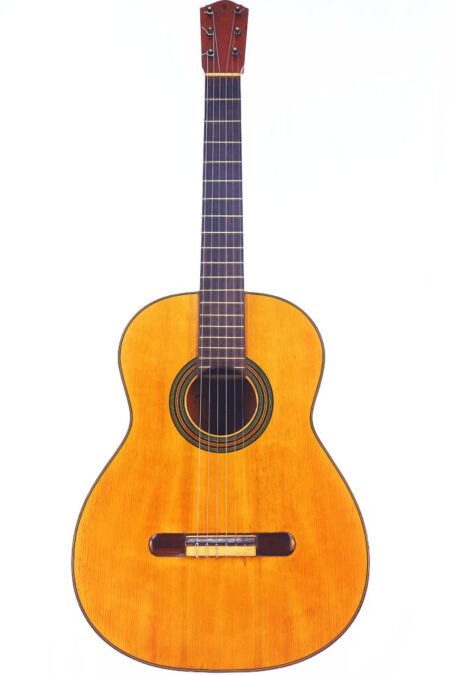
Domingo Esteso 1934 Classical Guitar
plus Shipping
-
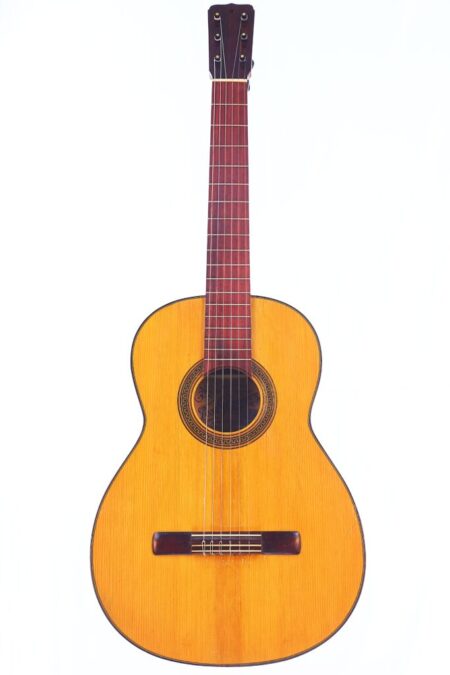
Jose Ramirez 1950 Flamenco Guitar
plus Shipping
-
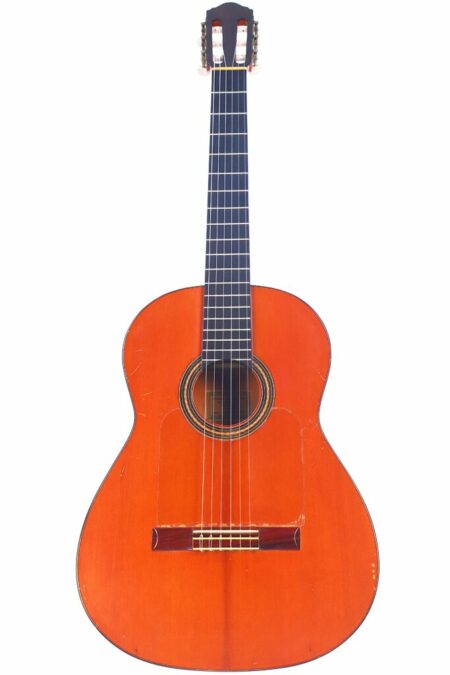 Out of stock
Conde Hermanos 1978 Flamenco Guitar
-
Santos Hernandez 1930 Flamenco Guitar
plus Shipping
-
Sale!
Dieter Hense 1960 Classical Guitar
plus Shipping
-
Out of stock
Franz Novy 1920 Terz Classical Guitar
-
Out of stock
Eduardo Ferrer 1971 Classical Guitar
-
Domingo Esteso 1922 Classical Guitar
plus Shipping
-
Enrique Sanfeliu 1920 Flamenco Guitar
plus Shipping
-
Manuel de la Chica 1957 Classical Guitar
plus Shipping
-
Classical Guitar 1900 Markneukirchen
plus Shipping
-
Manuel Segura Rodriguez 1950 Classical Guitar
plus Shipping
-
Josip Krog 1979 Classical Guitar
plus Shipping
-
Gerundino Fernandez 1989 Negra Flamenco Guitar
plus Shipping
-
Estrada Gomez 1978 Classical Guitar
plus Shipping
-
José Ramirez 1927 Classical Guitar
plus Shipping
-
Antonio Ortiz Romero 1970s Flamenco Guitar
plus Shipping
-
Conde Hermanos – Sobrinos de Domingo Esteso 1996 Flamenco Guitar
plus Shipping
-
Johann Georg Stauffer 1810 Romantic Guitar
plus Shipping
-
Fratelli Rovetta 1880 Romantic Guitar
plus Shipping
-
Viuda de Santos Hernandez – Modesto Borreguero Flamenco Guitar
plus Shipping
-
Stauffer Style 1931 Romantic Guitar
plus Shipping
-
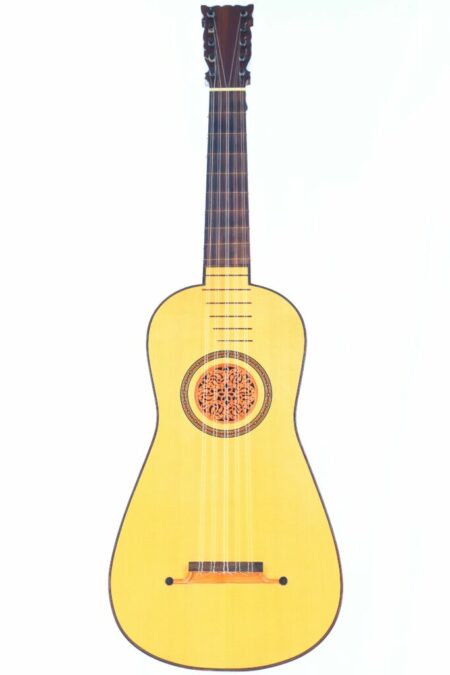
Fernando Vera 1976 Vihuela
plus Shipping
-
Manuel de Soto y Solares 1900 Classical Guitar
plus Shipping
-
Marcelo Barbero 1935 Flamenco Guitar
plus Shipping
-
Michel Donadey 1986 Classical Guitar
plus Shipping
-
Richard Jacob Weissgerber 1923 Classical Guitar
plus Shipping
-
Santos Hernandez 1916 Classical Guitar
plus Shipping
-
Adolf Meinel 1984 Classical Guitar
plus Shipping
-
Benito Ferrer 1919 Classical Guitar
plus Shipping
-
Francisco Simplicio 1931 Torres Classical Guitar
plus Shipping
-
Conde Hermanos 1970 Negra Flamenco Guitar
plus Shipping
-
Jose Ramirez 1a 1983 Classical Guitar
plus Shipping
-
Joseph Kriner 1865 Romantic Guitar
plus Shipping
-
Andres Dominguez 1977 Flamenco Guitar
plus Shipping
-
Manuel de la Chica 1968 Classical Guitar
plus Shipping
-
Marcelo Barbero 1941 Flamenco Guitar
plus Shipping
-
Alberto Pantoja Martin 1978 Flamenco Guitar
plus Shipping
-
Manuel Reyes 1967 Flamenco Guitar
plus Shipping
-
Casa Gonzalez 1915 Classical Guitar
plus Shipping
-
Pedro Maldonado 1963 Negra Flamenco Guitar
plus Shipping
-
Eduardo Ferrer 1950 Flamenco Guitar
plus Shipping
-
Miguel Rodriguez 1925 Classical Guitar
plus Shipping
-
Lorenzo Alvarez 1976 Flamenco Guitar
plus Shipping
-
Bernard Enzensperger 1850 Romantic Guitar
plus Shipping
-
Manuel Contreras 2a 1996 Classical Guitar
plus Shipping
-
Joseph Garaboeuf – Lacombe 1850 Romantic Guitar
plus Shipping
-
Miguel Rodriguez 1992 Church Door Classical Guitar
plus Shipping
-
Out of stock
Jose Ramirez 10-string 1968 M.T. Classical Guitar
-
Juan Estruch 1976 – Chet Atkins yellow label Classical Guitar
plus Shipping
-
Jose Ramirez Guitarra de Tablao 1920s Flamenco Guitar
plus Shipping
-
Juan Galan Caro 1896 Romantic Guitar
plus Shipping
-
Antonio Reinosa – Rafael Moreno 1979 Classical Guitar
plus Shipping
-
Gerundino Fernandez 1965 Negra Flamenco Guitar
plus Shipping
-
Carl August Otto 1843 Romantic Guitar
plus Shipping
-
Jose Ruiz Pedregosa 1993 Negra Flamenco Guitar
plus Shipping
-
Casa Gonzalez Flamenco Guitar
plus Shipping
-
Jaime Ribot 1900 Classical Guitar
plus Shipping
-
Leon Victor Mougenot 1900 Romantic Guitar
plus Shipping
-
Juan López Aguilarte 2007 Flamenco Guitar
plus Shipping
-
Joseph Lété 1833 Romantic Guitar
plus Shipping
-
Miguel Rodriguez ~1915 Classical Guitar
plus Shipping
-
Vicente Arias 1896 Classical Guitar
plus Shipping
-
Pedro Maldonado 1975 Paco de Lucia Flamenco Guitar
plus Shipping
-
Miguel Rodriguez 1960’s Flamenco Guitar
plus Shipping
-
Out of stock
Erwin von Grüner 1982 Baroque Guitar
-
Manuel Fernandez Fernandez 1990 Flamenco Guitar
plus Shipping
-
Francisco Simplicio 1925 Classical Guitar
plus Shipping
-
Johann Bucher ~1830 Romantic Guitar
plus Shipping
-
Domingo Esteso 1921 classical guitar
plus Shipping
-
Juan Estruch 1978 Classical Guitar
plus Shipping
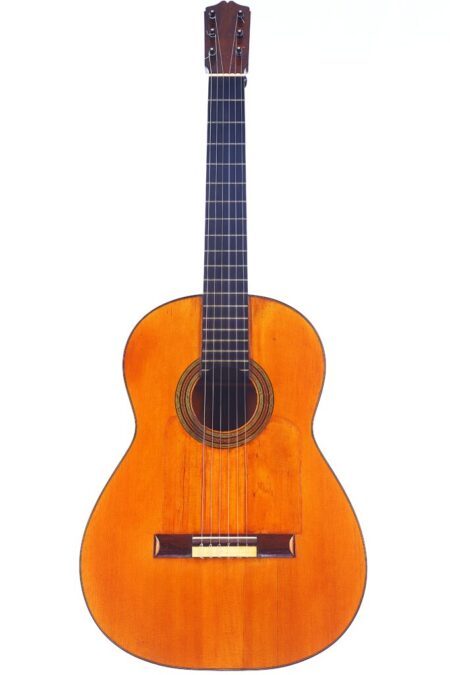
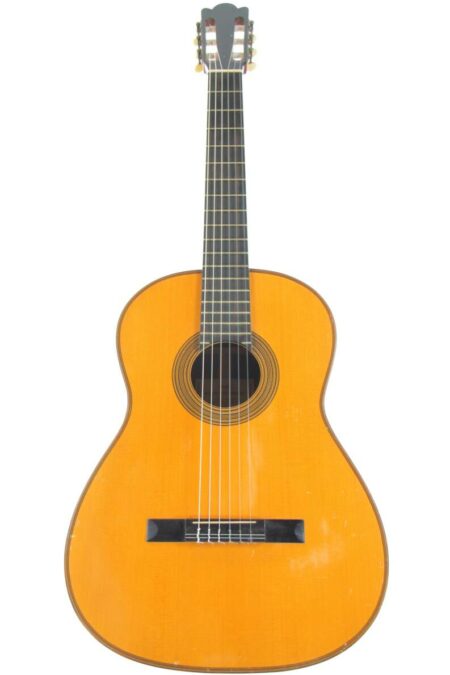
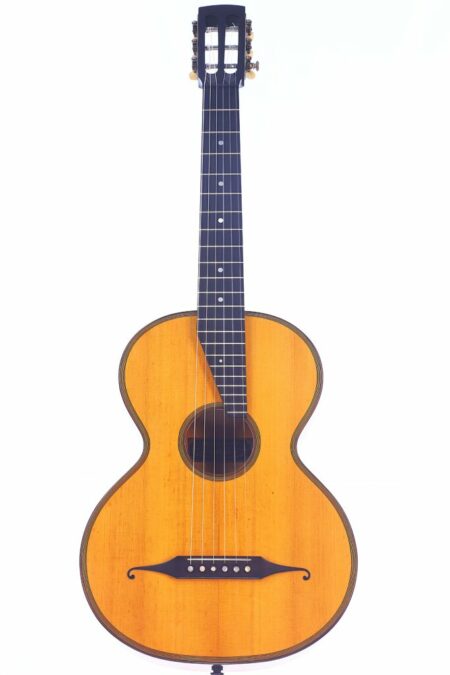
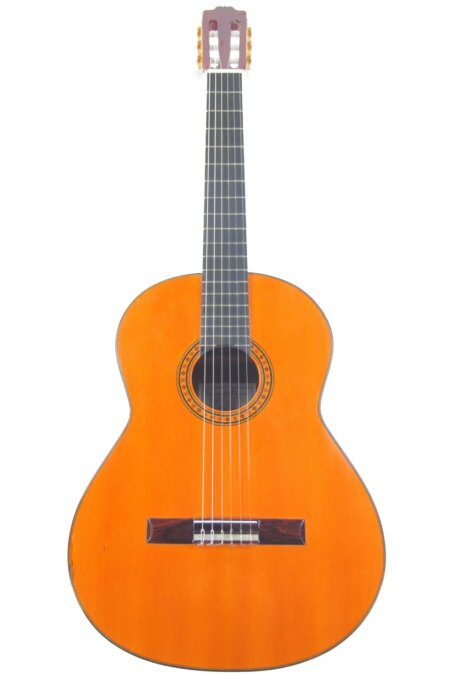
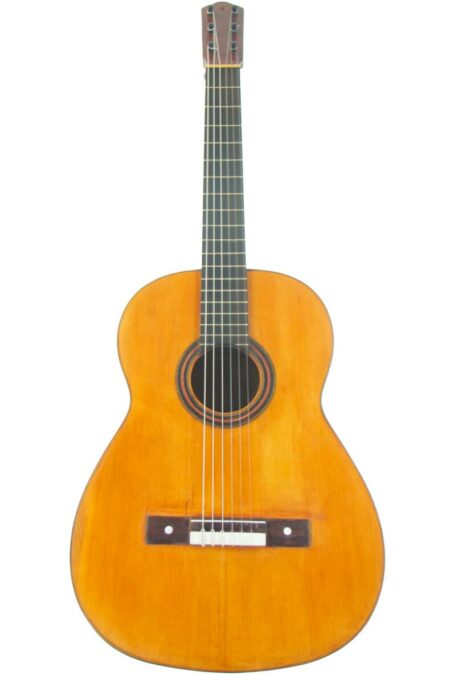
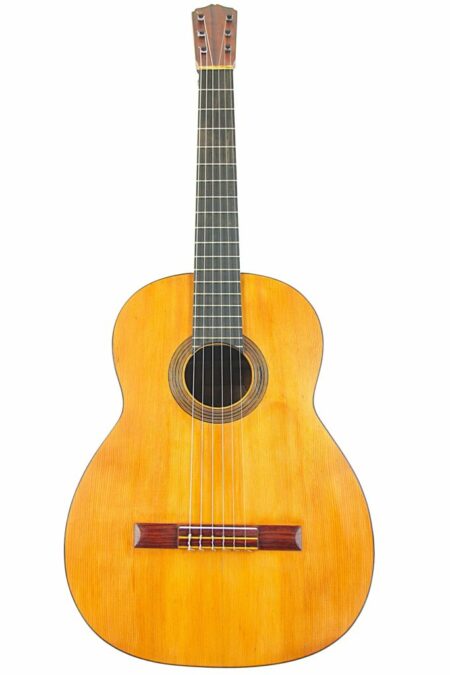

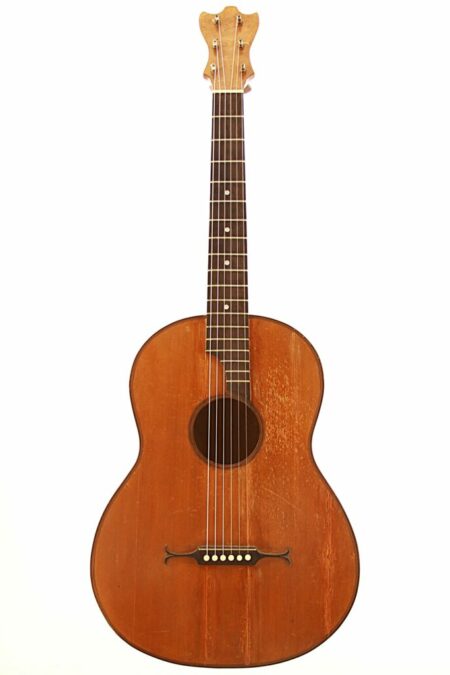
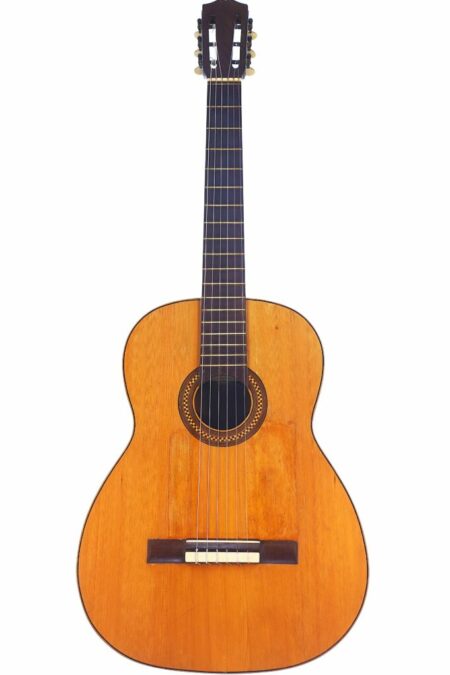
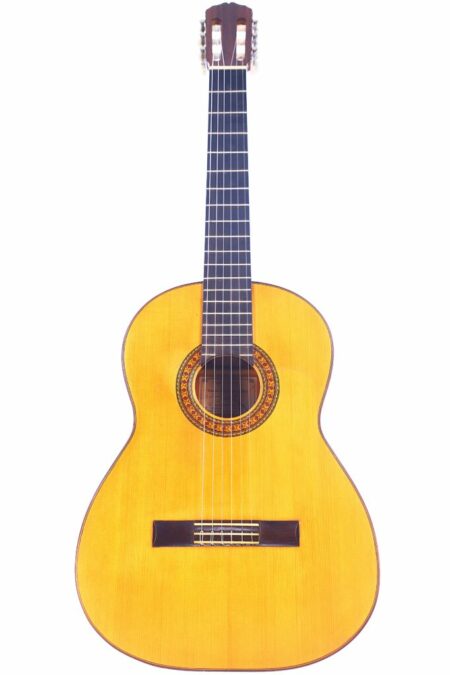
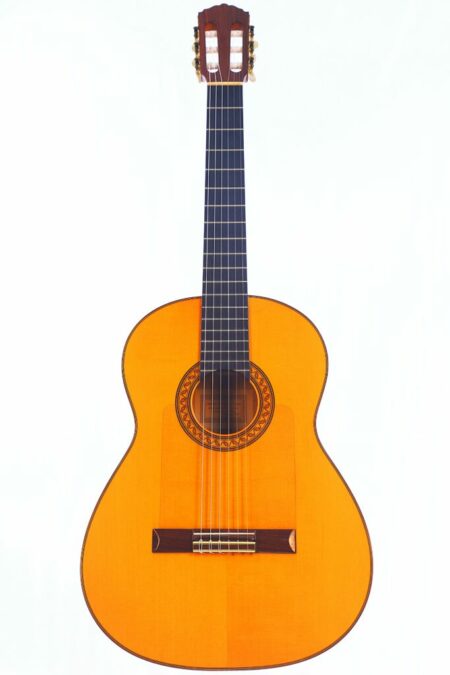
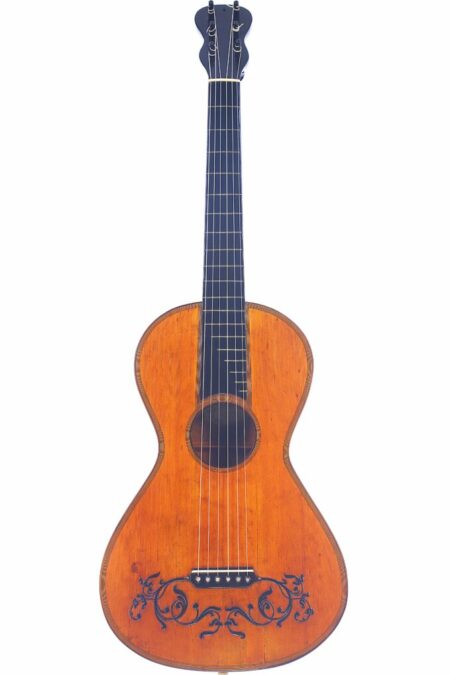
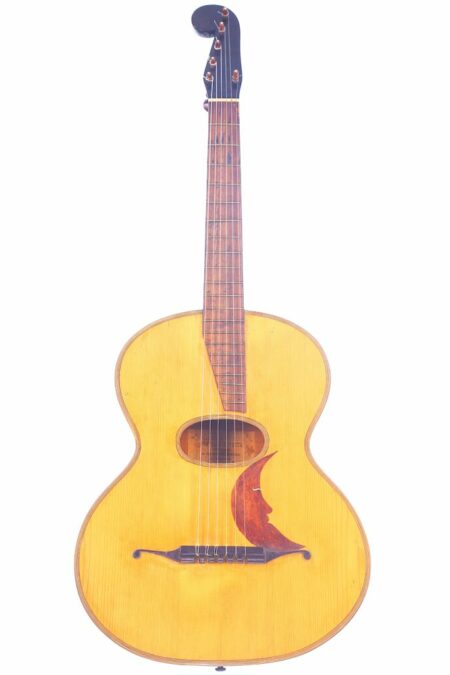

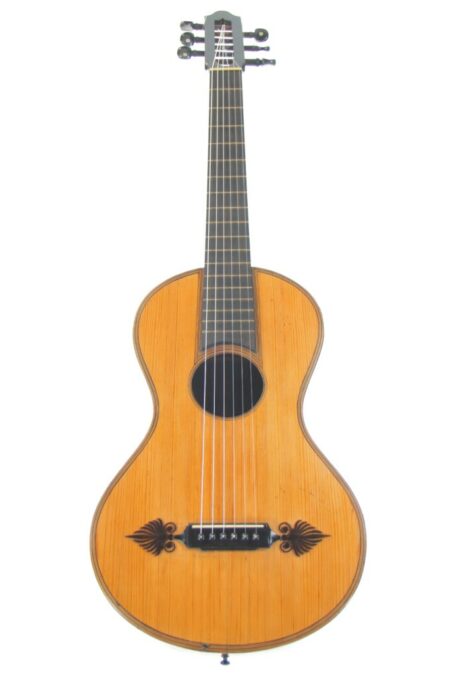
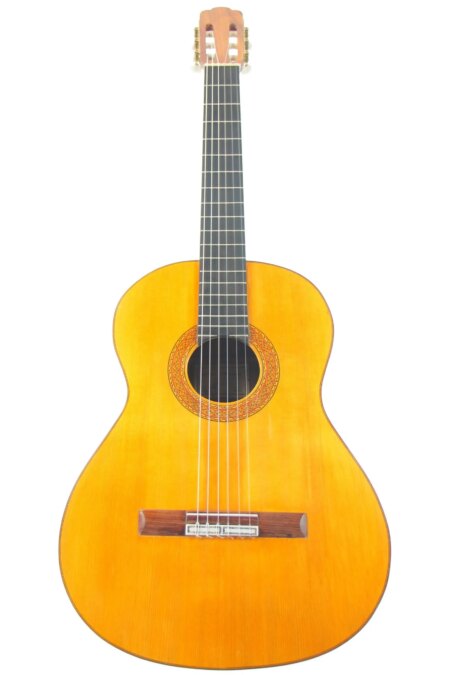
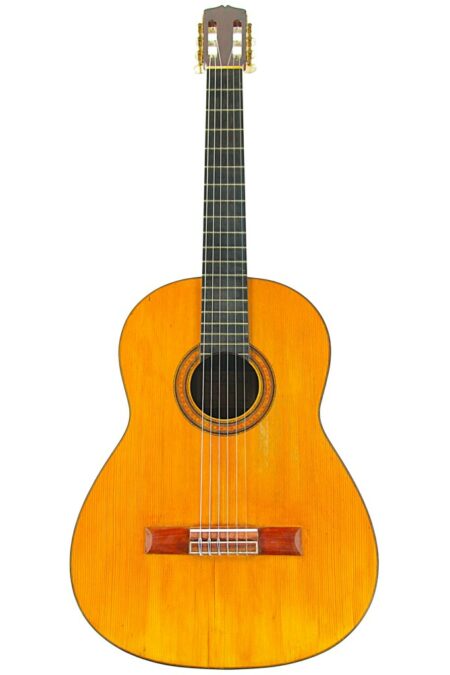
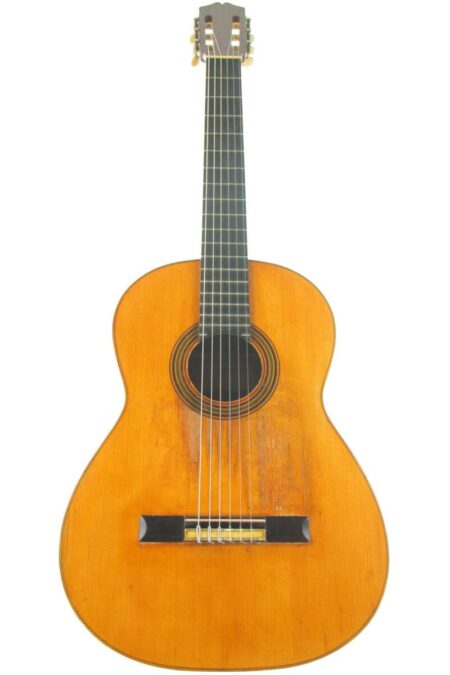
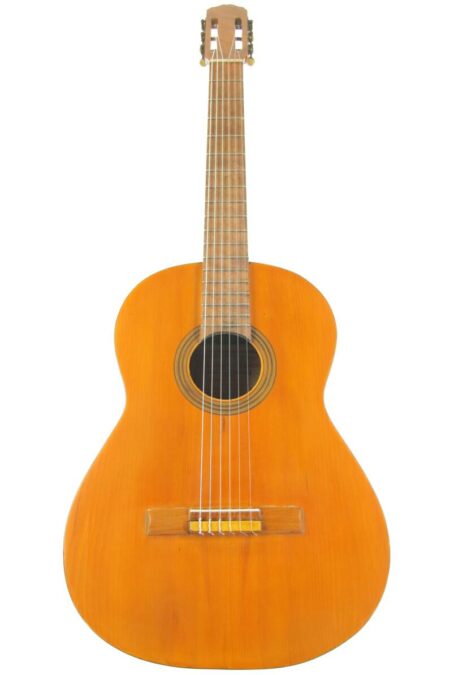
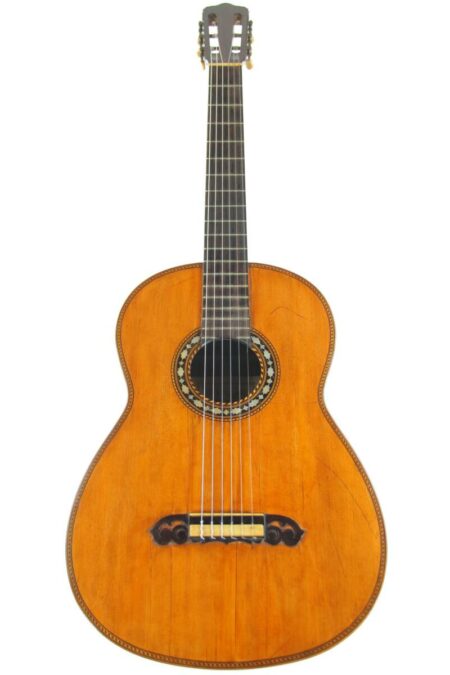
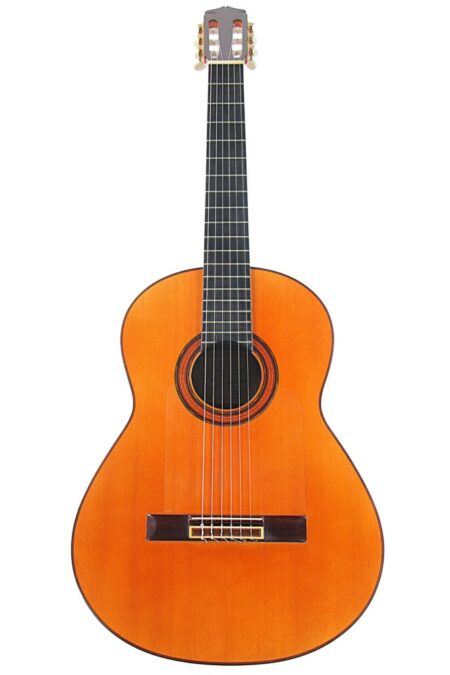
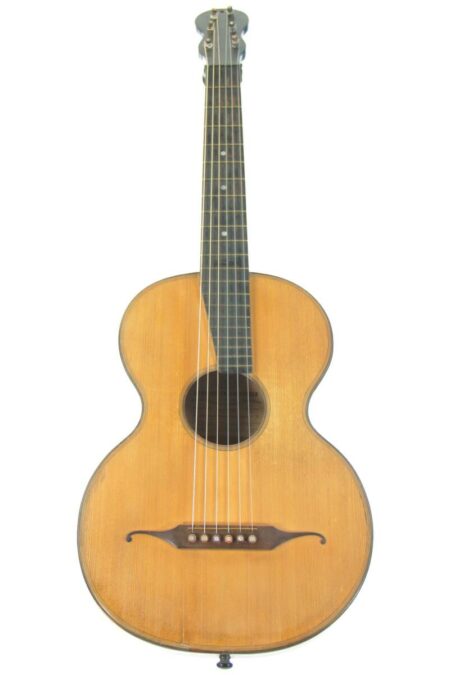

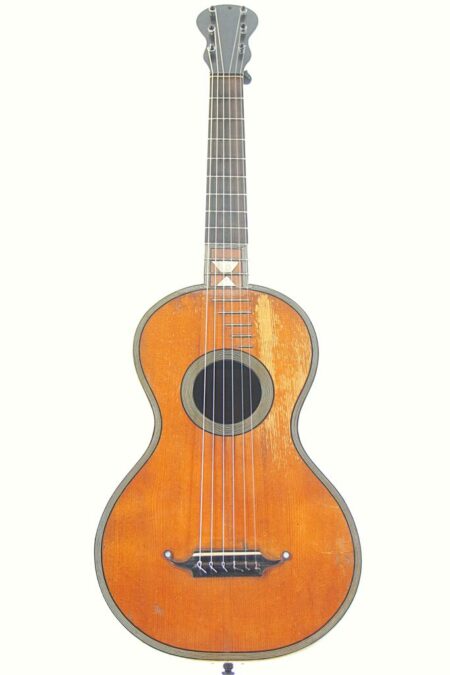
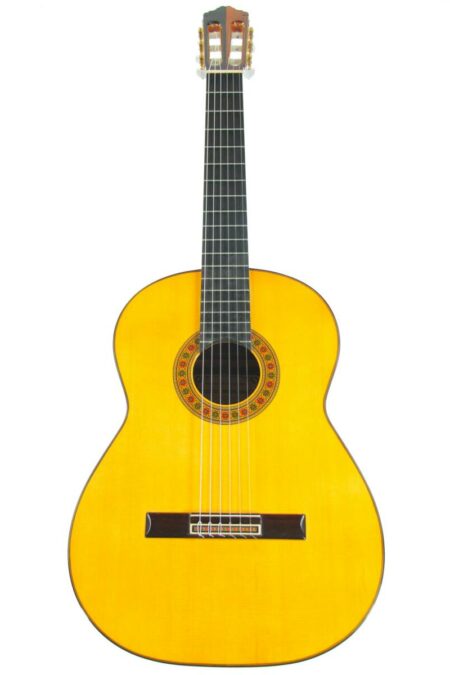


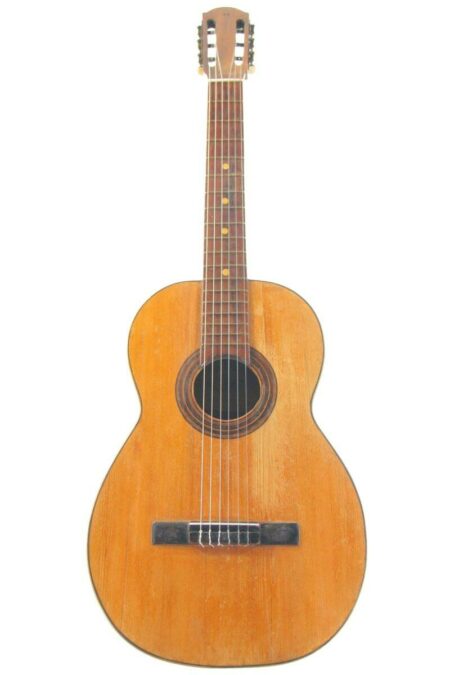

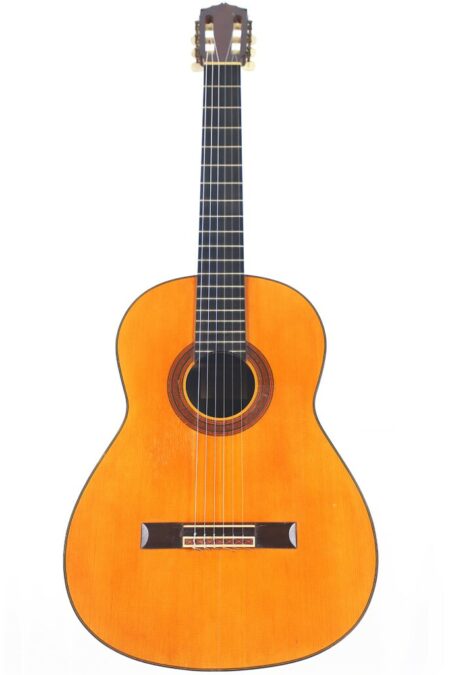
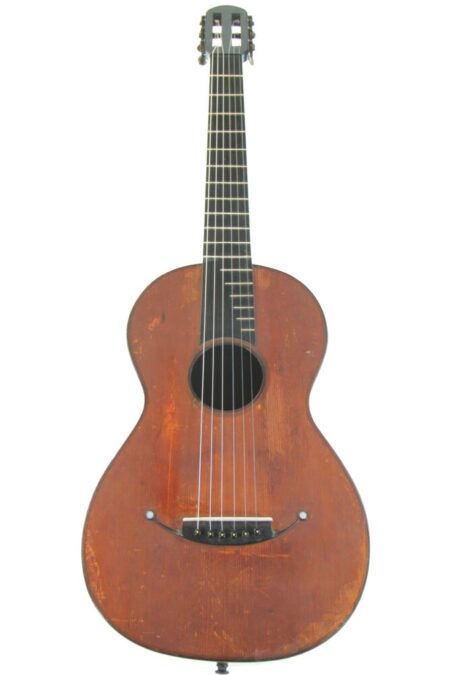
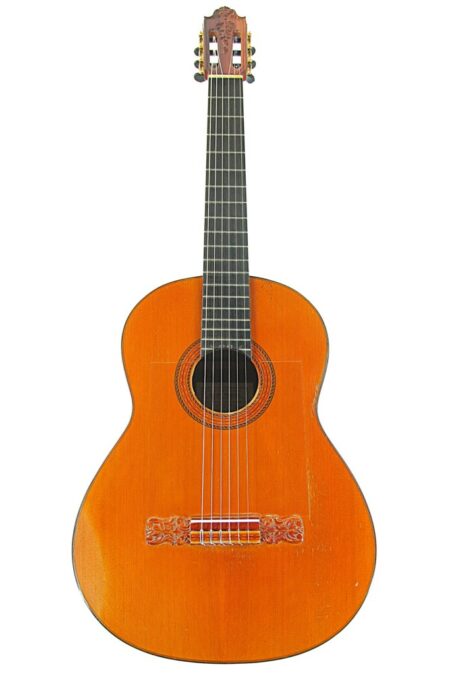
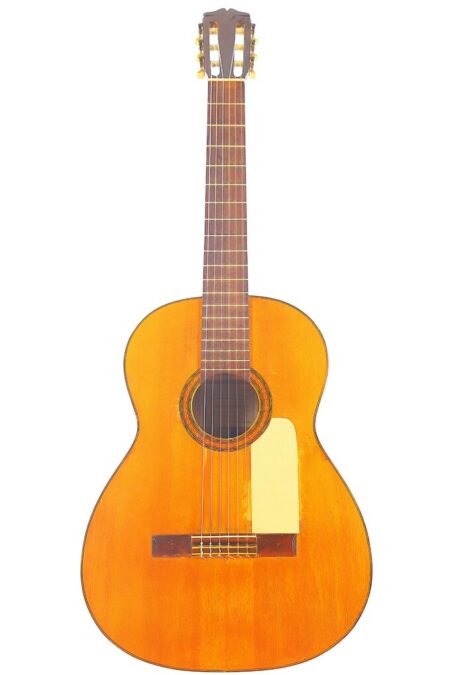
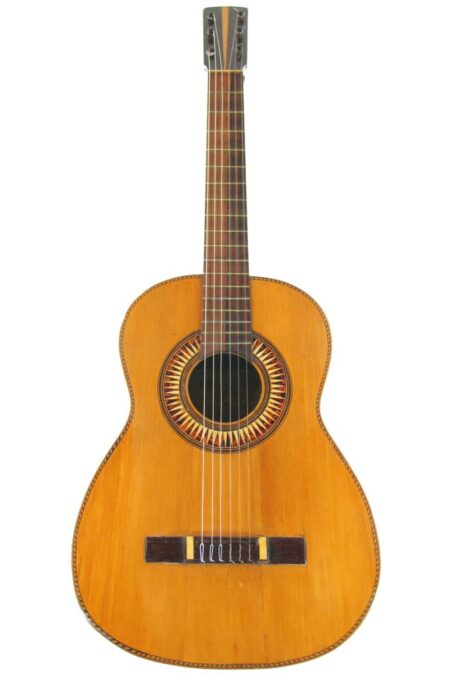


Old Master Guitars – Sound Diversity & Craftsmanship from Centuries
What Distinguishes Old Master Guitars?
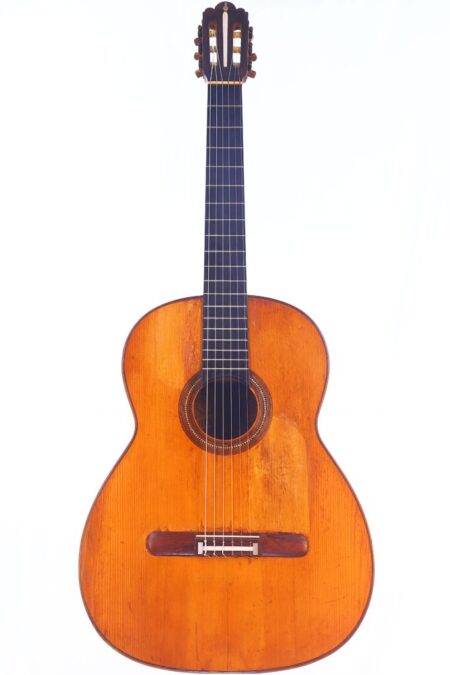
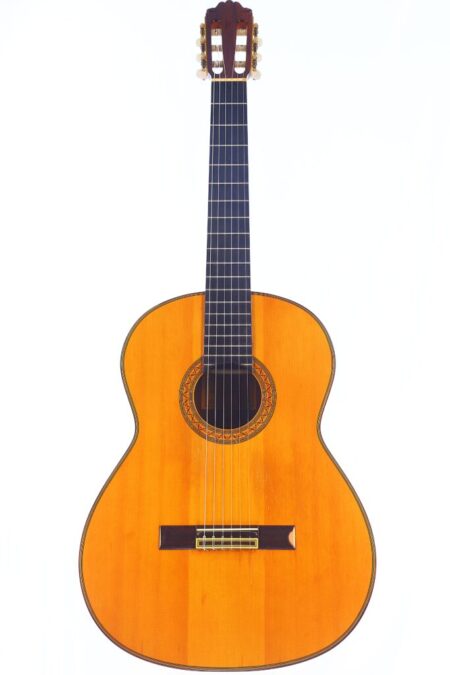
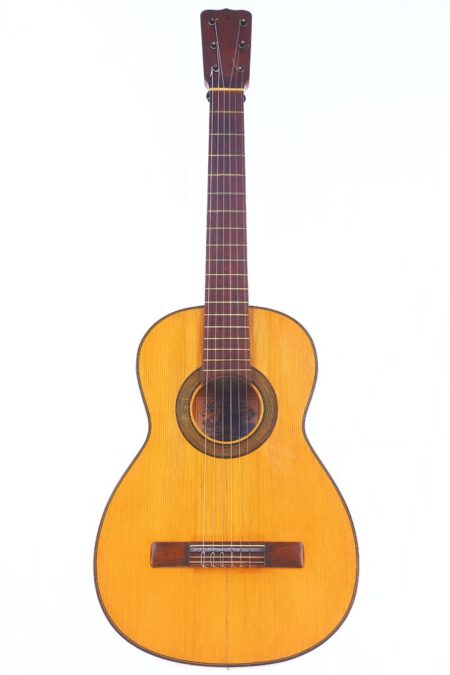
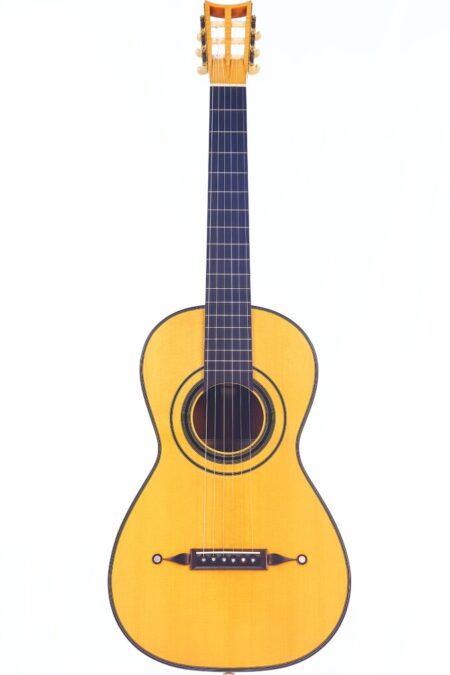
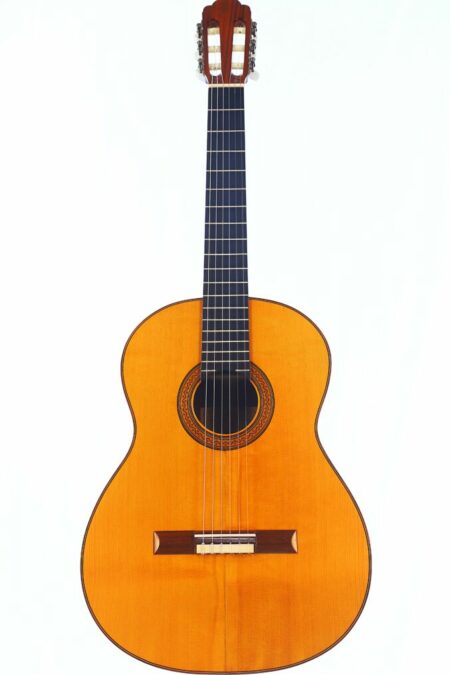
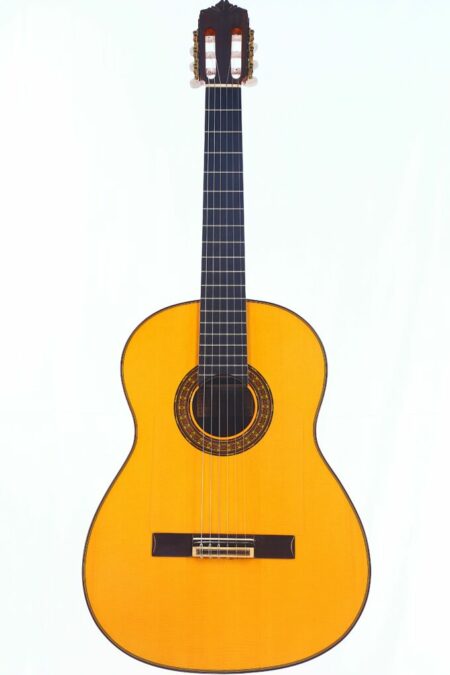
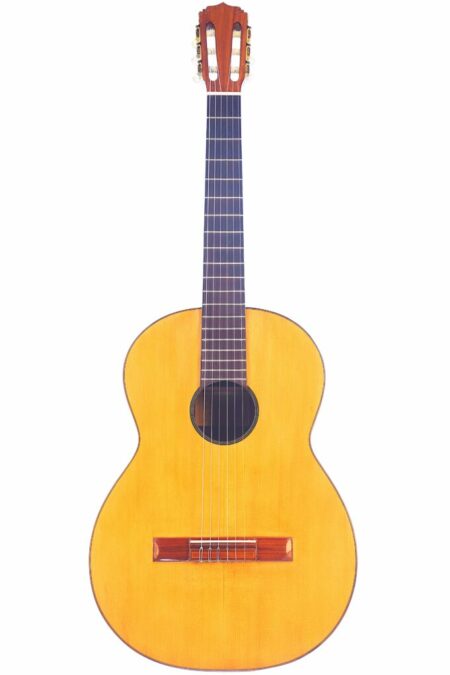
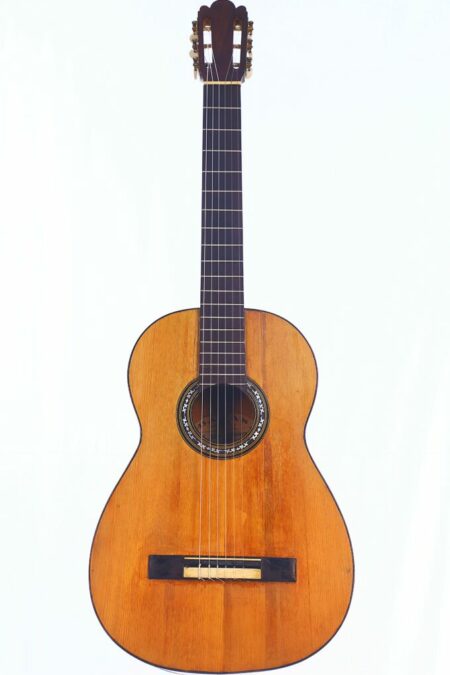
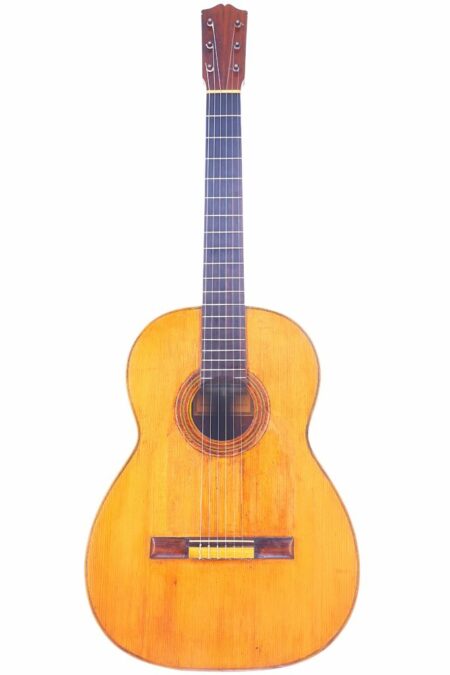
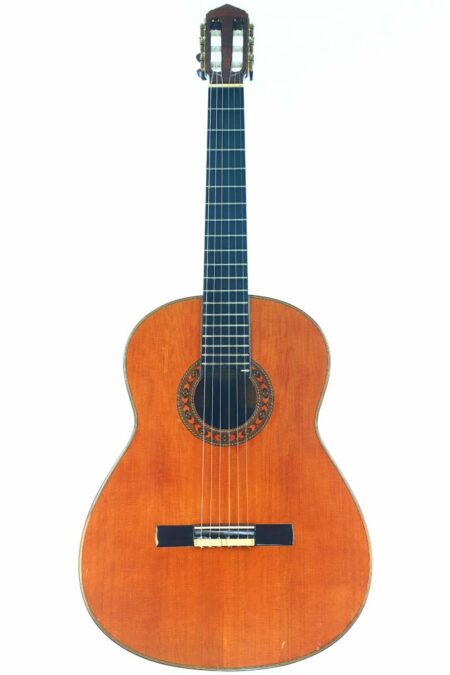
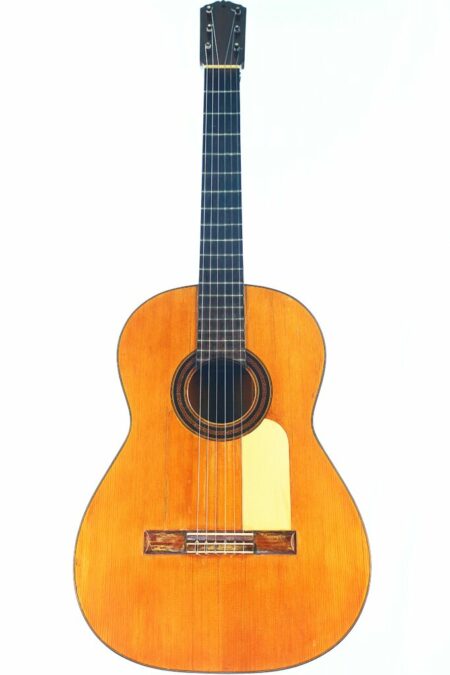
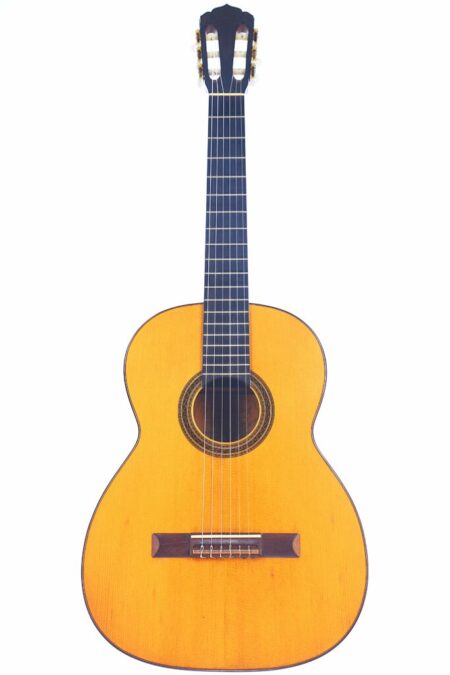
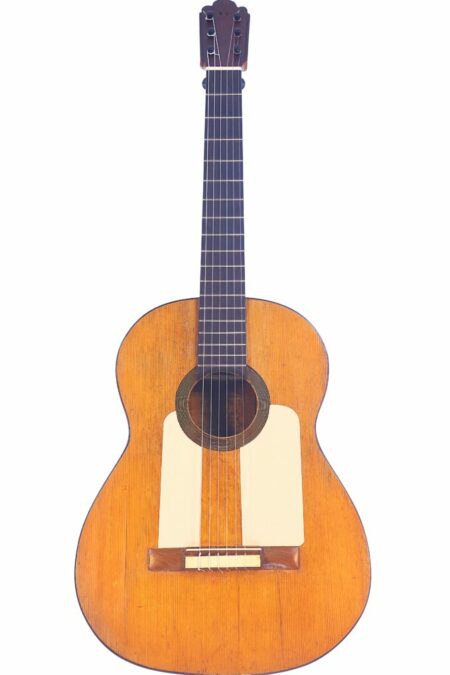
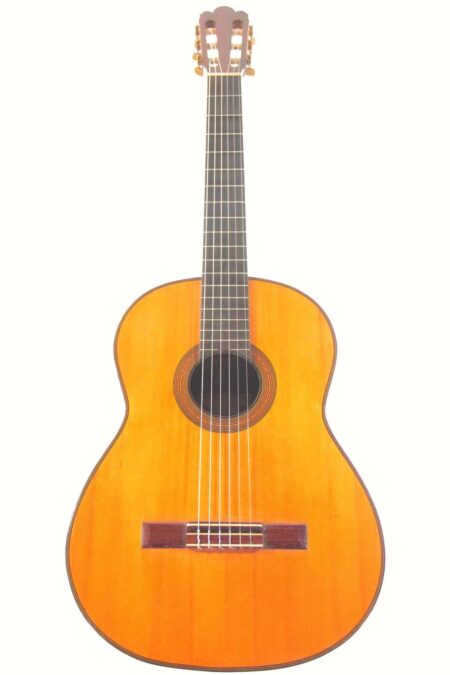
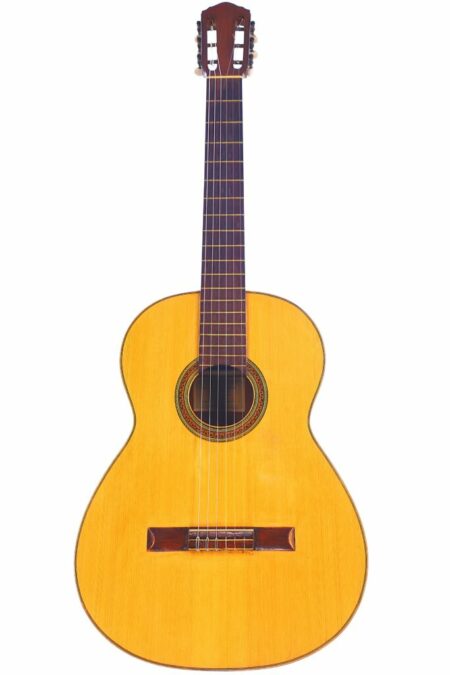
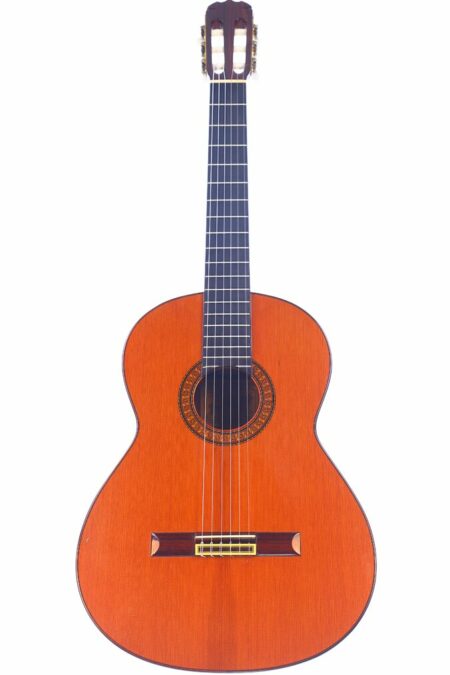
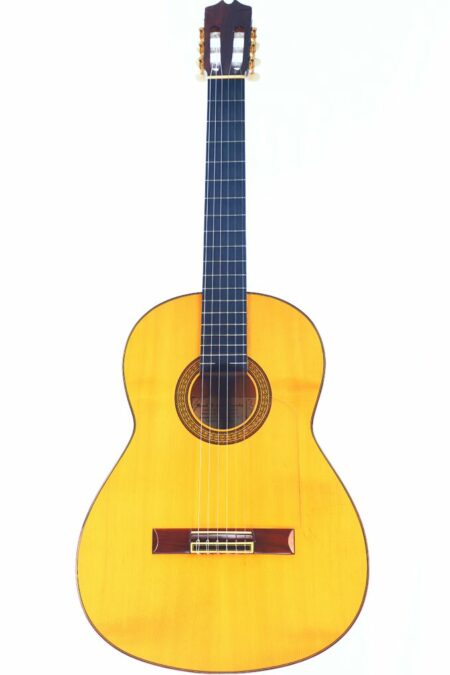
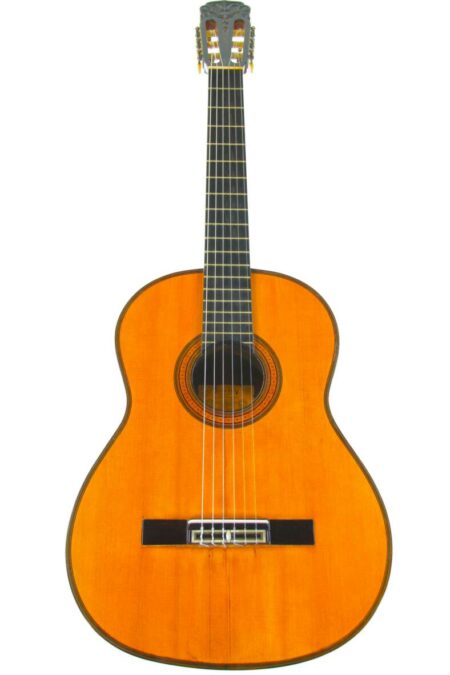
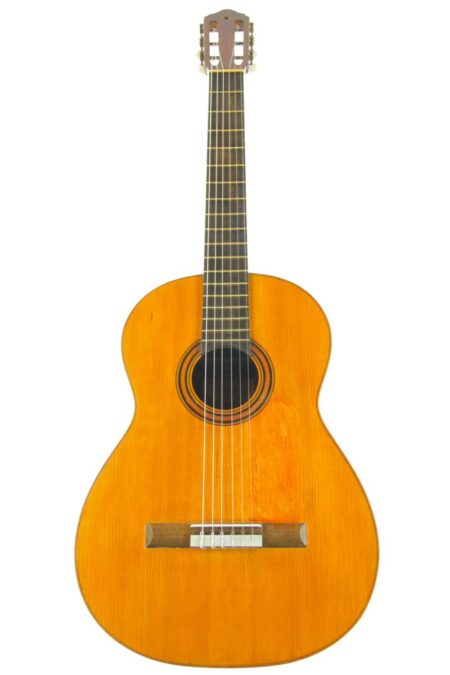
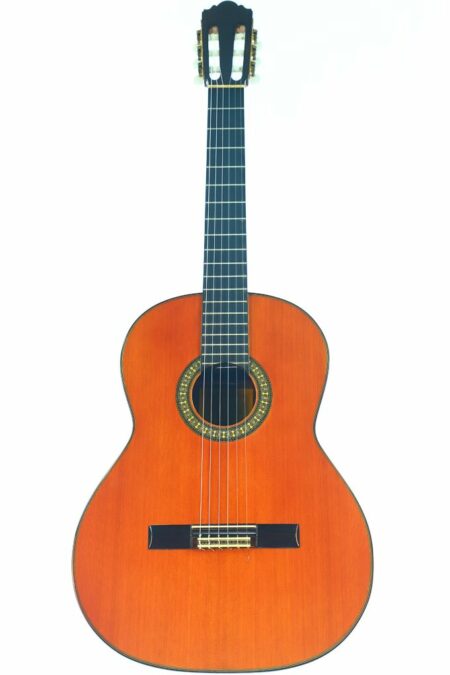
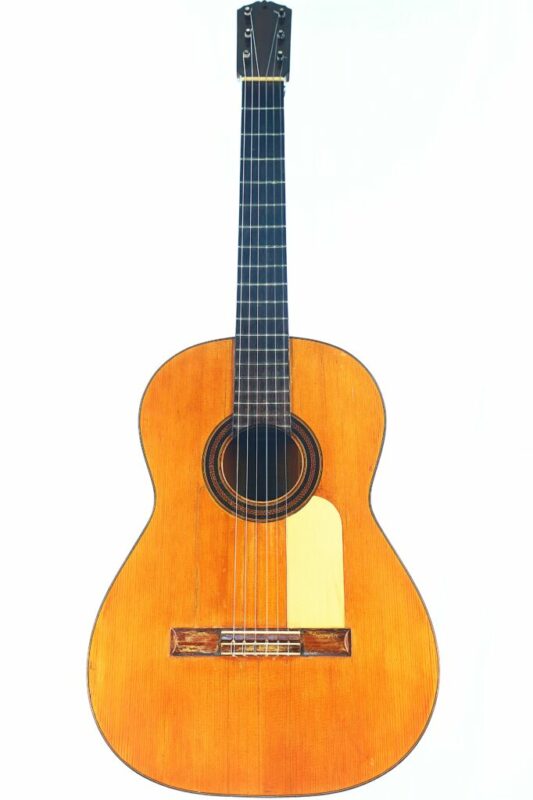
Old Master guitars are the culmination of centuries of tradition and masterful craftsmanship. Renowned luthiers such as Antonio de Torres, Santos Hernandez, and Jose Ramirez have significantly shaped the history of the guitar with their innovative designs and techniques. Their instruments are not just musical tools; they are works of art that have set the standard for modern concert guitars.
The historical shapes of these guitars feature a classic body combined with a lightweight, masterful construction that provides exceptional playability and an extraordinary tonal experience. The finely crafted neck allows for precise handling, while the use of nylon strings produces a warm, gentle sound characteristic of the Spanish guitar tradition.
The tonal palette of old Master guitars is warm and nuanced, imparting a vintage quality that many musicians cherish. These instruments offer not only remarkable sound richness and projection but also an emotional depth that enables players to express their musical ideas authentically. Old Master guitars are thus significant not only for classical music enthusiasts but for anyone wishing to experience the timeless beauty and distinctive character of these instruments.
From Origin to Present – Guitar Making with Tradition
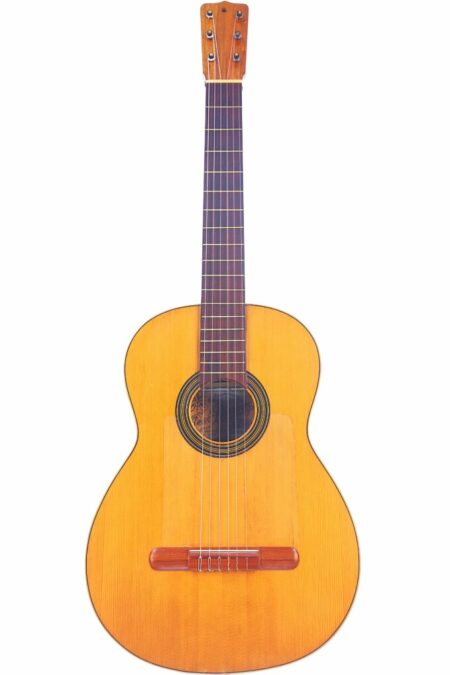
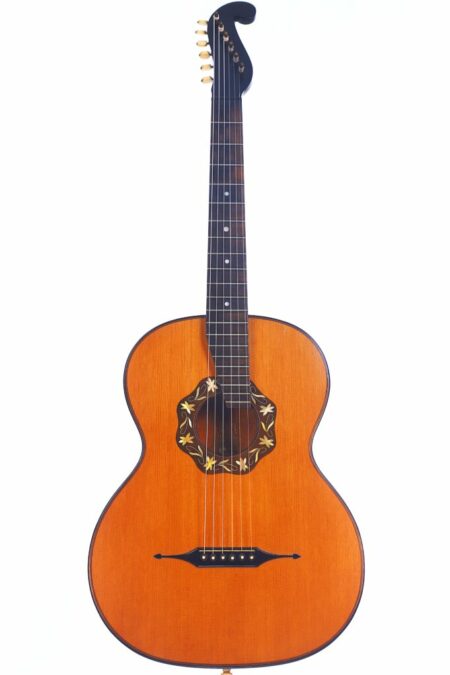
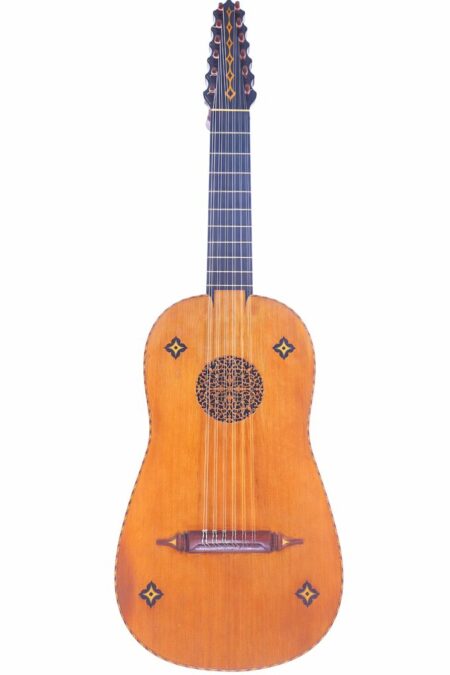
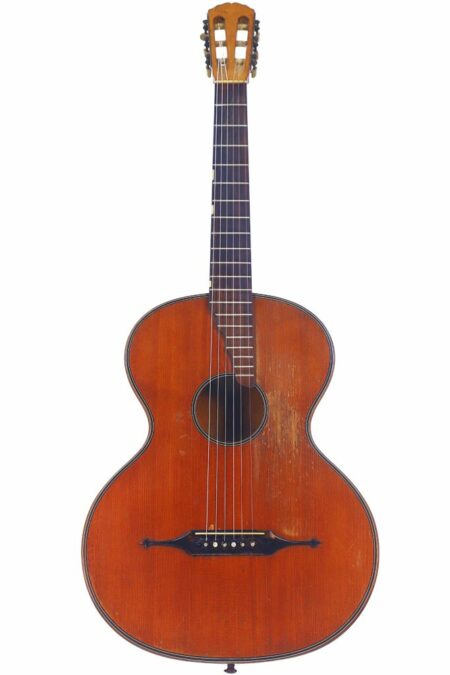
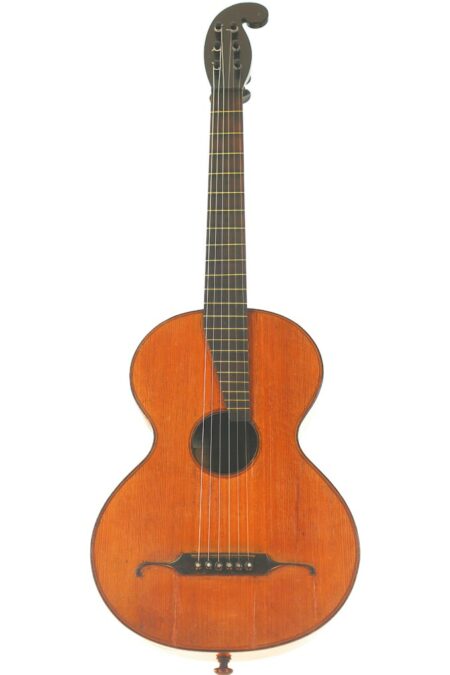
The art of guitar making has undergone a fascinating evolution, ranging from the vihuela to modern classical and flamenco guitars. The vihuela, a precursor to today's guitar, significantly influenced the shape and tone of the instrument. Over the centuries, the guitar has evolved, with refinements in construction and materials.
Typical materials used in guitar making include premium woods such as spruce or cedar for the top, renowned for their tonal qualities. The neck is often made from mahogany, maple, or cedar, providing stability and comfort for play. The fingerboard, typically made from rosewood or ebony, offers a pleasant playing surface and contributes to the instrument's overall sound. The body is often constructed from rosewood, with flamenco guitars traditionally made from cypress. These high-quality materials are crucial for the characteristic sound and longevity of the instruments. Traditional Spanish guitar making thus combines craftsmanship with musical passion, creating instruments that inspire generations of musicians.
Old Master Guitars vs. Modern Concert Guitars
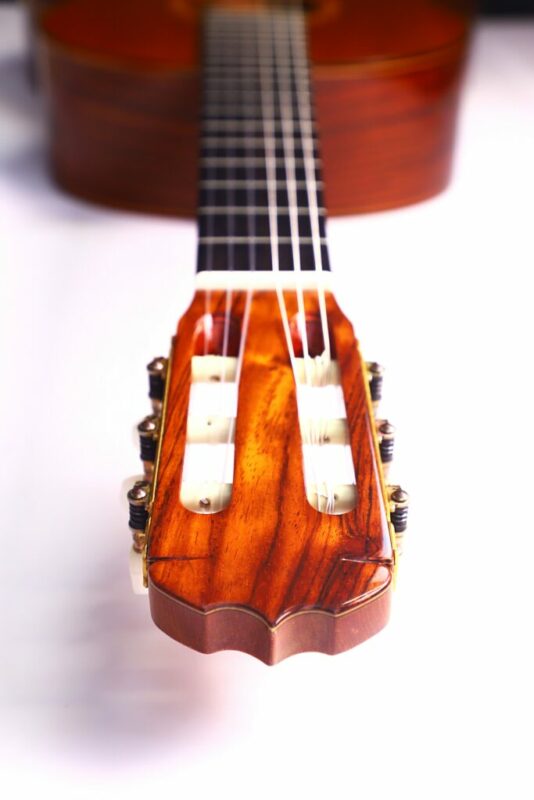
Old Master guitars and modern concert guitars share a close connection, as today's models are based on the traditions and techniques of the old masters. While both types exhibit many similarities in construction, there are subtle differences in design, scale length, and volume that influence the playing experience.
Modern concert guitars are often designed to be lighter and more ergonomic, enhancing playability. Nevertheless, they retain many of the characteristic features of their predecessors. In contrast, old Master guitars are distinguished by their matured sound, developed through years of use and the instrument's natural aging process. These guitars frequently consist of lightweight, high-quality materials that deliver an incredible sonic experience—one that must be experienced firsthand.
Another advantage of old Master guitars is the exceptional craftsmanship and 100% handwork involved in their production. Great care was taken to perfect every detail. Compared to modern classical and acoustic guitars, old Master models offer a unique vintage character and tonal richness that many musicians find unparalleled. These instruments are not only musical tools but also valuable heirlooms that keep the history of guitar making alive.
Who Are Old Master Guitars Suitable For?
Old Master guitars are particularly suited for professionals, collectors, classical guitarists, and flamenco players. These instruments offer a unique combination of playability, sound, and history, making them a valuable addition to any music collection.
For professional musicians, old Master guitars are often the preferred choice due to their matured sound and excellent response, which can significantly enhance musical expression. Collectors appreciate them not only for their sound quality but also for their craftsmanship, historical significance, and the investment potential that vintage guitars possess.
Classical guitarists find in these guitars the perfect balance between tradition and modern playing techniques, while flamenco players benefit from the dynamic expressiveness and unique resonance that old Master models provide.
If you wish to learn more about the different types, be sure to check out our categories for flamenco guitars and classical guitars.
Frequently Asked Questions about Old Master Guitars
Question: What is the old Spanish guitar called?
Answer: The old Spanish guitar is often simply referred to as the "Spanish guitar." Historically, terms like traditional Spanish guitar or fan-braced guitar have also been used to highlight specific aspects of the construction.
Question: What makes a Spanish guitar special?
Answer: Spanish guitars are distinguished by their characteristic sound and craftsmanship. They offer excellent playability and are known for their warm, nuanced tonal quality.
Question: Are vintage guitars worth the money?
Answer: Vintage and historical guitars are definitely worth the investment, as they develop a matured sound over the years and are masterfully crafted. Their value typically increases over time, especially if they come from renowned makers.
Question: Who are the great masters of Spanish guitar making?
Answer: Great masters of Spanish guitar making include Antonio de Torres, Santos Hernandez, and Jose Ramirez. Their instruments have significantly influenced the development of the guitar and remain highly sought after today.
Question: What are the predecessors of the Spanish guitar?
Answer: The predecessors of the Spanish guitar are the vihuela, the baroque guitar, and the romantic guitar. These instruments laid important foundations for modern guitar making and were popular in various historical periods.
Question: How do old Spanish guitars differ?
Answer: Old Spanish guitars differ in their construction, materials used, and matured sound. They often possess a characteristic resonance and an individual history that makes each one unique.