
Nylon String Guitars
-

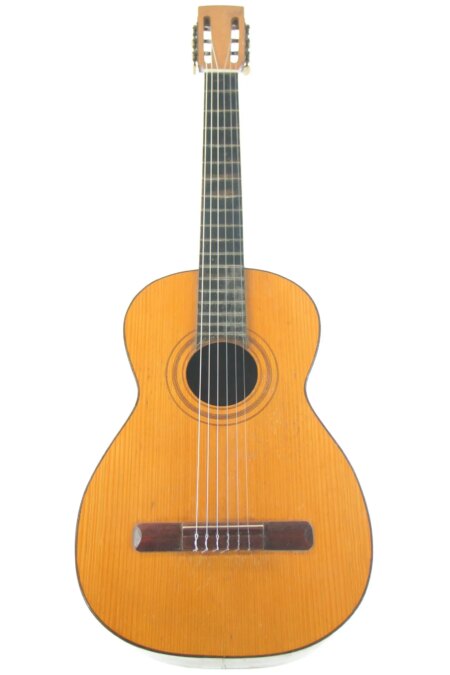
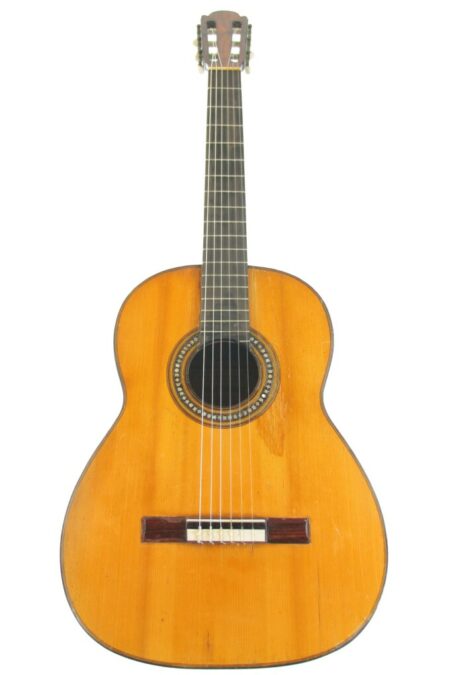
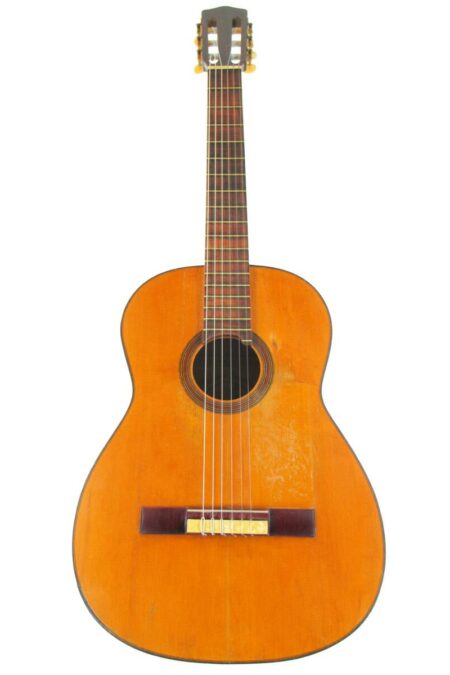
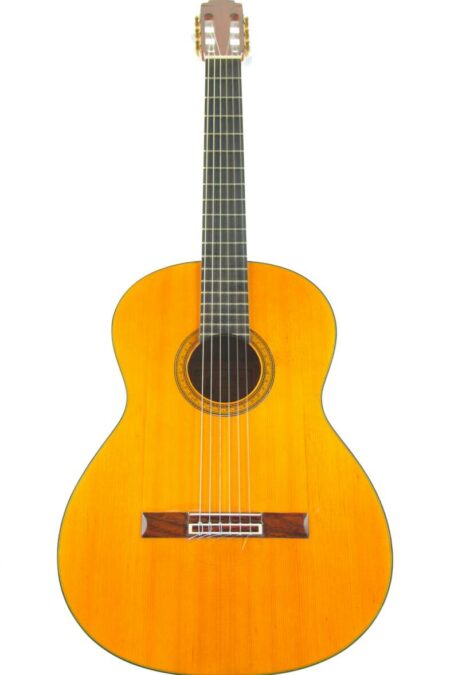
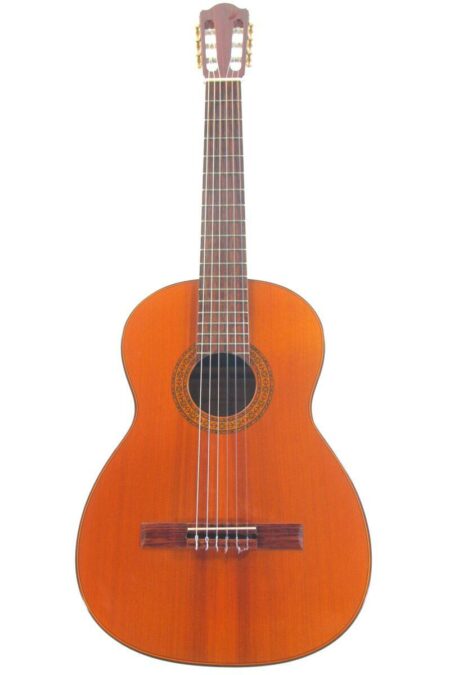
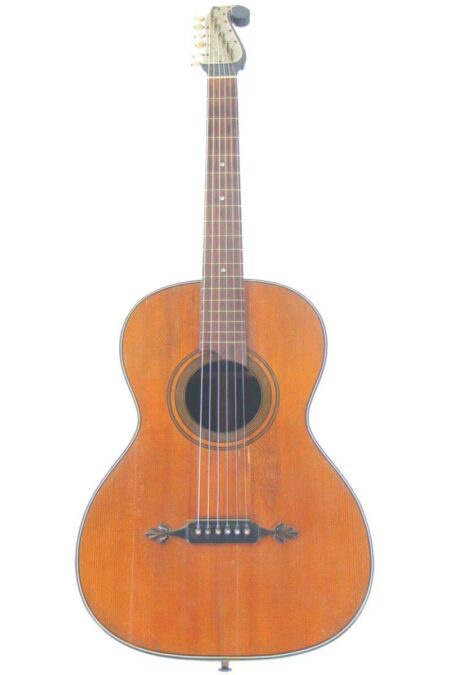
J. Cortes ~ 1900
plus Shipping
-
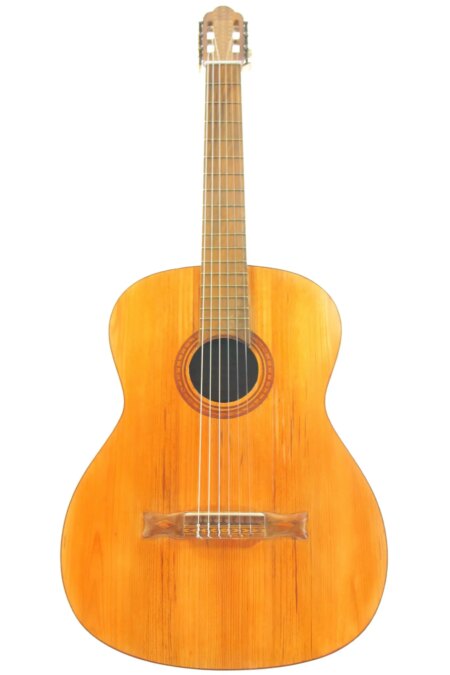
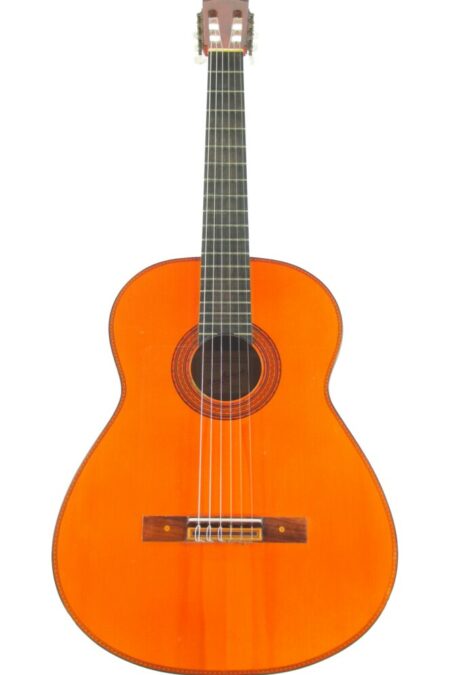
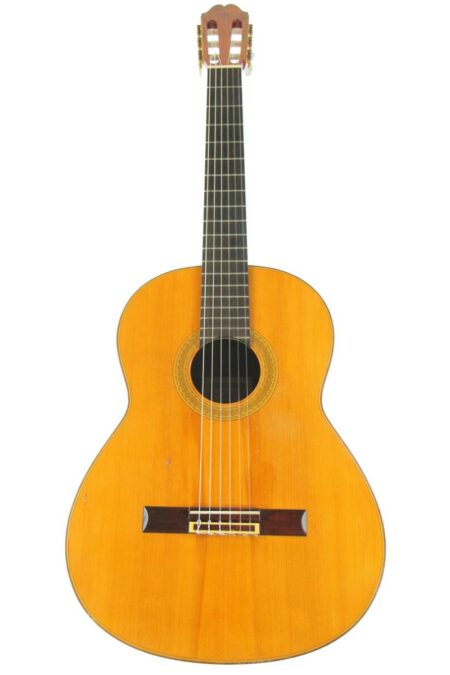
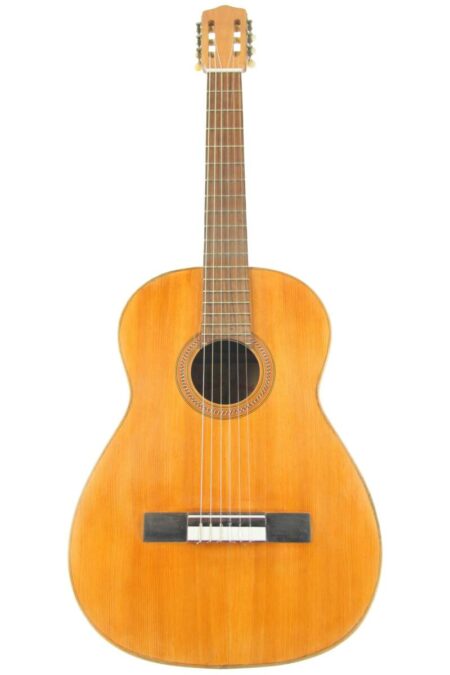
Jeronimo Pena 1959 Flamenco
plus Shipping
-
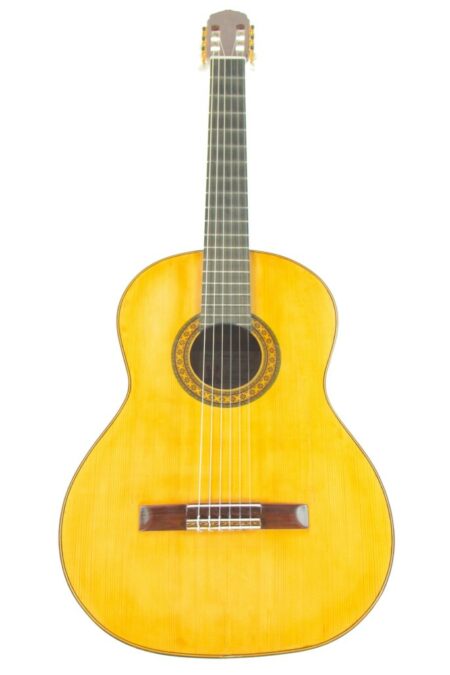
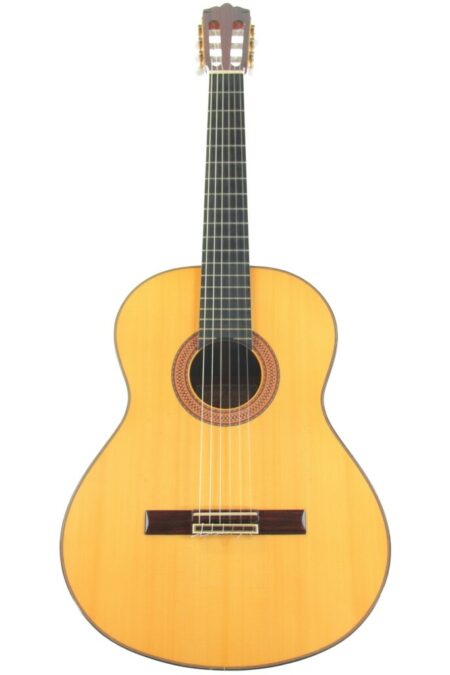
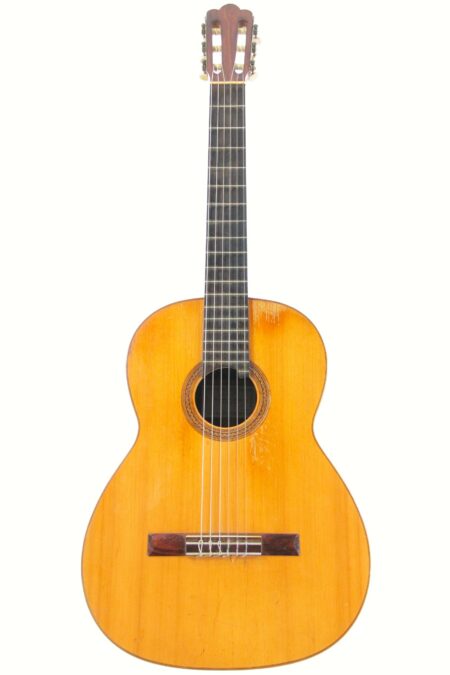
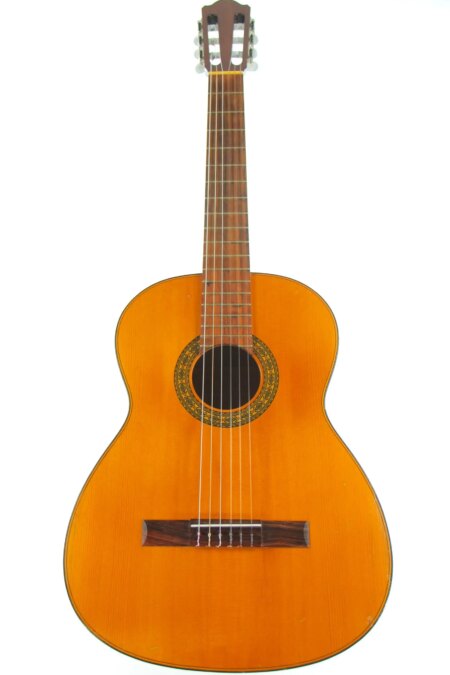
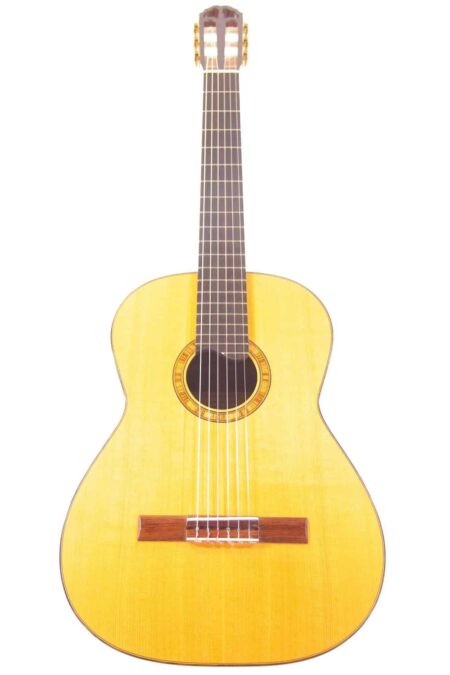
Juan Conejo Cebrián 2008
plus Shipping
-
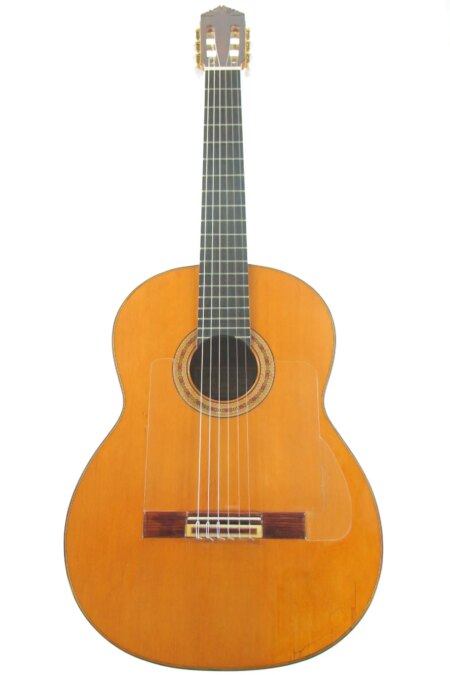
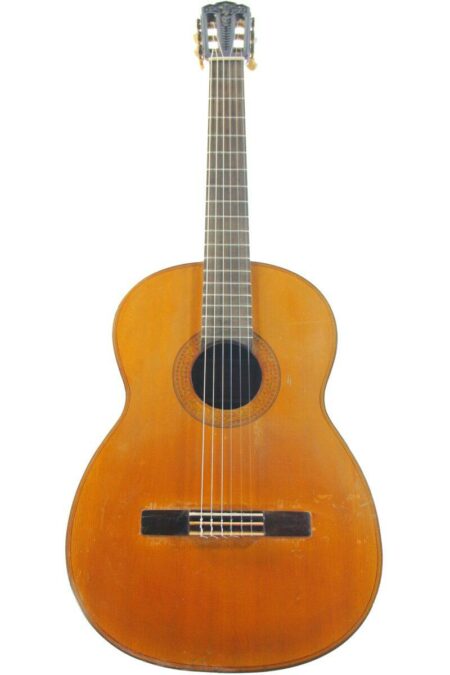
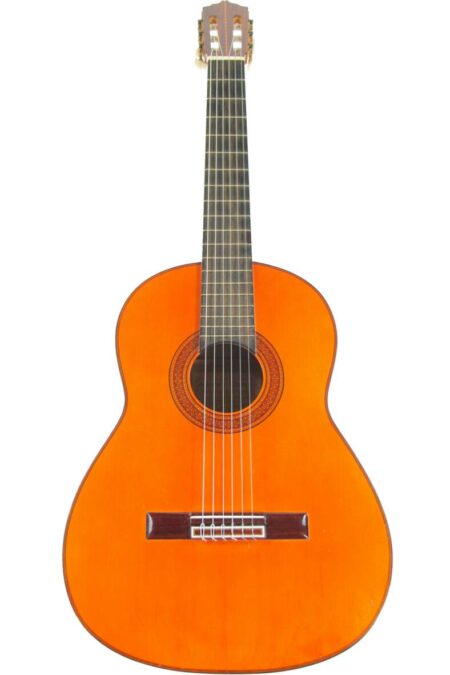
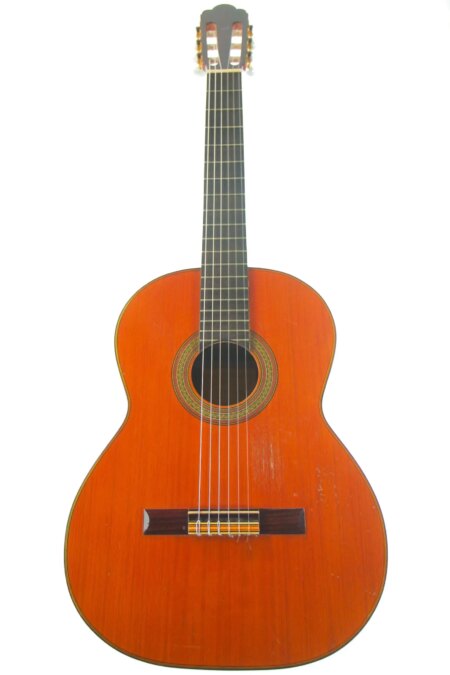
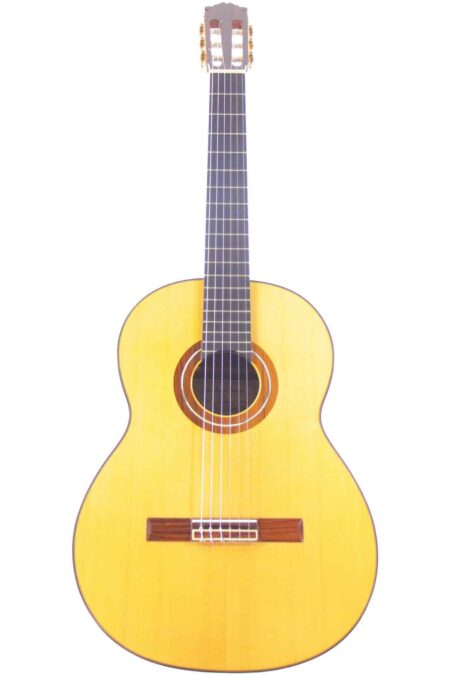
Manuel Rodriguez Sr. 1958
plus Shipping
-
Gerundino Fernandez “Mariano Mangas” 1995
plus Shipping
-
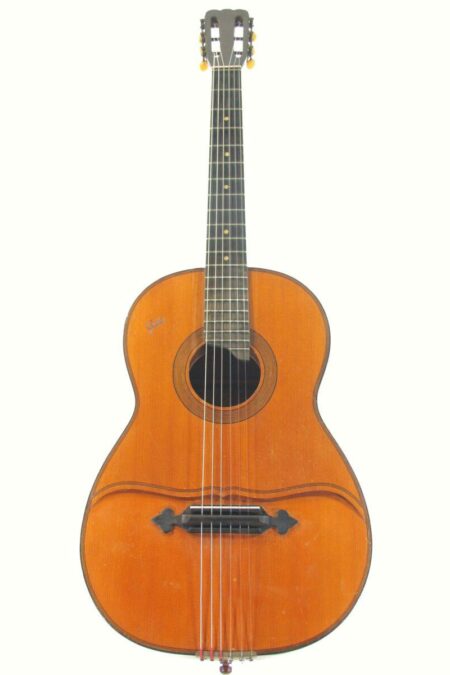
Lucien Gelas 1956 “double top”
plus Shipping
-
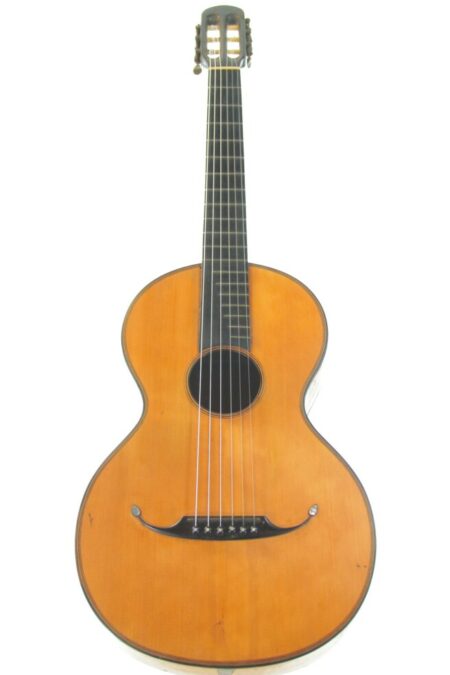
Stauffer style ~1880
plus Shipping
-
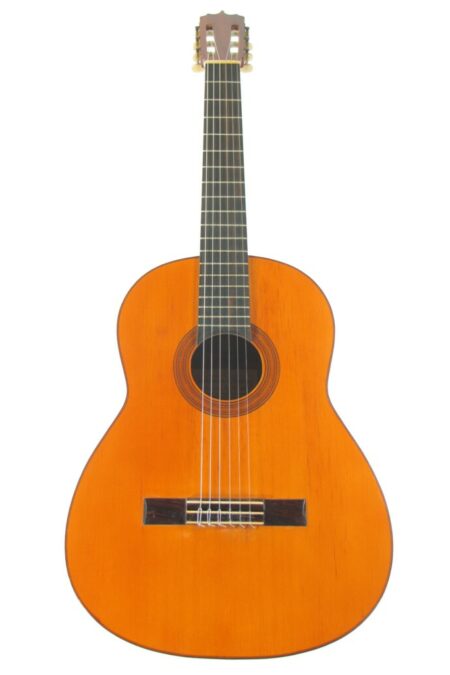
Alfonso Checa 1975
plus Shipping
-
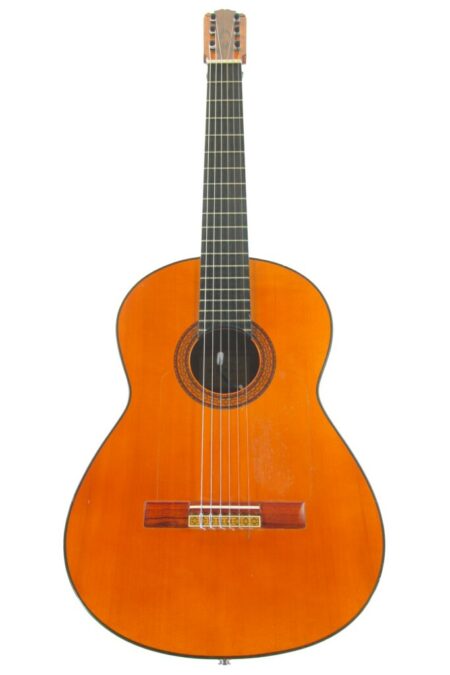
Manuel Contreras 1977 Flamenco
plus Shipping
-
Antonio Lopez Martin 1939
plus Shipping
-
Francisco Sanchez 2015 “negra”
plus Shipping
-
José Ruiz Pedregosa 2012
plus Shipping
-
Jose Yacopi 1970’s
plus Shipping
-
Hermanos Estruch ~1905
plus Shipping
-
Pedro Maldonado 1993
plus Shipping
-
Juan Alvarez Y-20CA 2015
plus Shipping
-
Antigua Casa Nunez 1957
plus Shipping
-
Enrique Sanfeliu ~1915
plus Shipping
-
Charles Philbert ~1830
plus Shipping
-
Ricardo Sanchis Nacher ~1945 Flamenco
plus Shipping
-
Hirohiko Hirose Tasuhiko model 10 1978
plus Shipping
-
Modesto Borreguero 1944
plus Shipping
-
Alfonso Checa 1977 Flamenco
plus Shipping
-
Maximiano Fontiveros 1983
plus Shipping
-
Ricardo Sanchis Nacher ~1950 classical guitar
plus Shipping
-
Anton Sandner 1984
plus Shipping
-
Juan Estruch “Chet Atkins” yellow label 1976
plus Shipping
-
Julio Conde 1991 (Hermanos Conde)
plus Shipping
-
Jose Lopez Bellido 1982 Flamenco
plus Shipping
-
Out of stock
Asturias Model 500 M. Matano
-
Romanek Tihamer 1999
plus Shipping
-
Erwin von Grüner 1985 “Torres”
plus Shipping
-
Johann Georg Stauffer style ~1900
plus Shipping
-
Christoph Sembdner 1999
plus Shipping
-
Sale!
Juan Miguel Gonzalez 2003
plus Shipping
-
Jose Ramirez I 1909 „Guitarra de Tablao“
plus Shipping
-
Anselmo Solar Gonzalez 1964
plus Shipping
-
Manuel Reyes 1961
plus Shipping
-
Hans Raab Vienna model 1925
plus Shipping

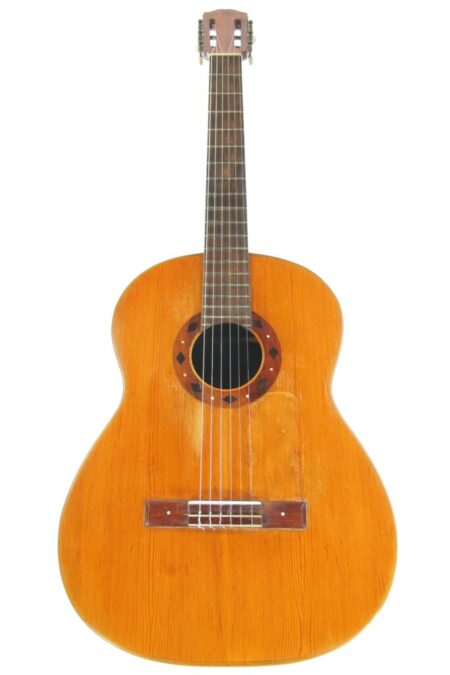
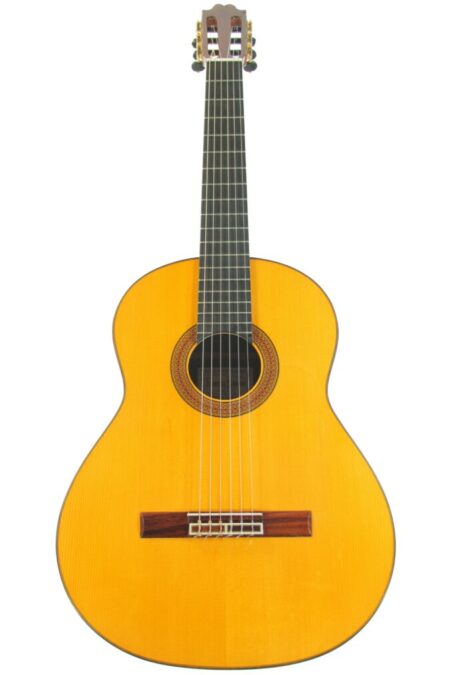
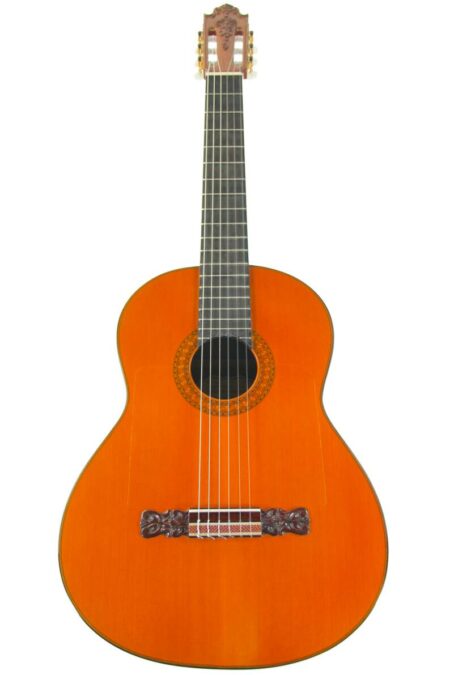
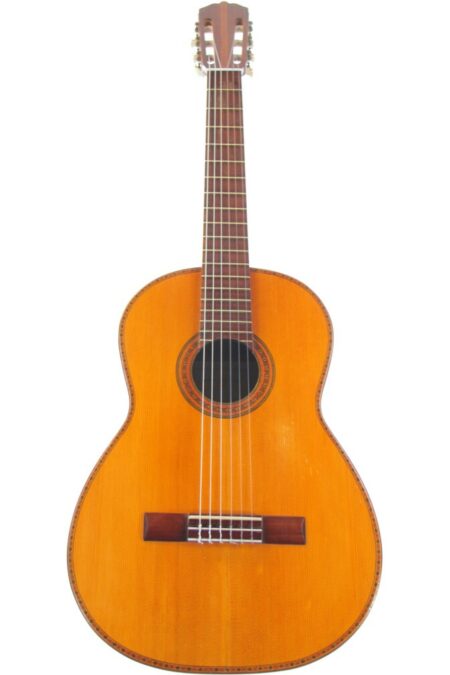


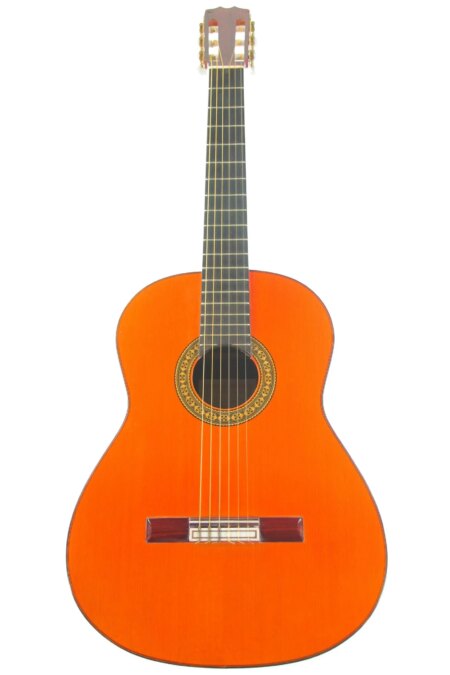
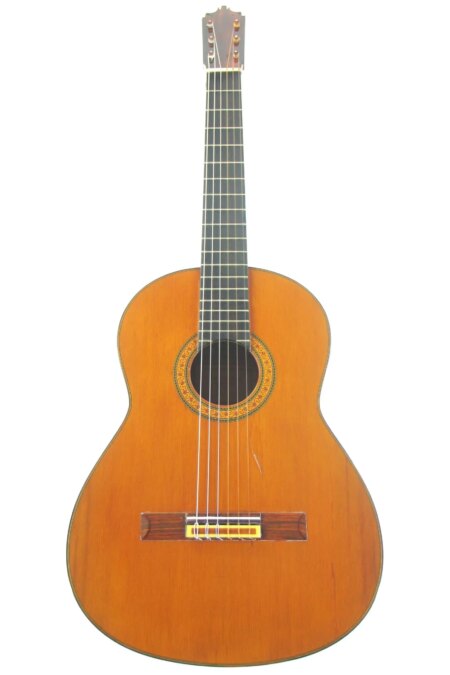
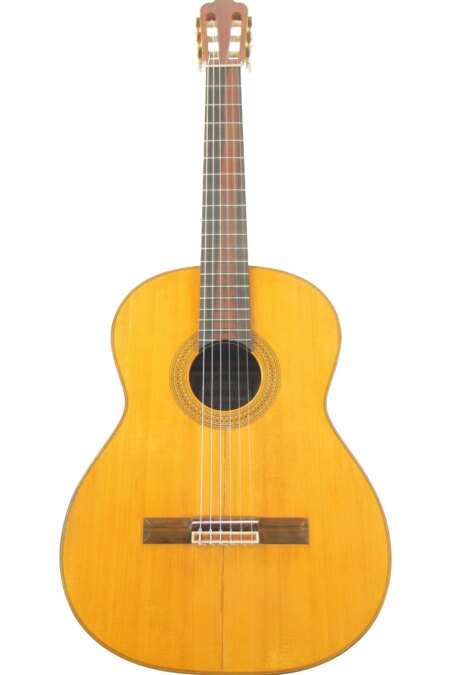
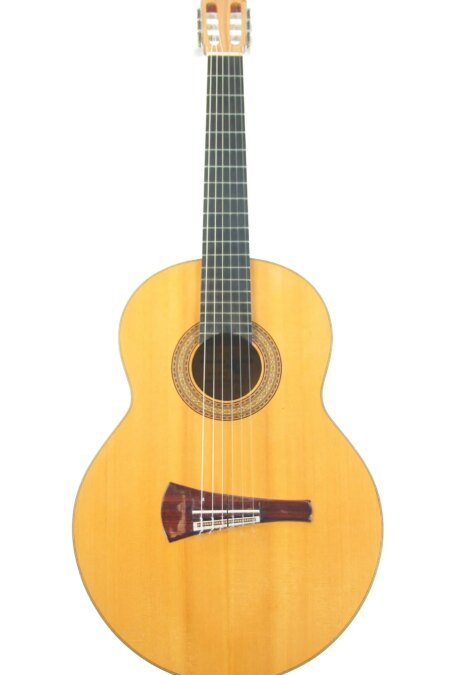
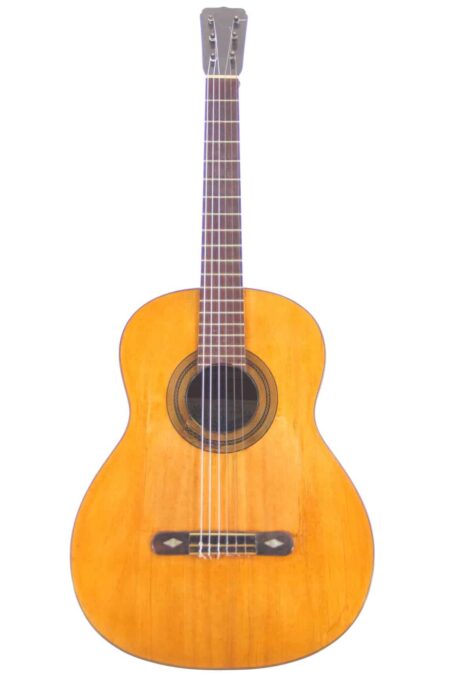


Nylon String Guitars – Classic Sound & Stylish Craftsmanship
What is a Nylon String Guitar – and What Sets It Apart?
A nylon string guitar, often used synonymously with the classical guitar, is a high-quality string instrument specifically designed for classical music, Flamenco, and fingerstyle playing. Typical features include the use of nylon strings, which produce a soft, warm sound, as well as a wider nut (often 52 mm) that offers players more space for complex finger techniques.

The scale length is usually 650 mm, allowing for balanced responsiveness and playability. The sound of the nylon string guitar is characterized by harmonious balance, making it ideal for the mentioned music styles.
Construction Materials – The Difference Maker
The types of woods used in the construction of nylon string guitars are crucial for sound and playability. Spruce is popular for the top, providing a clear, projecting tone, while cedar offers a warm, voluminous tonal quality.
For the back and sides, rosewood and mahogany are common; rosewood produces rich, complex sounds, while mahogany generates a warm, resonant tone. Maple is often used to achieve a brighter sound, and ebony, frequently used for fingerboards, provides excellent playability and durability.
The quality of the materials and the precision of the mechanics are also important. High-quality tuning machines ensure accurate tuning stability and contribute to the tonal development of the nylon string guitar, making it a preferred instrument for professional musicians.
Which Nylon String Guitar is Right for You?
Choosing the right nylon string guitar depends on your level of experience and musical style. For beginners, lightweight models with nylon or hybrid strings are ideal, as they are gentler on the fingertips and offer lower string tension. Look for a standard size that suits most players well.
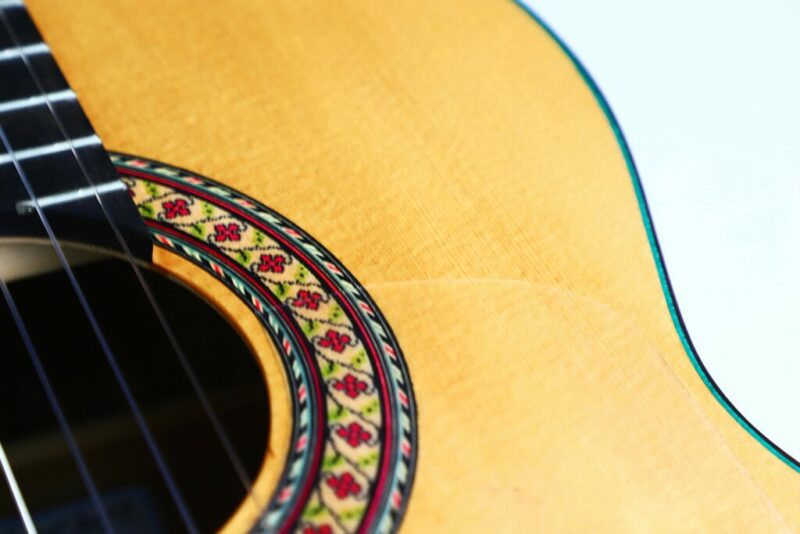
Advanced players might opt for a guitar with a larger top surface and higher string tension to achieve more sound volume and projection. Models with different body shapes, such as a cutaway guitar, provide better access to higher frets.
Professionals should consider custom-made instruments crafted from high-quality woods and precise construction to support their individual sound and playing style. Also, consider your musical style: Flamenco guitars often have different construction compared to classical nylon string guitars. Try out various models to find the best feel and optimal sound for you.
Frequently Asked Questions
| Question | Answer |
|---|---|
| What is the difference between an acoustic guitar and a nylon string guitar? | The acoustic guitar typically uses steel strings and has a brighter sound, while the nylon string guitar has nylon strings that produce a warmer, fuller tone. |
| Which is easier to play – acoustic guitar or electric guitar? | The electric guitar often has thinner strings and is easier to play, especially for chords and solos. The acoustic guitar requires more finger strength. |
| Which guitar shape is the best? | The best guitar shape depends on your playing style and preferences. Nylon string guitars often have a classical shape, while acoustic guitars have wider bodies. |
| Are Spanish guitar, classical guitar, and nylon string guitar synonymous terms? | Yes, these terms are often used interchangeably as they refer to similar instruments designed for classical music. |
| What accessories do I need, such as tuners, footstools, music stands, etc.? | A tuner is essential to ensure your guitar is always in tune. A footstool and music stand are helpful for comfort and organization while playing. There are many other practical accessories available. |
| Is a guitar case good for my guitar? | Yes, a guitar case protects your guitar from bumps, moisture, and temperature fluctuations. A hard case offers the best protection, while a gig bag is lighter and more portable. |
| Is a nylon string guitar only for classical guitarists? | No, a nylon string guitar can be used by musicians of all skill levels and styles. It is ideal for classical music but also works well for Flamenco and fingerstyle. |