
Luthier Guitars
-

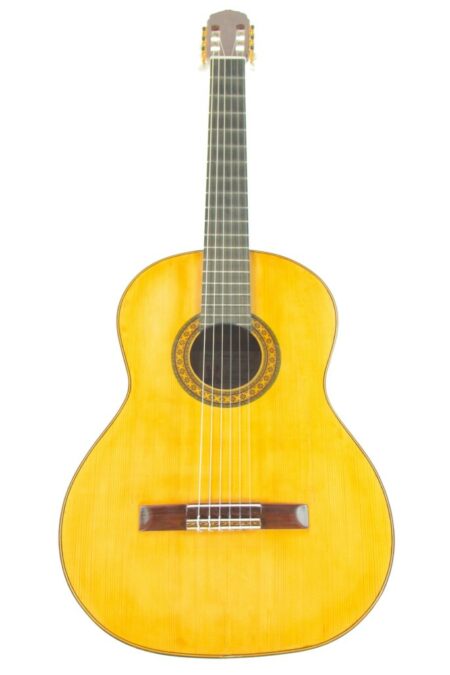
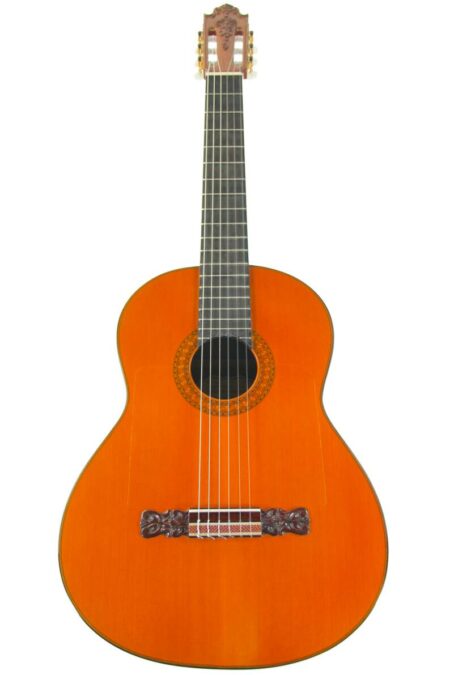
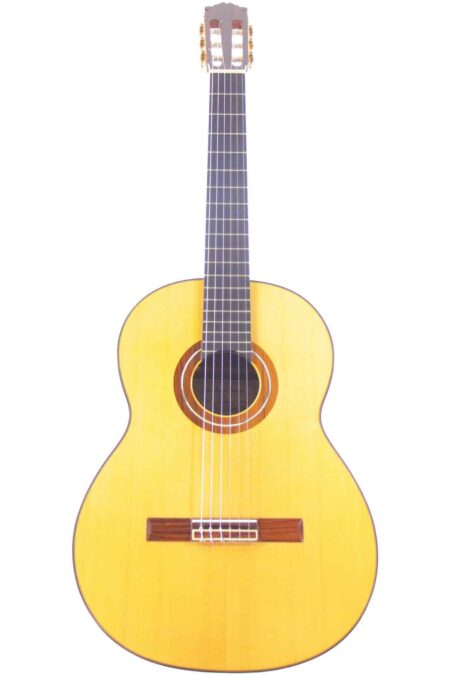
Juan Conejo Cebrián 2008
plus Shipping
-
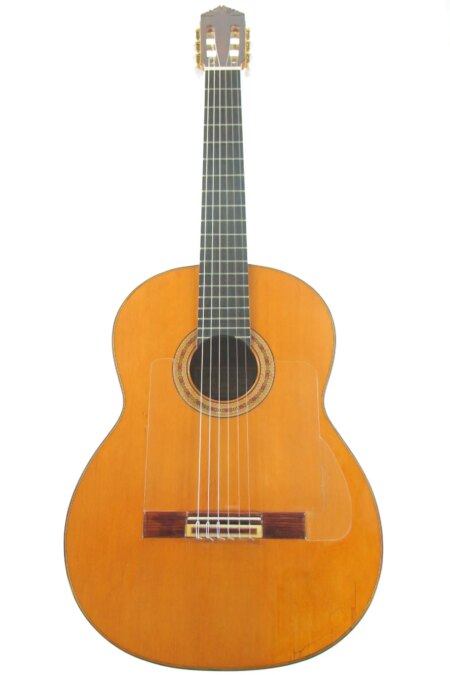
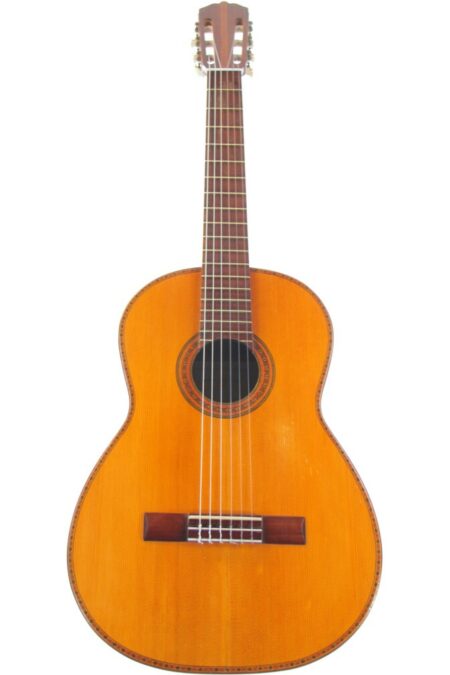
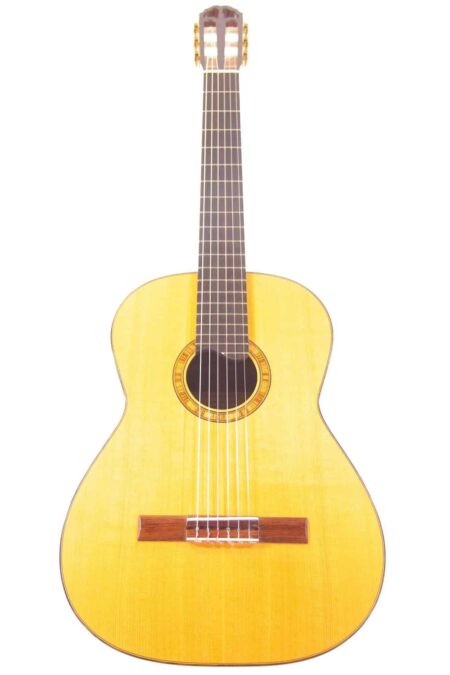
Manuel Rodriguez Sr. 1958
plus Shipping
-
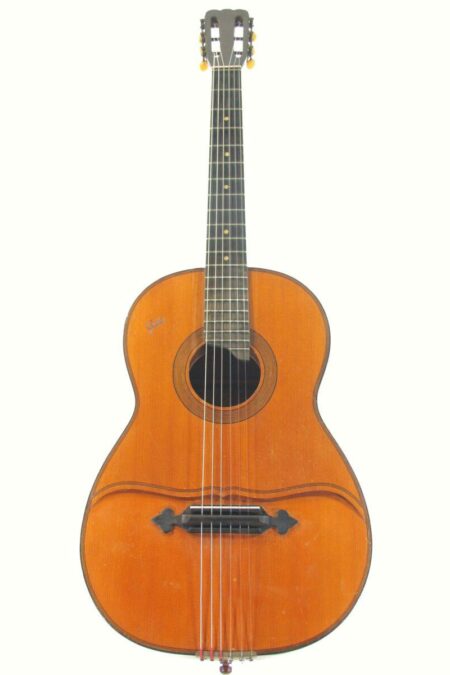
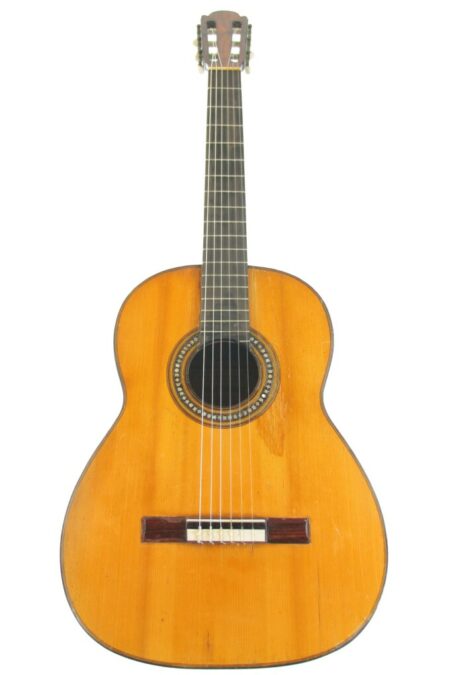
Gerundino Fernandez “Mariano Mangas” 1995
plus Shipping
-
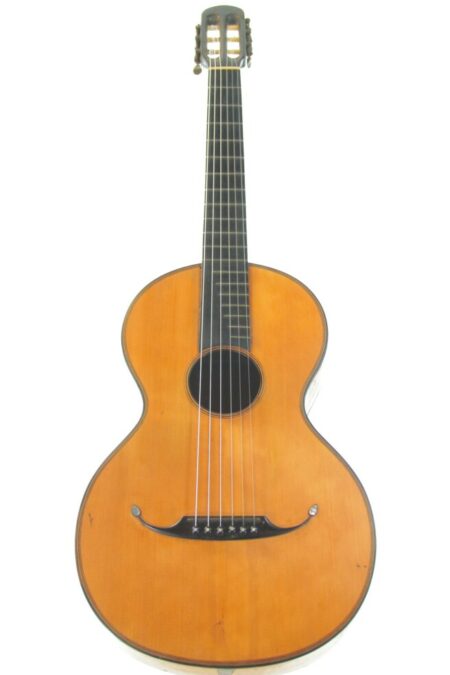
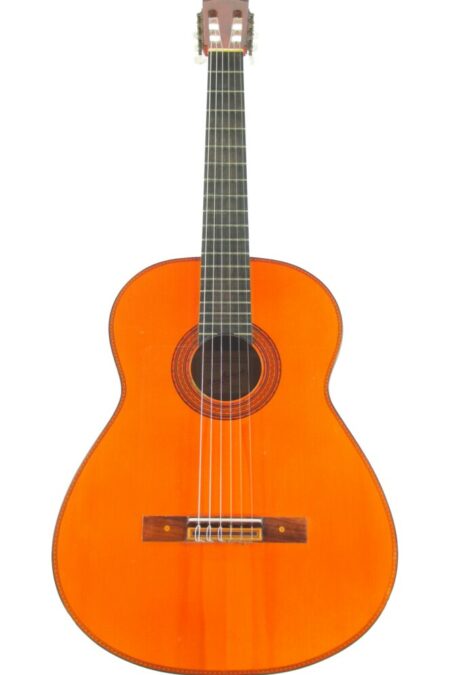
Lucien Gelas 1956 “double top”
plus Shipping
-
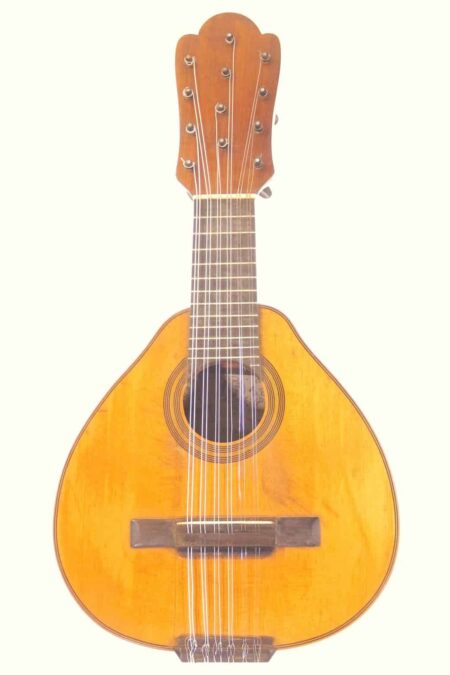
Stauffer style ~1880
plus Shipping
-
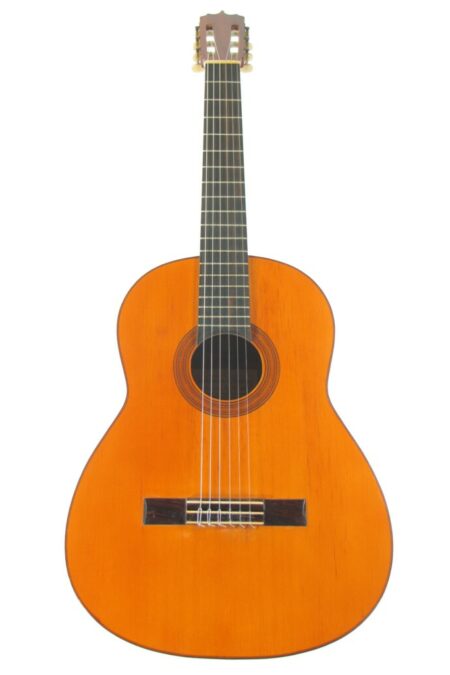
Alfonso Checa 1975
plus Shipping
-
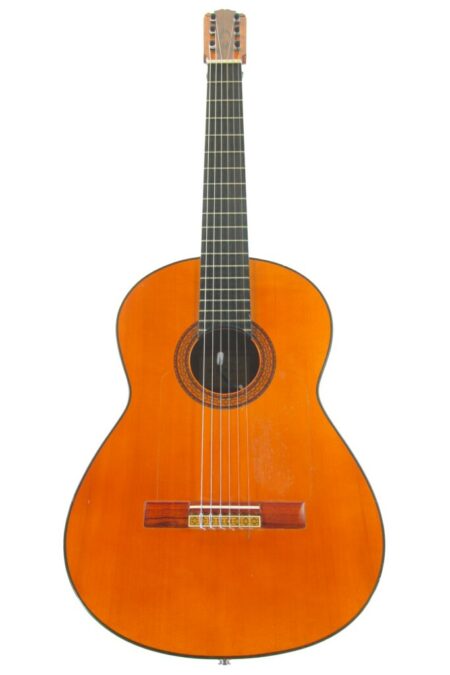
Manuel Contreras 1977 Flamenco
plus Shipping
-
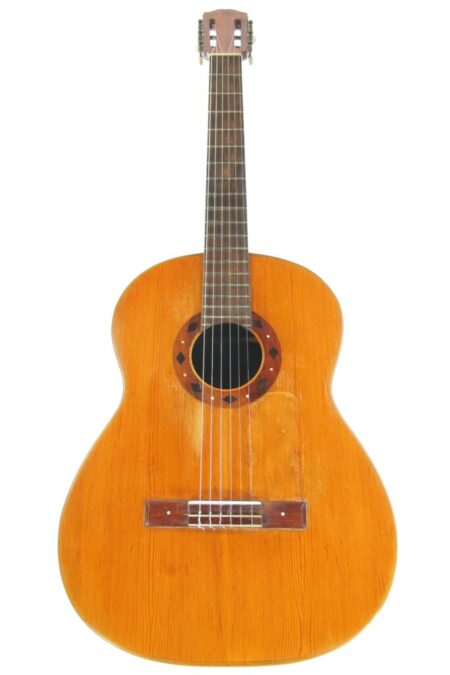
Antonio Lopez Martin 1939
plus Shipping
-
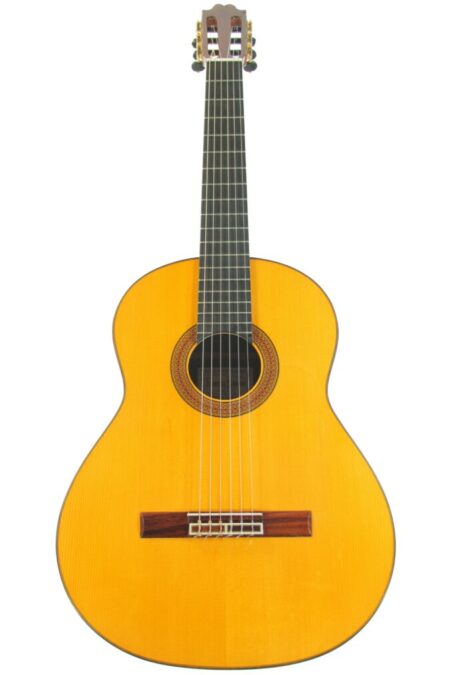
Francisco Sanchez 2015 “negra”
plus Shipping
-
José Ruiz Pedregosa 2012
plus Shipping
-
Jose Yacopi 1970’s
plus Shipping
-
Hermanos Estruch ~1905
plus Shipping
-
Pedro Maldonado 1993
plus Shipping
-
Juan Alvarez Y-20CA 2015
plus Shipping
-
Antigua Casa Nunez 1957
plus Shipping
-
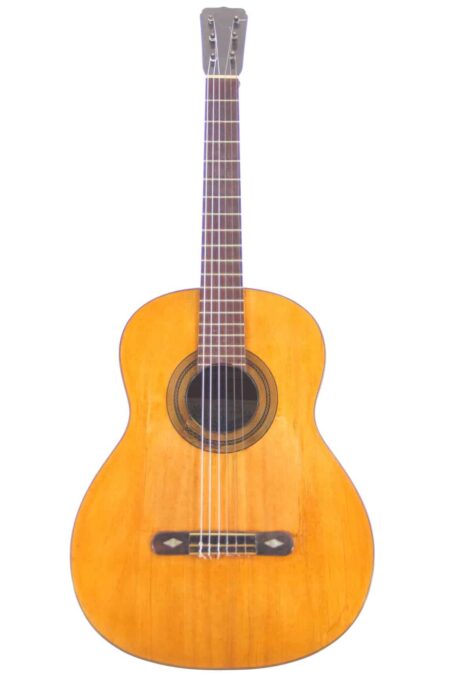
Enrique Sanfeliu ~1915
plus Shipping
-
Charles Philbert ~1830
plus Shipping
-
Ricardo Sanchis Nacher ~1945 Flamenco
plus Shipping
-
Hirohiko Hirose Tasuhiko model 10 1978
plus Shipping
-
Modesto Borreguero 1944
plus Shipping
-
Alfonso Checa 1977 Flamenco
plus Shipping
-
Maximiano Fontiveros 1983
plus Shipping
-
Ricardo Sanchis Nacher ~1950 classical guitar
plus Shipping
-
Anton Sandner 1984
plus Shipping
-
Juan Estruch “Chet Atkins” yellow label 1976
plus Shipping
-
Julio Conde 1991 (Hermanos Conde)
plus Shipping
-
Jose Lopez Bellido 1982 Flamenco
plus Shipping
-
Out of stock
Asturias Model 500 M. Matano
-
Romanek Tihamer 1999
plus Shipping
-
Erwin von Grüner 1985 “Torres”
plus Shipping
-
Johann Georg Stauffer style ~1900
plus Shipping
-
Vicente Arias 1898 Bandurria
plus Shipping
-
Christoph Sembdner 1999
plus Shipping
-
Sale!
Juan Miguel Gonzalez 2003
plus Shipping
-
Jose Ramirez I 1909 „Guitarra de Tablao“
plus Shipping
-
Anselmo Solar Gonzalez 1964
plus Shipping
-
Manuel Reyes 1961
plus Shipping
-
Out of stock
Hermann Hauser I Vienna model 1926
-
Hans Raab Vienna model 1925
plus Shipping

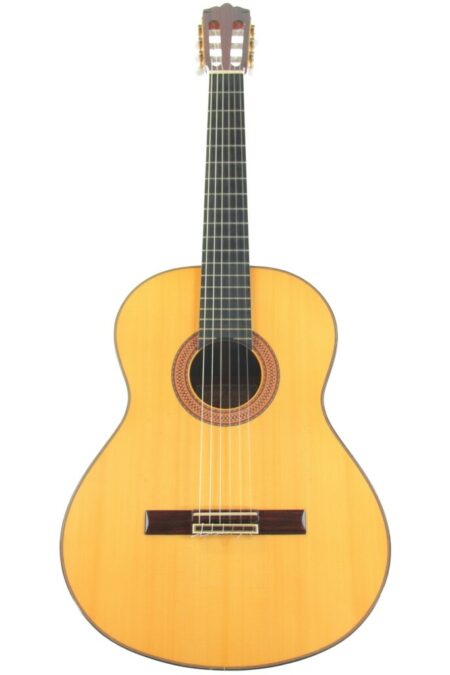
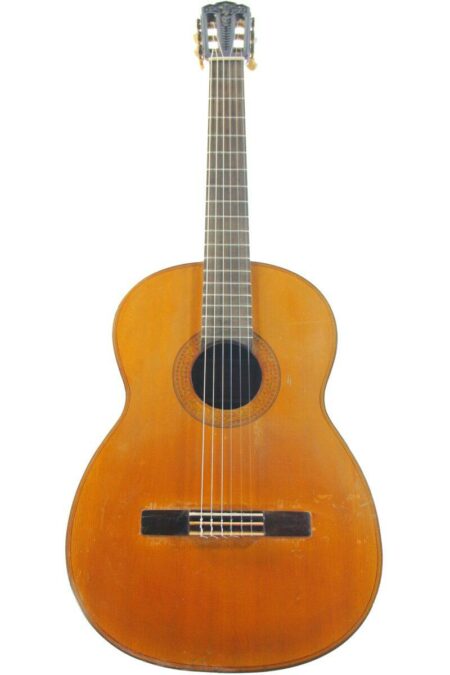


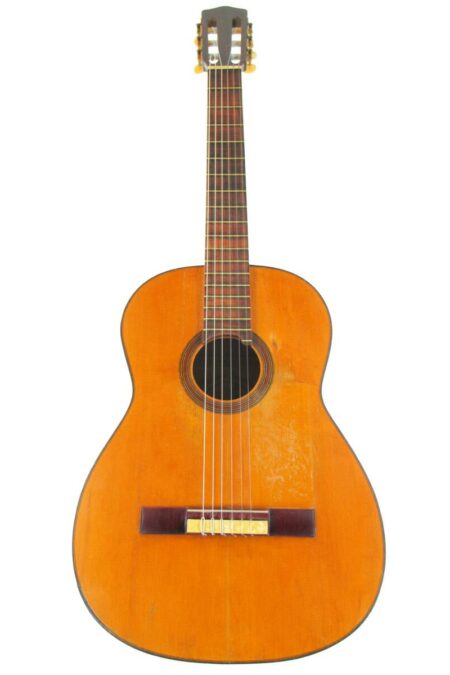
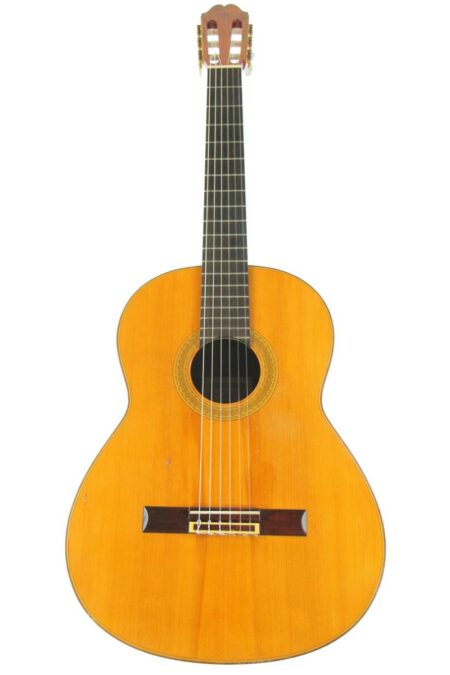
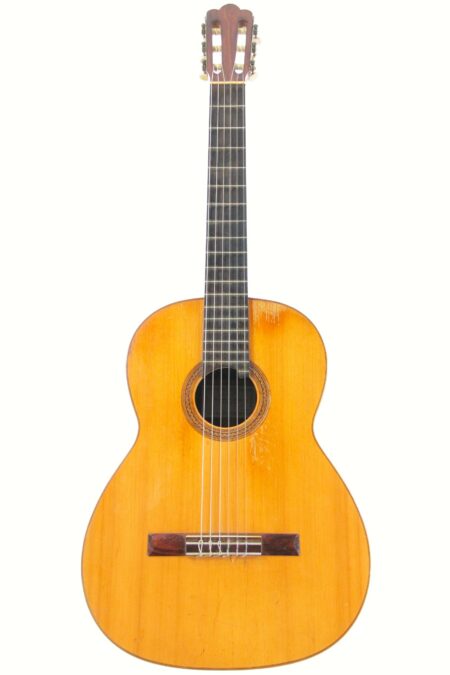
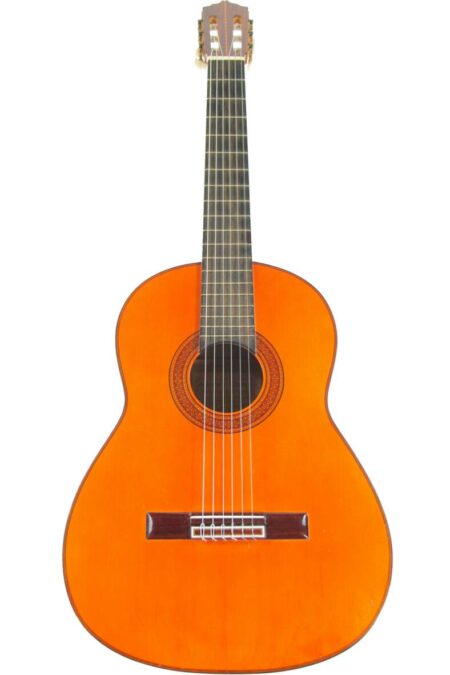
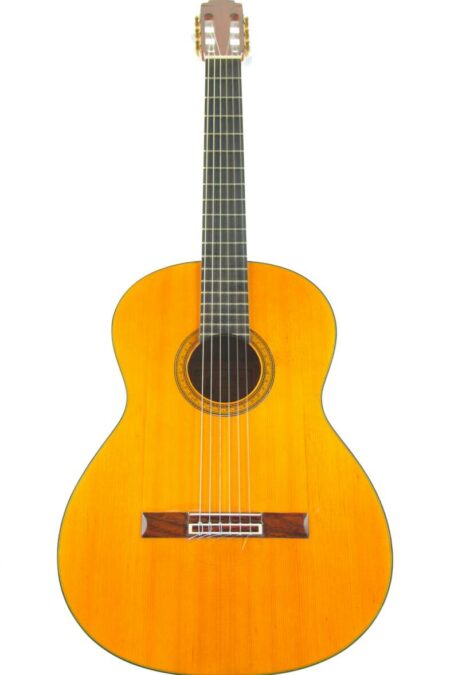
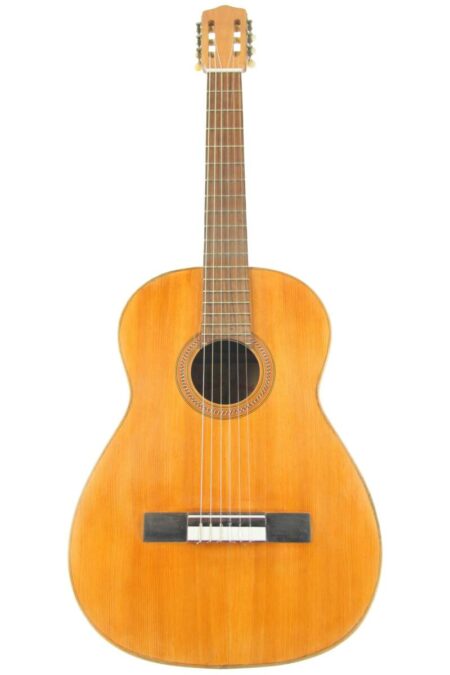
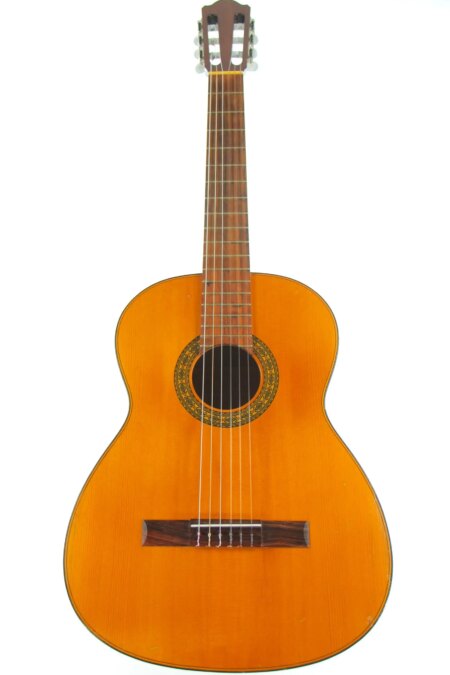
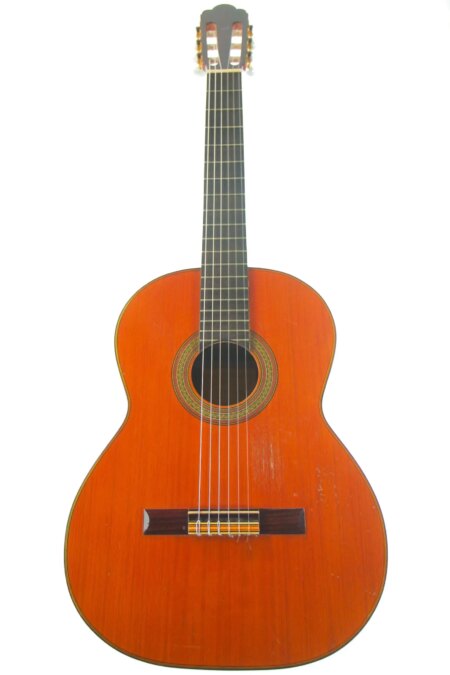
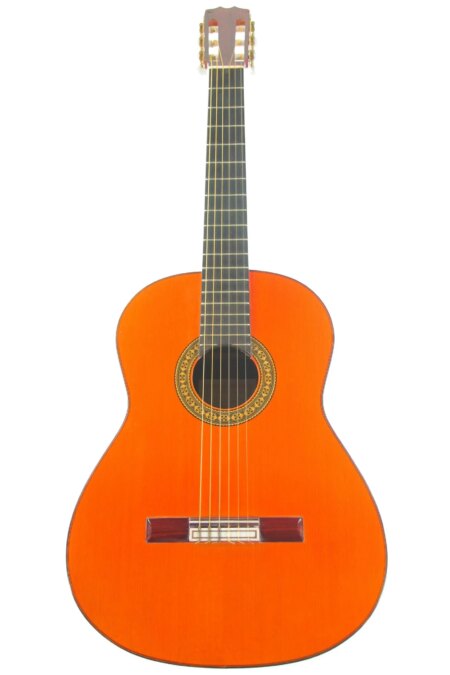
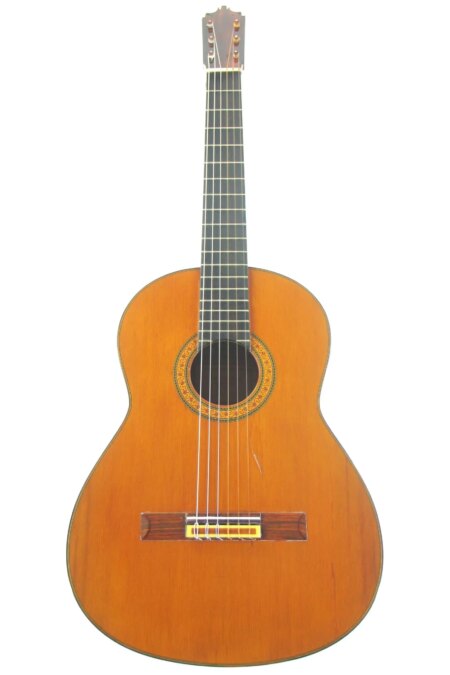
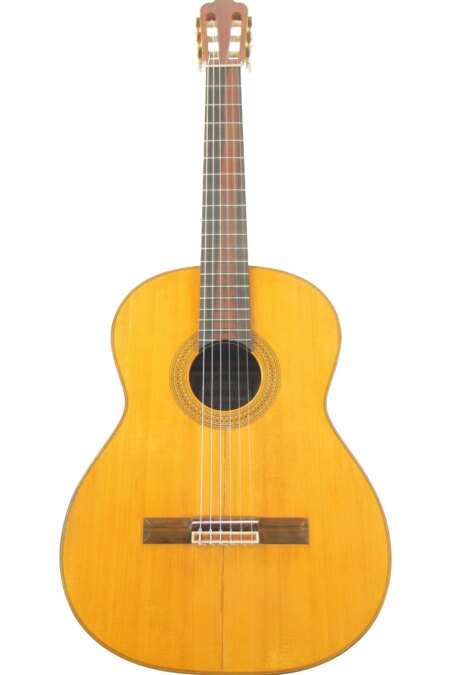
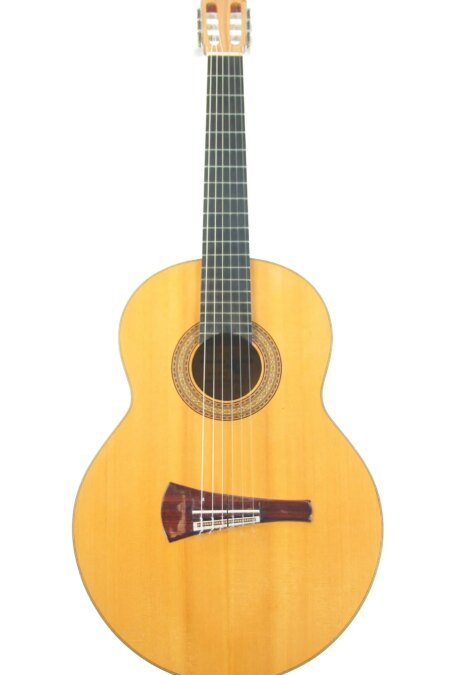
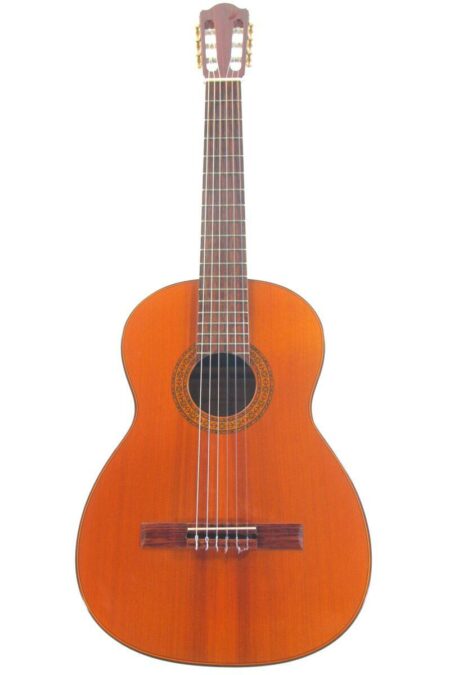
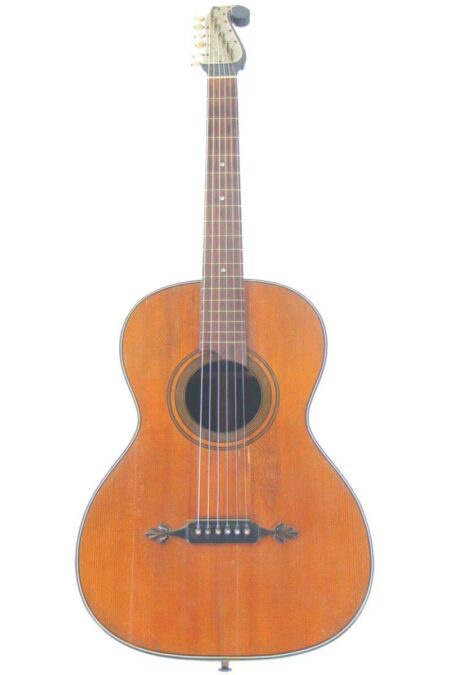


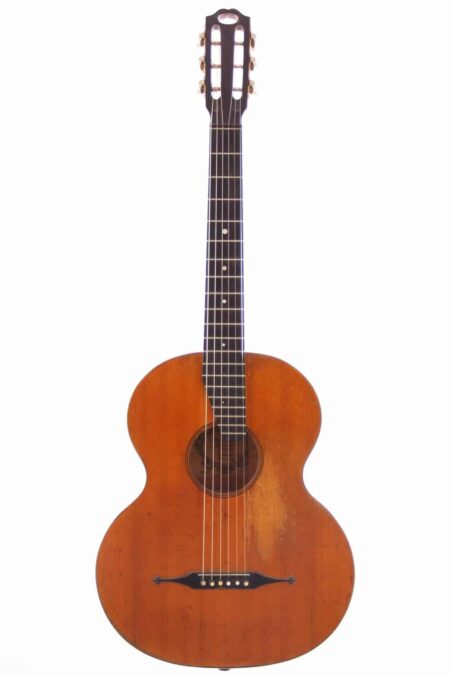

Luthier Guitars – Handcrafted Uniques for the Highest Demands
What is a Luthier Guitar – and How Can You Recognize One?
A luthier guitar is a high-quality, handcrafted instrument made by an experienced luthier. These guitars are characterized by exceptional sound quality, precise craftsmanship, and careful selection of materials.
Definition and Features

Luthier guitars are typically unique pieces that boast individual characteristics setting them apart from mass-produced instruments. They not only offer excellent playability but also a distinctive sound shaped by the luthier’s artistry.
Luthiers and Year of Manufacture
The name and associated quality of the luthier play a crucial role in assessing a luthier guitar. Renowned luthiers such as José Ramirez, Manuel Reyes, Hermann Hauser, and Santos Hernandez have excellent reputations, and their instruments are highly sought after. The year of manufacture can also influence the value and tonal development of the instrument.
Materials
The choice of materials is critical for the sound of a luthier guitar. A spruce top provides clarity and projection, while a cedar top offers warmth and fullness. Rosewood and cypress are commonly used for the back and sides, with rosewood known for its rich and brilliant tone, and cypress (often used in Flamenco guitars) recognized for its spontaneity and percussiveness.
Thus, a luthier guitar is not just an instrument but a work of art that reflects the passion and skill of the luthier.
Buying Used Luthier Guitars – What to Look For?
Purchasing a used luthier guitar can be an excellent decision, as these instruments are often already "played-in" and thus provide a fuller sound. Additionally, many models are rare and possess a unique character that sets them apart from new instruments.
When buying, pay special attention to the condition of the guitar. Check the top for cracks and the quality of the shellac finish, which is crucial for both sound and appearance. Ensure that the tuning machines function properly to guarantee precise tuning stability. Look for details like the rosette and purfling, which reflect the luthier's craftsmanship.
A thorough inspection of the guitar is essential, as well as any potential restoration to optimize playability and sound. A professional luthier can help fix minor flaws and restore the beauty of the guitar, ensuring you invest in an instrument that will bring you joy for many years.
At Vintage Guitar World, you are in good hands when purchasing a luthier guitar, as all our guitars are personally selected and their condition and playability are verified by our luthier.
Sound, Construction & Playability – What Makes Luthier Guitars Special
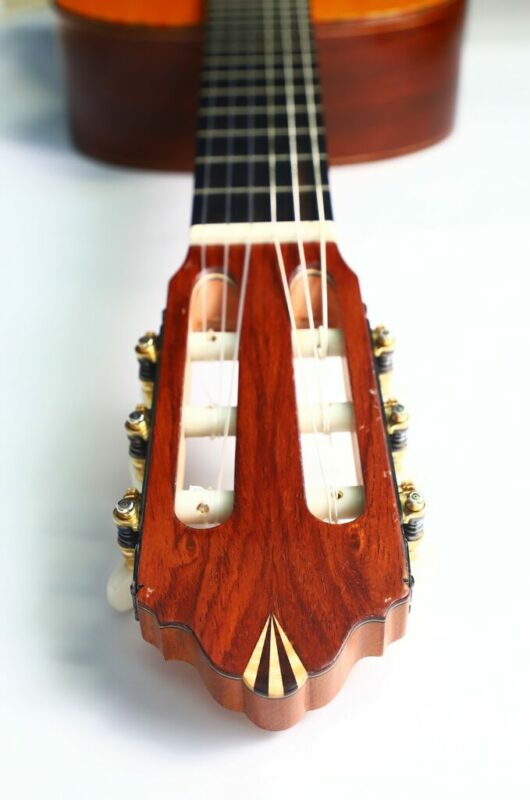
Luthier guitars are distinguished by their outstanding sound quality, thoughtful construction, and excellent playability. The fingerboard, scale length, and neck directly influence playability and comfort. Precise frets ensure clean intonation and a pleasant playing experience.
The tonal development is significantly influenced by the construction of the bridge and body. Quick response and a balanced sound profile are characteristic of high-quality instruments.
High-quality materials such as ebony, rosewood, cedar, spruce, maple, and mahogany provide a rich, complex sound and excellent resonance. The combination of these elements leads to a harmonious playing experience and musical expressiveness that makes luthier guitars exceptional instruments.
Classical and Flamenco Guitars as Master Instruments
Handcrafted classical guitars (also known as nylon string guitars) and Flamenco guitars are considered master instruments that impress with their exquisite craftsmanship and tonal diversity. Specialized master models offer different characteristics tailored to their respective musical styles.
Classical guitars are known for their warm, full-bodied sound and balanced response, making them ideal for classical music. In contrast, Flamenco guitars deliver a percussive, vibrant sound with emphasized highs, perfect for the dynamic rhythms of Flamenco. Both instruments represent the highest level of guitar-making craftsmanship and are indispensable for discerning musicians.
Frequently Asked Questions About Luthier Guitars
| Question | Answer |
|---|---|
| What is a luthier guitar? | A luthier guitar is a handcrafted instrument made by an experienced luthier. It is characterized by exceptional sound quality and individual features. |
| How much does a guitar for professionals cost? | Professional guitars often start at several thousand euros and can be significantly more expensive depending on the manufacturer and materials. The price typically reflects the quality and craftsmanship. |
| How do I recognize a good guitar? | A good guitar shows flawless craftsmanship, high-quality materials, and balanced sound quality. Pay attention to playability and comfort as well. |
| Spruce or cedar – which top wood is good for me? | Spruce offers a clear, projecting sound, ideal for dynamic playing. Cedar, on the other hand, provides a warm, full tone and is well-suited for lyrical music styles. |
| Shellac or nitro finish – which is better? | Shellac provides a natural, thin layer that does not dampen the instrument's sound and has a beautiful appearance. Nitro finish is more durable and offers better protection but may affect the sound. |