
Luthier Guitars
-

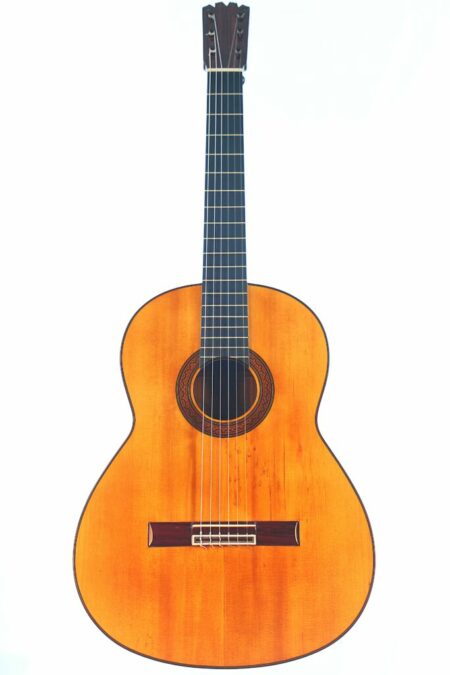
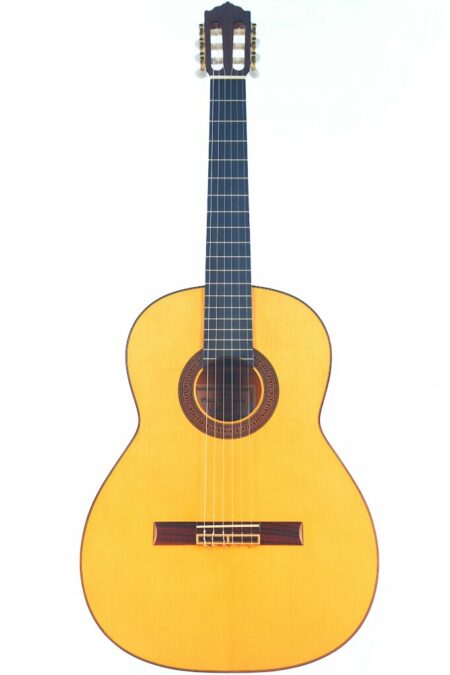
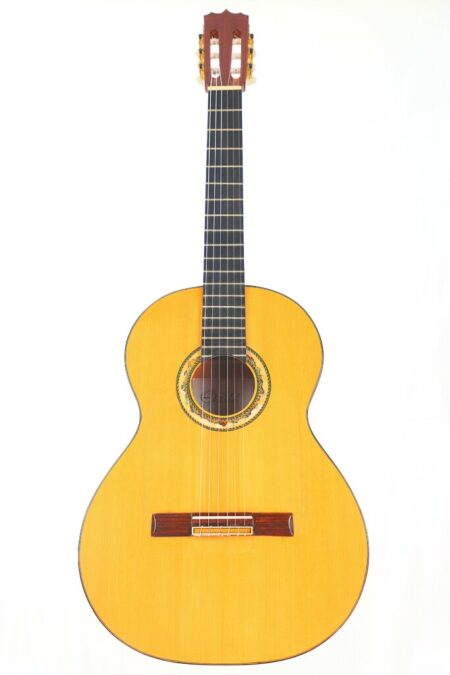
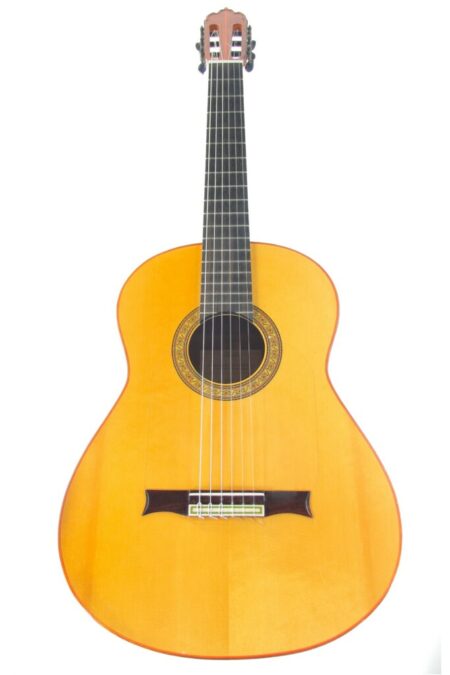
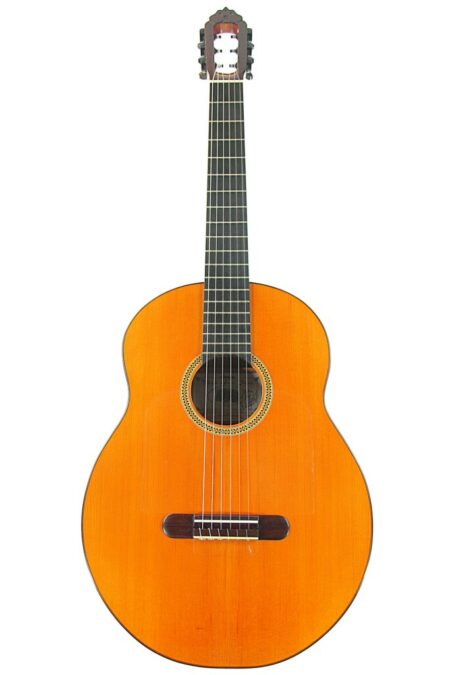
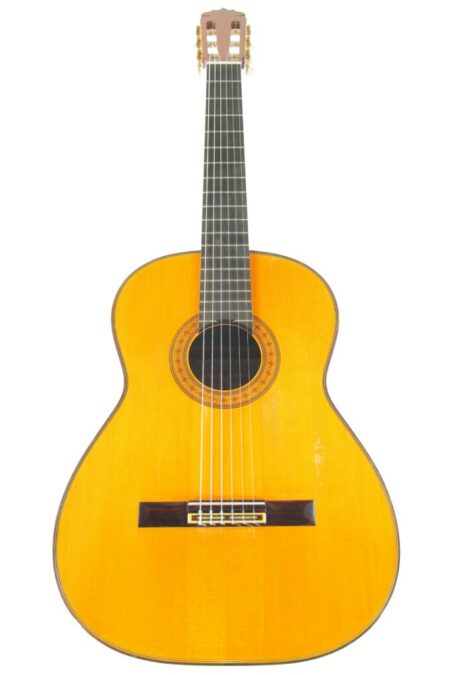
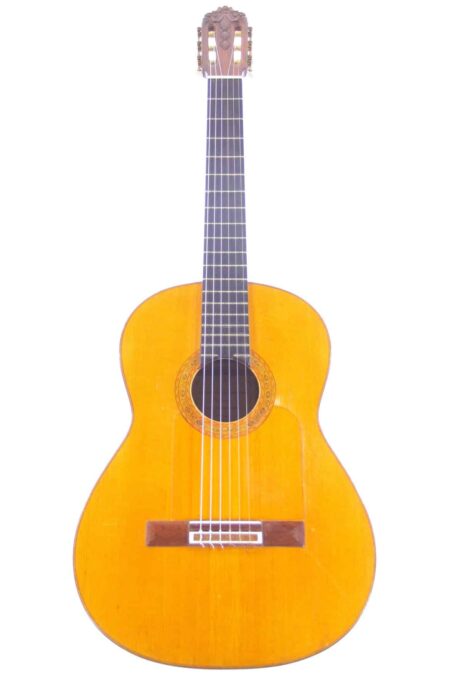
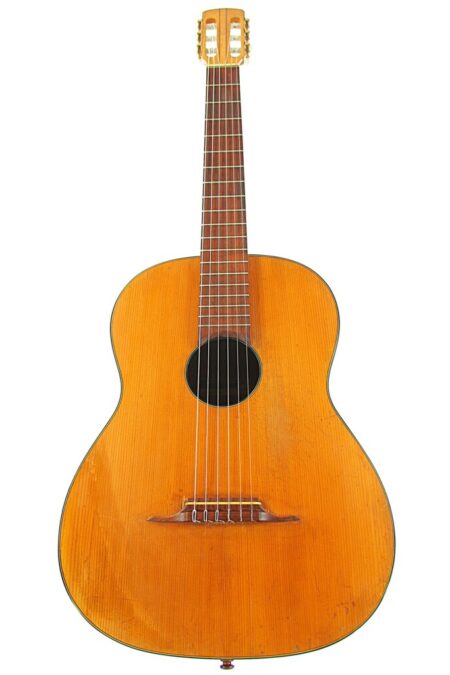
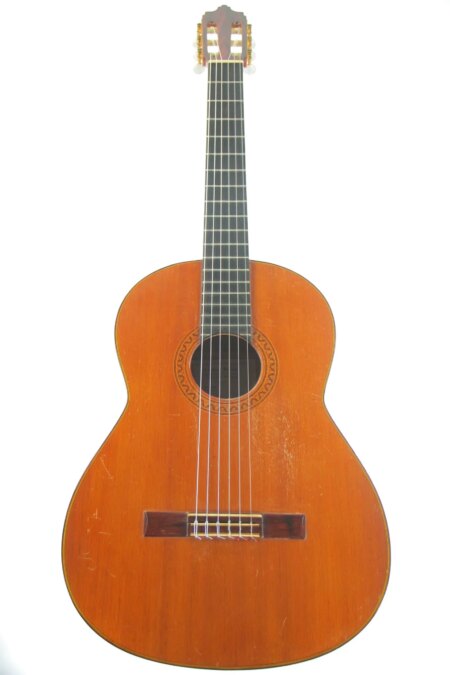
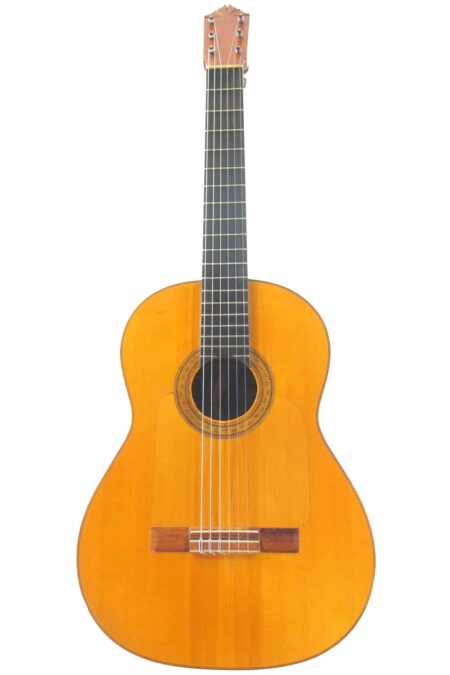
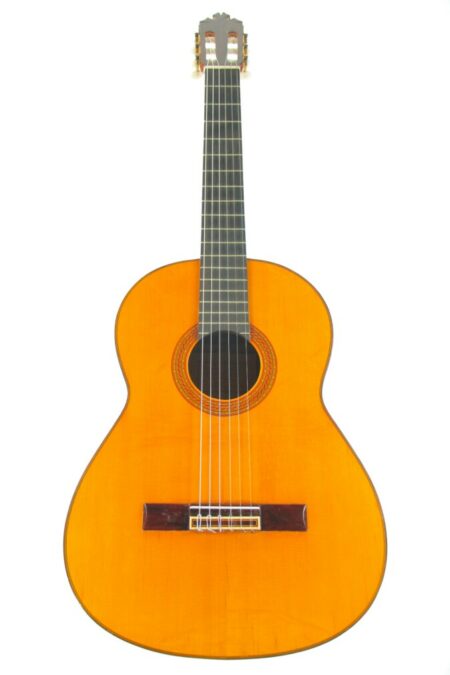
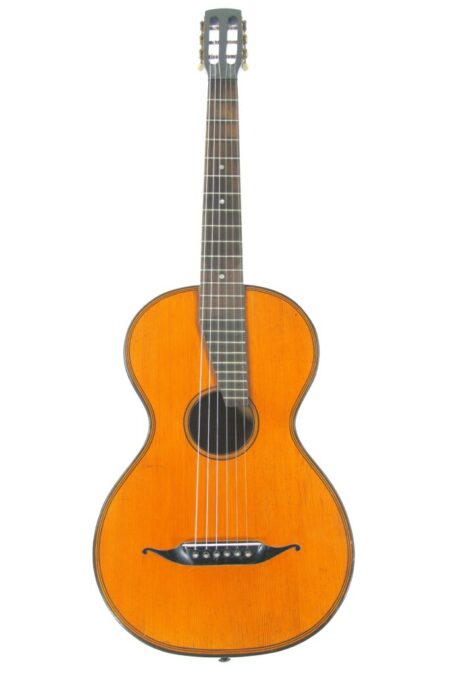
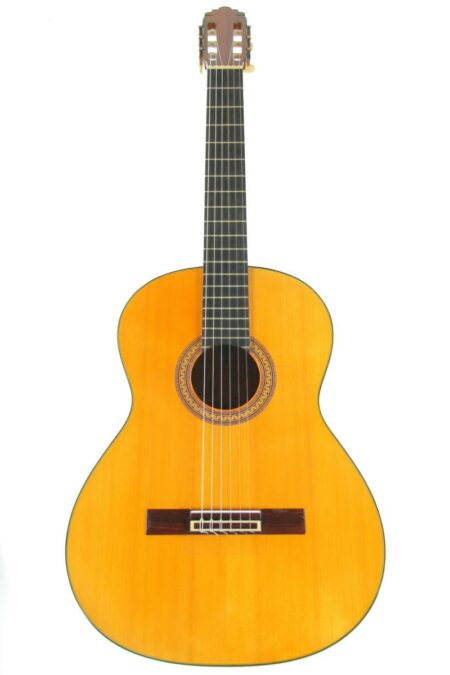
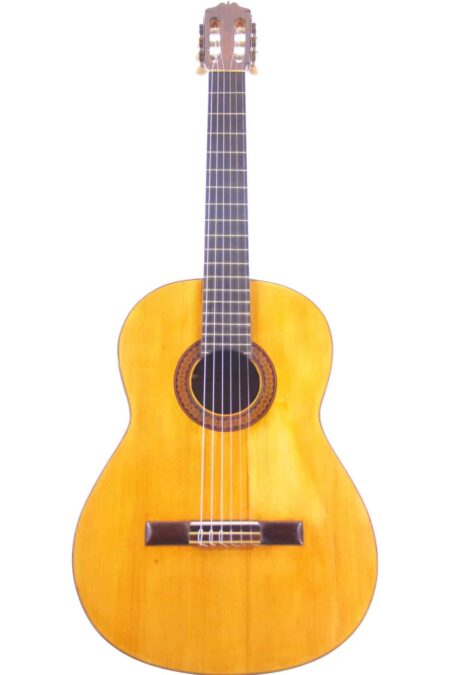
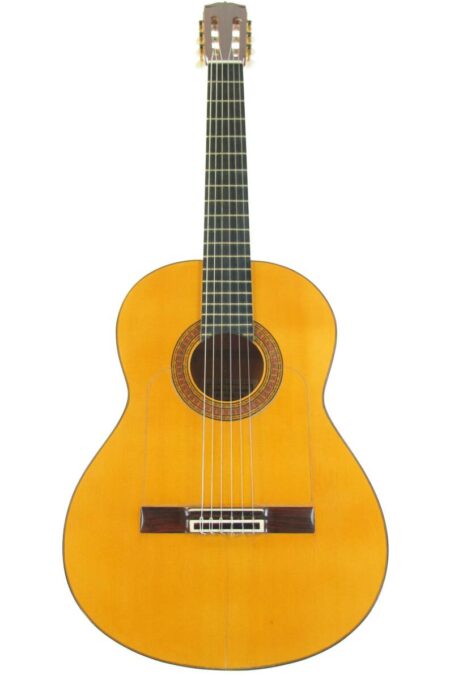
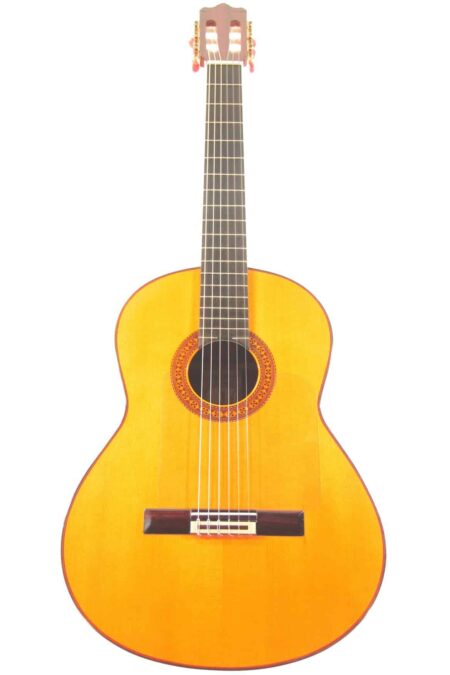
Felix Manzanero 1965 Flamenco Guitar
plus Shipping
-
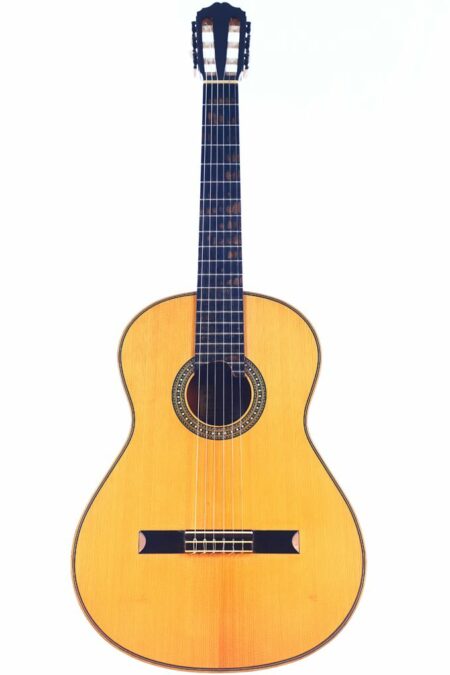
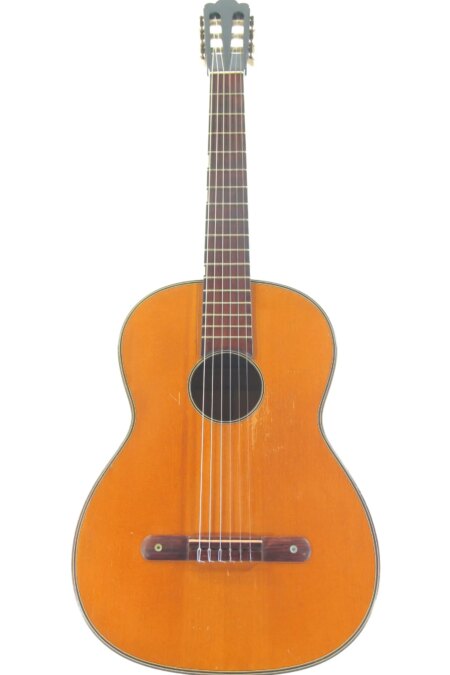
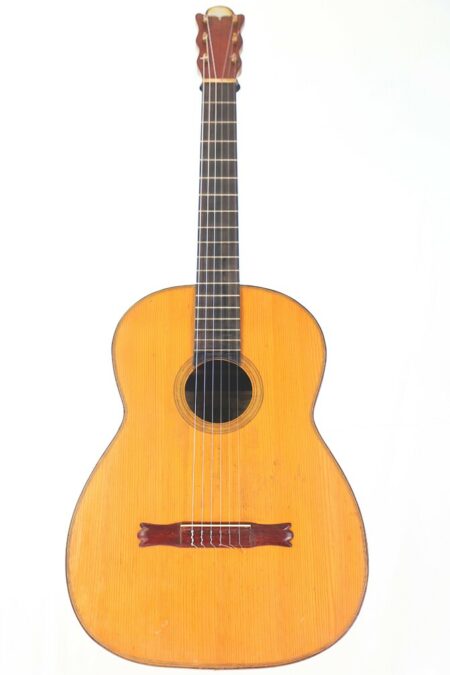
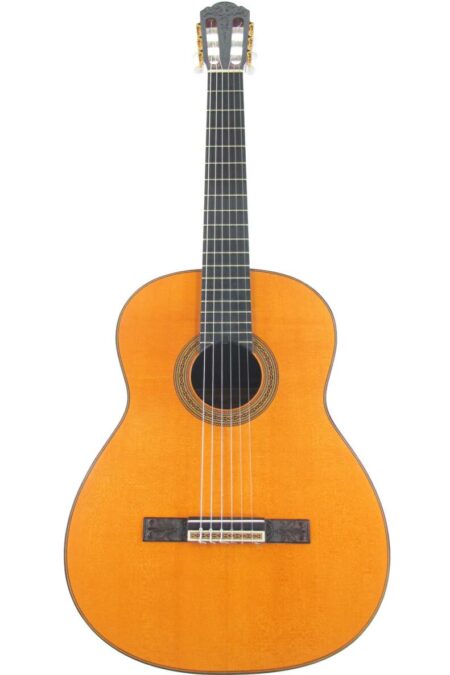
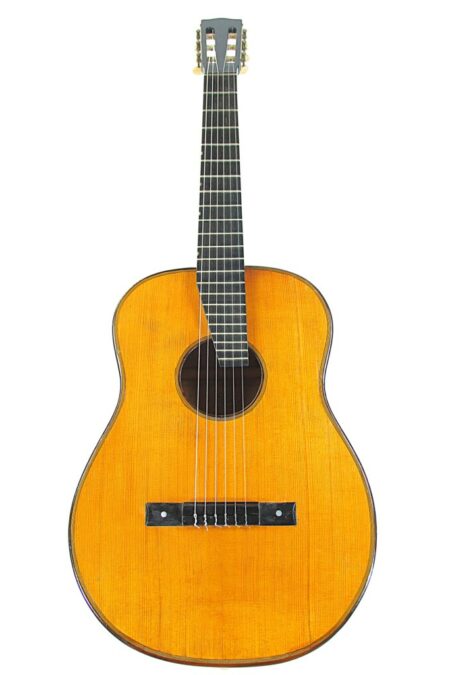
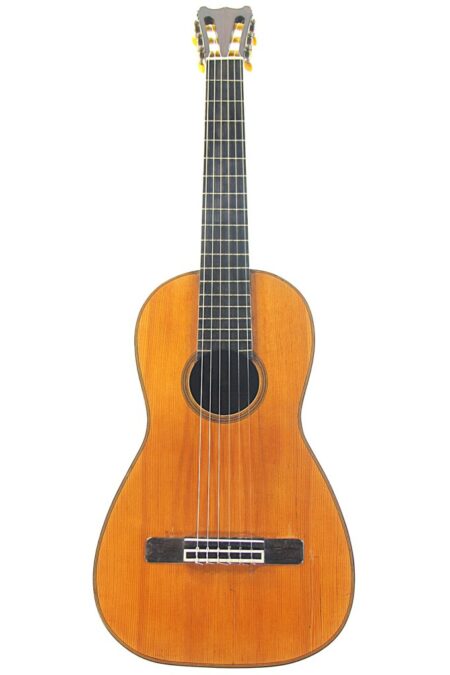
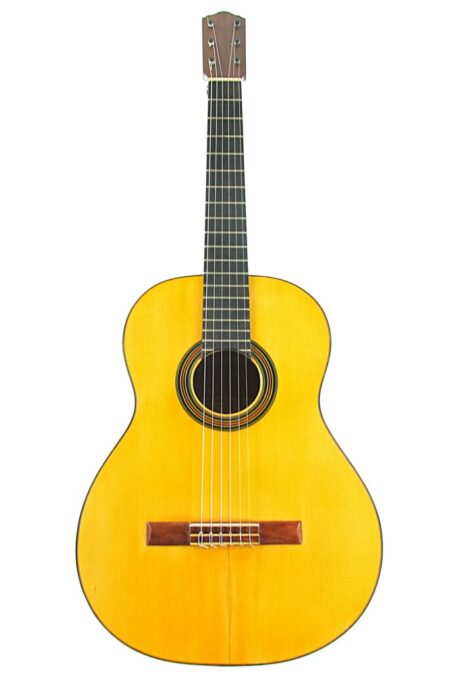
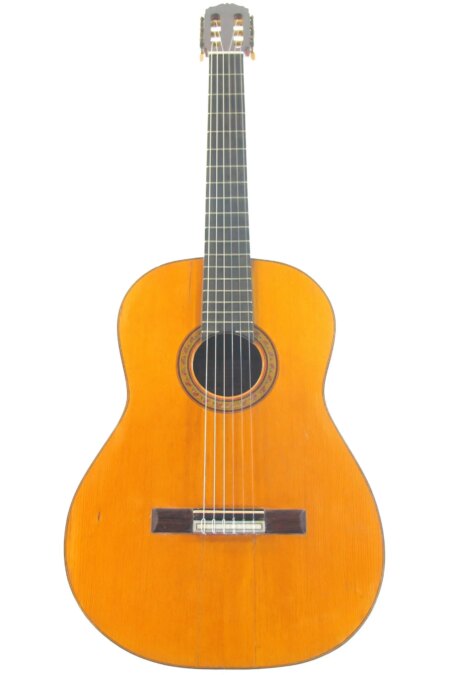
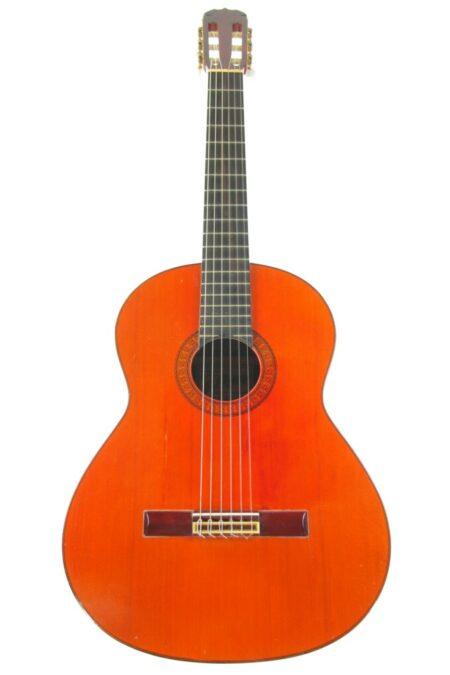
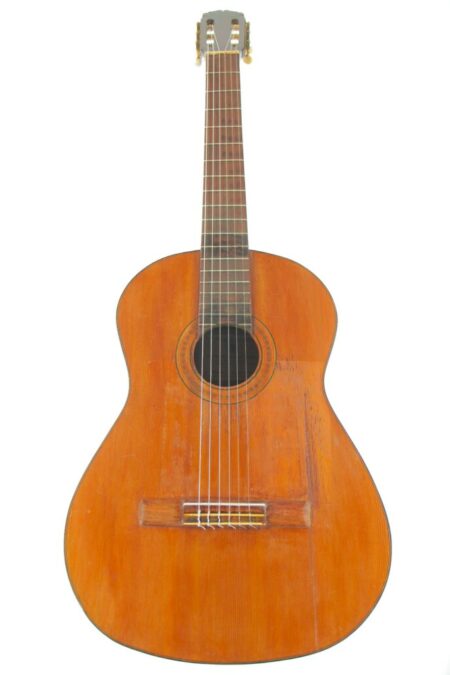
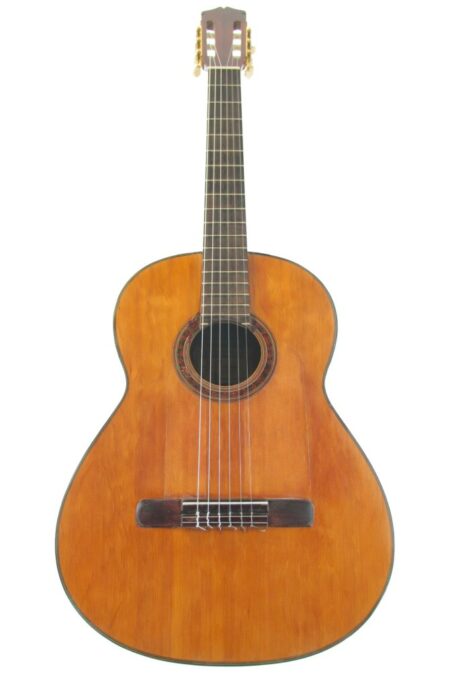
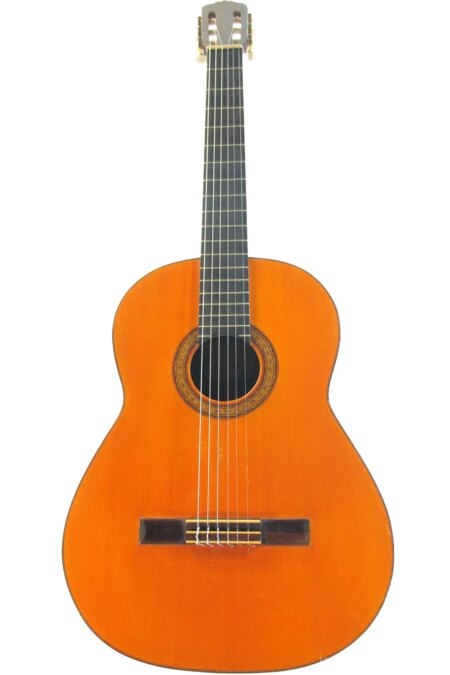
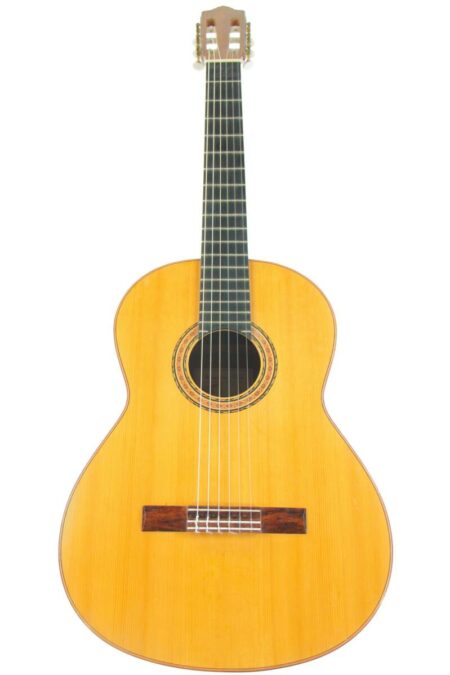
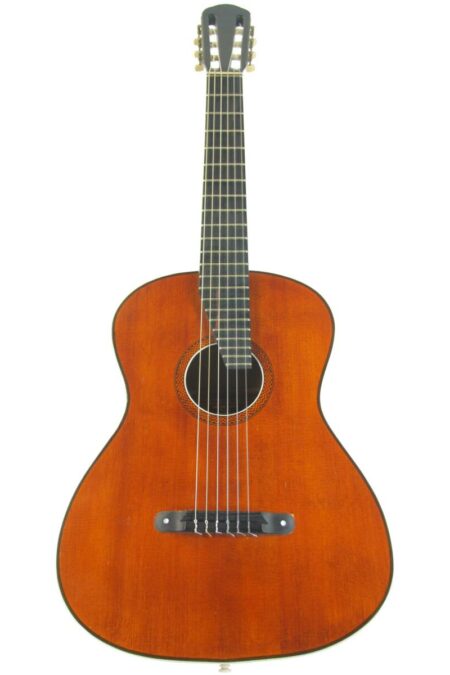
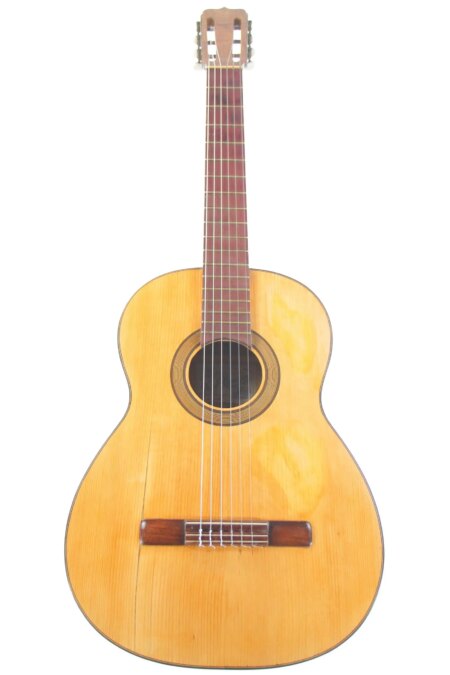
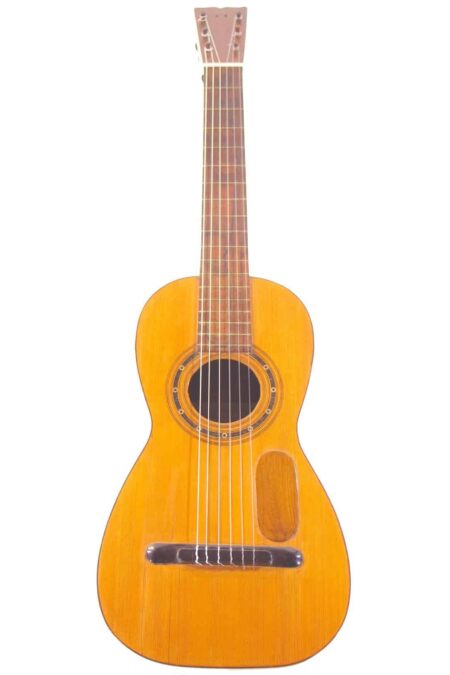
Andreas Wahl 2004 Classical Guitar
plus Shipping
-
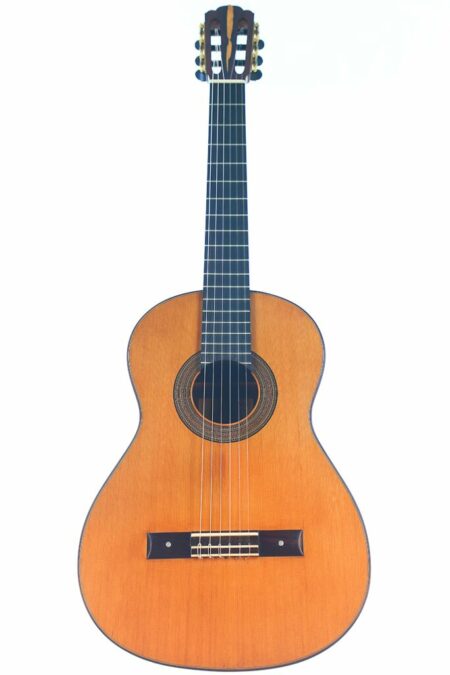
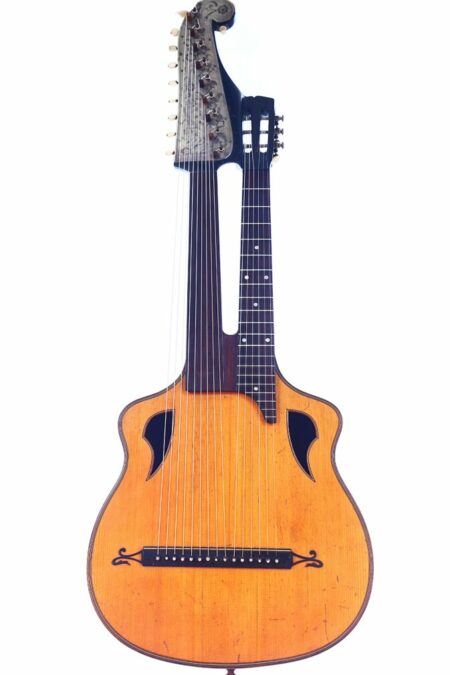
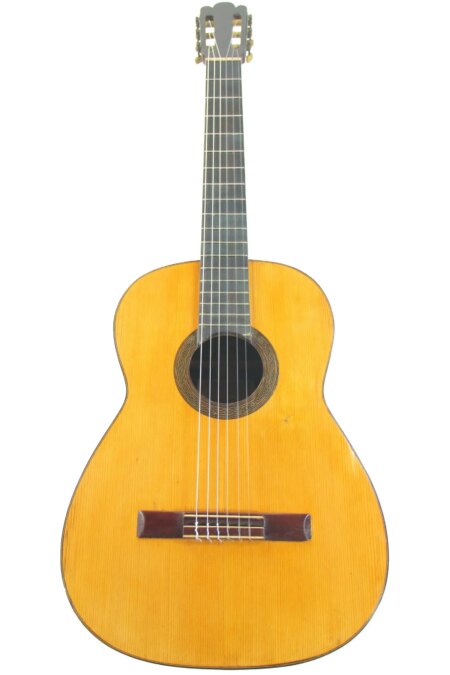
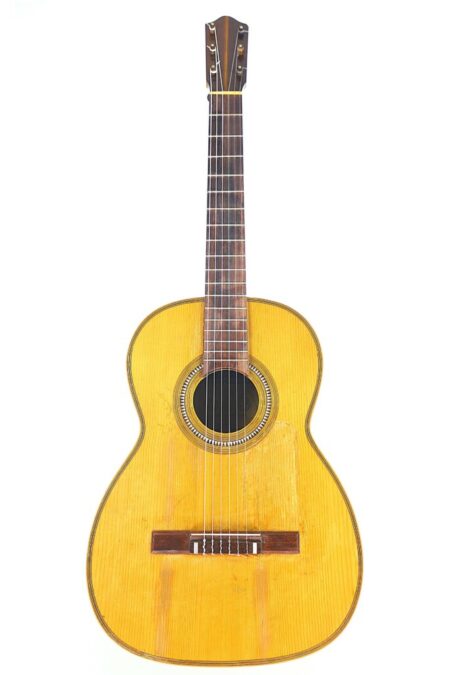
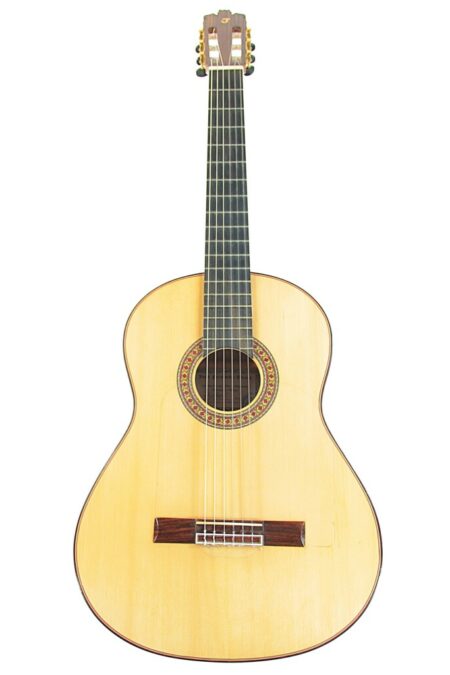
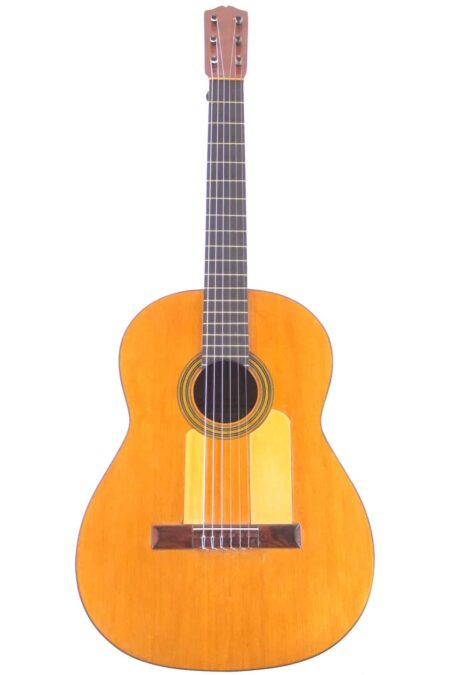
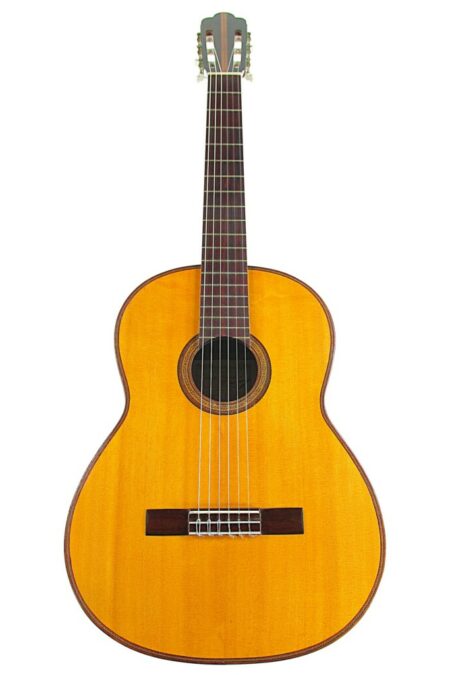
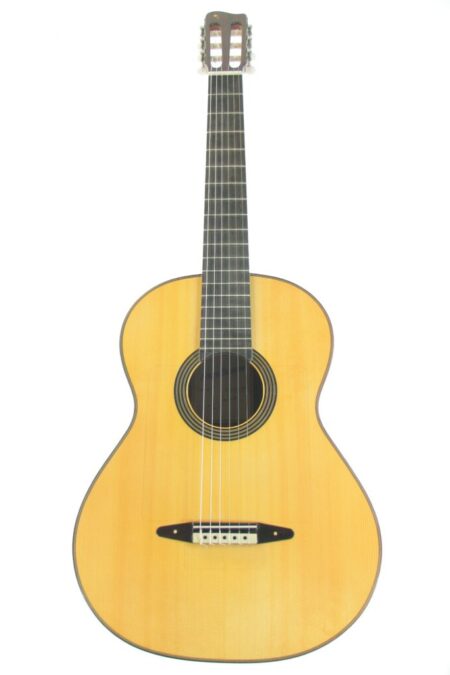
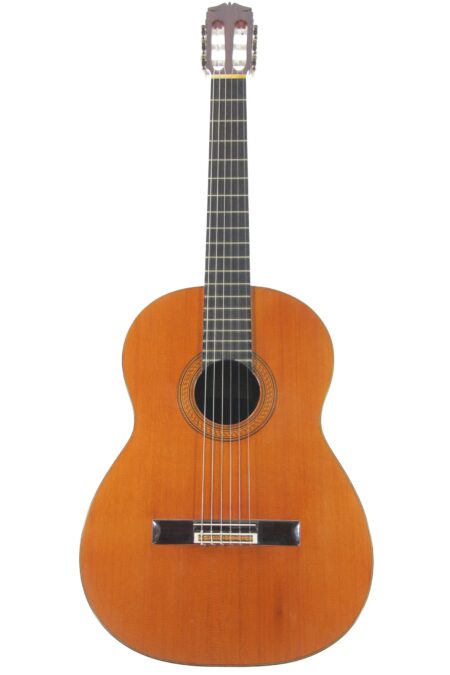
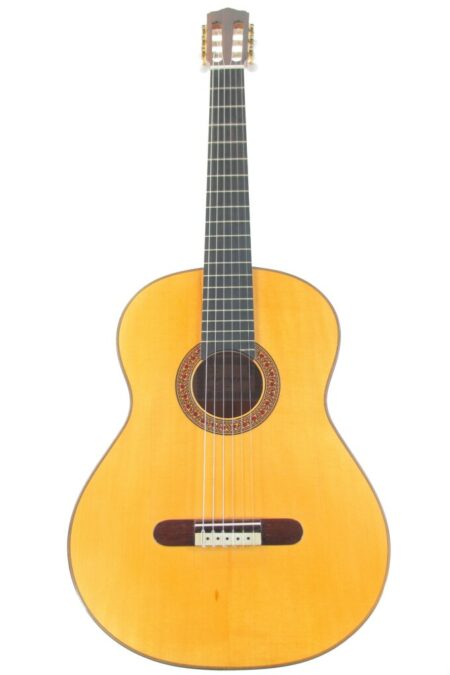
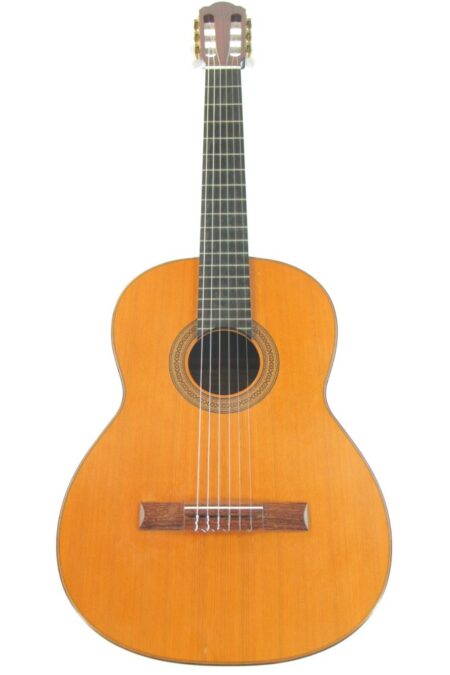
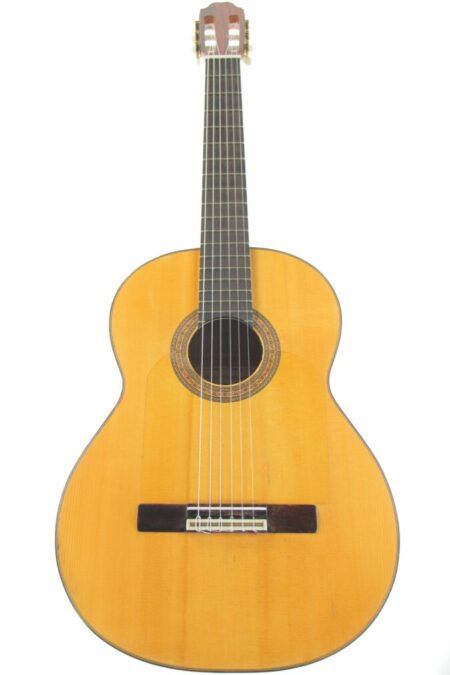
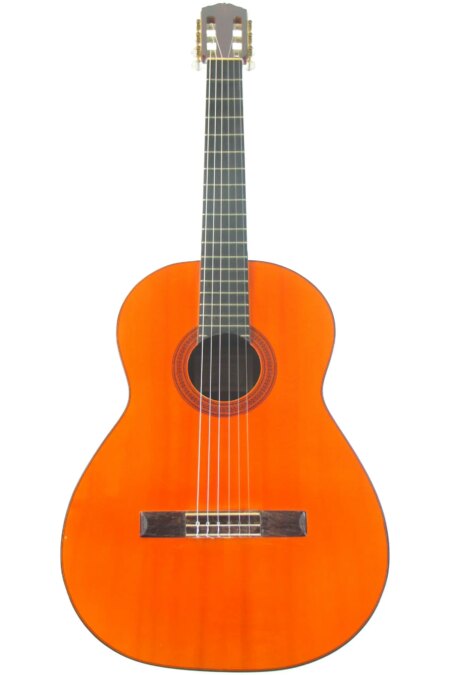
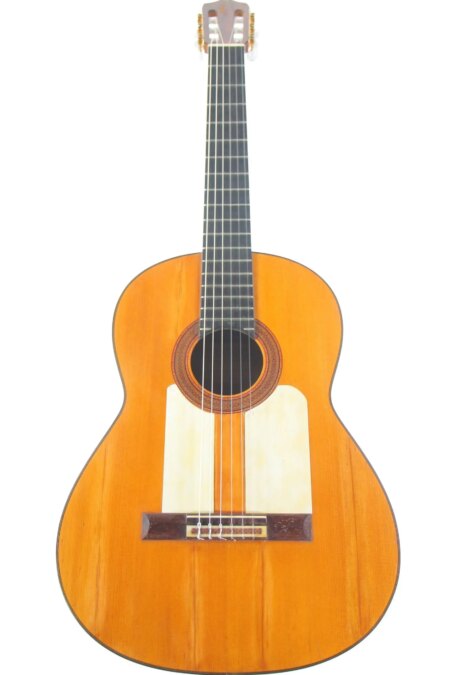
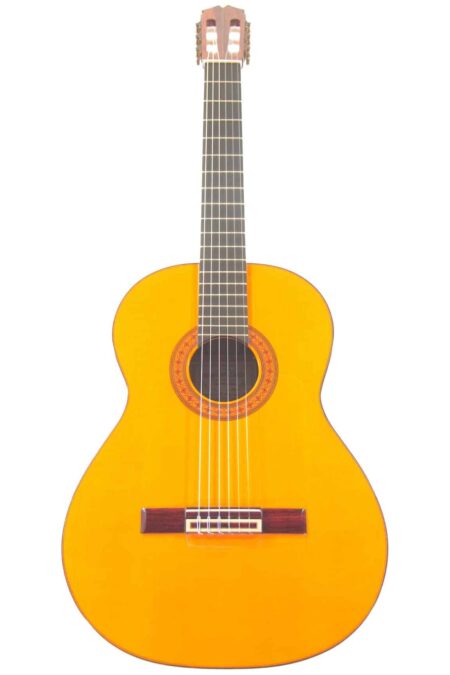
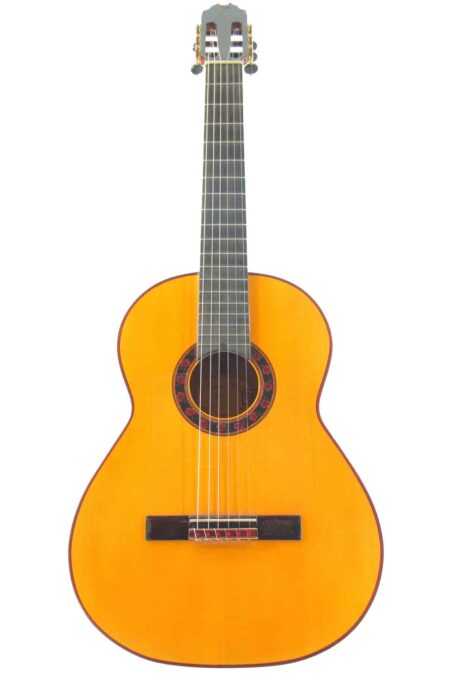
Eugenio Riba 2020 Classical Guitar
plus Shipping
-
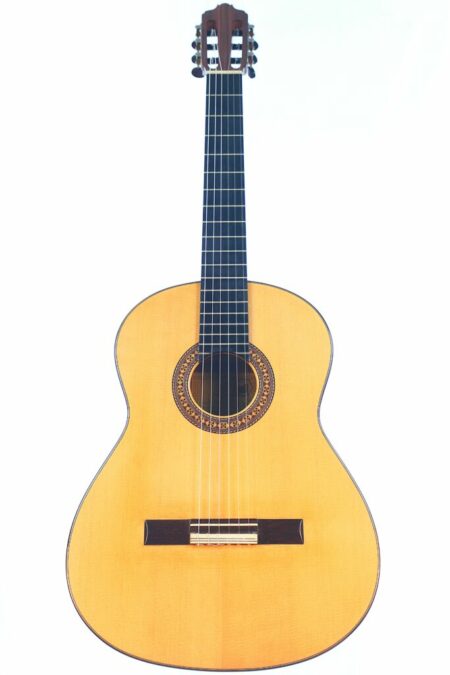
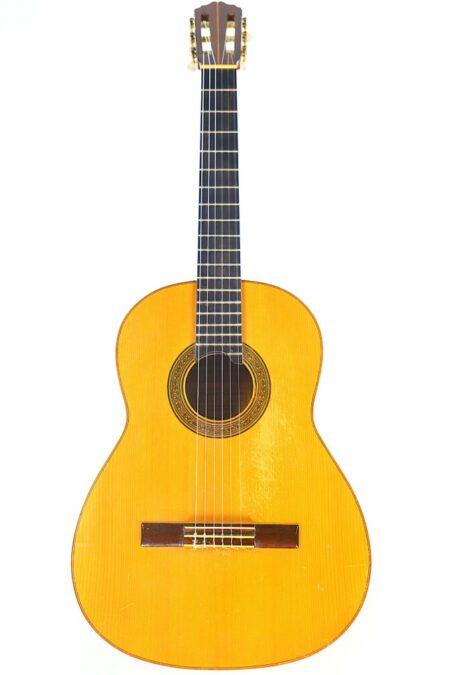
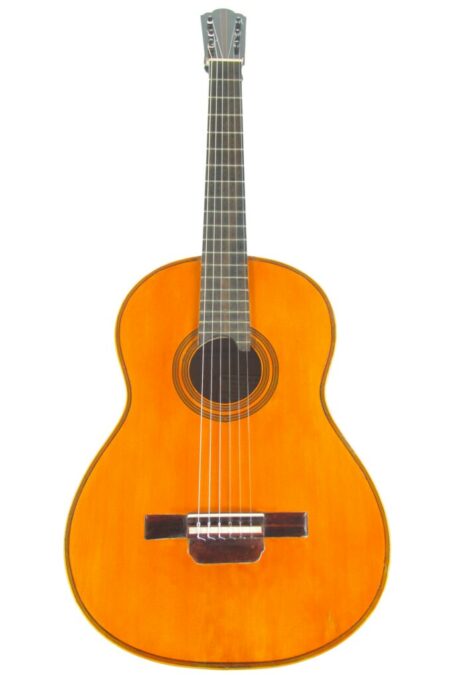
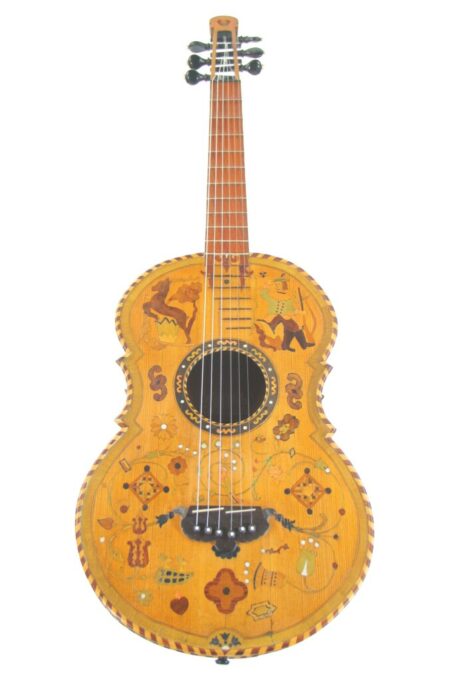
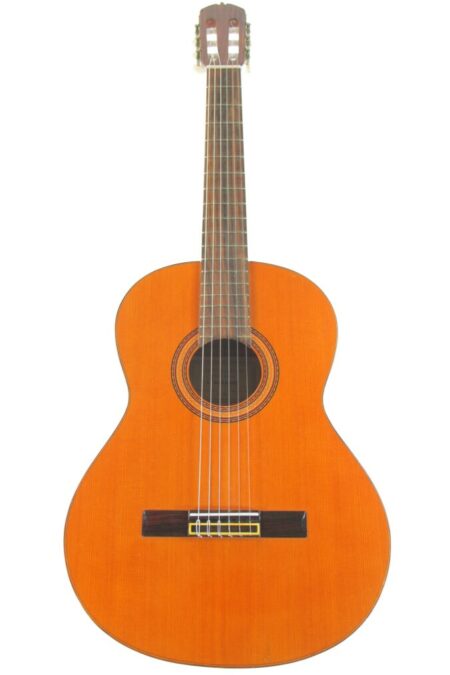
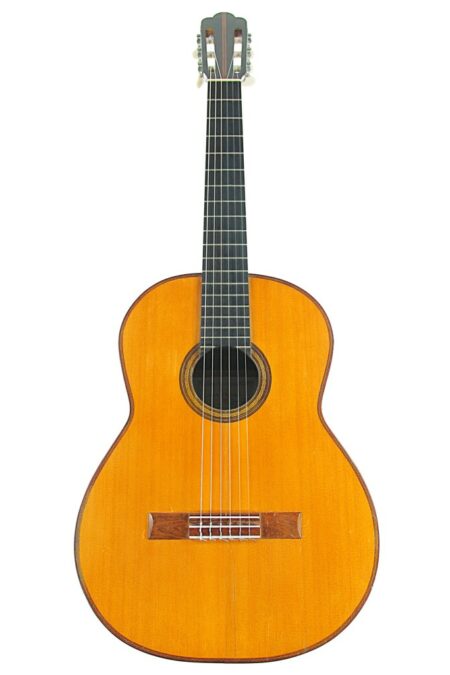
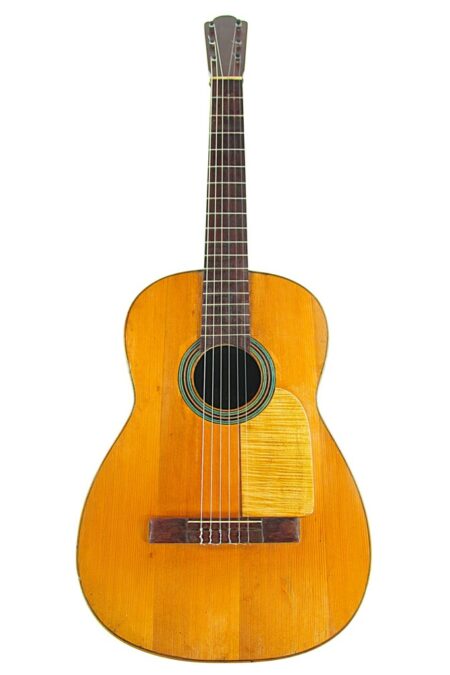
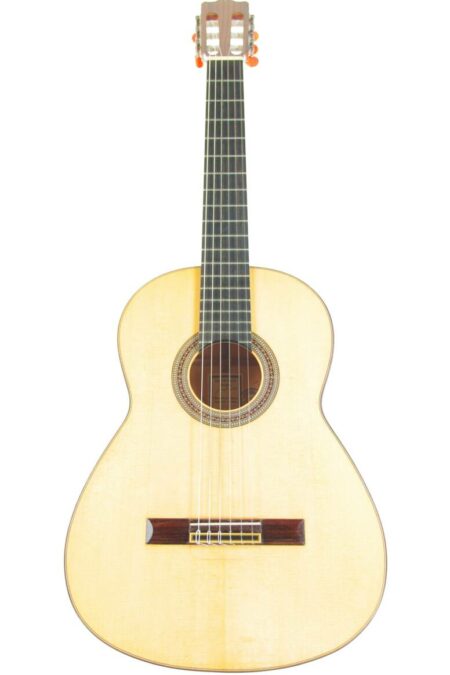
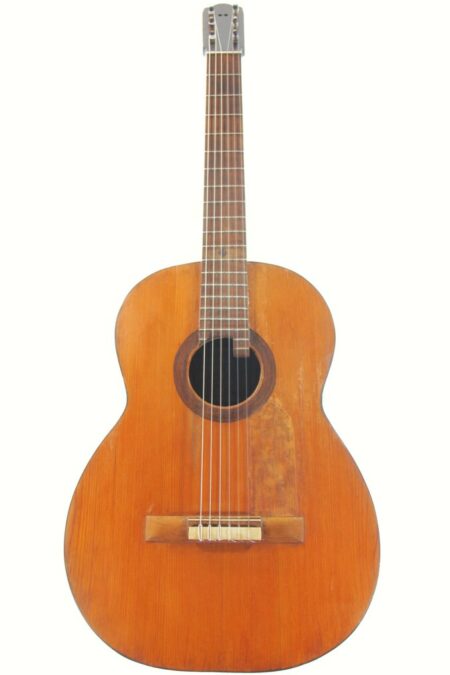
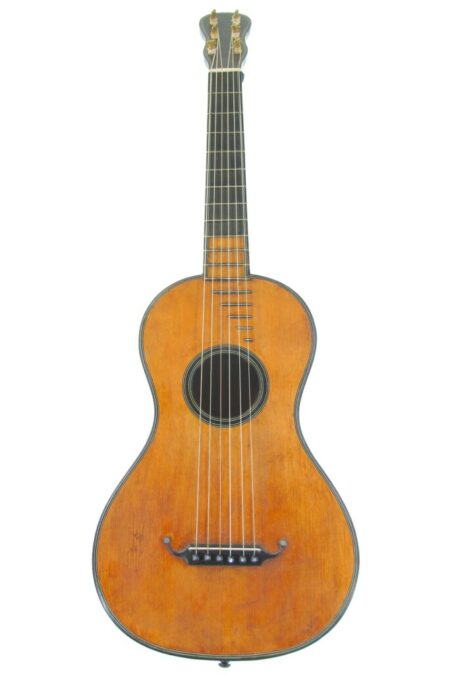
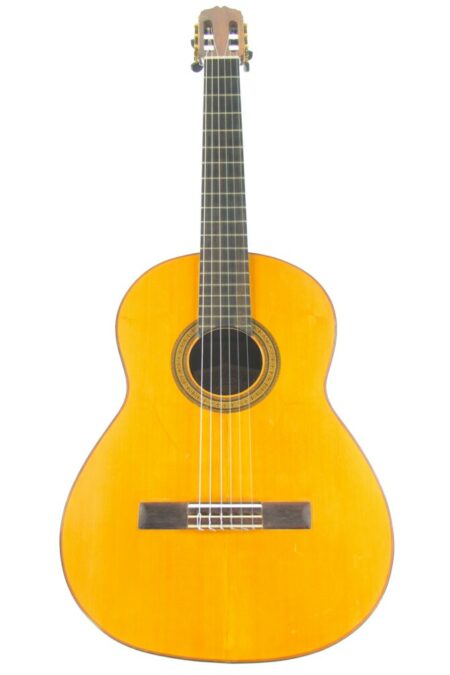
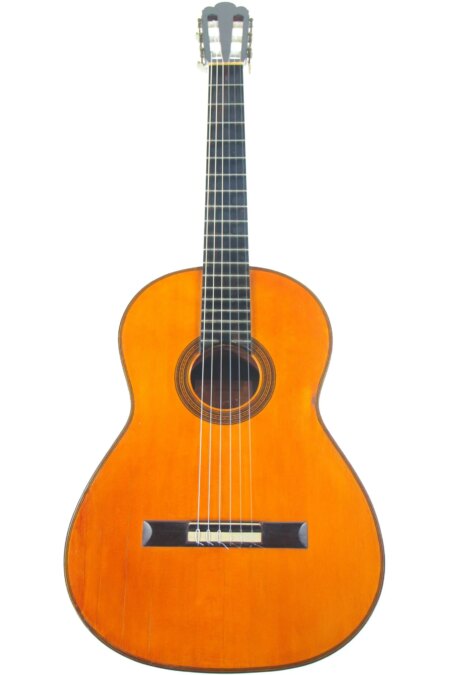
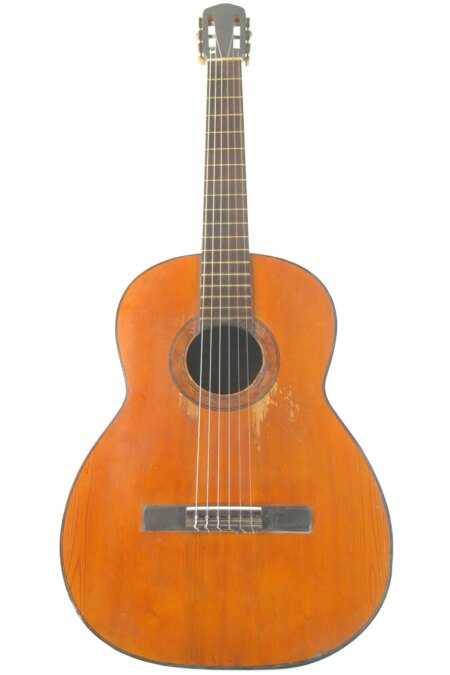
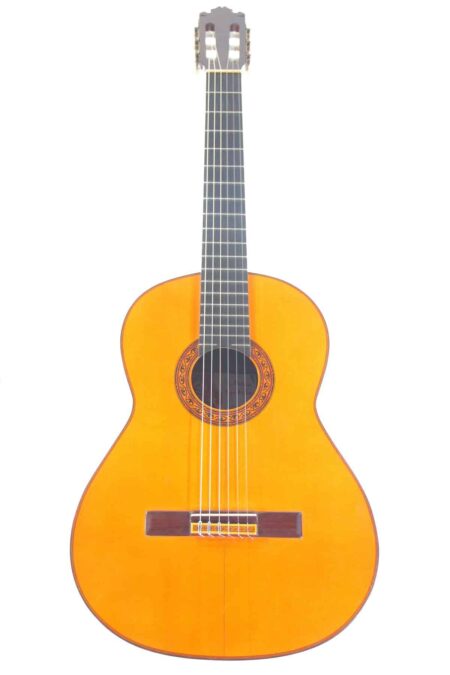
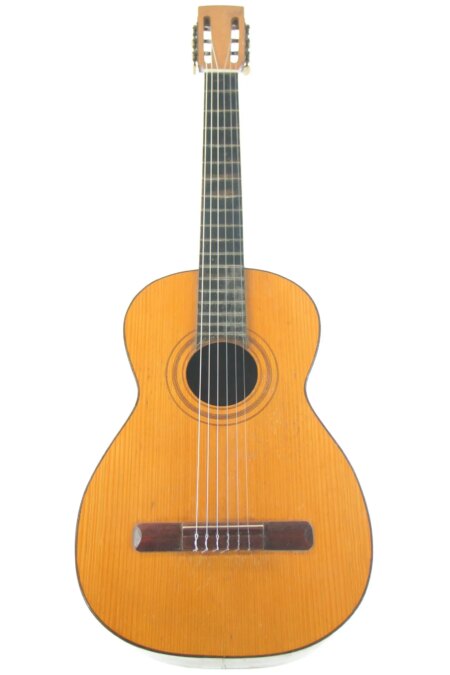
Jose Salinas 2019 Negra Flamenco Guitar
plus Shipping
-
Out of stock
Paco de Lucía Siroco 2003 Flamenco Guitar
plus Shipping
-
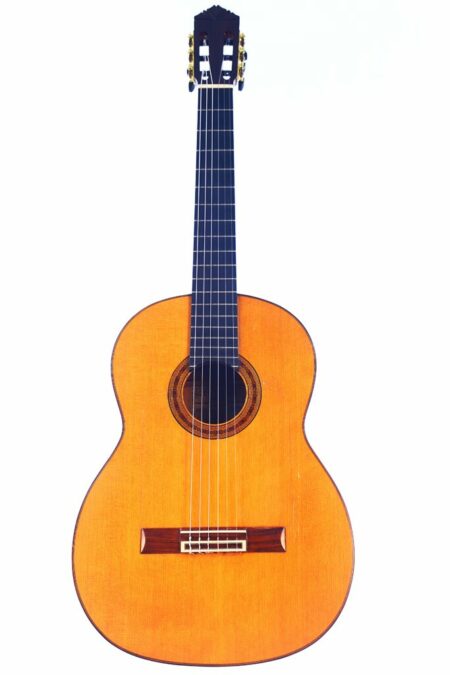
Gerundino Fernandez 1988 Flamenco Guitar
plus Shipping
-
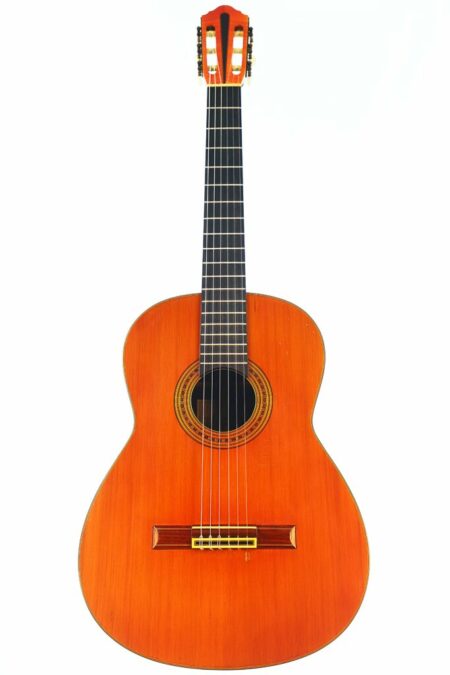
Enrico Piretti 1974 Classical Guitar
plus Shipping
-
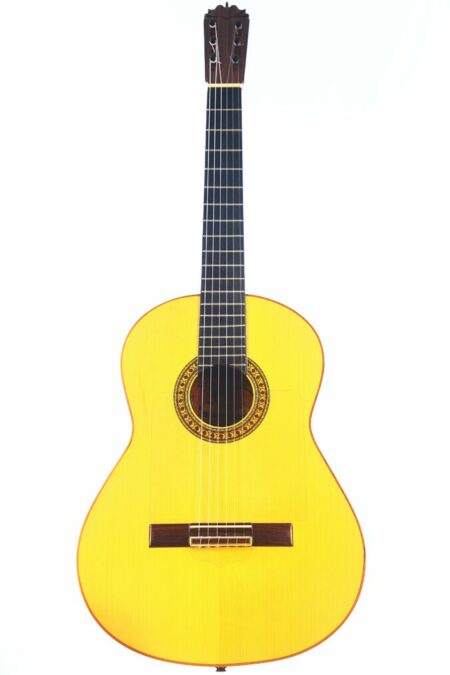
Augustin Sanchez 2022 Flamenco Guitar
plus Shipping
-
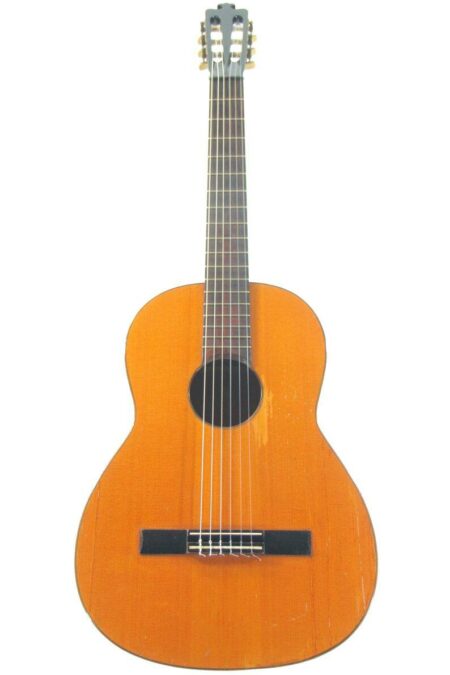
Richard Jacob Weissgerber 1933 “Torres”
plus Shipping
-
Richard Jacob Weissgerber 1926 “Torres”
plus Shipping
-
Out of stock
Joseph Christoph Fischer ~1920
-
Eladio (Gerundino) Fernandez 1989
plus Shipping
-
Alfonso Checa 1969
plus Shipping
-
Jose Lopez Bellido 1993
plus Shipping
-
Manuel Ordonez 2006
plus Shipping
-
Terraza Resonador 1898
plus Shipping
-
Enrique Sanfeliu 1933 “Pelegrino Torres”
plus Shipping
-
Francisco Manuel Fleta 1962
plus Shipping
-
Gerardo Escobedo 2018
plus Shipping
-
Siegfried Eichhorn 1982
plus Shipping
-
Hijos de Gonzalez ~1890
plus Shipping
-
Francisco Pau ~1890
plus Shipping
-
Sale!
Fritz Röser 1915
plus Shipping
-
Jose Ramirez 1925
plus Shipping
-
Miguel Garcia Cabezas 2005
plus Shipping
-
Ludwig Reisinger Vienna model ~1925
plus Shipping
-
Juan Fernandez Utrera 2015
plus Shipping
-
Casa Lorenzo Alvarez 1989
plus Shipping
-
Sale!
Yuichi Imai 1982
plus Shipping
-
Jose Ramirez 1a 1966 “P.C.”
plus Shipping
-
Juan Pages 1813
plus Shipping
-
Modesto Borreguero 1928
plus Shipping
-
Jose Yacopi 1975
plus Shipping
-
Jeronimo Pena 1967
plus Shipping
-
Domingo Esteso 1926
plus Shipping
-
Jose Yacopi 1984
plus Shipping
-
Vicente Arias 1901
plus Shipping
-
Max Klein 1960
plus Shipping
-
Viuda y Sobrinos de Domingo Esteso 1946 (Conde Hermanos)
plus Shipping
-
Arturo Sanzano 2019
plus Shipping
-
Francisco Munoz Alba 2014
plus Shipping
-
Sale!
Jose Lopez Bellido 1971
plus Shipping
-
Jose Ramirez 1a 1966 M.M.
plus Shipping
-
Arcangel Fernandez 1961
plus Shipping
-
Benito Ferrer 1909
plus Shipping
-
Gerundino Fernandez 1970
plus Shipping
-
Jose Alberto Pantoja Martin 1968
plus Shipping
-
Miguel Molero 2012
plus Shipping
-
Pons Jeune ~1815
plus Shipping
-
Sale!
Antonio Ariza 1974
plus Shipping
-
Francisco Manuel Diaz Flamenco
plus Shipping
-
Joachim Schneider 2007
plus Shipping
-
Emilio Fernandez 2017
plus Shipping
-
Andres Martin 1966
plus Shipping
-
Luis Arostegui Granados 1981
plus Shipping
-
Coat of arms romantic guitar ~1910
plus Shipping
-
Juan Alvarez 1973
plus Shipping
-
Tomas Leal classical
plus Shipping
-
Josef Obrecht 1925 Vienna Model
plus Shipping
-
Viuda y Sobrinos de Domingo Esteso 1956 (Conde Hermanos)
plus Shipping
-
Patrick Hopmans 1999
plus Shipping
-
Antonio de Torres 1863 “Enrique Garcia 1913”
plus Shipping
-
Maximiano Fontiveros 1983
plus Shipping
-
Richard Jacob Weissgerber 1921
plus Shipping
-
Hermanos Vera 1969
plus Shipping
-
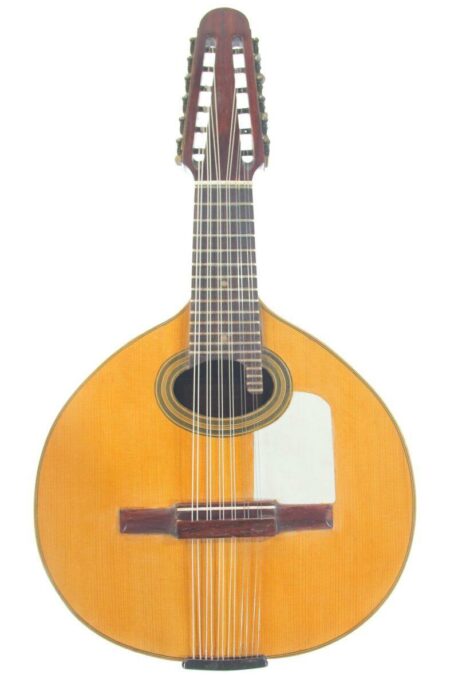
Marcelo Barbero 1936 “Bandurria”
plus Shipping
-
Out of stock
Viuda y Sobrinos de Domingo Esteso “Faustino Conde” Negra 1960
-
Out of stock
Modesto Borreguero 1955
-
Georg Haid Vienna model 1926
plus Shipping
-
Arcangel Fernandez 1958
plus Shipping
-
Ignacio Martorell Casasnovas ~1905
plus Shipping
-
Manuel Romero Macias 1990
plus Shipping
-
Jose Ramirez 1946 Flamenco
plus Shipping
-
Jose Luis Marin/Domingo Garcia Cabellos 2003
plus Shipping
-
Ricardo Sanchis Carpio 1980
plus Shipping
-
Pedro de Miguel 1992
plus Shipping
-
Out of stock
Josef Benedid 1834
-
Antonio Pisa 2017
plus Shipping
-
J. Cortes ~ 1900
plus Shipping
-
Jeronimo Pena 1959 Flamenco
plus Shipping







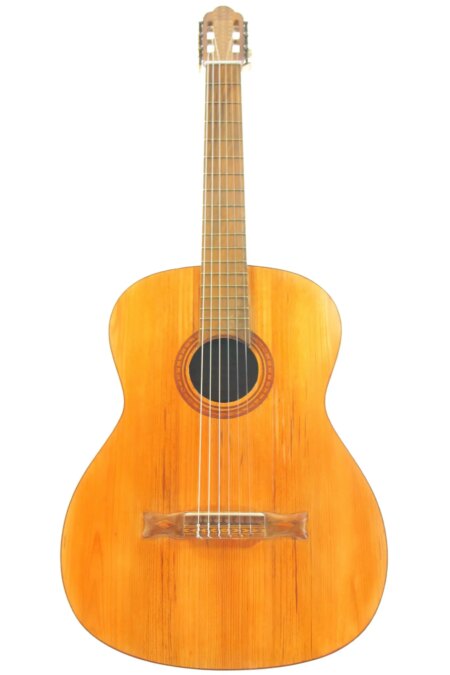
Luthier Guitars – Handcrafted Uniques for the Highest Demands
What is a Luthier Guitar – and How Can You Recognize One?
A luthier guitar is a high-quality, handcrafted instrument made by an experienced luthier. These guitars are characterized by exceptional sound quality, precise craftsmanship, and careful selection of materials.
Definition and Features

Luthier guitars are typically unique pieces that boast individual characteristics setting them apart from mass-produced instruments. They not only offer excellent playability but also a distinctive sound shaped by the luthier’s artistry.
Luthiers and Year of Manufacture
The name and associated quality of the luthier play a crucial role in assessing a luthier guitar. Renowned luthiers such as José Ramirez, Manuel Reyes, Hermann Hauser, and Santos Hernandez have excellent reputations, and their instruments are highly sought after. The year of manufacture can also influence the value and tonal development of the instrument.
Materials
The choice of materials is critical for the sound of a luthier guitar. A spruce top provides clarity and projection, while a cedar top offers warmth and fullness. Rosewood and cypress are commonly used for the back and sides, with rosewood known for its rich and brilliant tone, and cypress (often used in Flamenco guitars) recognized for its spontaneity and percussiveness.
Thus, a luthier guitar is not just an instrument but a work of art that reflects the passion and skill of the luthier.
Buying Used Luthier Guitars – What to Look For?
Purchasing a used luthier guitar can be an excellent decision, as these instruments are often already "played-in" and thus provide a fuller sound. Additionally, many models are rare and possess a unique character that sets them apart from new instruments.
When buying, pay special attention to the condition of the guitar. Check the top for cracks and the quality of the shellac finish, which is crucial for both sound and appearance. Ensure that the tuning machines function properly to guarantee precise tuning stability. Look for details like the rosette and purfling, which reflect the luthier's craftsmanship.
A thorough inspection of the guitar is essential, as well as any potential restoration to optimize playability and sound. A professional luthier can help fix minor flaws and restore the beauty of the guitar, ensuring you invest in an instrument that will bring you joy for many years.
At Vintage Guitar World, you are in good hands when purchasing a luthier guitar, as all our guitars are personally selected and their condition and playability are verified by our luthier.
Sound, Construction & Playability – What Makes Luthier Guitars Special
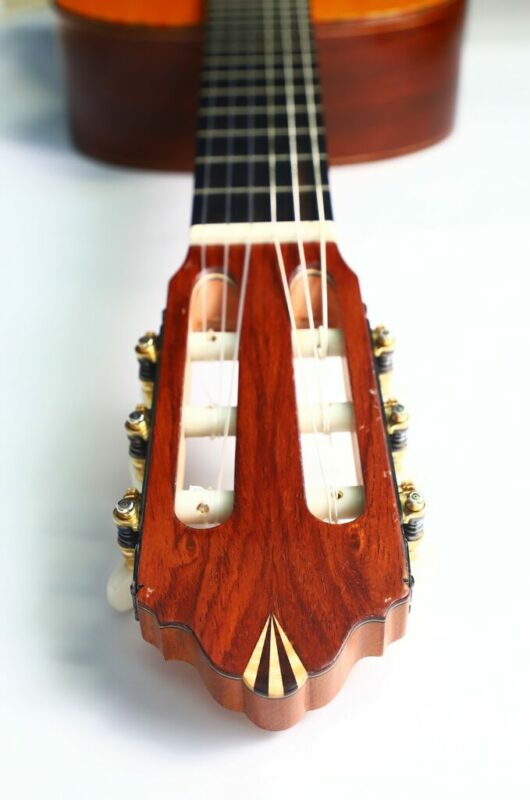
Luthier guitars are distinguished by their outstanding sound quality, thoughtful construction, and excellent playability. The fingerboard, scale length, and neck directly influence playability and comfort. Precise frets ensure clean intonation and a pleasant playing experience.
The tonal development is significantly influenced by the construction of the bridge and body. Quick response and a balanced sound profile are characteristic of high-quality instruments.
High-quality materials such as ebony, rosewood, cedar, spruce, maple, and mahogany provide a rich, complex sound and excellent resonance. The combination of these elements leads to a harmonious playing experience and musical expressiveness that makes luthier guitars exceptional instruments.
Classical and Flamenco Guitars as Master Instruments
Handcrafted classical guitars (also known as nylon string guitars) and Flamenco guitars are considered master instruments that impress with their exquisite craftsmanship and tonal diversity. Specialized master models offer different characteristics tailored to their respective musical styles.
Classical guitars are known for their warm, full-bodied sound and balanced response, making them ideal for classical music. In contrast, Flamenco guitars deliver a percussive, vibrant sound with emphasized highs, perfect for the dynamic rhythms of Flamenco. Both instruments represent the highest level of guitar-making craftsmanship and are indispensable for discerning musicians.
Frequently Asked Questions About Luthier Guitars
| Question | Answer |
|---|---|
| What is a luthier guitar? | A luthier guitar is a handcrafted instrument made by an experienced luthier. It is characterized by exceptional sound quality and individual features. |
| How much does a guitar for professionals cost? | Professional guitars often start at several thousand euros and can be significantly more expensive depending on the manufacturer and materials. The price typically reflects the quality and craftsmanship. |
| How do I recognize a good guitar? | A good guitar shows flawless craftsmanship, high-quality materials, and balanced sound quality. Pay attention to playability and comfort as well. |
| Spruce or cedar – which top wood is good for me? | Spruce offers a clear, projecting sound, ideal for dynamic playing. Cedar, on the other hand, provides a warm, full tone and is well-suited for lyrical music styles. |
| Shellac or nitro finish – which is better? | Shellac provides a natural, thin layer that does not dampen the instrument's sound and has a beautiful appearance. Nitro finish is more durable and offers better protection but may affect the sound. |