
Electric Guitars
Electrifying Electric Guitars at Vintage Guitar World
Dive into the captivating world of electric guitars at Vintage Guitar World. Our curated selection of electrifying classics and rare finds is sure to thrill every music enthusiast. Whether you’re searching for an iconic rock sound or a unique vintage tone, you’ll find the perfect instrument for your musical journey with us. Explore the diversity and quality of our electric guitars and get inspired!
-

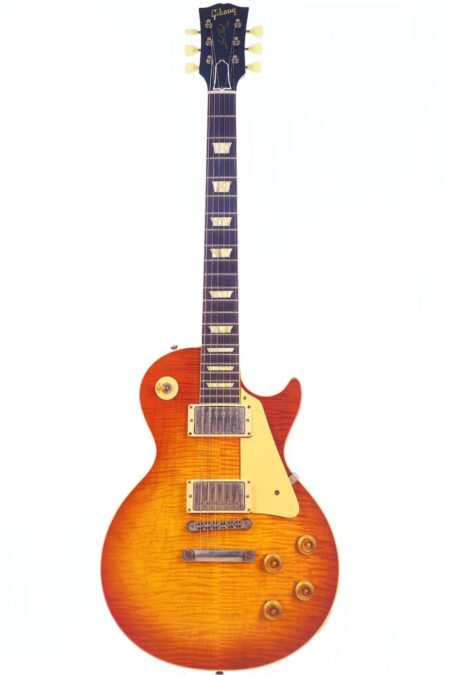
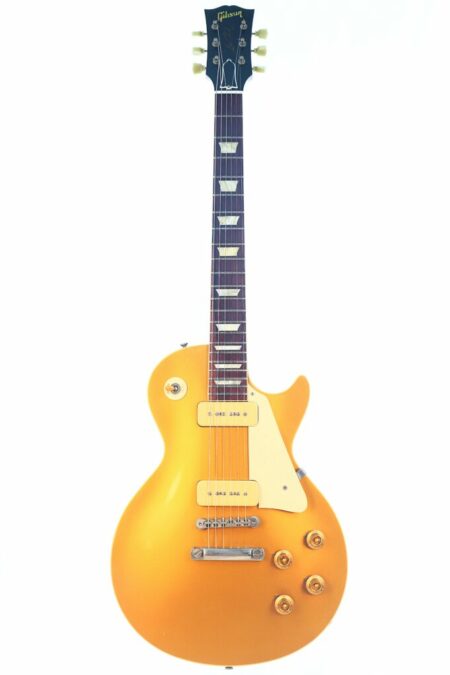
Gibson Les Paul 1960 60th VOS Anniversary Electric Guitar
plus Shipping
-
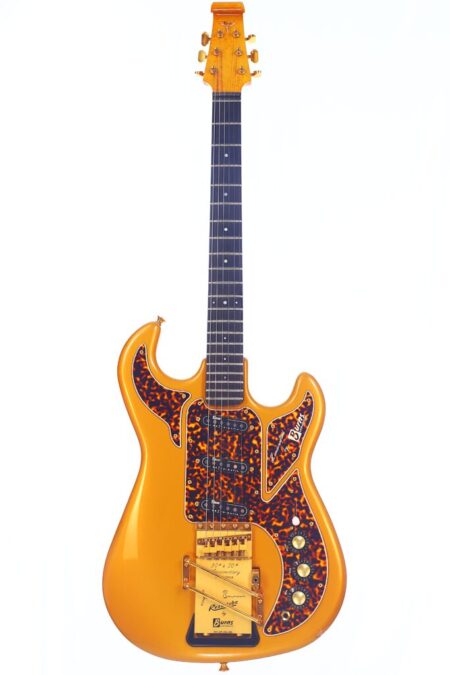
Burns Legend 1994 Electric Guitar
plus Shipping
-
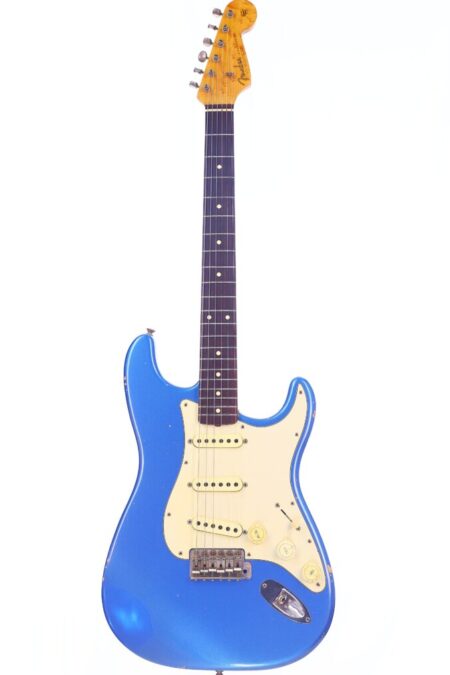
Fender Stratocaster 1960 Relic Cunetto/Cruz Electric Guitar
plus Shipping
-
Out of stock
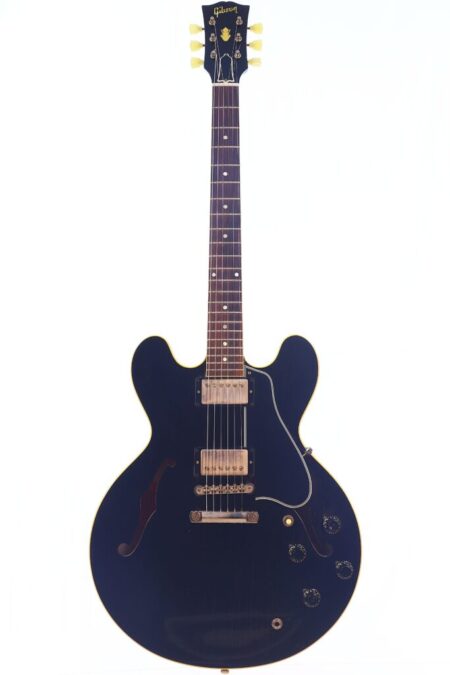
Gibson ES-335 TD Murphy Lab Electric Guitar
-
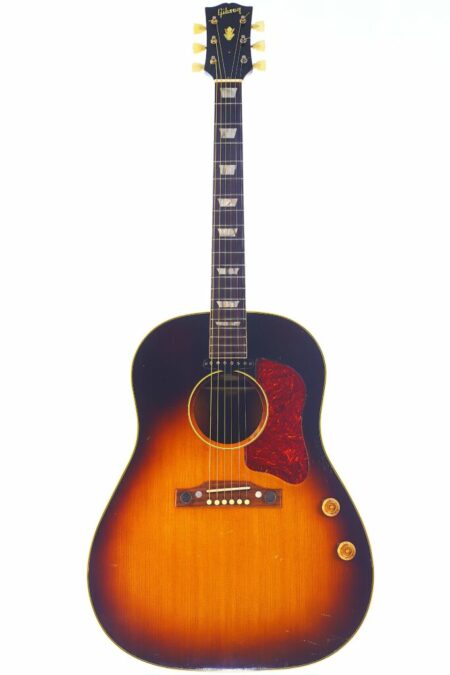
Gibson J-160E 1955 Acoustic Guitar
plus Shipping
-
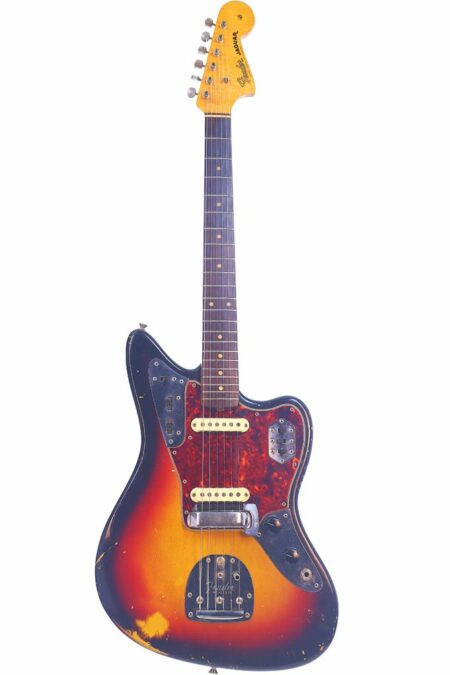
Fender Jaguar 1963 Electric Guitar
plus Shipping
-
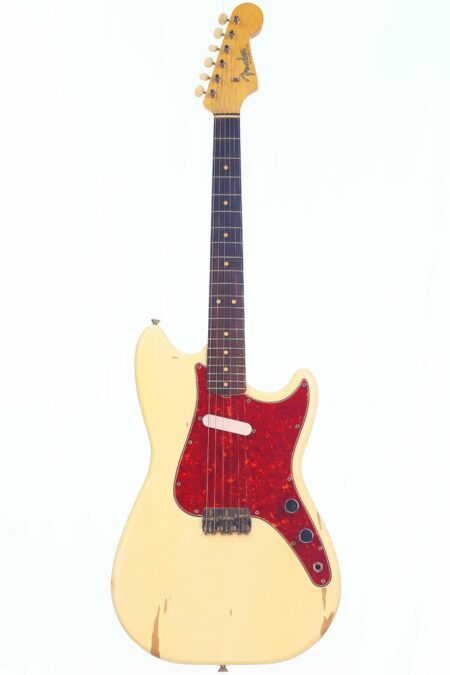
Fender Musicmaster 1963 Electric Guitar
plus Shipping
-
Egmond Solid-7 1963 Electric Guitar
plus Shipping
-
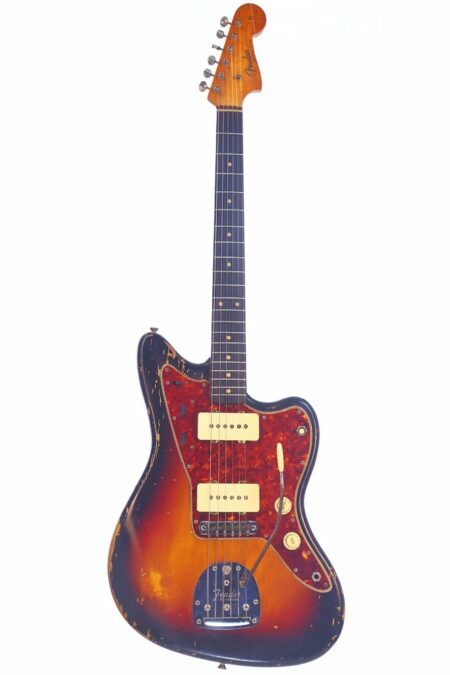
Fender Jazzmaster 1962 Electric Guitar
plus Shipping
-
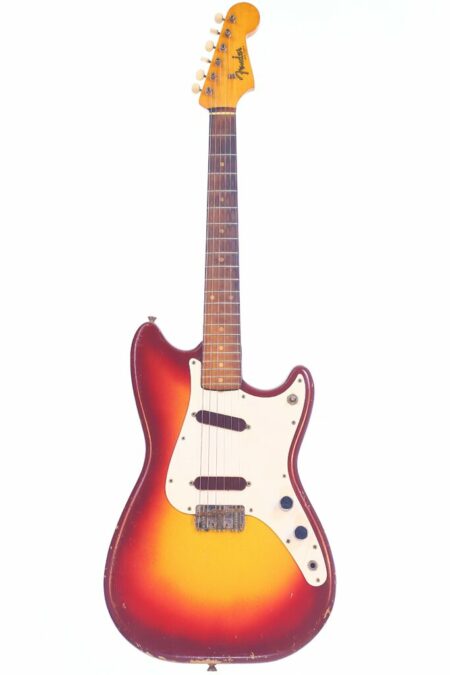
Fender Duosonic 1962 Electric Guitar
plus Shipping
-
Out of stock
Gibson EDS-1275 1988 Electric Guitar
-
Gibson Les Paul R6 2006 Electric Guitar
plus Shipping

Buy Vintage Electric Guitars – Rare Classics with History
At Vintage Guitar World, everything revolves around the fascination of the electric guitar – an instrument that has inspired musicians, conquered stages, and shaped music history for almost 100 years. Whether it’s a Fender Stratocaster, Gibson Les Paul, Telecaster, or SG – every guitar has its own identity, tonal character, and unique aura.
A vintage guitar is more than just a musical instrument: it is a piece of history, a work of art made of wood, metal, and electronics – and it carries the marks and stories of the musicians who played it.
The Electric Guitar – A History of Sound
The beginnings of the electric guitar go back to the 1930s. At that time, jazz guitarists struggled to be heard against trumpets and saxophones. With the invention of the first pickups, a whole new world of sound became possible.
In the 1950s, the electric guitar finally took center stage: Chuck Berry shaped rock ’n’ roll, B.B. King defined the sound of electric blues, and musicians like Buddy Holly and Elvis Presley brought the electric guitar into homes via radio and television.
The instrument quickly became a symbol of youth culture, rebellion, and freedom. To this day, the electric guitar remains strongly associated with passion, energy, and creativity.
The Most Popular Electric Guitar Models
Fender Stratocaster – An Icon of Rock
First released in 1954, the Stratocaster is arguably the most famous guitar in the world. With its three single-coil pickups, ergonomic body design, and tremolo system, it offers unmatched flexibility. From Jimi Hendrix to John Mayer, countless artists have shaped their personal sound with a Stratocaster.
Fender Telecaster – The Straight Shooter
Introduced in 1950, the Telecaster was the first mass-produced solid-body electric guitar. Its clear, twangy tone made it the weapon of choice for country legends like Brad Paisley, and rock icons such as Keith Richards.
Gibson Les Paul – Pure Power
Thanks to its humbuckers and heavy mahogany body, the Les Paul delivers warmth, sustain, and power. It’s the go-to guitar for rock and metal players including Slash, Jimmy Page, and Zakk Wylde.
Gibson SG – Lightweight, Aggressive, and Biting
Launched in 1961 as the successor to the Les Paul, the SG is slimmer, lighter, and has an aggressive sound. It delivers raw rock energy – immortalized by Angus Young of AC/DC.
Fender Jazzmaster, Jaguar & More
The Jazzmaster, with its unique pickups, offers a softer, warmer tone. Popular in surf music, indie, and alternative rock, it’s been played by Elvis Costello and Thurston Moore.
Comparison of Popular Models
| Model | Brand | Sound Character | Best For |
|---|---|---|---|
| Stratocaster | Fender | Bright & versatile | Rock, Funk, Pop |
| Telecaster | Fender | Direct, twangy tone | Country, Indie |
| Les Paul | Gibson | Warm, rich sustain | Rock, Metal |
| SG | Gibson | Aggressive & cutting | Hard Rock |
What Shapes the Sound of an Electric Guitar?
The tone of an electric guitar depends on many factors:
-
Pickups – Single-coils vs. humbuckers: precise and bright, or fat and warm.
-
Body & Wood – Mahogany gives warmth and depth, alder offers brightness and clarity.
-
Hardware & Electronics – Bridges, pots, wiring – small details make a big difference.
-
Amplifiers & Effects – Without an amp, the electric guitar is only half alive. The amp shapes everything from crystal-clear tones to heavy distortion.
Which Guitar is Right for You?
-
Beginners – need a versatile, easy-to-play guitar (e.g. Squier Stratocaster or Epiphone Les Paul).
-
Intermediate Players – often move up to original models from Fender, Gibson, or PRS.
-
By Music Style:
-
Blues & Funk → Stratocaster
-
Country & Indie → Telecaster
-
Rock & Metal → Les Paul or SG
-
-
New vs. Vintage:
-
Modern guitars → reliable, affordable, technically precise.
-
Vintage guitars → unique character, collector’s value, and long-term investment.
-
👉 Explore more:
➤ [Western Guitars]
➤ [Flamenco Guitars]
Legendary Brands
-
Fender – Stratocaster & Telecaster: defining classics since the 1950s.
-
Gibson – Les Paul, SG: the backbone of rock.
-
Gretsch – hollow-body guitars loved by rockabilly and country players.
-
Ibanez – innovative designs for shredders and prog musicians.
-
PRS (Paul Reed Smith) – premium tone, somewhere between Fender and Gibson.
-
Epiphone – great guitars at a more affordable price.
Famous Guitarists & Their Legendary Instruments
-
Jimi Hendrix – turned the Stratocaster into the symbol of the rock revolution. His Woodstock performance is unforgettable.
-
Eric Clapton – switched between Les Paul and Strat, shaping the sound of blues-rock in the 1960s.
-
Slash (Guns N’ Roses) – his Les Paul tone defined ’80s hard rock.
-
Angus Young (AC/DC) – inseparable from his Gibson SG and boundless stage energy.
-
Keith Richards (Rolling Stones) – his Telecaster rhythm work is the heartbeat of rock ’n’ roll.
-
John Mayer – modern Strat tones, blending blues, pop, and funk.
These legends prove that the choice of guitar shapes the musician just as much as the musician shapes the guitar.
Caring for Your Electric Guitar
A vintage guitar is not only an instrument but also a valuable collectible. To maintain both its sound and market value:
-
Clean regularly and change strings often
-
Check the neck and electronics
-
Store in a stable, climate-controlled environment
-
Preserve original parts (pickups, tuners, case)
Electric Guitars as Investments
Vintage electric guitars have steadily risen in value for decades. Models from the 1950s and 1960s (pre-CBS Fenders, vintage Gibsons) achieve record prices at auctions.
A well-kept vintage guitar is not only a source of inspiration but also a long-term financial investment.
FAQ – Frequently Asked Questions
Is it hard to learn electric guitar?
Not at all. With motivation and practice, you can play your first songs in just a few days.
Can you start learning at 50?
Absolutely. Music has no age limits – many start later in life and enjoy it even more.
What’s the difference between electric and electro-acoustic?
An electric guitar needs an amplifier, while an electro-acoustic also produces sound unplugged.
Which guitar fits which style?
-
Rock & Metal → Les Paul, SG
-
Blues & Funk → Stratocaster
-
Country & Indie → Telecaster
-
Jazz & Surf → Jazzmaster