
Acoustic Guitars
Acoustic Guitars with Soul – New & Vintage at Vintage Guitar World
Whether it’s a steel string guitar or a classical concert guitar, acoustic guitars impress with their natural sound and versatility. Here, you will find an exclusive selection of vintage and modern acoustic guitars of the highest quality. Discover models crafted from fine woods such as rosewood with a spruce or cedar top, featuring optimal string action and perfect sound balance – ideal for beginners, advanced players, and professionals.
Browse now and find the perfect acoustic guitar for your style!
-

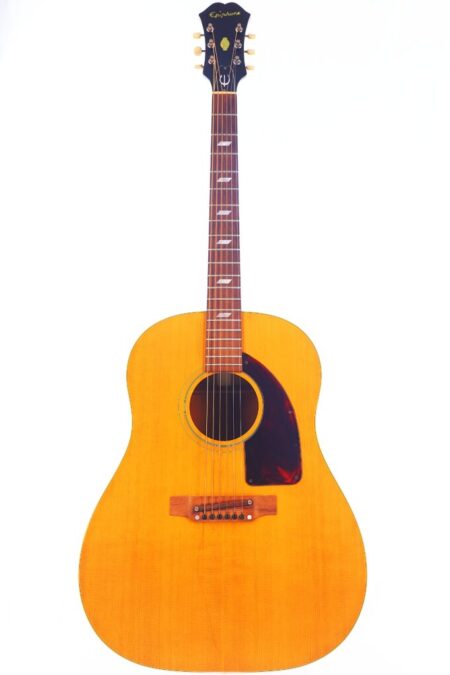
Epiphone Texan FT-79 1969 Acoustic Guitar
plus Shipping
-
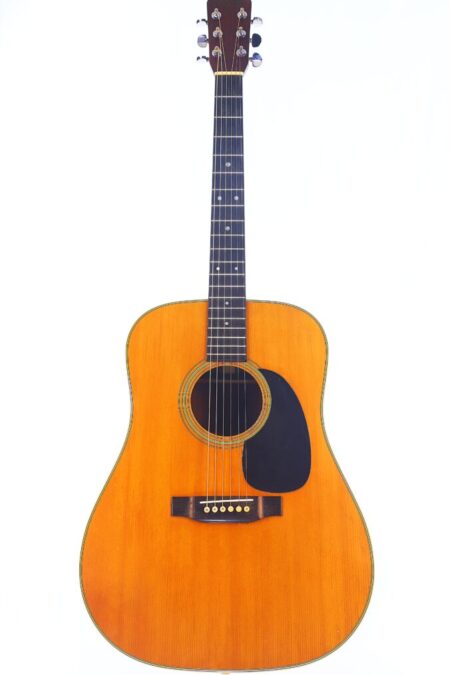
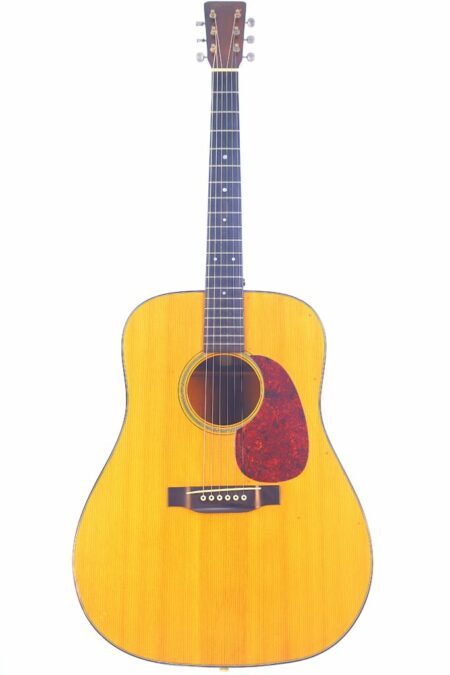
Martin D-28 1967 Acoustic Guitar
plus Shipping
-
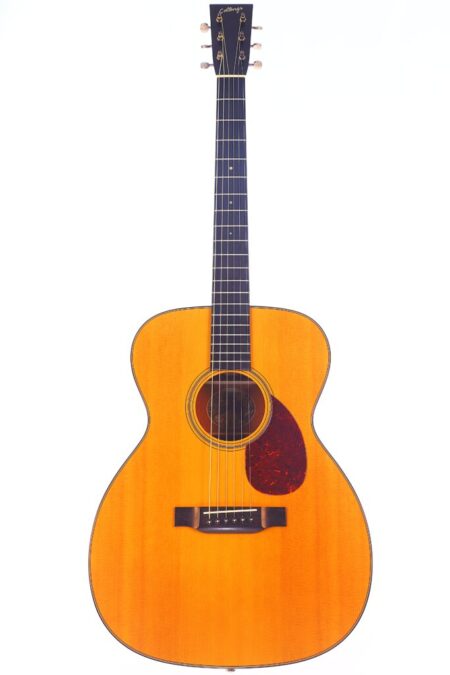
Collings OM1 JL 2019 Acoustic Guitar
plus Shipping
-
Out of stock
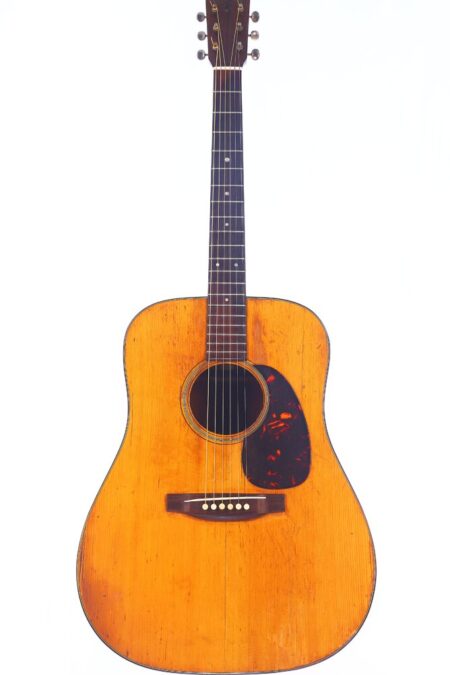
Martin D-18 1965 Acoustic Guitar
-
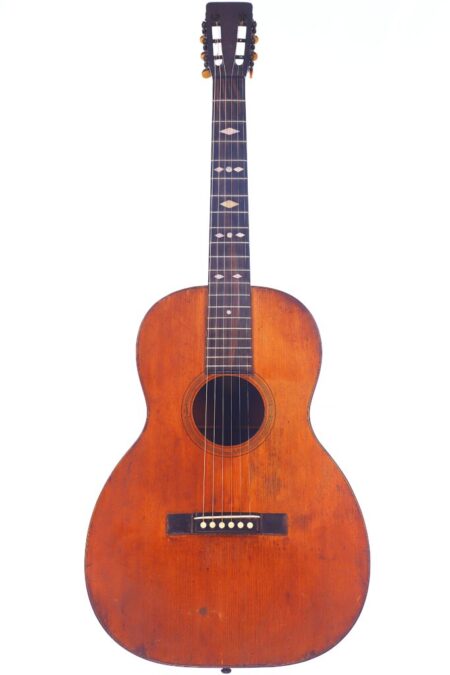
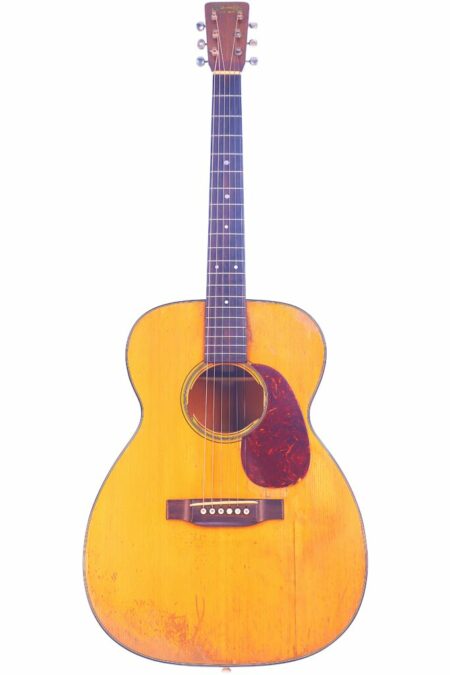
Martin 0-18 1926 Acoustic Guitar
plus Shipping
-
Martin 000-21 1947 Acoustic Guitar
plus Shipping
-
Out of stock
Martin 00-18 1946 Acoustic Guitar
-
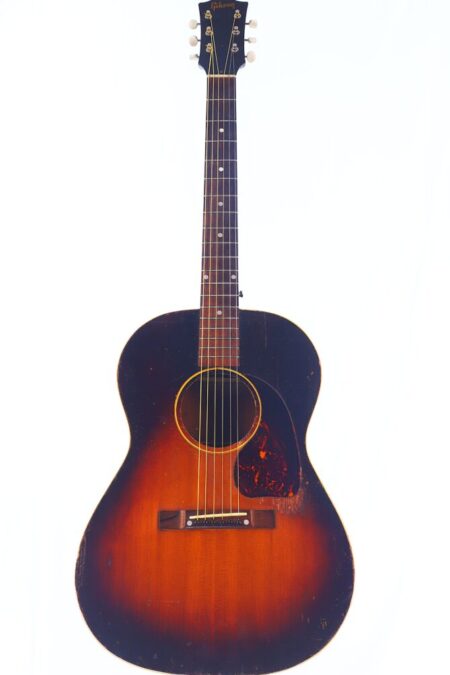
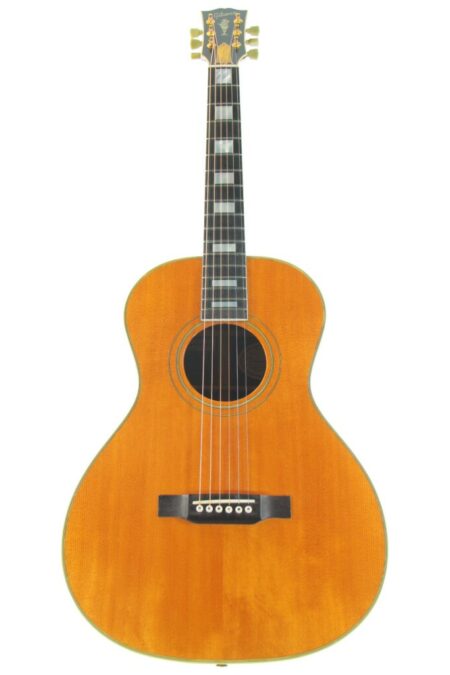
Gibson L-00 1934 Acoustic Guitar
plus Shipping
-
Out of stock
Gibson LG-1 1954 Acoustic Guitar
-
Martin 00-18 1922 Acoustic Guitar
plus Shipping
-
Out of stock
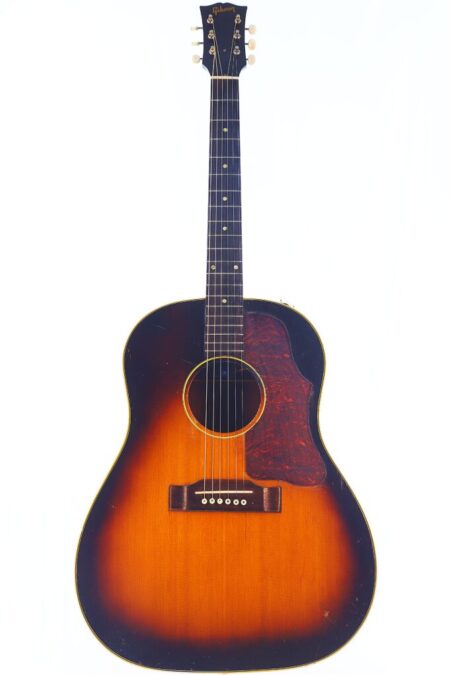
Gibson J-45 1957 Acoustic Guitar
-
Out of stock
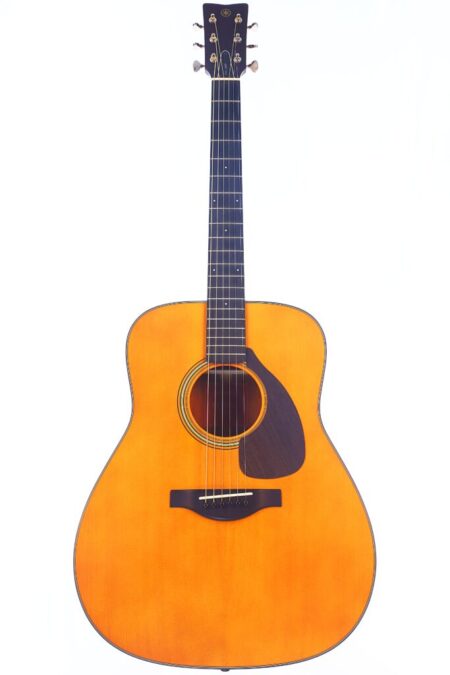
Yamaha FG5 Acoustic Guitar
plus Shipping
-
Out of stock
Martin D-35S 1988 Acoustic Guitar
-
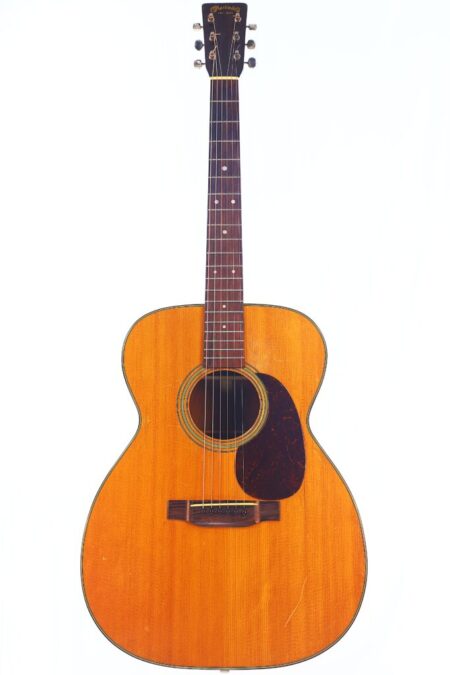
Martin 000-21 1947 Acoustic Guitar
plus Shipping
-
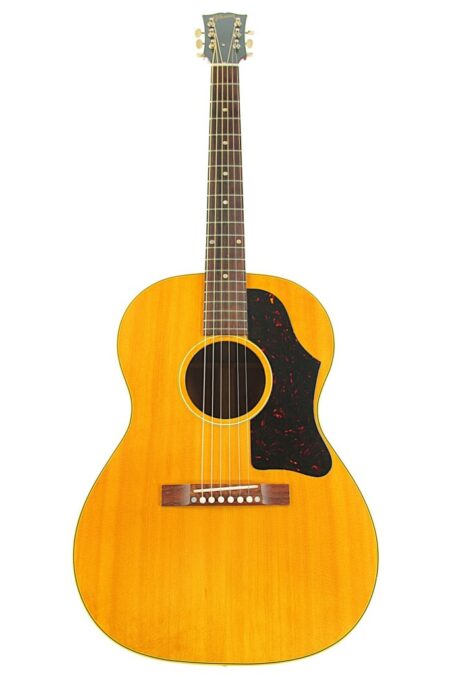
Gibson LG-3 1957 Acoustic Guitar
plus Shipping
-
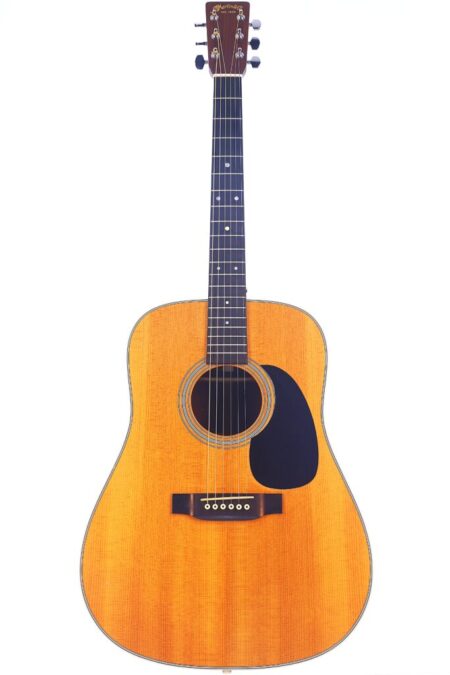
Martin D-28 2000 Acoustic Guitar
plus Shipping
-
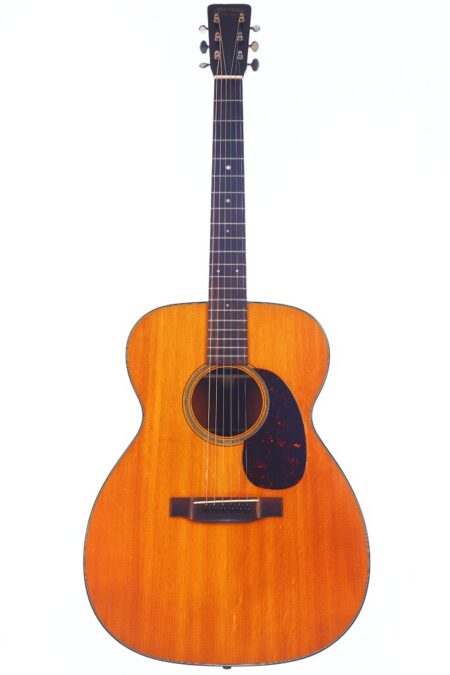
Martin 000-18 1958 Acoustic Guitar
plus Shipping
-
Martin D-28 1950 Acoustic Guitar
plus Shipping
-
Gibson J-160E 1955 Acoustic Guitar
plus Shipping
-
Martin 00-18 1944 Acoustic Guitar
plus Shipping
-
Martin D-28 1958 Acoustic Guitar
plus Shipping
-
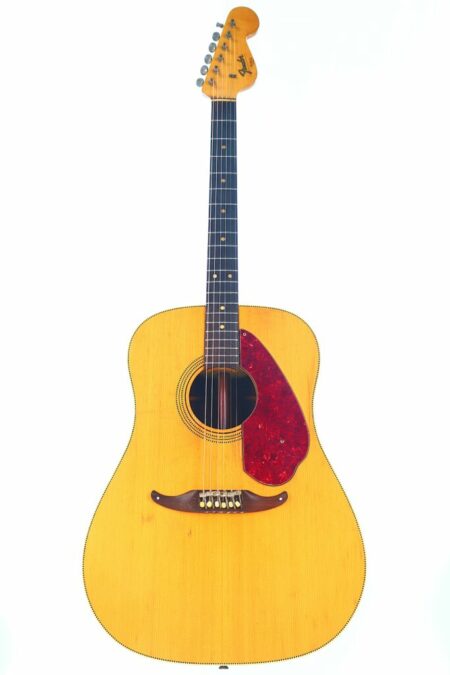
Fender Wildwood 1967 Acoustic Guitar
plus Shipping
-
Martin 000-18 1955 Acoustic Guitar
plus Shipping
-
Martin D-12-35 1967 Acoustic Guitar
plus Shipping
-
Fender King 1963 Acoustic Guitar
plus Shipping
-
Martin D-18 1953 Acoustic Guitar
plus Shipping
-
Martin 00-18 1953 Acoustic Guitar
plus Shipping
-
Santa Cruz 00-Skye Acoustic Guitar
plus Shipping
-
Gibson Hummingbird 1966 Acoustic Guitar
plus Shipping
-
Martin HD-35 1979 Acoustic Guitar
plus Shipping
-
Blazer 1995 D-45 style Acoustic Guitar
plus Shipping
-
Out of stock
Larson Brothers 0-style Maurer 1920 Acoustic Guitar
plus Shipping
-
Gibson Southern Jumbo 1955 Acoustic Guitar
plus Shipping
-
Martin OM-21 Custom 7-String Acoustic Guitar
plus Shipping
-
Martin 00-17 1944 Acoustic Guitar
plus Shipping
-
Martin 00-21 1929 Acoustic Guitar
plus Shipping
-
Guild F-50 1980 Acoustic Guitar
plus Shipping
-
Martin OM-28 1931 Acoustic Guitar
plus Shipping
-
Gibson J-50 1952 Acoustic Guitar
plus Shipping
-
Martin OM-18 OM Authentic 1933 Acoustic Guitar
plus Shipping
-
Larson Brothers Stetson 1929 Acoustic Guitar
plus Shipping
-
Out of stock
Gibson LG-2 1946 Acoustic Guitar
-
Martin D-35 1979 Acoustic Guitar
plus Shipping
-
Schertler SM Acoustic Guitar
plus Shipping
-
Gibson Mk-35 1977 Acoustic Guitar
plus Shipping
-
Gibson J-35 1939 Acoustic Guitar
plus Shipping
-
Martin D-35 1977
plus Shipping
-
Martin D-35 1966
plus Shipping
-
Out of stock
Gibson L-20 Special 1993
-
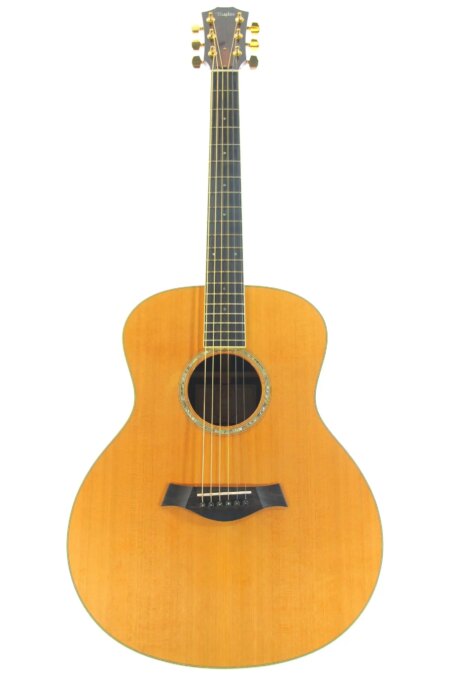
Taylor GS 8 2006 “cedar top”
plus Shipping
-
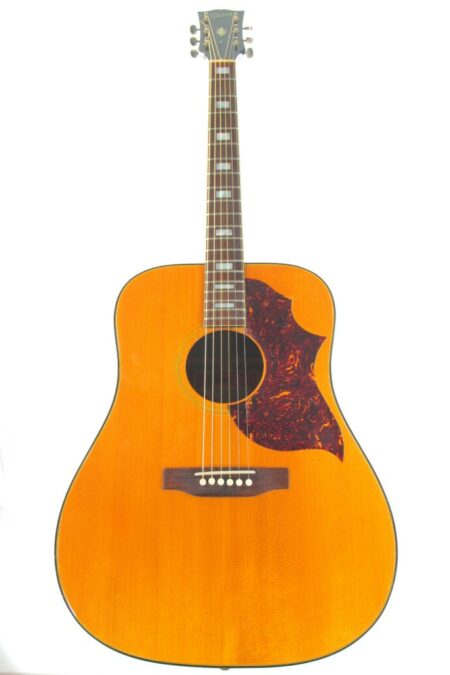
Gibson Country Western 1974
plus Shipping
-
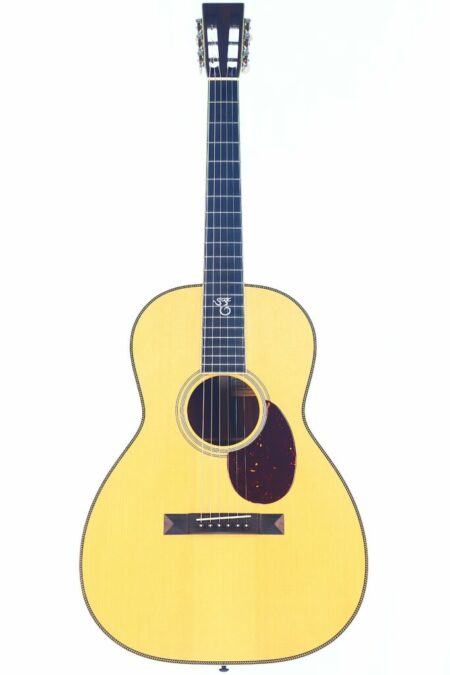
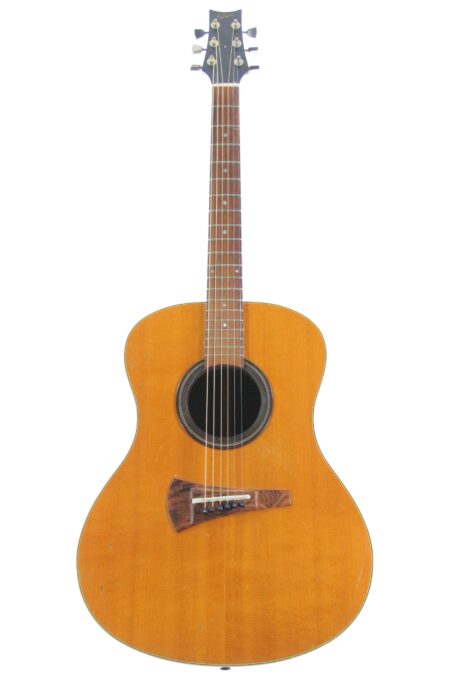
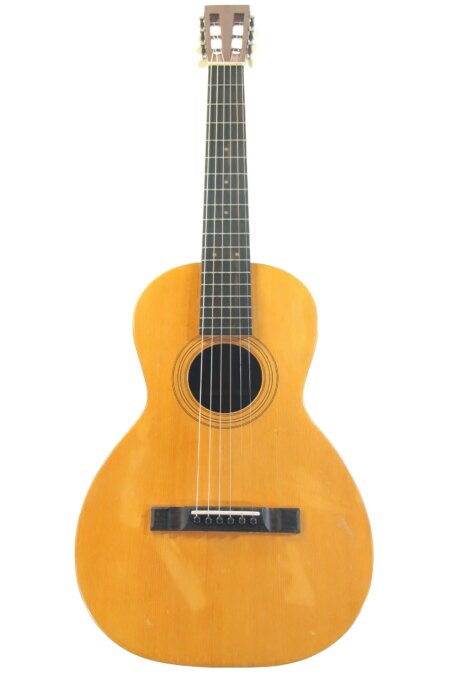
George Washburn parlor guitar ~1900
plus Shipping
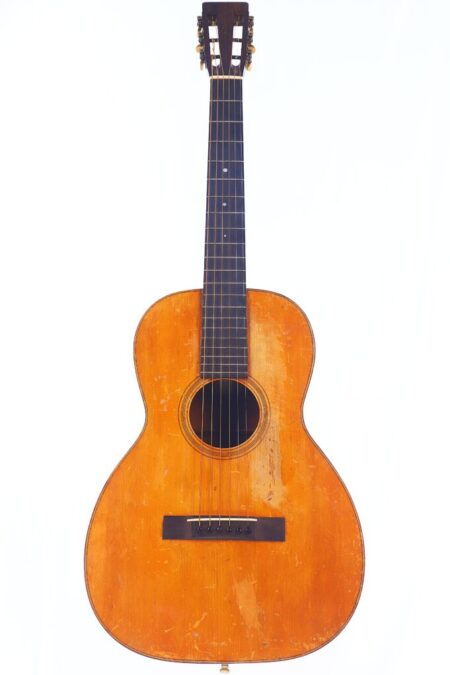
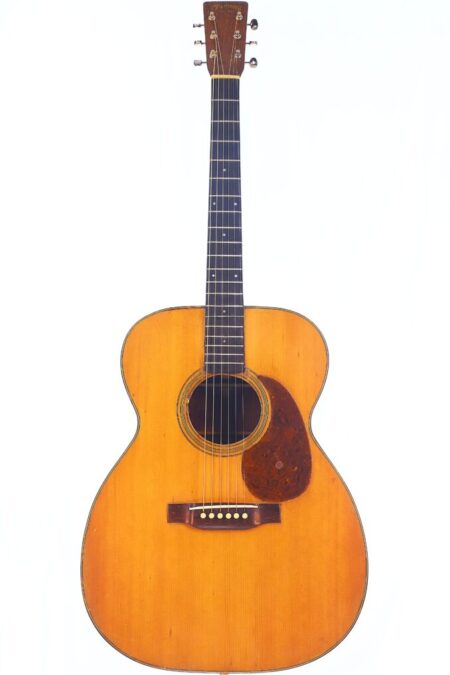
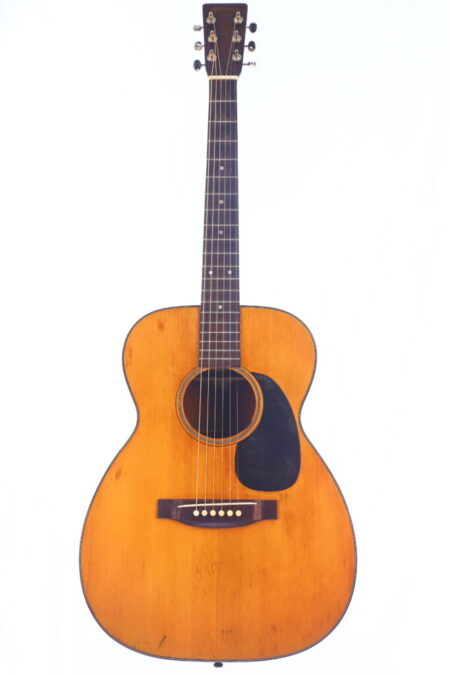
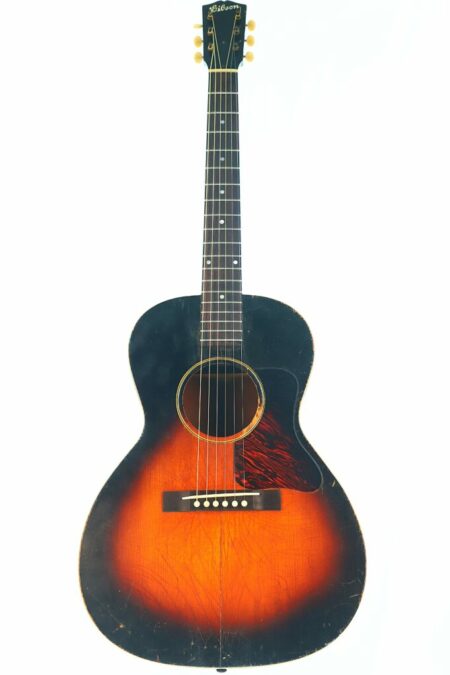
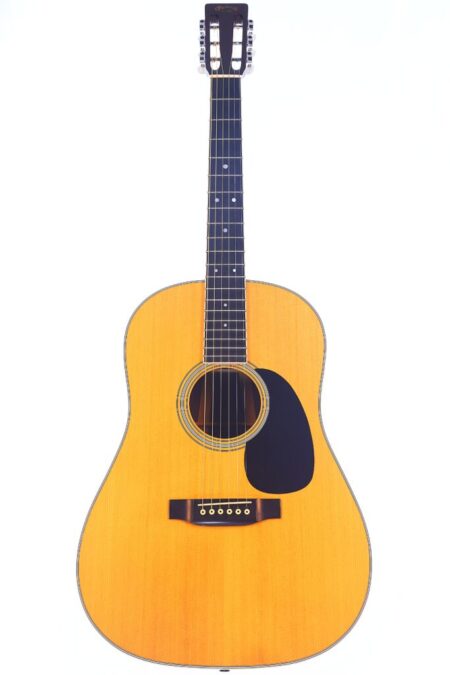
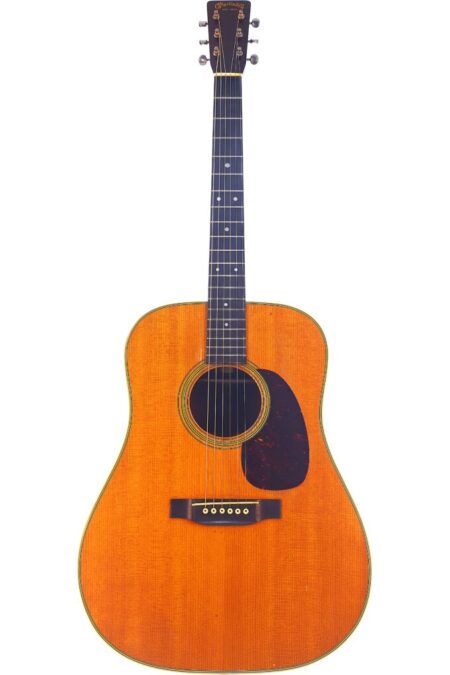
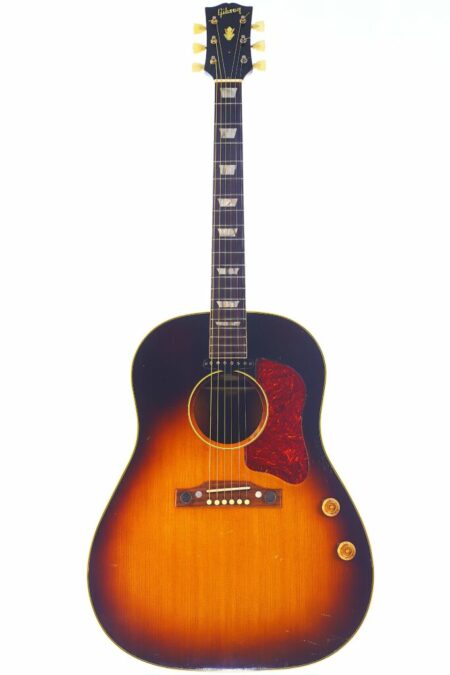
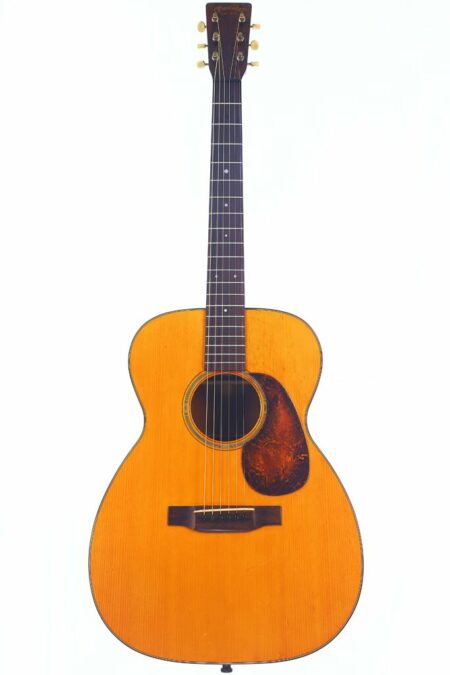
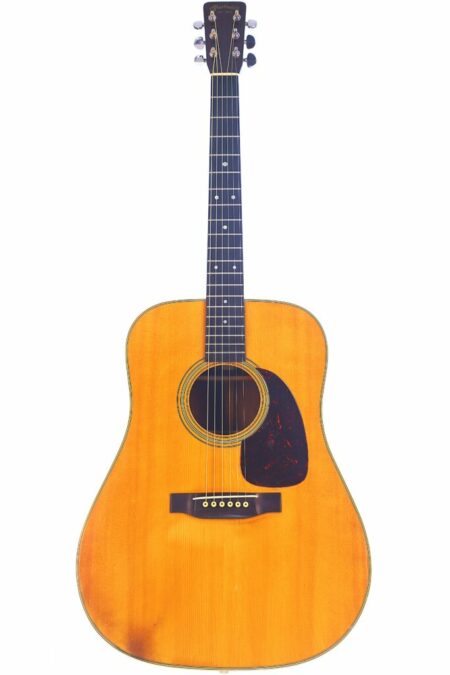
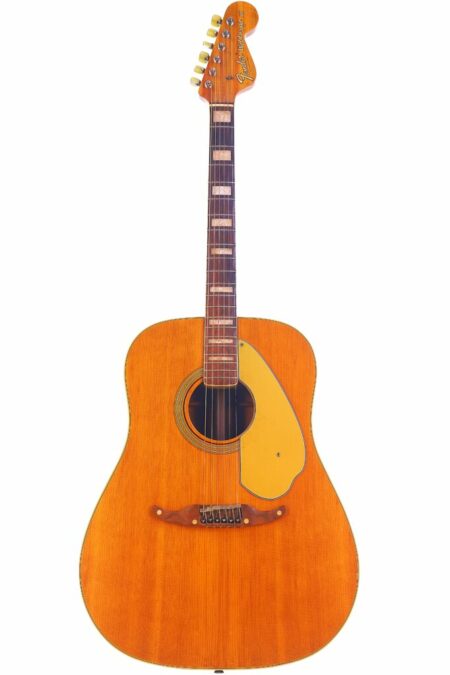
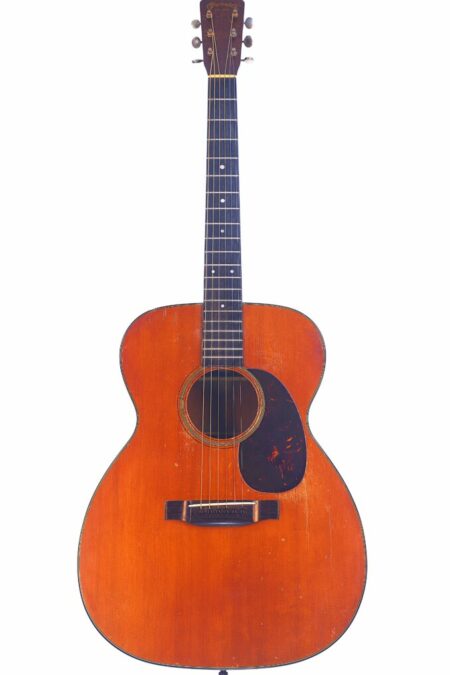
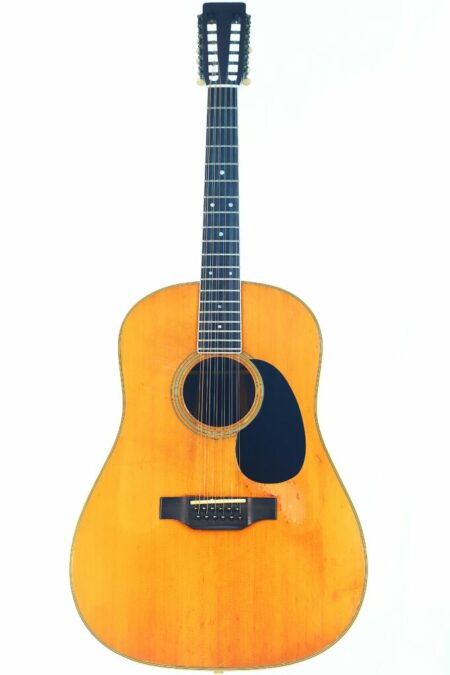

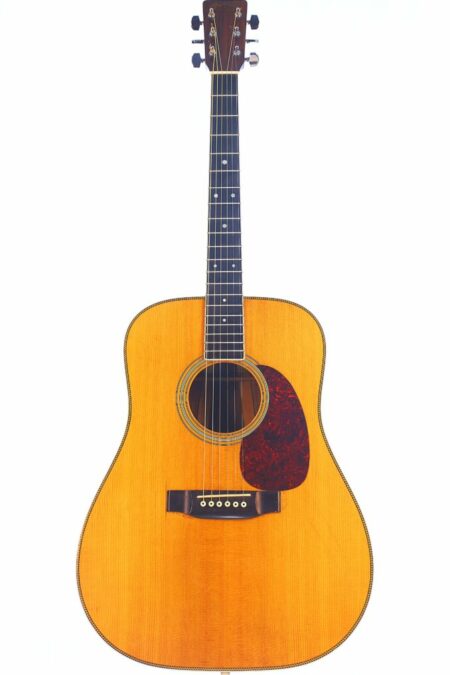
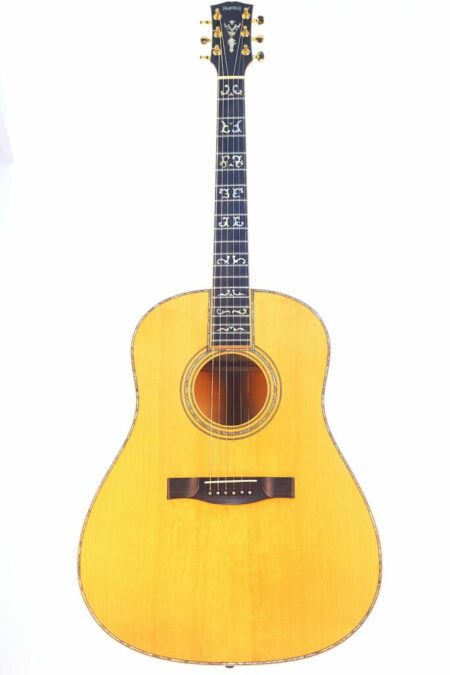
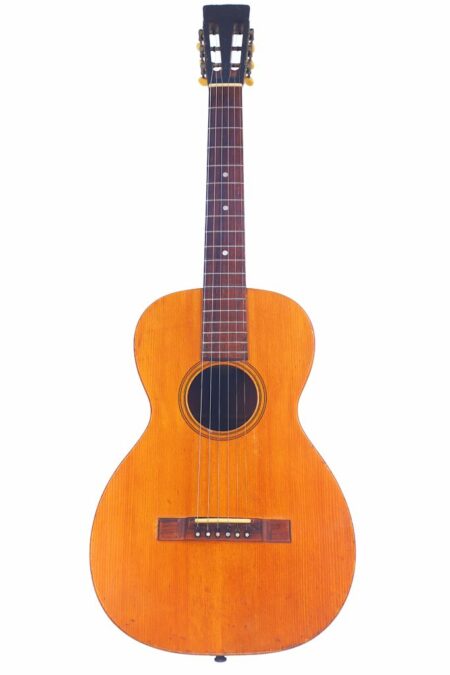
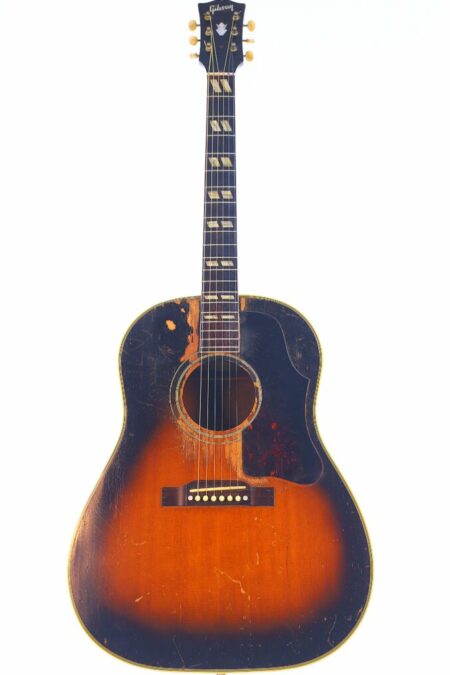
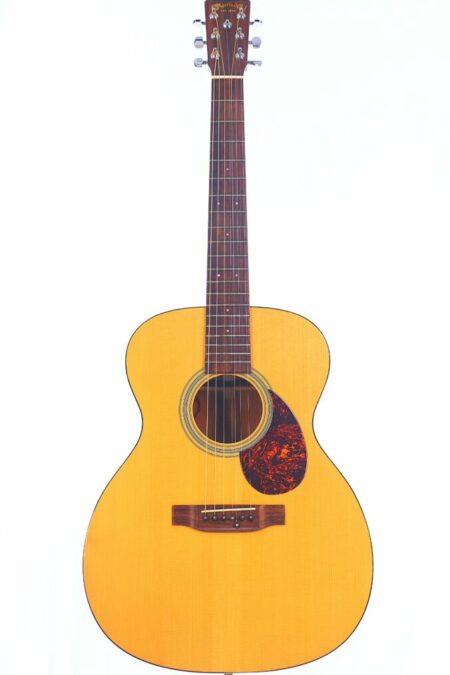
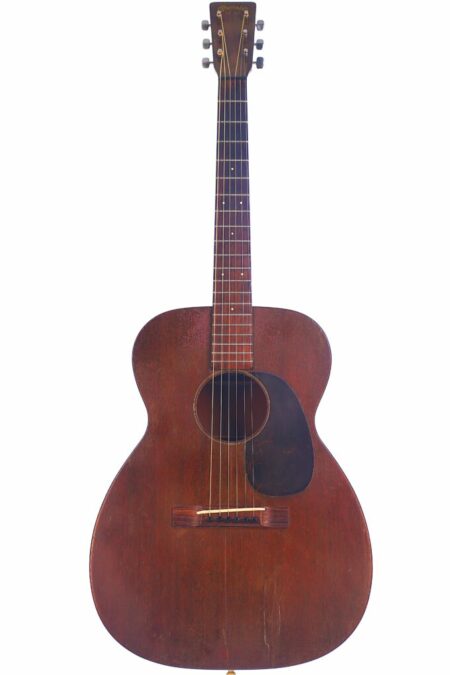
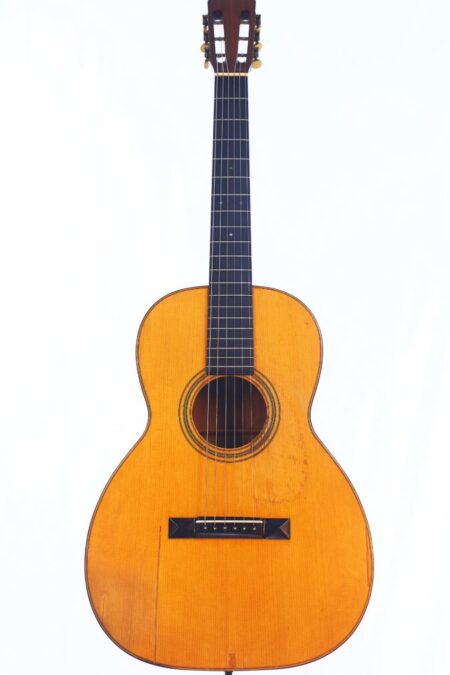
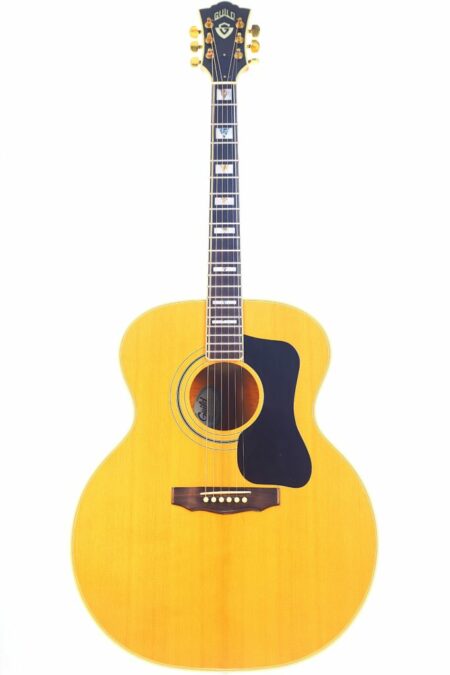


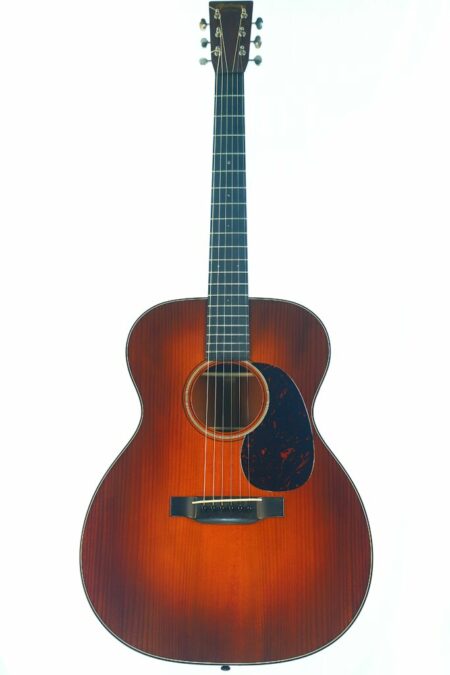

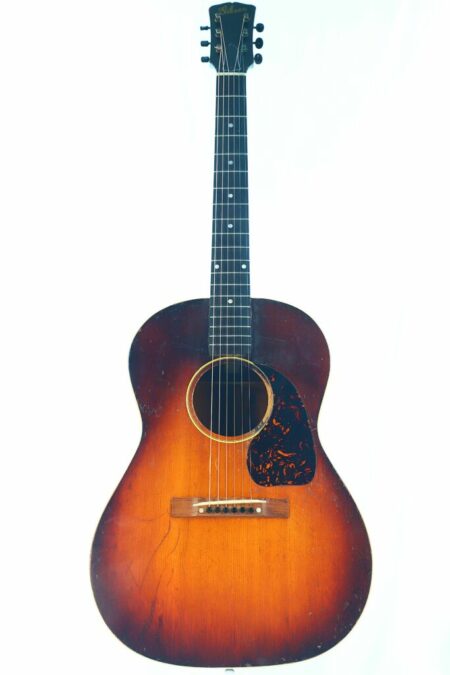
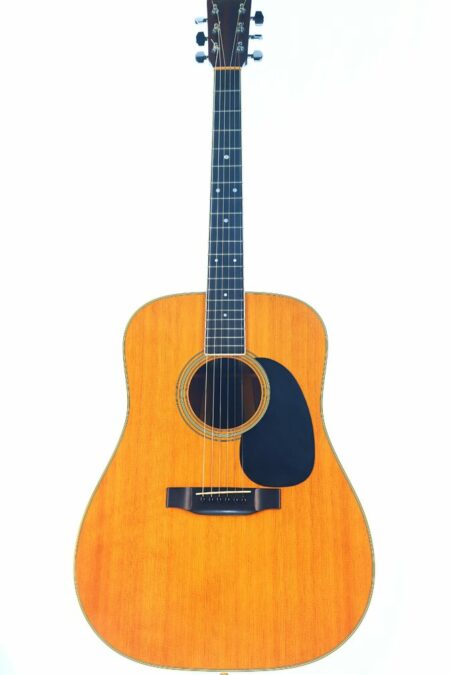
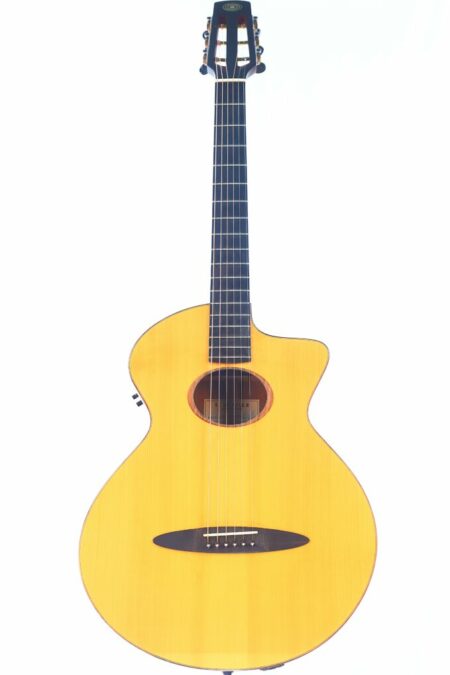


Acoustic Guitars – A Diversity of Sound, Shape & Character

What makes an acoustic guitar special?
An acoustic guitar is defined by its unique construction and tonal characteristics. The key components include the body, neck, fingerboard, and strings (with low action). The body, often made of solid wood, is crucial for sound projection, while the neck and fingerboard ensure playability and comfort for the musician. A precise action, determining the distance between the strings and the fingerboard, is essential for a pleasant playing experience.
Another feature of the acoustic guitar is sound transmission without pickups. The sound is produced by the vibration of the strings, which is amplified by the body. This results in a warm, natural tone that is appreciated across various musical styles.
In contrast to the classical guitar, which uses nylon strings and has a wider neck, acoustic guitars (often referred to as steel string guitars) are equipped with steel strings and have a narrower nut width. This allows for different playing techniques and tonal qualities, making acoustic guitars particularly versatile. Overall, the acoustic guitar combines tradition and innovation, making it a popular instrument for musicians of all genres.
Nylon or Steel Strings? Differences and Recommendations
| Criterion | Steel Strings | Nylon Strings |
|---|---|---|
| Sound Character | Bright, loud, and clear sound, ideal for folk, rock, and blues. | Warm, soft sound, suitable for classical and flamenco playing. |
| String Tension | Higher string tension, leading to greater projection. | Lower string tension, more comfortable for fingerstyle. |
| Playability | Can be painful for beginners, requiring stronger fingers. | Easier to play, especially for beginners and fingerstyle techniques. |
| Suitable For | Perfect for rock, pop, and folk guitarists seeking louder sounds. | Ideal for classical guitarists, flamenco players, and beginners. |
Vintage Acoustic Guitars – Genuine Originals with History
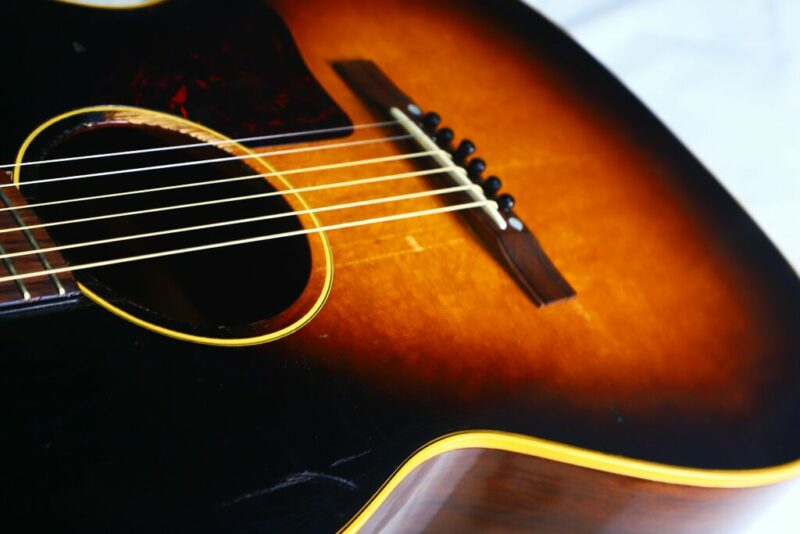 Vintage acoustic guitars are not merely instruments; they are true treasures with a unique history. Purchasing used models offers numerous advantages, including often enhanced sound quality that has developed over the years. These instruments are frequently crafted from high-quality woods such as spruce and cedar for the top, and rosewood and mahogany for the back and sides. These woods are known for their excellent sound and durability.
Another benefit is the brand quality of renowned guitar makers who have invested decades in craftsmanship and innovation. Brands like Gibson, Martin, Guild, and Taylor are known for their classic vintage models, which are now cherished by musicians and collectors alike. Buying a vintage acoustic guitar is thus not only an investment in a musical tool but also in a piece of music history that has endured for many generations.
Steel String Guitar, Concert Guitar, Flamenco Guitar – The Differences
 Steel String guitars, concert guitars, and flamenco guitars differ in construction, sound, and playing techniques.
The steel string guitar is typically equipped with steel strings, resulting in a bright, loud sound. It is excellent for folk, rock, and country music and often has a larger body for better projection and volume.
The concert guitar, also known as the classical guitar, uses nylon strings that produce a warm, gentle sound. These guitars have a wider neck, making them ideal for classical playing. More information can be found here: → Classical Guitars.
Flamenco guitars are specifically designed for flamenco playing and feature a flatter body and lower action, allowing for faster playing techniques. The sound is percussive and clear, perfect for the rhythmic elements of flamenco. For more details, click here: → Flamenco Guitars.
Frequently Asked Questions About Acoustic Guitars
What is the difference between acoustic and classical guitars?
Acoustic guitars (also known as steel string guitars) are typically equipped with steel strings, offering a brighter and louder sound, while classical guitars use nylon strings, producing a warmer, softer tone. Additionally, classical guitars have a wider neck, making them ideal for classical playing.
What is the difference between acoustic guitars with nylon and steel strings?
The main difference lies in the type of strings and the sound. Steel strings produce a louder, clearer sound and are ideal for folk and rock, while nylon strings have a softer sound and are better suited for classical and flamenco styles.
Are guitars with nylon strings easier to play?
Yes, nylon strings are generally softer on the fingers and are often easier for beginners to play, as they require less pressure.
Can a classical guitar be strung with steel strings?
It is not recommended, as the higher string tension can damage the guitar's structure. Classical guitars are designed for nylon strings.
When is an acoustic guitar preferable to an electric guitar?
An acoustic guitar is preferable when a warm, natural sound is desired, which is well-suited for folk, country, or singer-songwriter styles. It is also ideal for acoustic performances and playing in small, intimate settings, as it does not require an amplifier.