
Johann Sebastian Bach, one of the most esteemed composers of the Baroque era, has profoundly impacted the world of music, transcending genres and time periods. His works, originally composed for instruments such as the violin, cello, and keyboard, have found a unique and vibrant expression through the classical guitar. This transformation has allowed guitarists to explore Bach’s intricate compositions, bringing new life and interpretation to his music.
The Cello Suites
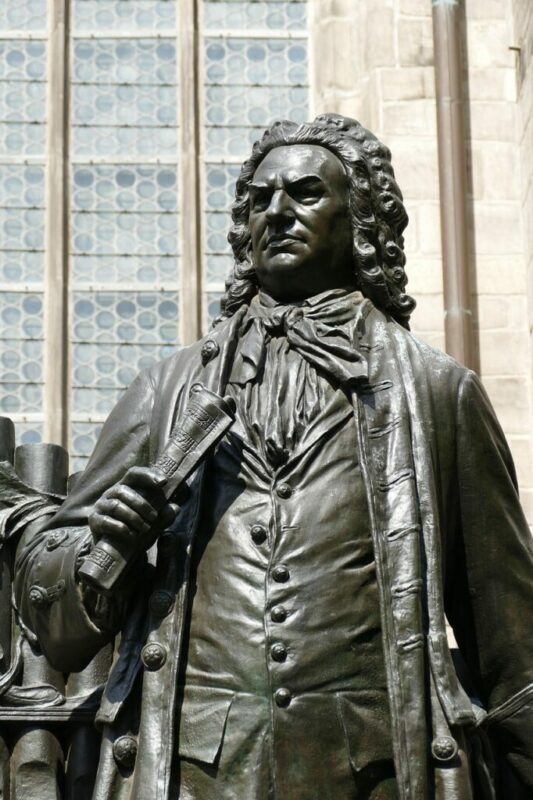
One of Johann Sebastian Bach’s most celebrated contributions is the Six Cello Suites (BWV 1007-1012). Composed in the early 18th century, these suites have been transcribed for guitar, showcasing the instrument’s versatility. Guitarists such as Julian Bream and Steven Hancoff have adapted these works, allowing audiences to experience the rich textures and melodic lines of Bach’s music through the warm tones of the guitar. The adaptations highlight the guitar’s capability to convey both the technical precision and emotional depth inherent in Bach’s compositions.
The Lute Works
Johann Sebastian Bach’s lute works, including the Lute Suites (BWV 996-999), also lend themselves beautifully to guitar interpretation. The intricate counterpoint and harmonic complexity of these pieces translate well to the guitar’s six strings, providing a fresh perspective on Bach’s music. Many guitarists have embraced these transcriptions, further expanding the repertoire available for the instrument.
Influence on Guitar Techniques
Johann Sebastian Bach’s music has not only enriched the guitar repertoire but has also influenced guitar playing techniques. The use of counterpoint, a hallmark of Bach’s style, encourages guitarists to develop their skills in voice leading and harmonic understanding. His compositions challenge musicians to explore fingerstyle techniques and dynamic expression, fostering a deeper connection to the music.
Andrés Segovia’s Legacy

A pivotal figure in popularizing the guitar as a concert instrument, Andrés Segovia played a significant role in bringing Bach’s music to the guitar. His transcriptions and interpretations of Bach’s works, particularly the Cello Suites and Lute Suites, helped establish the guitar’s legitimacy in classical music. Segovia’s artistry and dedication to Johann Sebastian Bach’s compositions inspired countless guitarists and set a standard for interpreting classical music on the guitar. His performances demonstrated that the guitar could convey the same emotional depth and complexity as more traditional instruments.
photo©ErlingMandelmann.ch,
Andrés Segovia (1963) by Erling
Mandelmann, CC BY-SA 3.0
Modern Interpretations
In contemporary music, Bach’s influence on the guitar continues to thrive. Many modern guitarists incorporate elements of Bach’s music into their performances, blending classical techniques with modern styles. Artists like John Williams and Ana Vidovic have drawn inspiration from Bach, demonstrating the timeless nature of his compositions. Their interpretations often reflect a personal touch while maintaining the integrity of Bach’s original works.
Conclusion
Johann Sebastian Bach’s contributions to music have left an indelible mark on the guitar. Through transcriptions and adaptations of his works, guitarists have not only preserved his legacy but have also enriched their own musical expression. The guitar’s ability to convey Bach’s intricate melodies and complex harmonies ensures that his music will continue to resonate with audiences and musicians alike for generations to come. The efforts of figures like Andrés Segovia have further solidified Bach’s place in the guitar repertoire, ensuring that his genius remains accessible through this beloved instrument.