
Guide to Flamenco Guitar
The Flamenco guitar, while visually similar to the classical guitar, possesses unique characteristics that set it apart. These differences are rooted primarily in its construction and intended use, reflecting the vibrant and dynamic nature of Flamenco music and dance.
Differences Between Classical and Flamenco Guitars

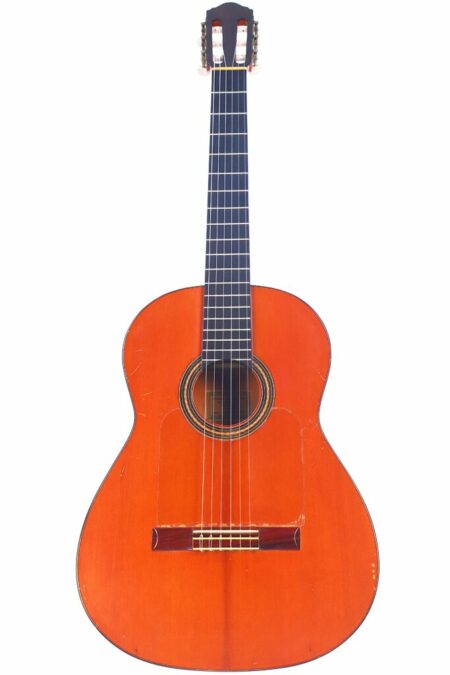
At first glance, the Flamenco guitar may seem distinguished from the classical guitar only by its pickguard, known as the golpeador. However, the distinctions go deeper, particularly in how the instruments are constructed and utilized.
Originally, the Flamenco guitar (guitarra flamenca) was an accompanying instrument for Flamenco singing (cante) and dance (baile). Given the powerful footwork of Flamenco dancers and the robust voices of Flamenco singers, these guitars were relatively quiet instruments. Flamenco guitarists often struggled to make their sound heard.
This challenge led luthiers (guitarreros) to create a louder, more assertive instrument, laying the groundwork for the development of the Flamenco guitar.
Constructional Differences
Flamenco guitars are designed for quick response, producing a loud, percussive, and sharp tone that doesn’t sustain as long as a classical guitar. This is largely due to thinner wood thicknesses and lower string action.
Golpeador: A true Flamenco guitar features a golpeador on the soundboard. This protective layer, made of transparent or white plastic, shields the guitar from the percussive taps (golpes) often used in Flamenco pieces to emphasize the rhythm (compás).
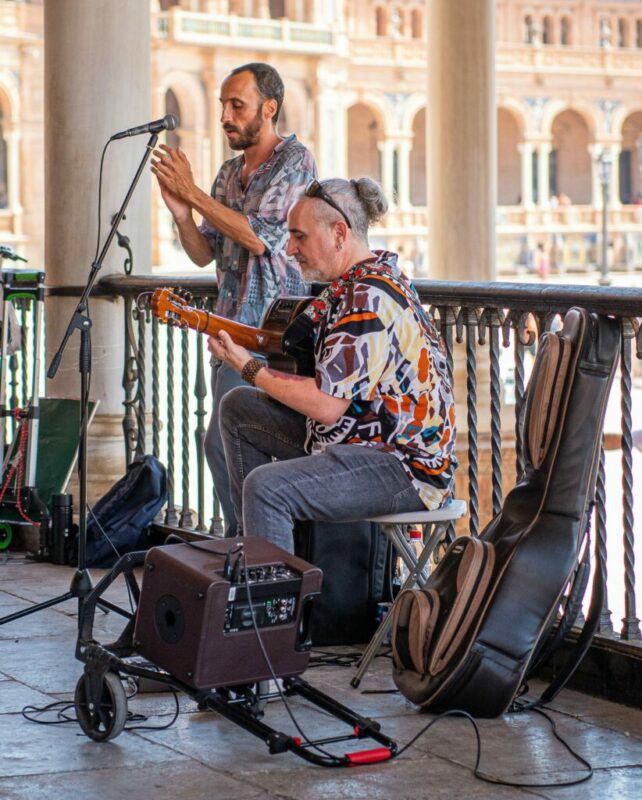 String Action: The string action on a Flamenco guitar is significantly lower than on classical guitars, making it easier to play. However, this can cause the strings to buzz against the frets during vigorous playing. While this buzzing is undesirable for classical soloists, it contributes to the distinct Flamenco sound.
Modern Flamenco guitars typically have a slightly higher action than older models, which were primarily used as accompaniment instruments. Adjustments to string height should be made by a professional.
Weight and Build: Flamenco guitars are generally lighter than classical guitars. The wood used for the soundboard, back, and sides is thinner, and the body is shallower, with sides about 2 cm narrower on average.
Types of Flamenco Guitars
Flamenco guitars are categorized based on the wood used:
Flamenca Blanca: Traditionally, a “Blanca” features back and sides made from light-colored woods like cypress (or occasionally maple). These guitars produce the typical clear, percussive Flamenco sound, though with less sustain than “regular” classical guitars. Blancas are ideal for accompanying dance and singing due to their volume and projection.
Flamenca Negra: “Negra” refers to guitars made from darker woods, primarily rosewood. A Flamenca Negra is generally closer to a classical guitar in sound, offering a broader tonal range and longer sustain, making it more suited for concerts and solo performances. Its versatility also allows it to handle other musical styles, making it a perfect choice for the multi-talented guitarist.
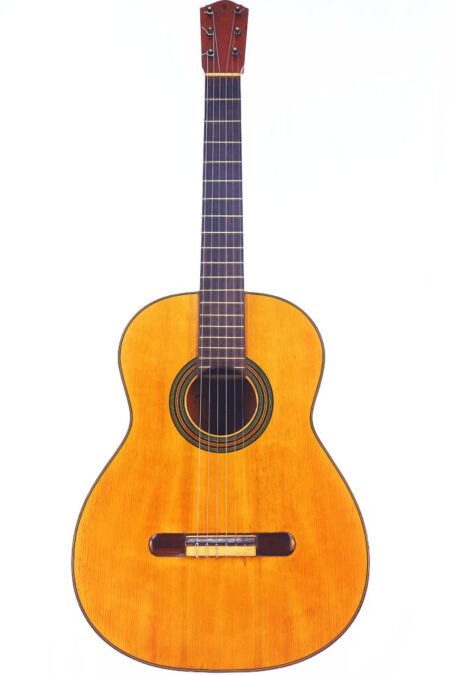
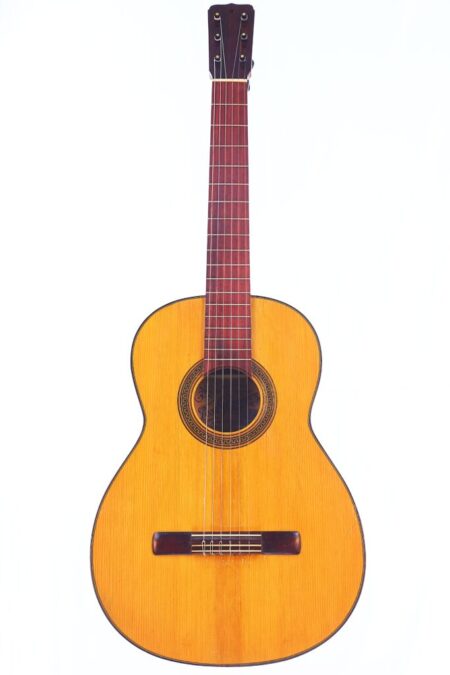
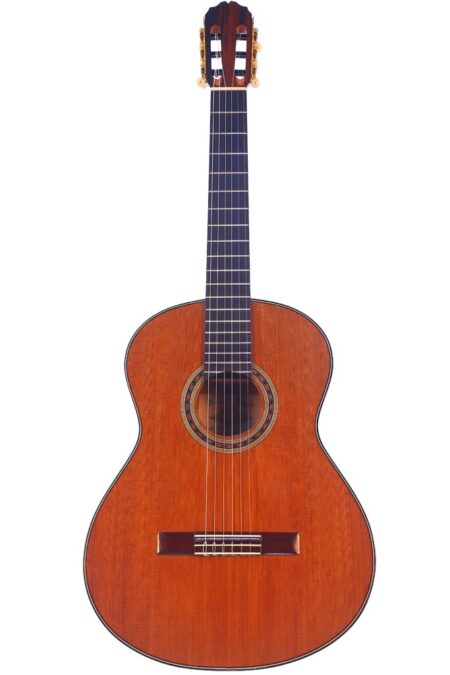
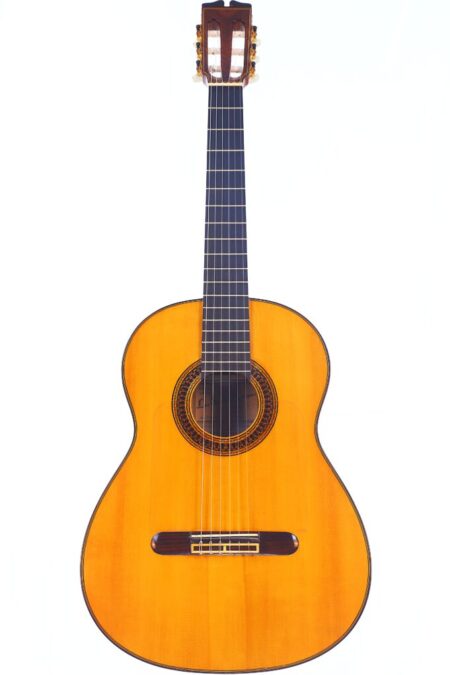
Discover fantastic Flamenco Guitars here in our Shop:
-

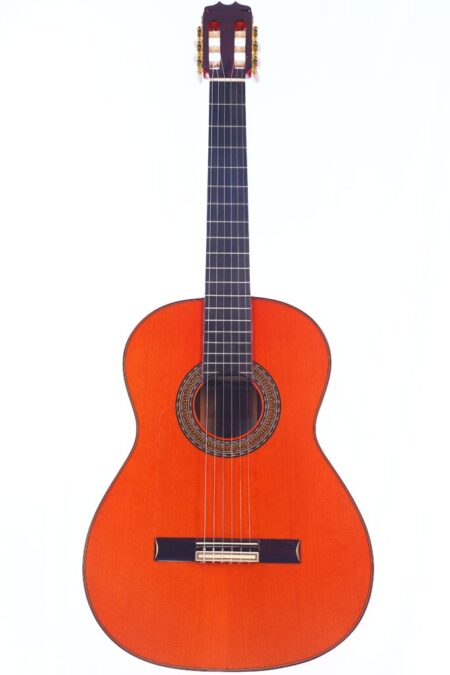
Hermanos Conde 1990 Paco de Lucia Special Flamenco Guitar
plus Shipping
-
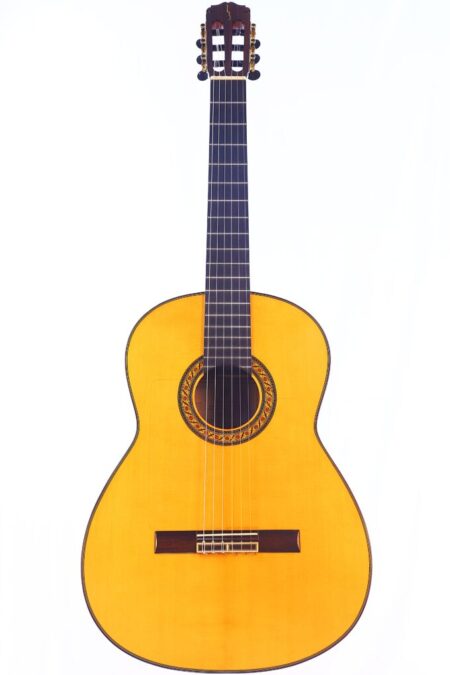
Alberto Pantoja 2023 Negra Flamenco Guitar
plus Shipping
-
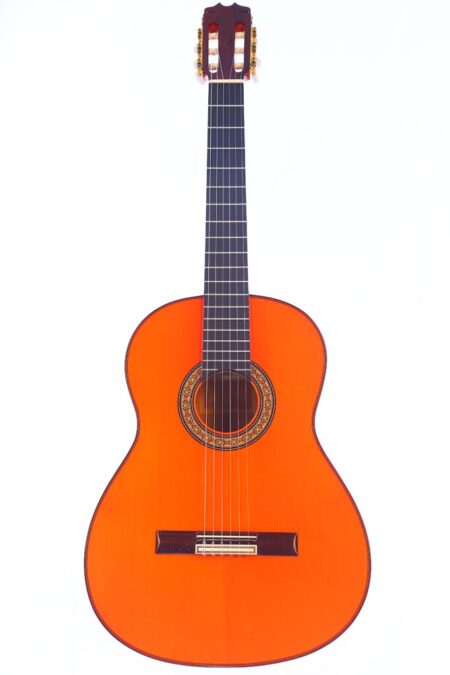
Hermanos Conde 2001 Blanca Flamenco Guitar
plus Shipping
-
Domingo Esteso 1934 Classical Guitar
plus Shipping
-
Jose Ramirez 1950 Flamenco Guitar
plus Shipping
-
Manuel Reyes Model 2021 by Hippner Flamenco Guitar
plus Shipping
-
Out of stock
Luis Sanchez 2011 Negra Flamenco Guitar
-
Out of stock
Conde Hermanos 1978 Flamenco Guitar
Playing Techniques
Flamenco guitarists have developed unique playing styles and techniques over time, such as rasgueado or golpes, some of which have been adopted by classical guitarists. These techniques are explored in detail within Flamenco music.
A particular specialty is the “Alzapua,” a technique that mimics the sound of the Arabic lute (oud).
Flamenco playing often involves using the right hand near the bridge, achieving the characteristic “Flamenco sound.”
Here a great video showing basic flamenco techniques:

Mit dem Laden des Videos akzeptieren Sie die Datenschutzerklärung von YouTube.
Mehr erfahren
Conclusion
The Flamenco guitar stands out not only for its construction but also for its role in the rich tradition of Flamenco music. Its vibrant tones and dynamic capabilities make it a cornerstone of the Flamenco art form, allowing players to express the passionate rhythms and melodies that define this genre. Whether you’re an aspiring guitarist or a seasoned musician, exploring the world of Flamenco guitar can be an enriching experience. Give it a try and feel the spirit of Flamenco in your own playing!