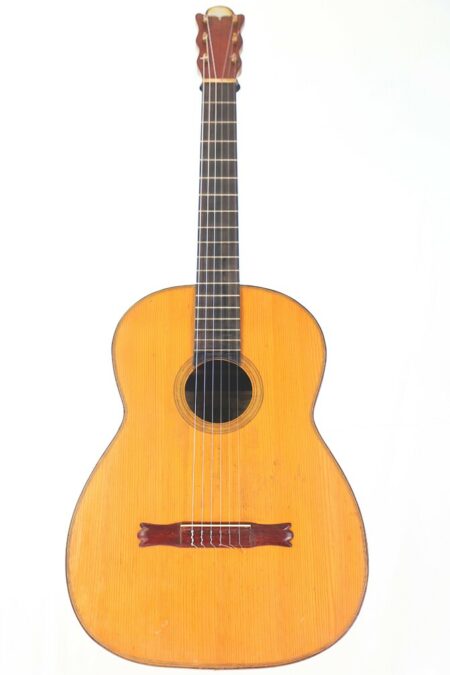
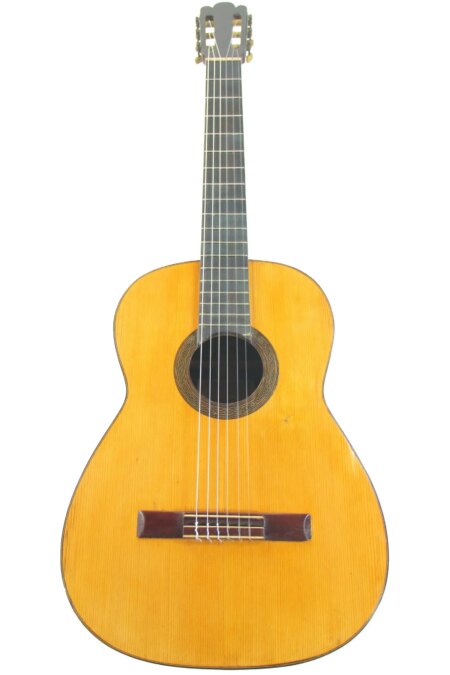
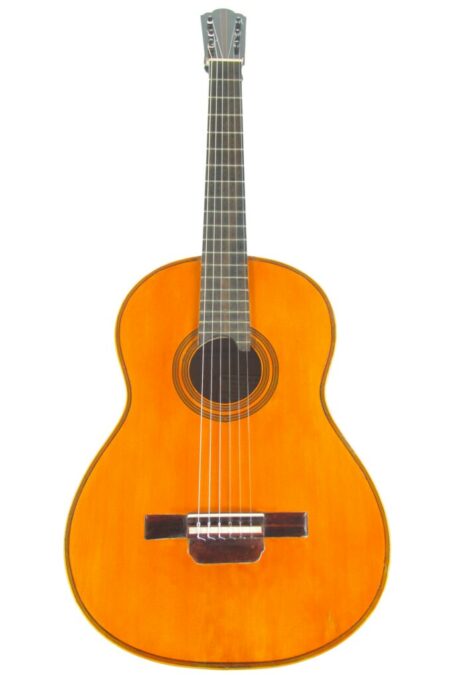
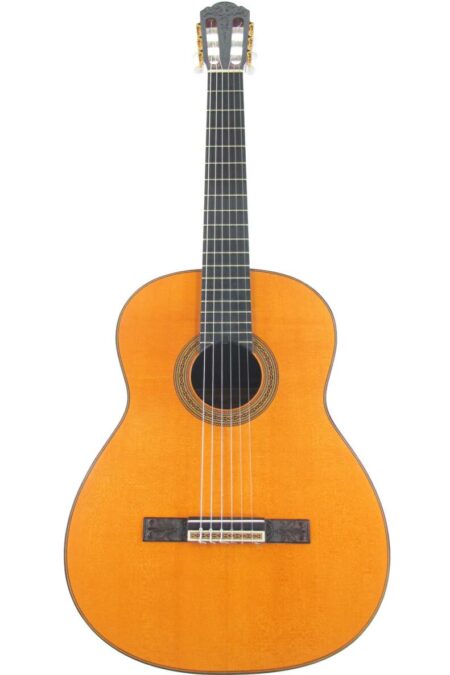
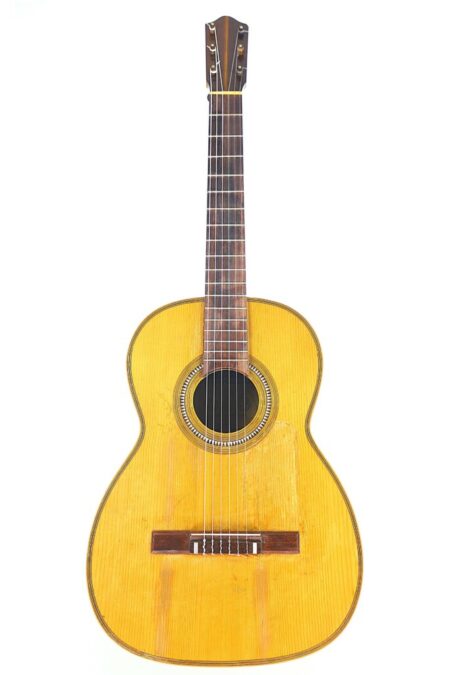
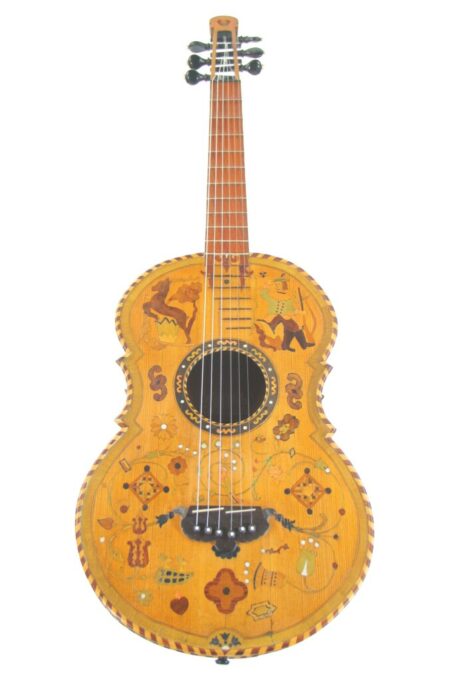
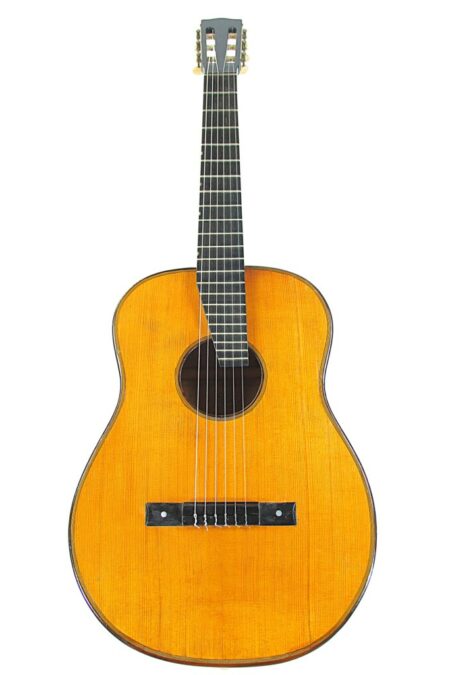
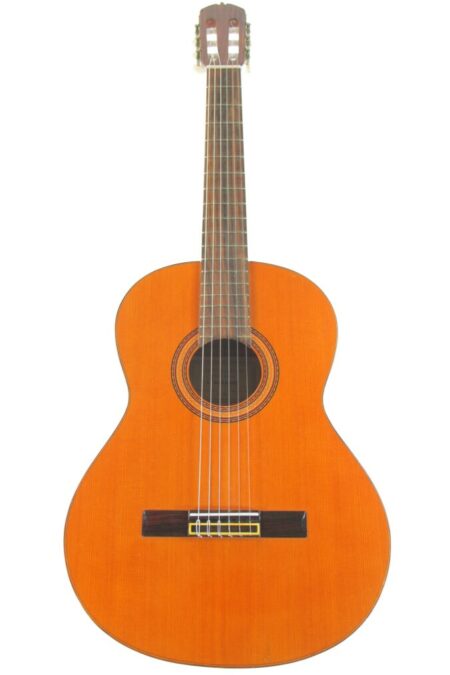
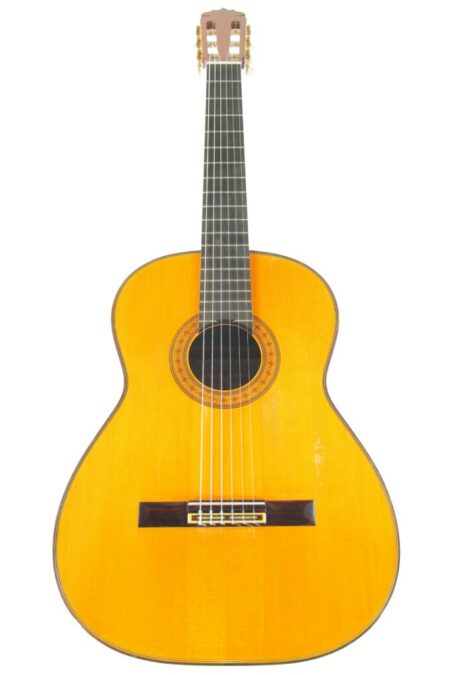
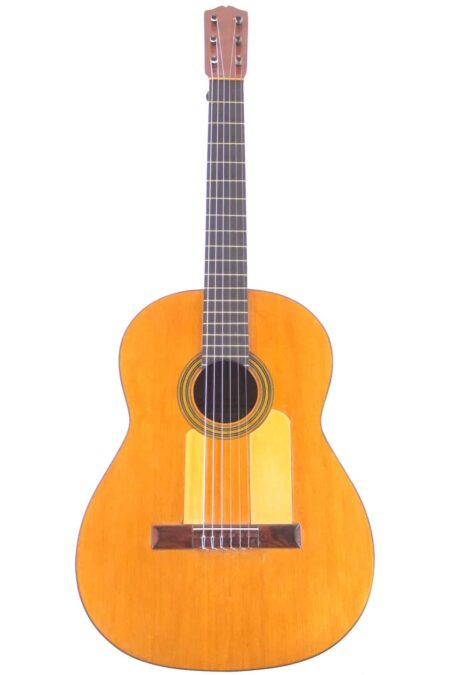
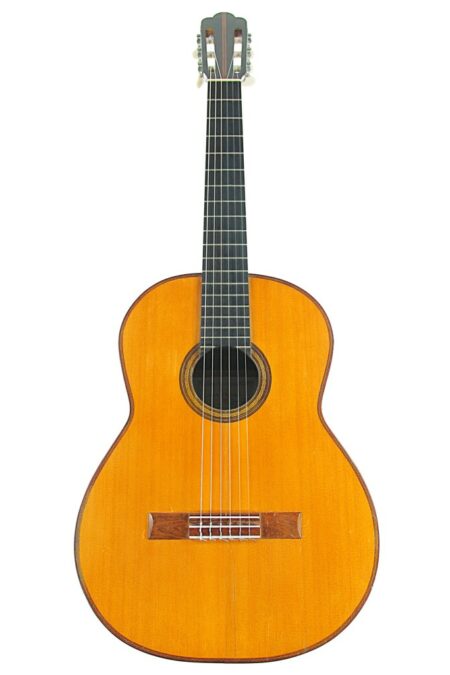
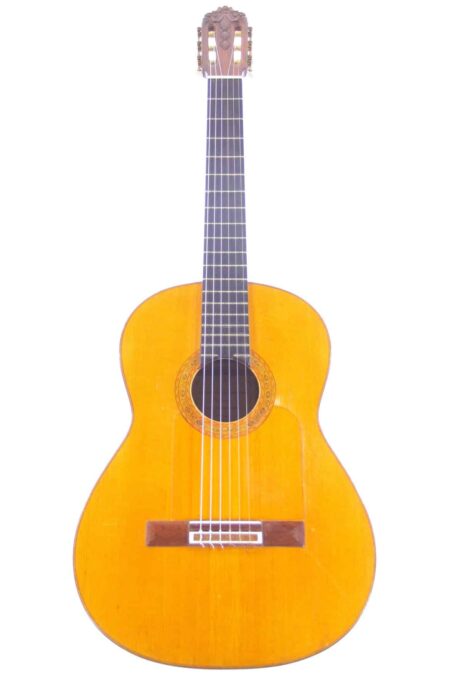
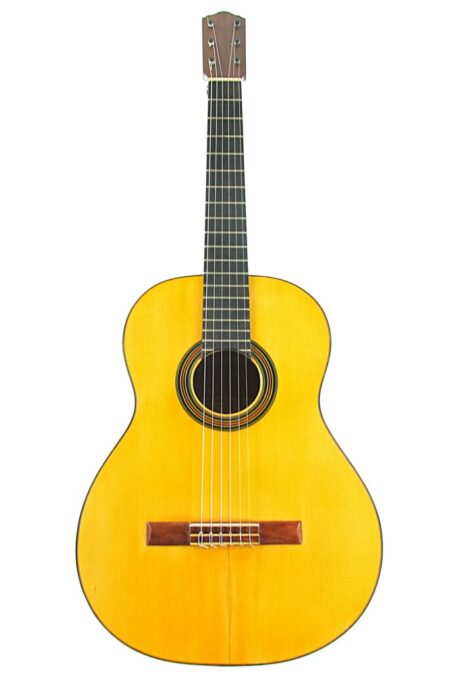
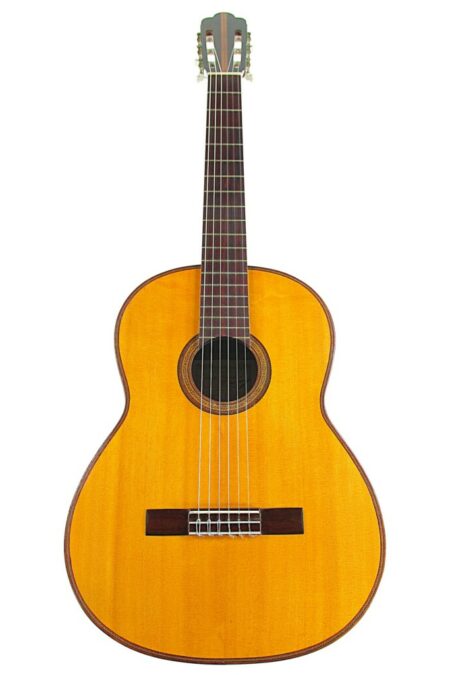
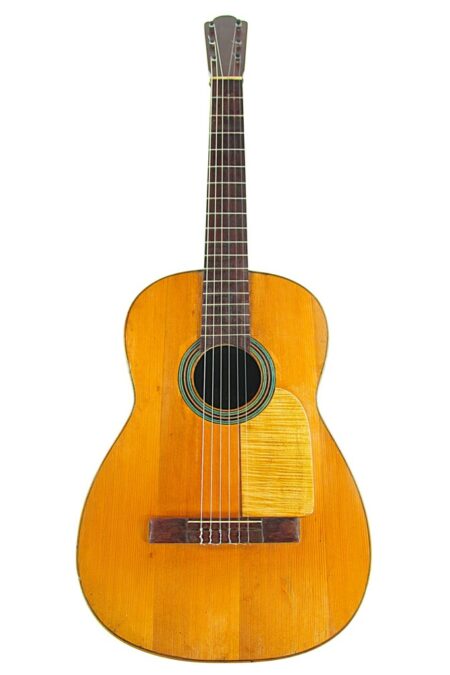
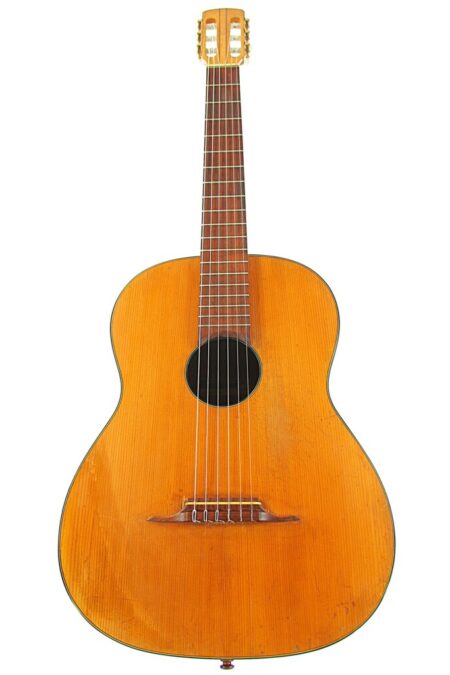
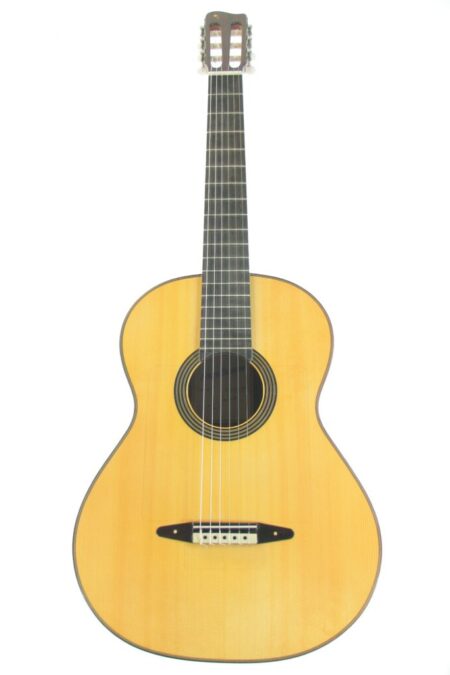
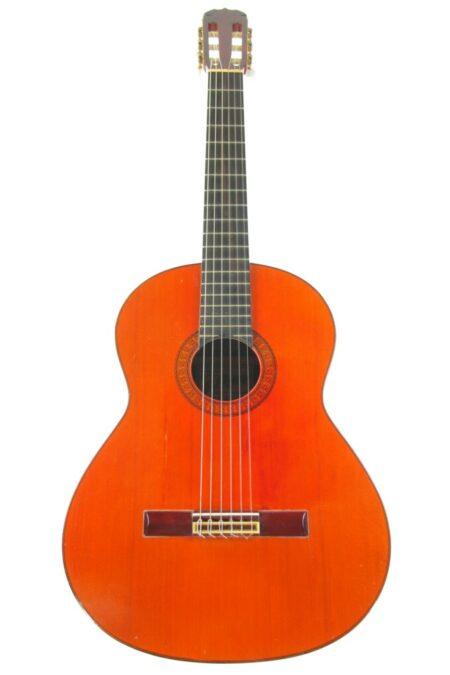
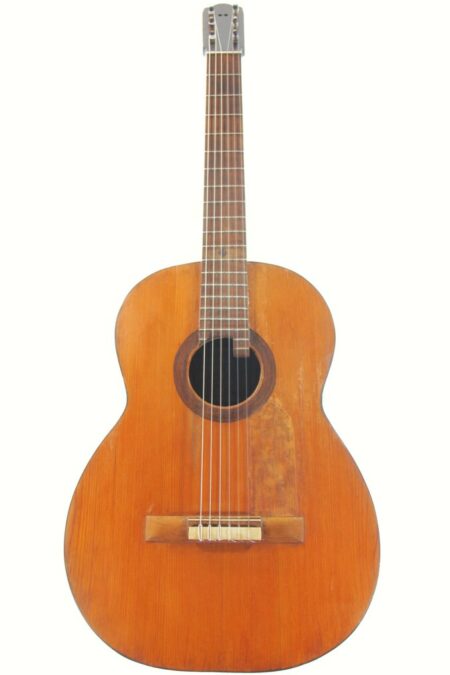
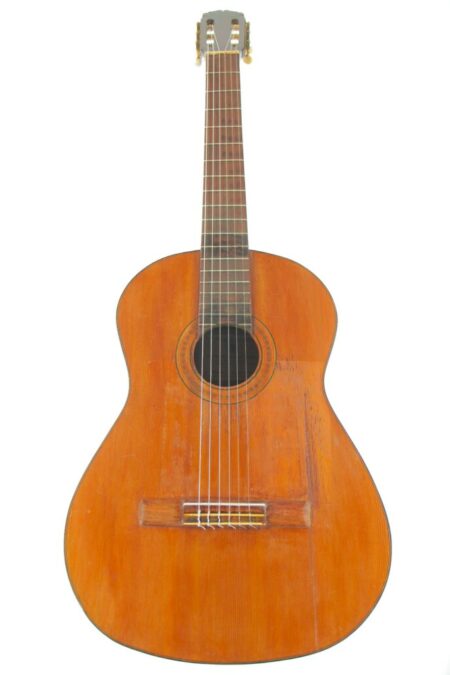
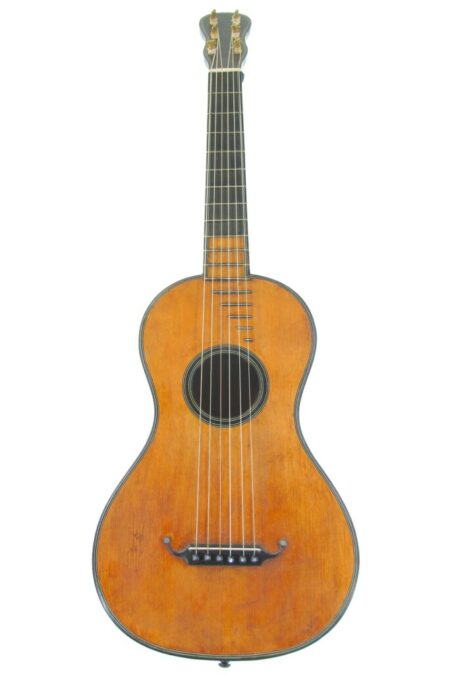
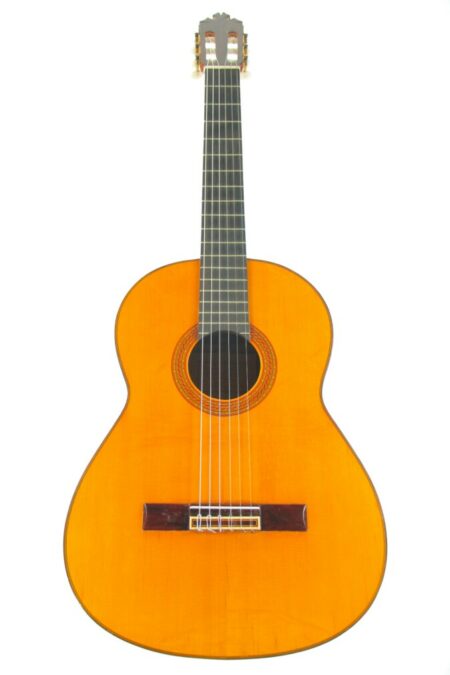
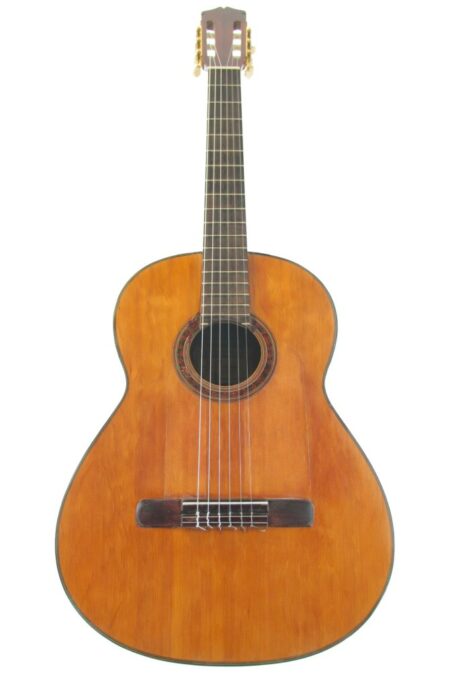
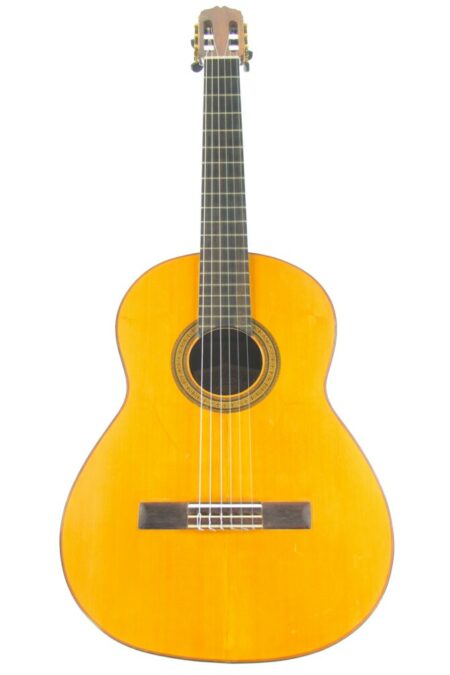
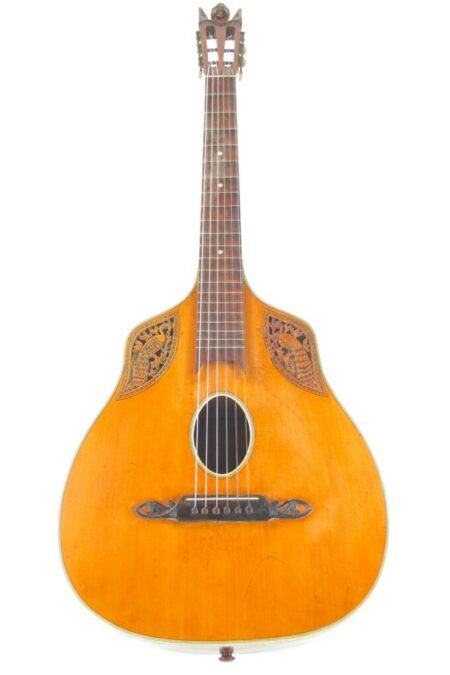
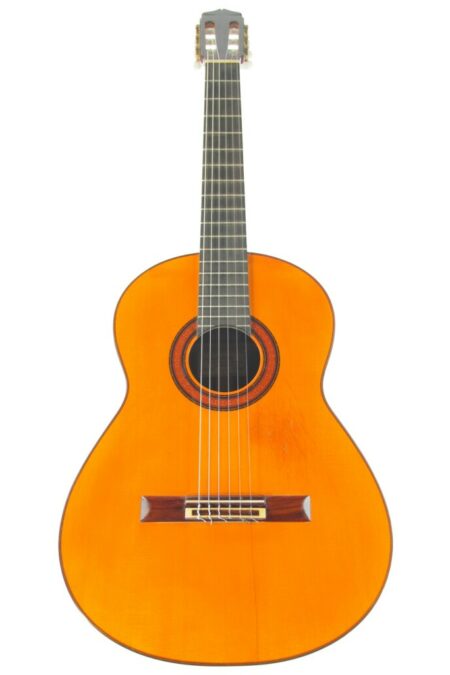
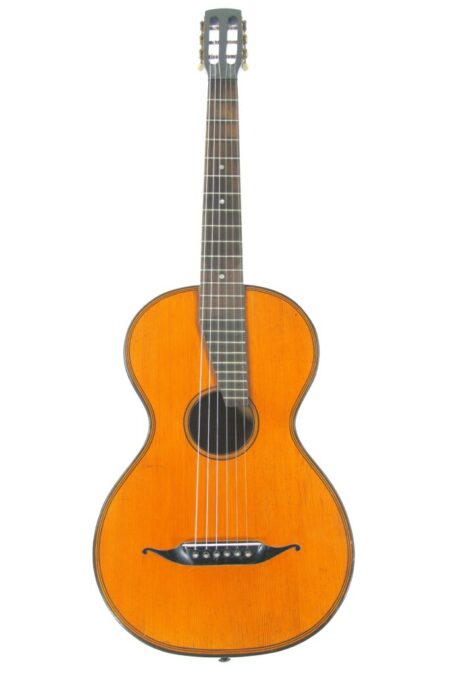
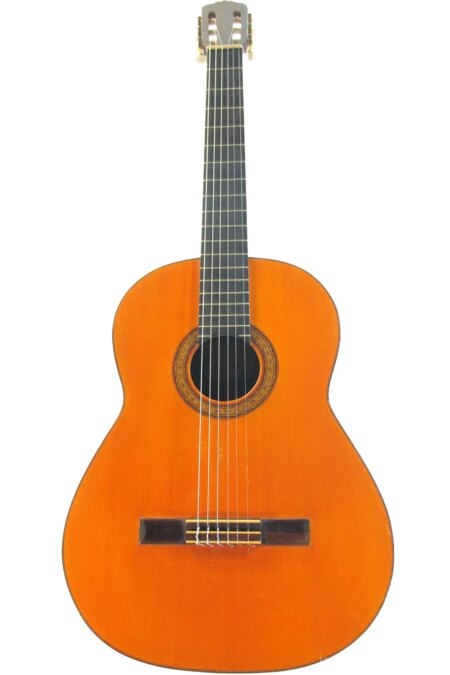
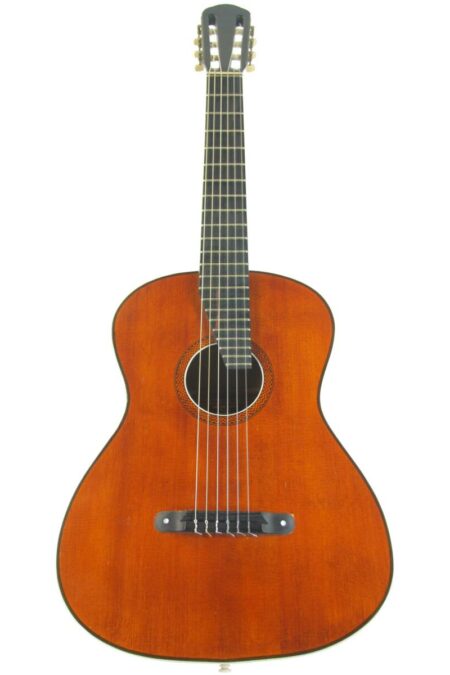
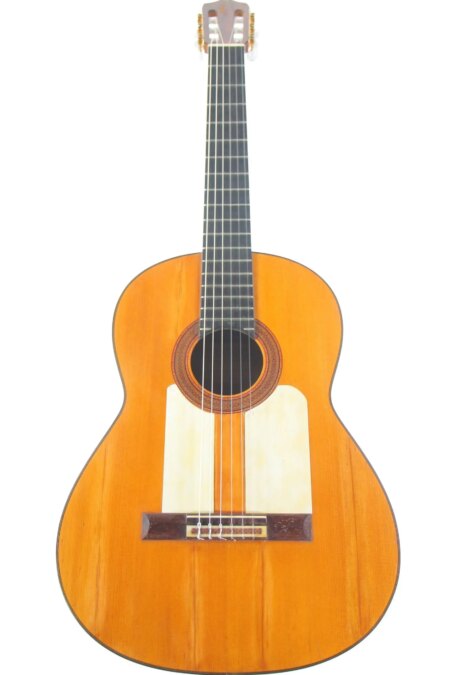
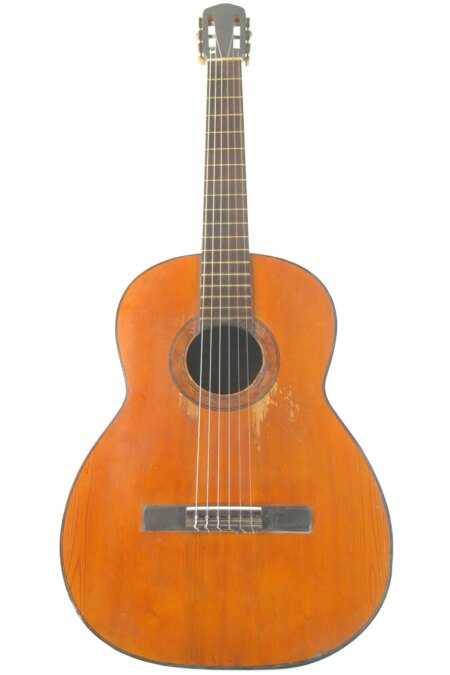
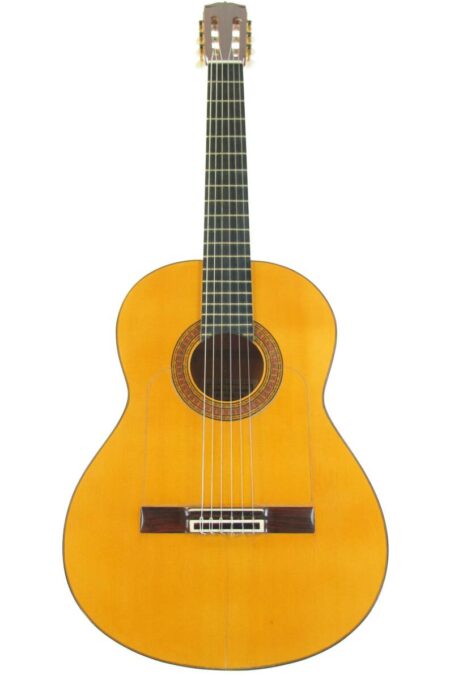
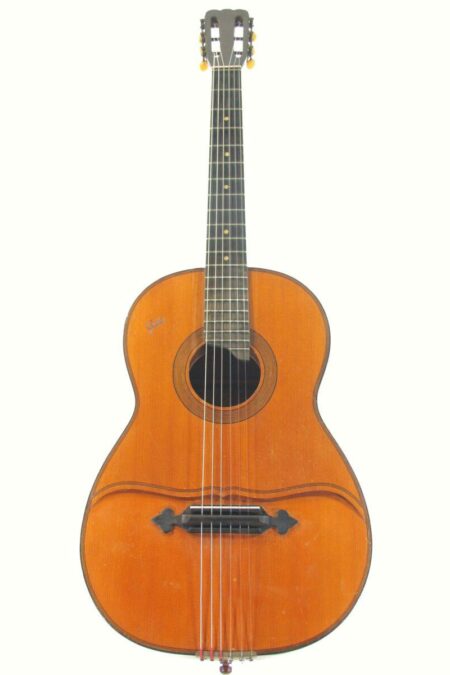
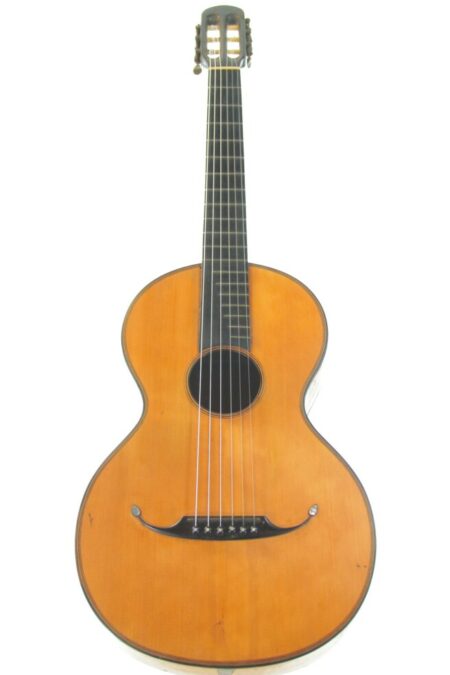
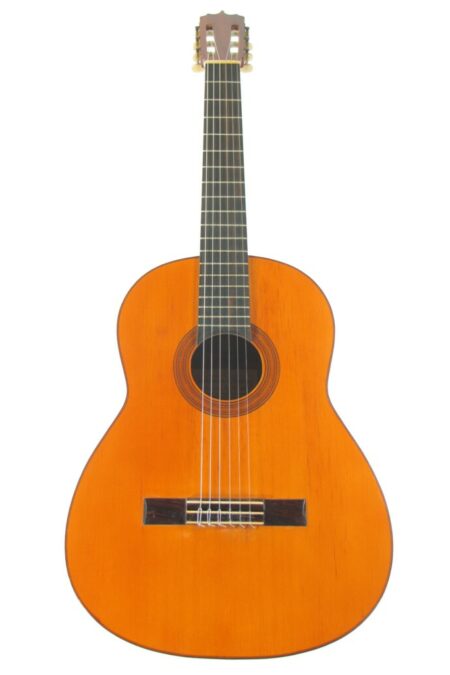
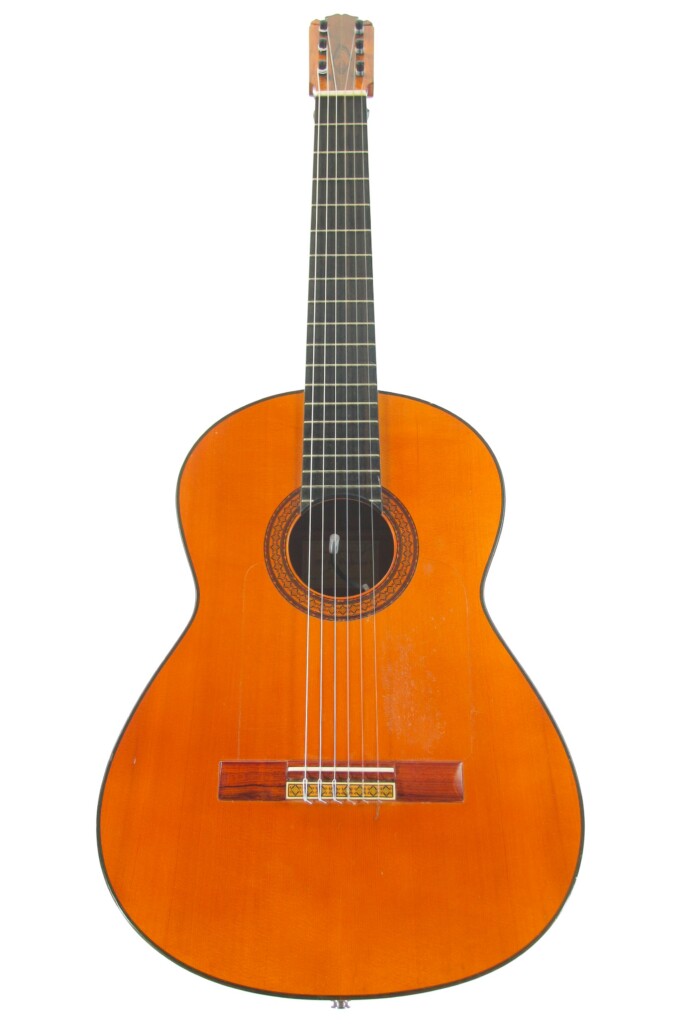
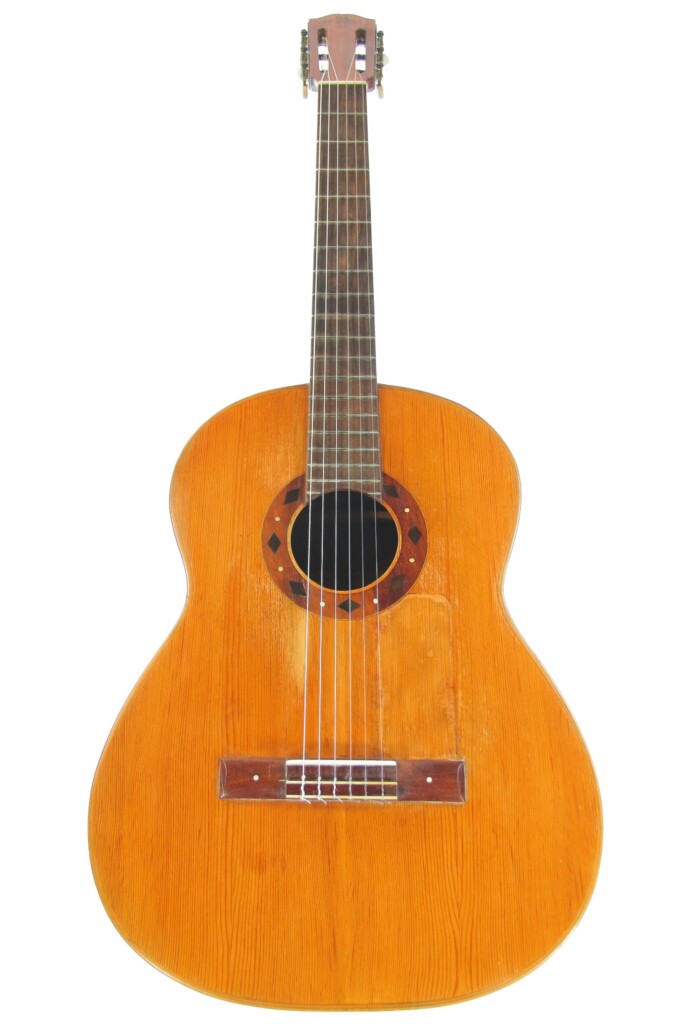
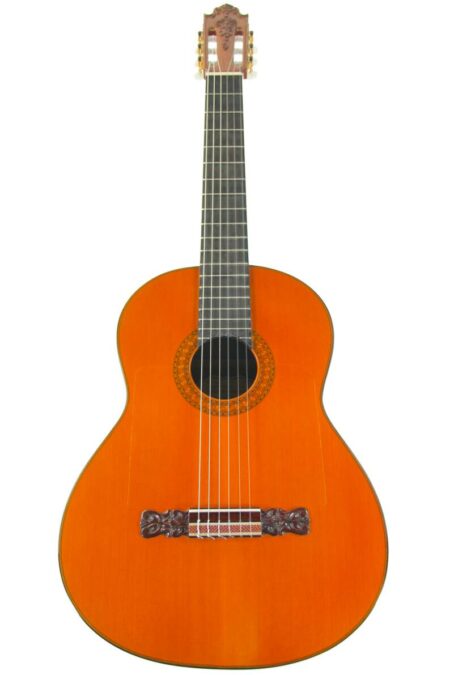
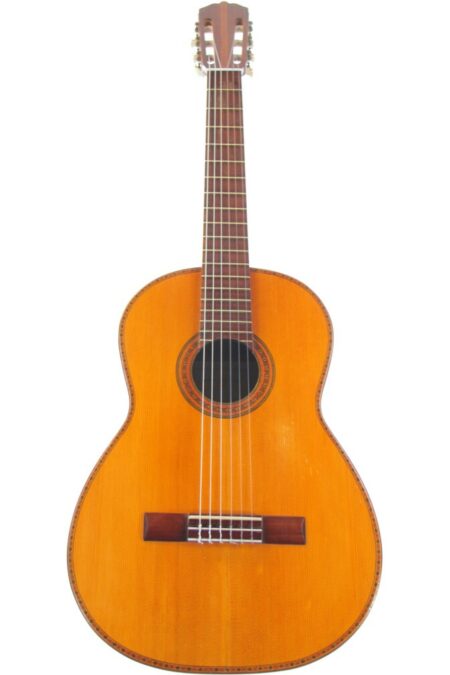
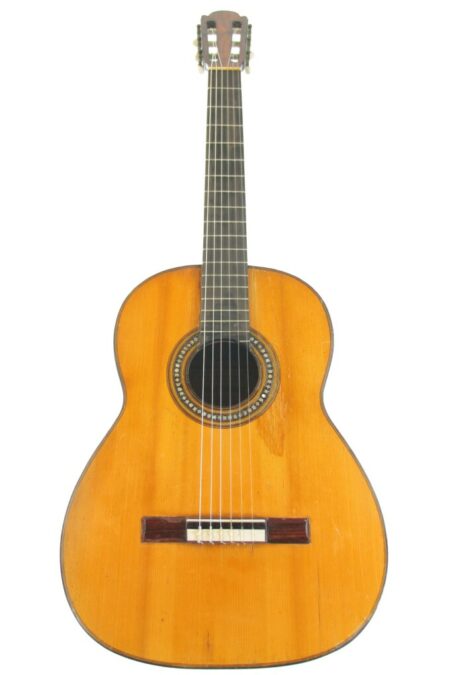
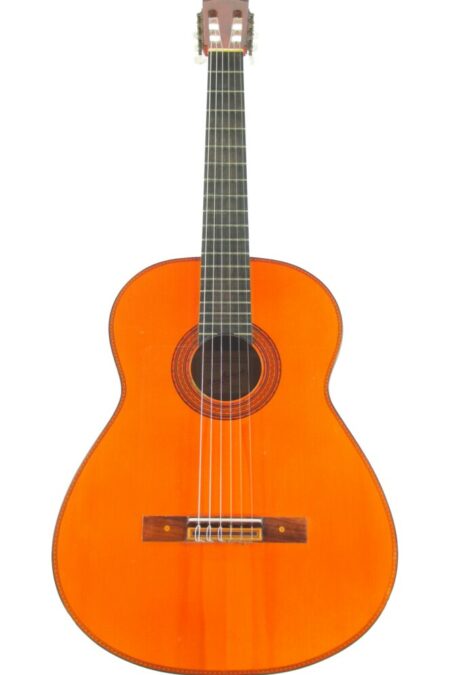
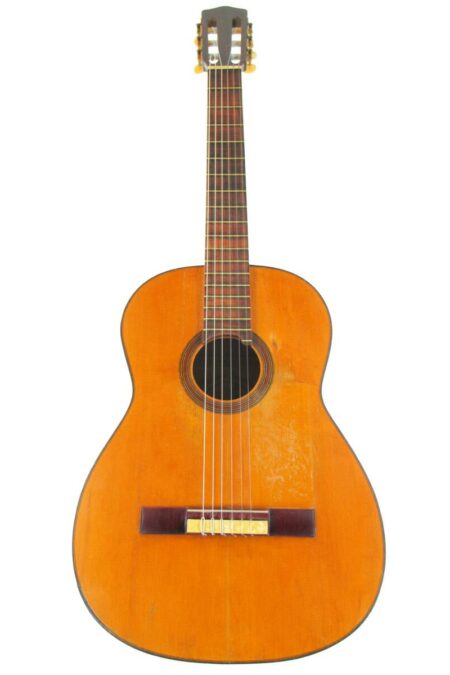
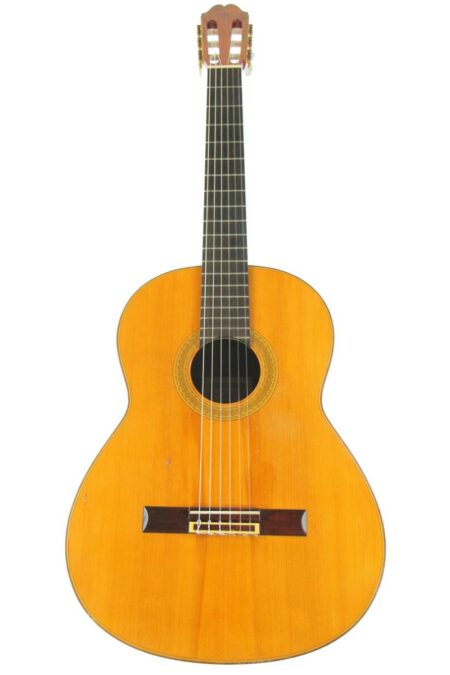
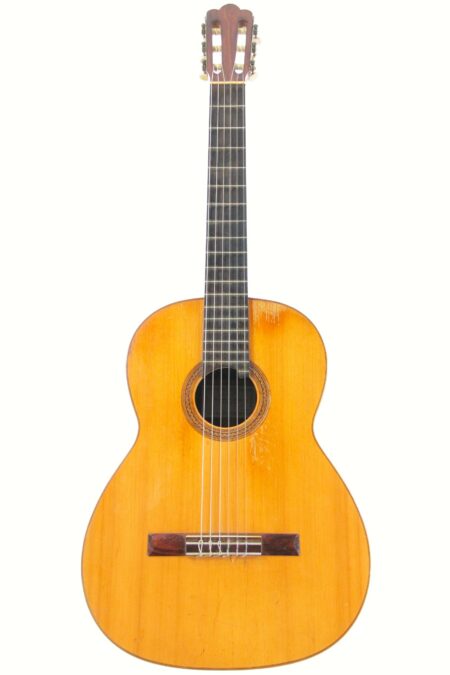
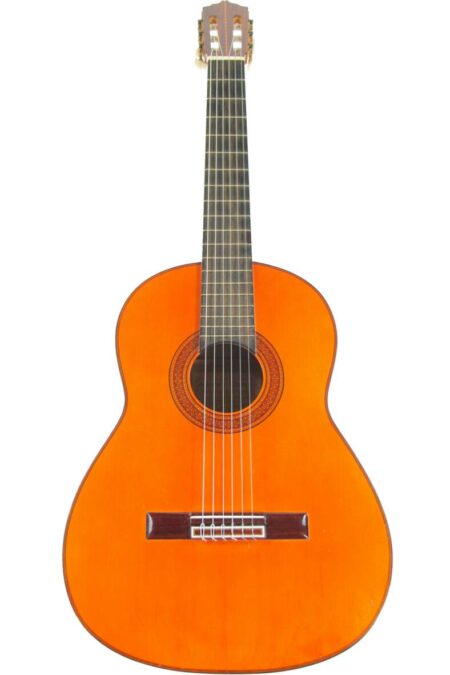
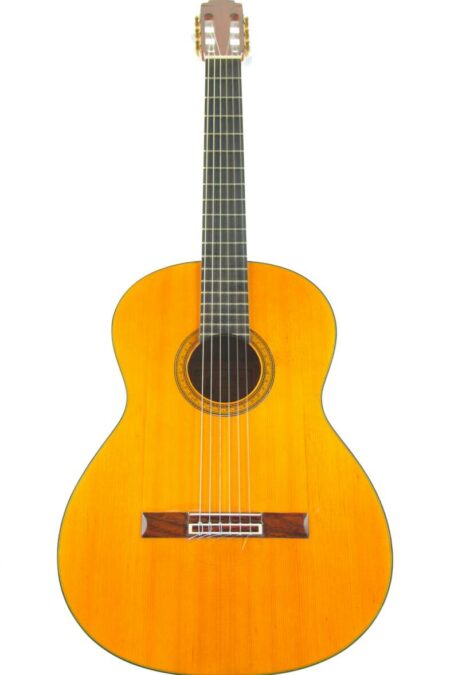
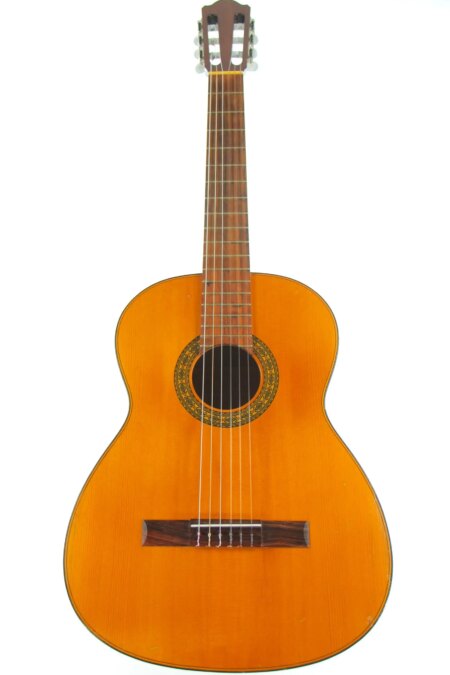
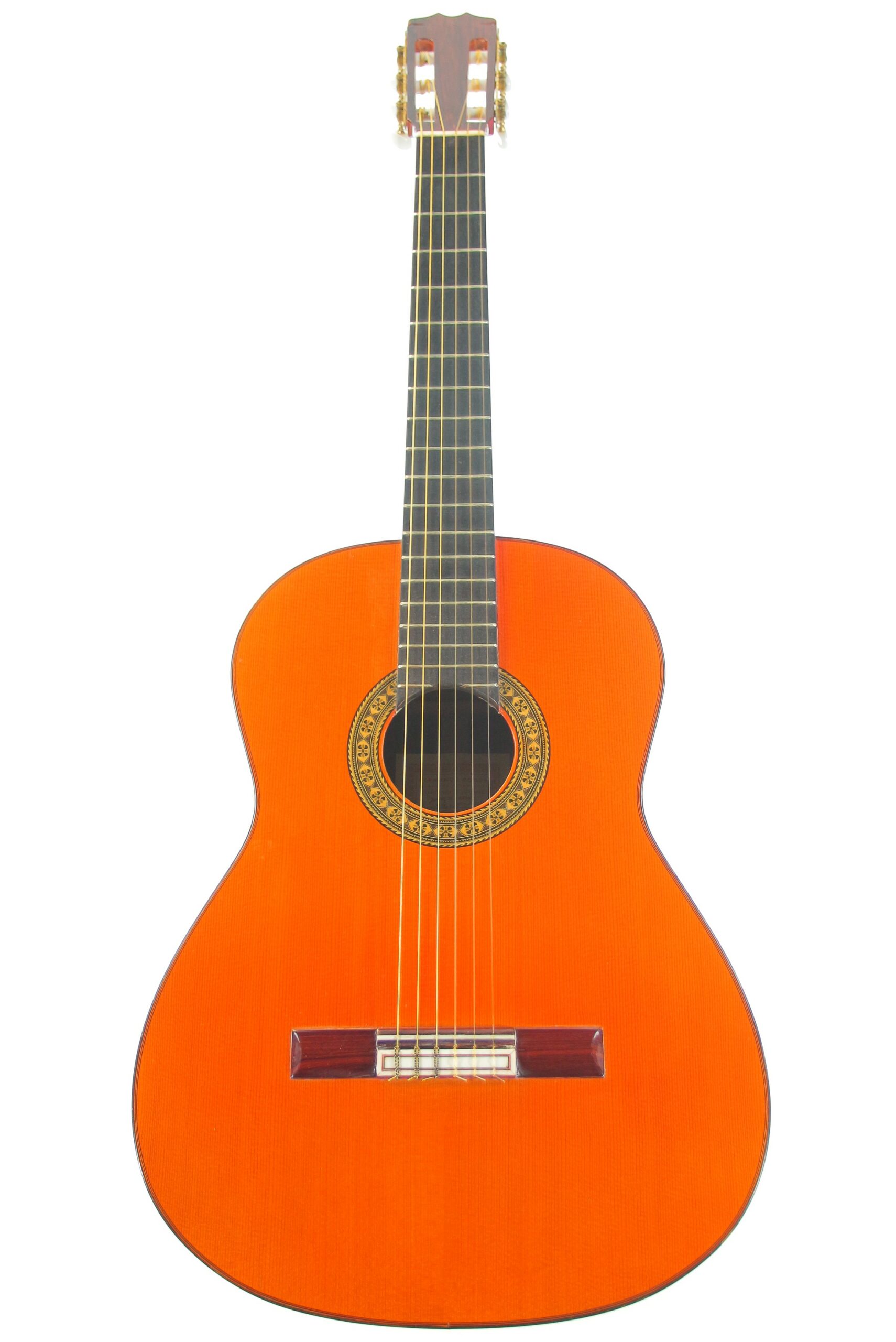
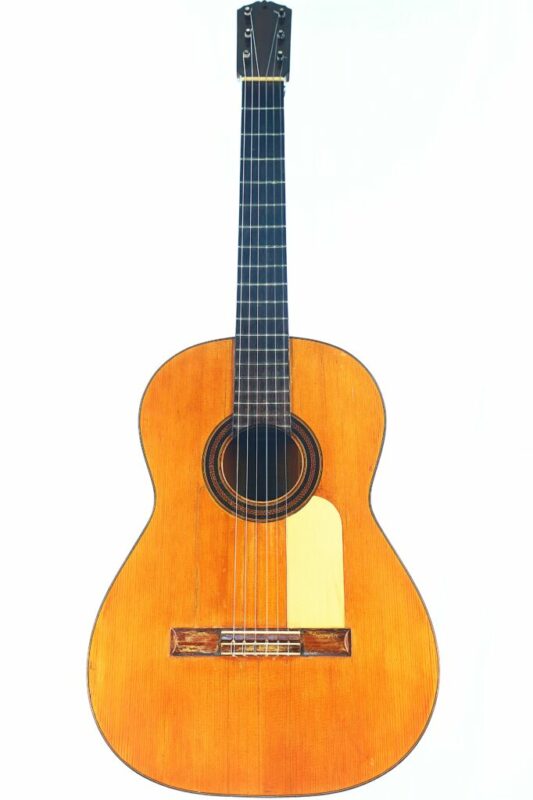
Old Spanish guitars with tradition - music history at first hand
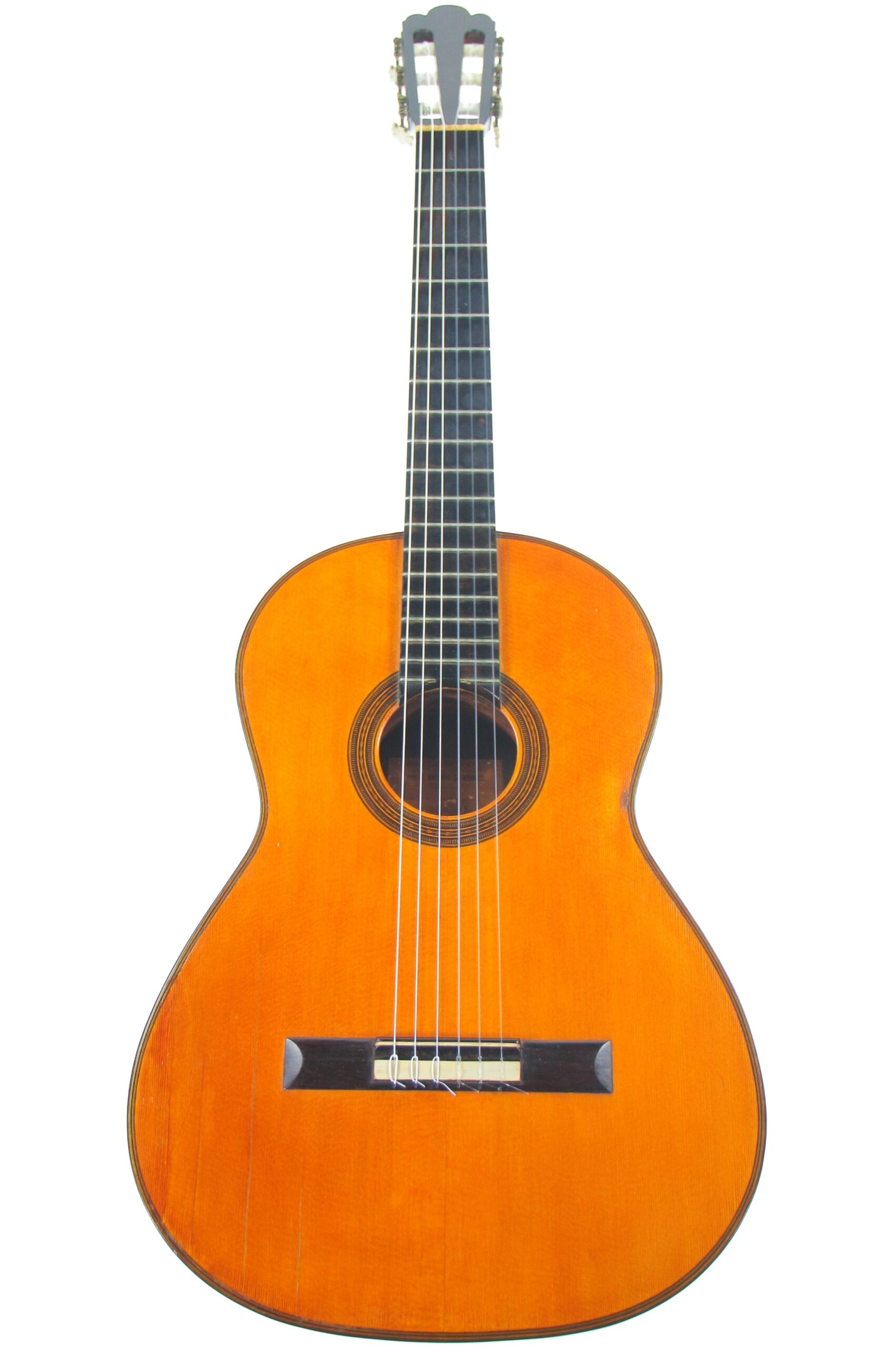
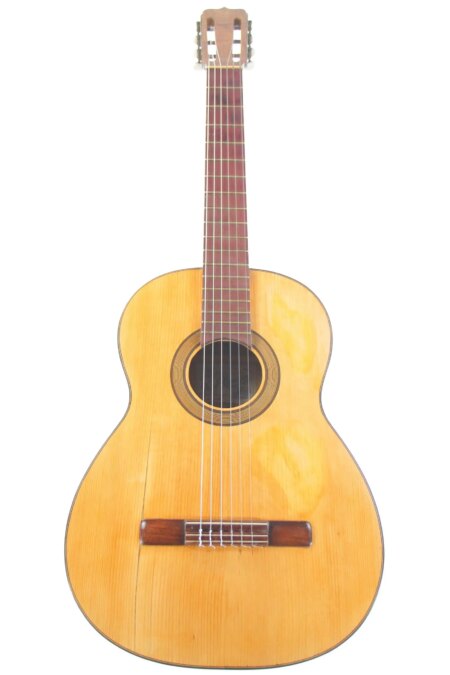
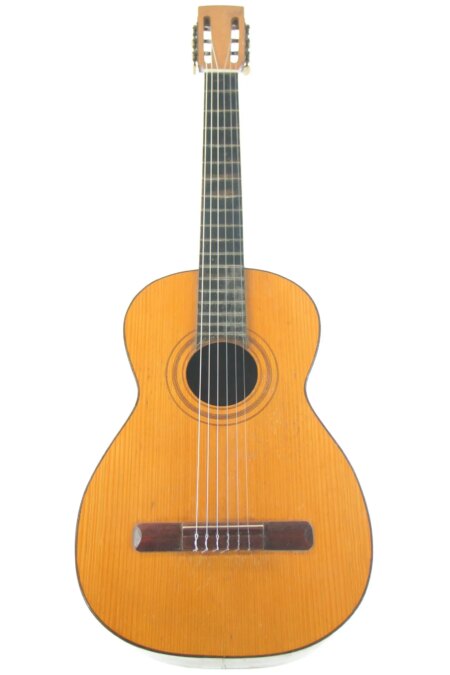
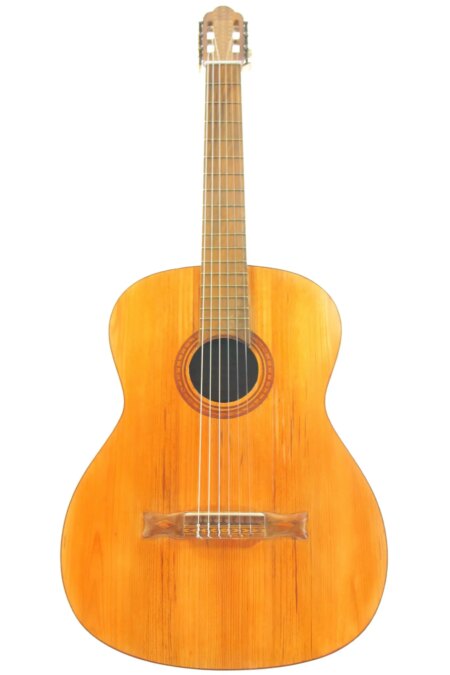
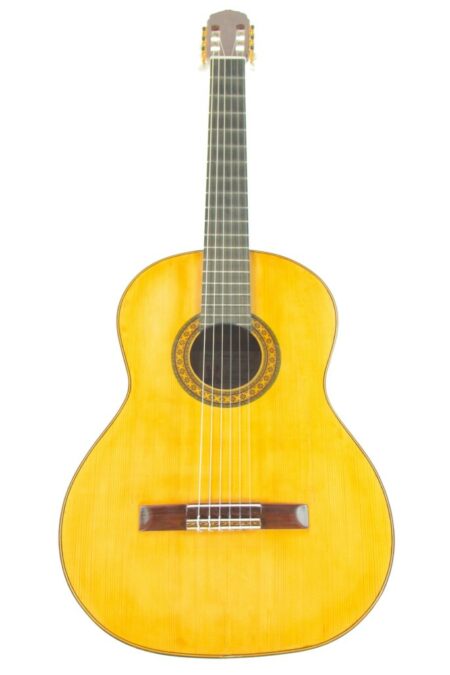
The great Spanish master guitar makers such as Santos Hernandez, Antonio de Torres, Domingo Esteso, Manuel Ramirez and José Ramirez had a great influence on guitar making.
Looking for a great old Spanish guitar - we at Vintage Guitar World offer high quality antique Spanish guitars and all kinds of vintage guitars. All instruments are tested and of unique sound quality and playability.
Discover high-quality historical Spanish guitars now - from the great old masters with authentic provenance!
Old Spanish guitars - a variety of sounds & craftsmanship from centuries ago
What characterizes old Spanish guitars?
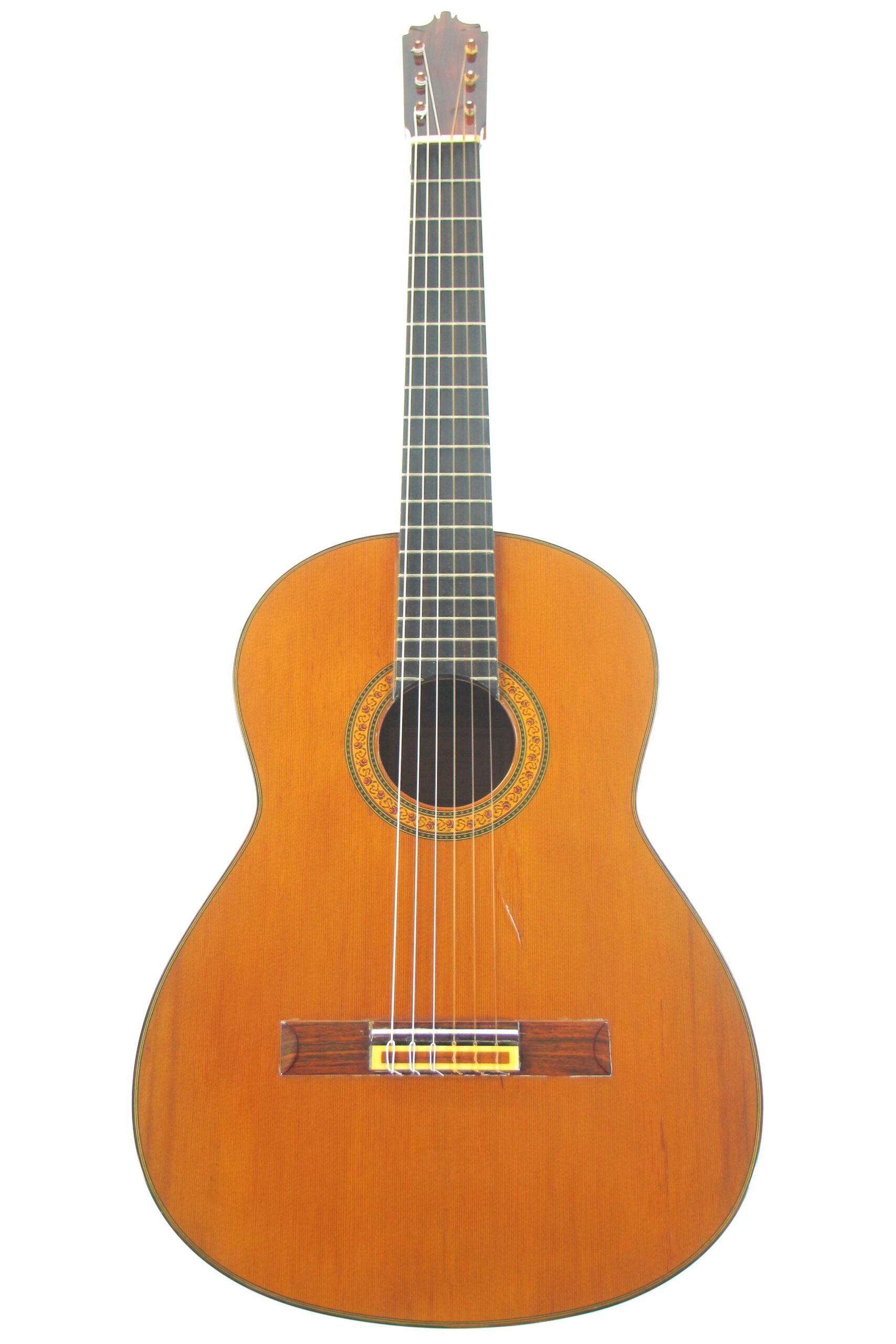
Old Spanish guitars are the result of centuries of tradition and master craftsmanship. Master guitar makers such as Antonio de Torres, Santos Hernandez and Jose Ramirez have had a decisive influence on the history of the guitar with their innovative designs and techniques. Their instruments are not only musical tools, but also works of art that have set the high standard for modern concert guitars.
The historical designs of these guitars are characterized by a classic body which, in combination with a light, masterly construction, ensures special playability and an exceptional sound experience. The finely crafted neck enables precise handling, while the use of nylon strings produces a warm, mellow sound that is characteristic of the Spanish guitar tradition.
The sound of old Spanish guitars is warm and differentiated, giving them a vintage quality that many musicians appreciate. These instruments not only offer outstanding sonority and projection, but also an emotional depth that allows players to express their musical ideas authentically. Old Spanish guitars are therefore not only important for lovers of classical music, but also for anyone who wants to experience the timeless beauty and unmistakable character of these instruments.
From the origins to the present day - guitar making with tradition
Guitar making has undergone a fascinating development, ranging from the vihuela to the modern classical guitar and flamenco guitar. The Vihuela, a forerunner of today's guitar, already had an important influence on the shape and sound of the instrument. Over the centuries, the guitar was further developed and the construction and materials were refined.
Typical materials for guitar construction are fine woods such as spruce or cedar for the top, which are valued for their sound quality. The neck is often made of mahogany, maple or cedar, which offer stability and playing comfort. The fingerboard, usually made of rosewood or ebony, provides a pleasant playing surface and contributes to the sound quality. The body is often made of rosewood, while flamenco guitars are traditionally made of cypress. These high-quality materials are decisive for the characteristic sound and longevity of the instruments. Traditional Spanish guitar making thus combines craftsmanship with musical passion and creates instruments that inspire generations of musicians.
Old Spanish guitars vs. modern concert guitars
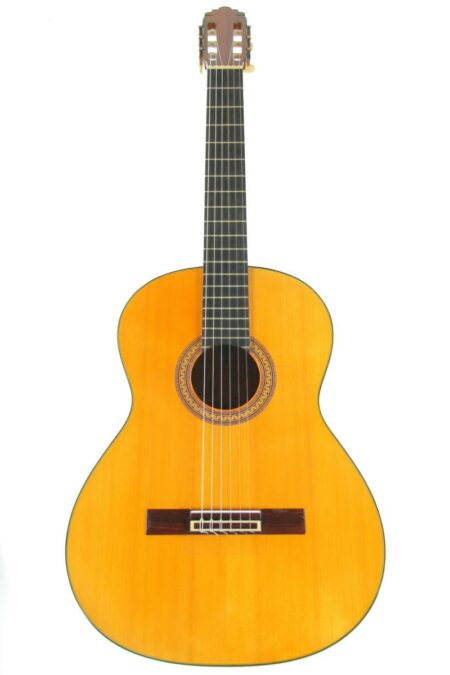
Old Spanish guitars and modern concert guitars have a close connection, as today's models are based on the traditions and techniques of the old masters. While both types have many similarities in their construction, there are slight differences in construction, scale length and volume that influence the playing feel.
Modern concert guitars are often designed to be lighter and more ergonomic, which makes them more comfortable to play. Nevertheless, they retain many of the characteristic features of their predecessors. Old Spanish guitars, on the other hand, are characterized by their mature sound, which is the result of years of use and playing the instrument in. These guitars are often made of lightweight, high-quality materials that offer an incredible sound experience - an experience that you simply have to experience for yourself.
Another advantage of old Spanish guitars is the masterful workmanship and the 100%ige handwork that goes into their production. Back then, a lot of time was invested in perfecting every detail. Compared to our guitars in the category of classical guitars and the acoustic guitars old Spanish models offer a unique vintage character and a richness of sound that is appreciated by many musicians as incomparable. These instruments are not only musical tools, but also valuable heirlooms that keep the history of guitar making alive.
Who are old Spanish guitars suitable for?
Old Spanish guitars are particularly suitable for professionals, collectors, classical guitarists and flamenco guitarists. These instruments offer a unique combination of playability, sound and history that makes them a valuable part of any music collection.
For professional musicians, old Spanish guitars are often the first choice, as they have a mature sound and excellent response that can significantly enhance musical expression. Collectors value them not only for their sound quality, but also for the excellence of craftsmanship, historical significance and, of course, the potential for appreciation that historic guitars bring with them.
Classical guitarists find the perfect balance between tradition and modern playing technique in these guitars, while flamenco guitarists benefit from the dynamic expressiveness and special resonance that old Spanish models offer.
If you would like to find out more about the different types and compare them, take a look at our categories for Flamenco Guitars and classical guitars to.
Frequently asked questions about old Spanish guitars
Question
Answer
What is the name of the old Spanish guitar?
The old Spanish guitar is often referred to simply as the "Spanish guitar". Historically, terms such as traditional Spanish guitar or fan-braced guitar have also been used to emphasize details of the design.
What is so special about a Spanish guitar?
Spanish guitars are characterized by their distinctive sound and craftsmanship. They offer excellent playability and are known for their warm, differentiated sound quality.
Are vintage guitars worth the money?
Vintage guitars and historical guitars are definitely worth their money, as they develop a mature sound over the years and are masterfully crafted. Their value usually increases with time, especially if they come from renowned manufacturers.
Which great masters of Spanish guitar making are there?
Antonio de Torres, Santos Hernandez and Jose Ramirez are among the great masters of Spanish guitar making. Their instruments have significantly influenced the development of the guitar and are still in demand today.
What are the names of the predecessors of the Spanish guitar?
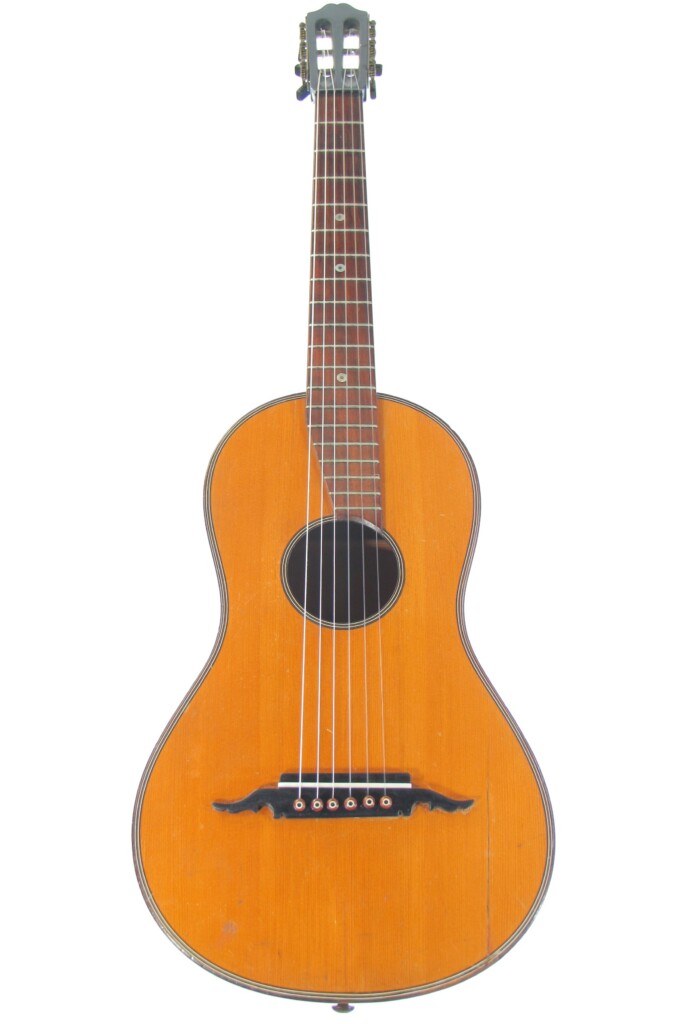
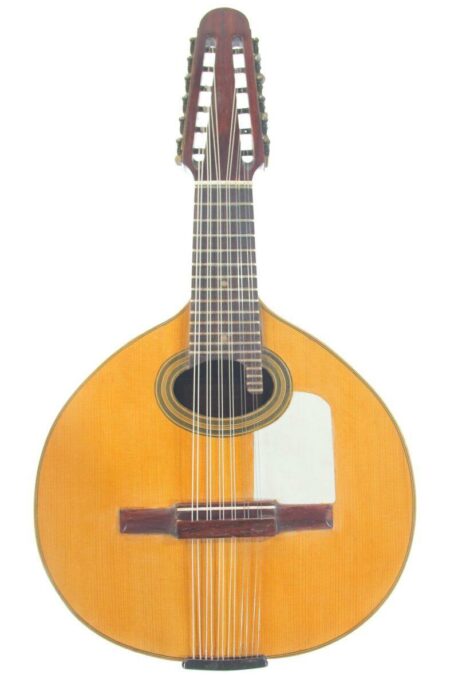
The predecessors of the Spanish guitar are the Vihuela, which Baroque guitar and the Romantic guitar. These instruments laid important foundations for today's guitar making and were popular in various eras.
What is the difference between old Spanish guitars?
Old Spanish guitars are distinguished by their construction, the materials used and their mature sound. They often have a characteristic resonance and an individual history that makes them unique.