Discover our selection of high-quality classical guitars, also known as concert guitars. With their soft sound and typical nylon strings, they are ideal for beginners, advanced players and lovers of classical music. Whether made from fine tonewood or built by an experienced luthier - each instrument tells its own story.
Discover our hand-picked models now and experience the variety of classical guitars
Classical guitars - classical guitars with character & history
What characterizes a classical guitar?
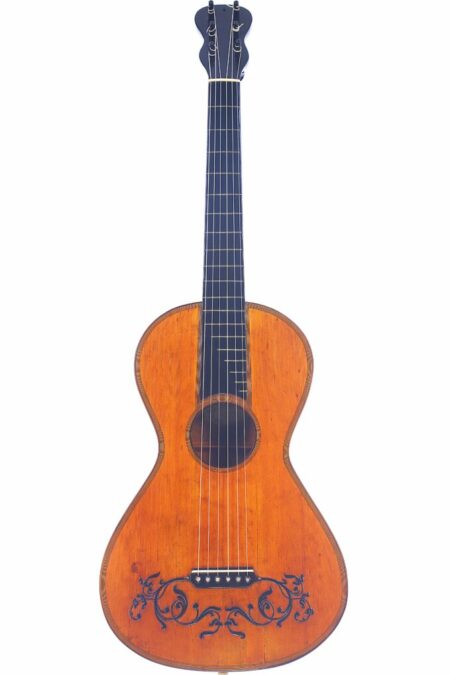
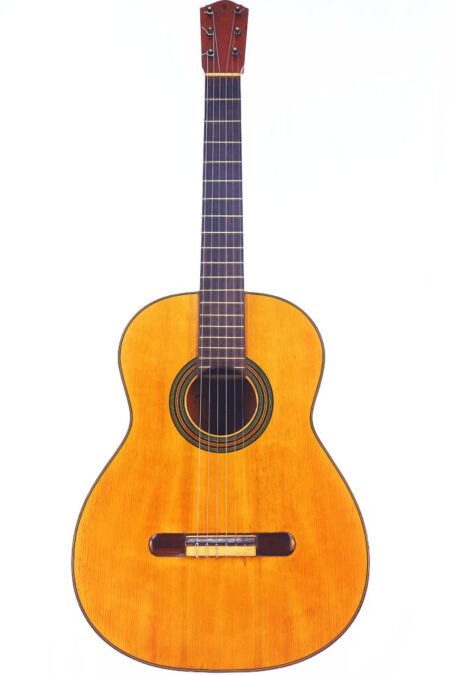
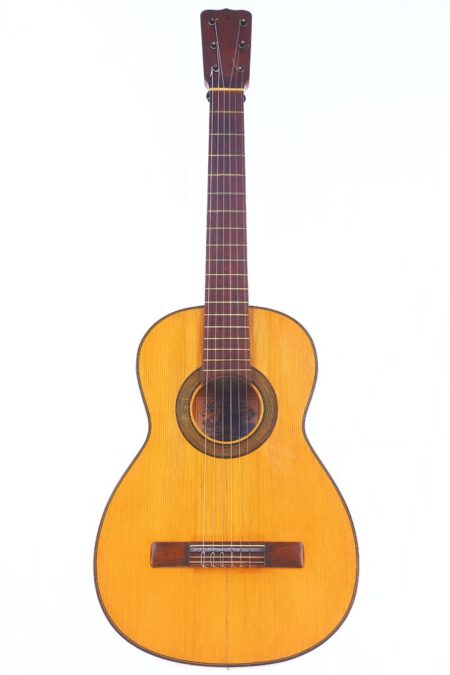
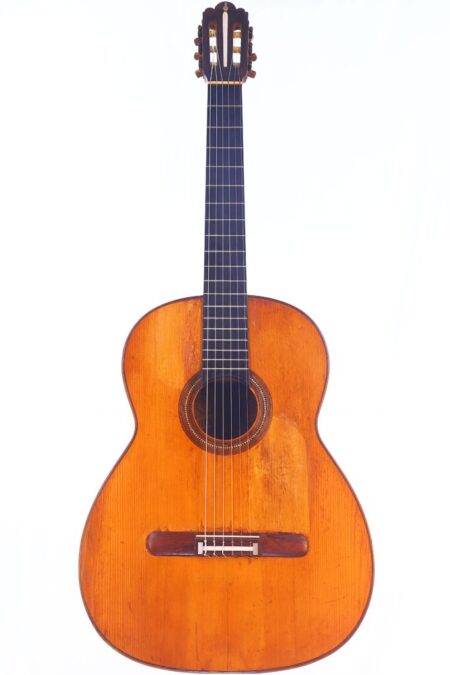
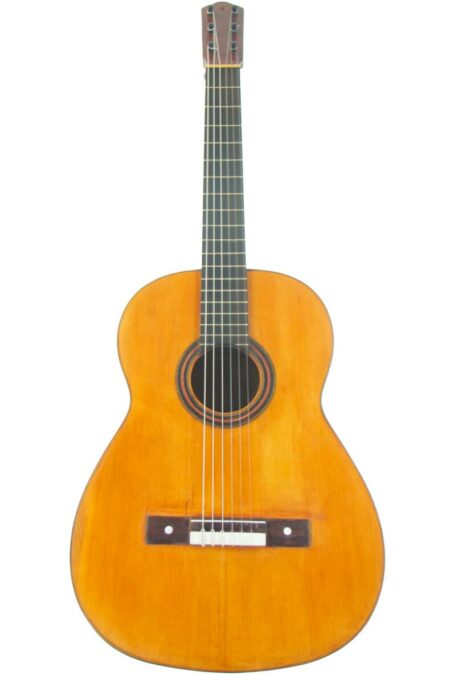
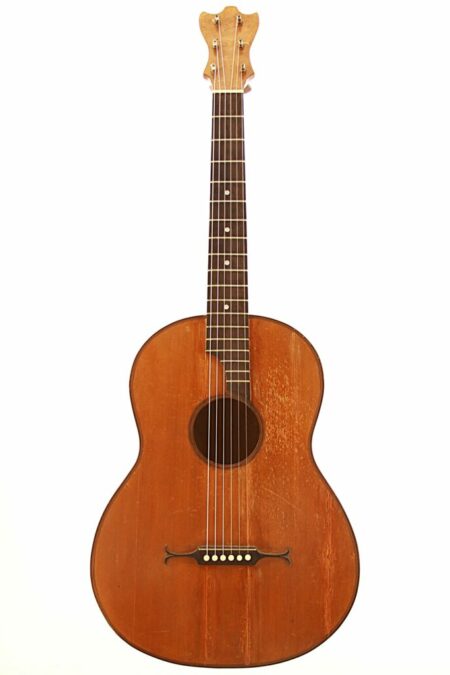
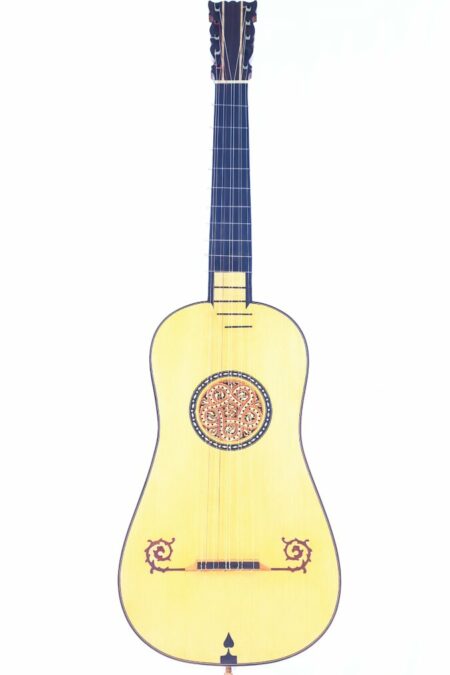
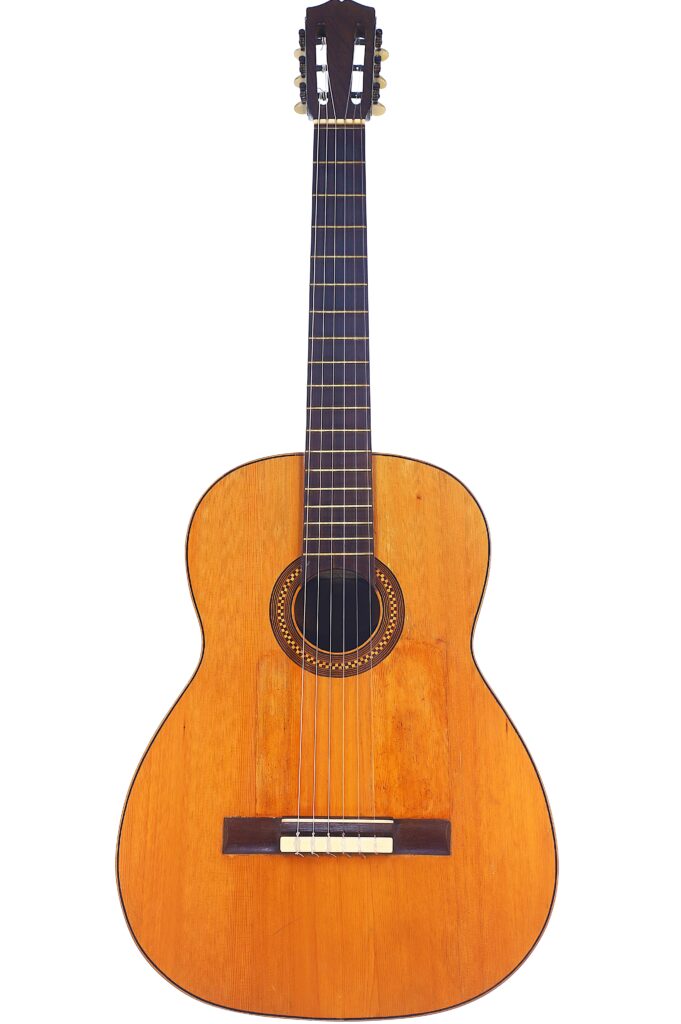
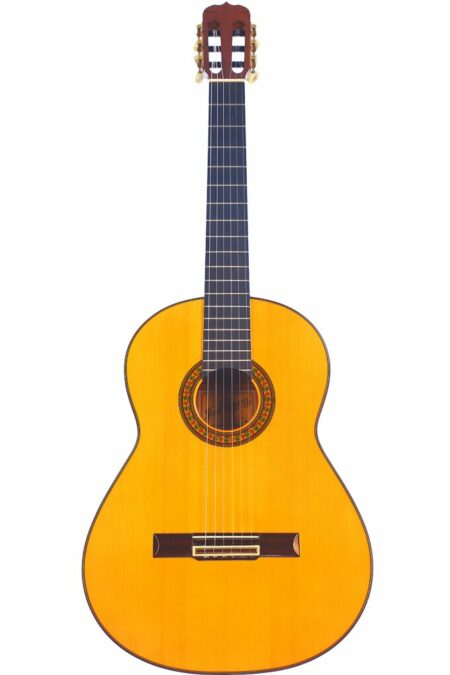
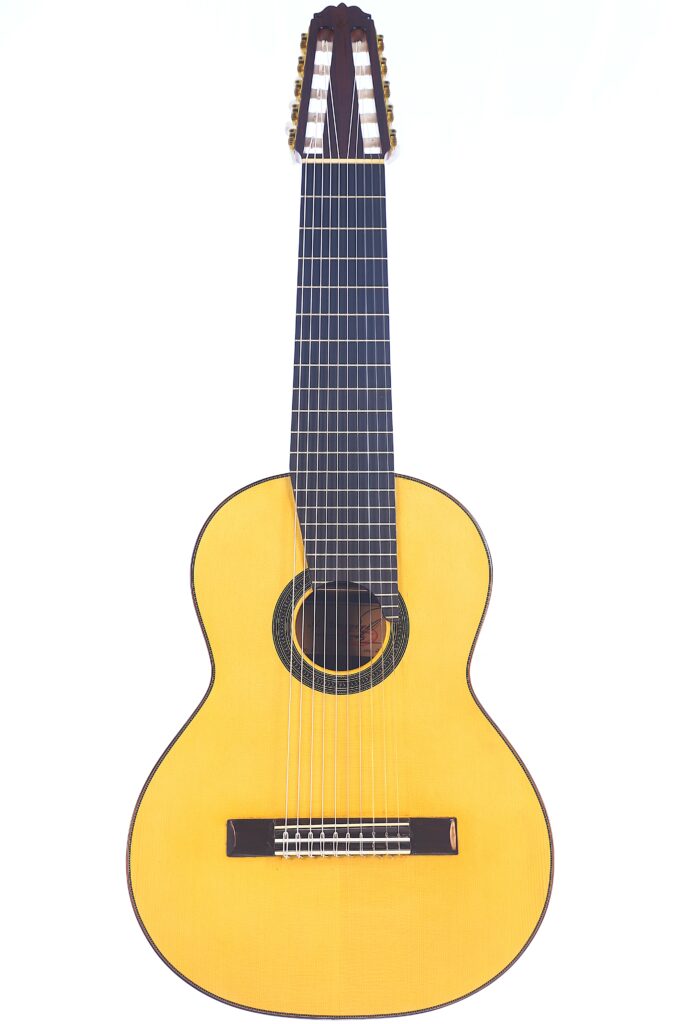
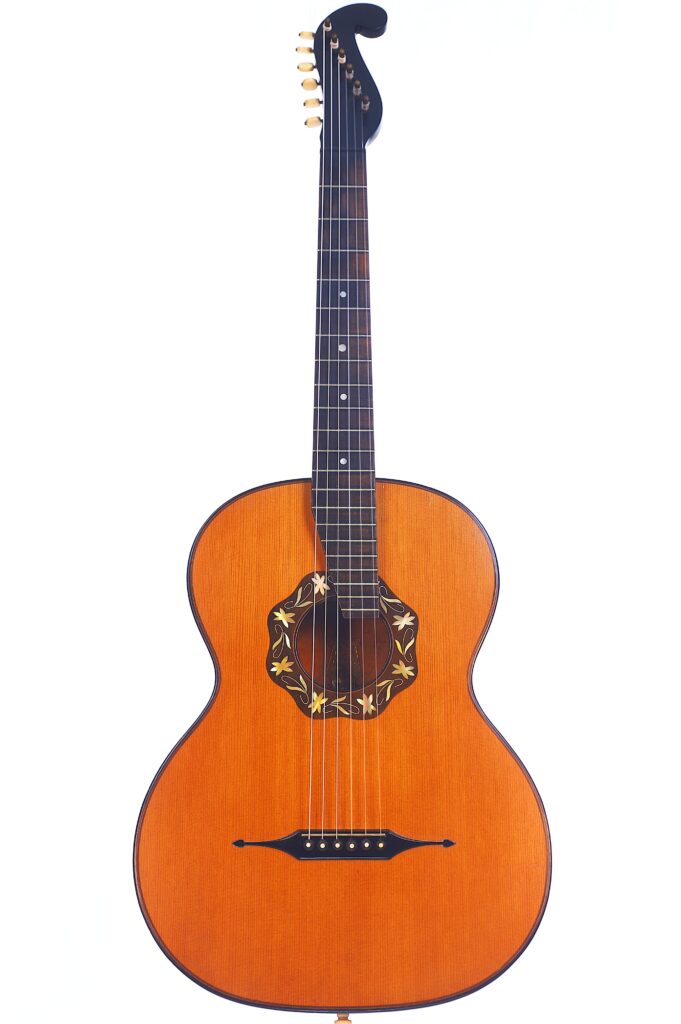
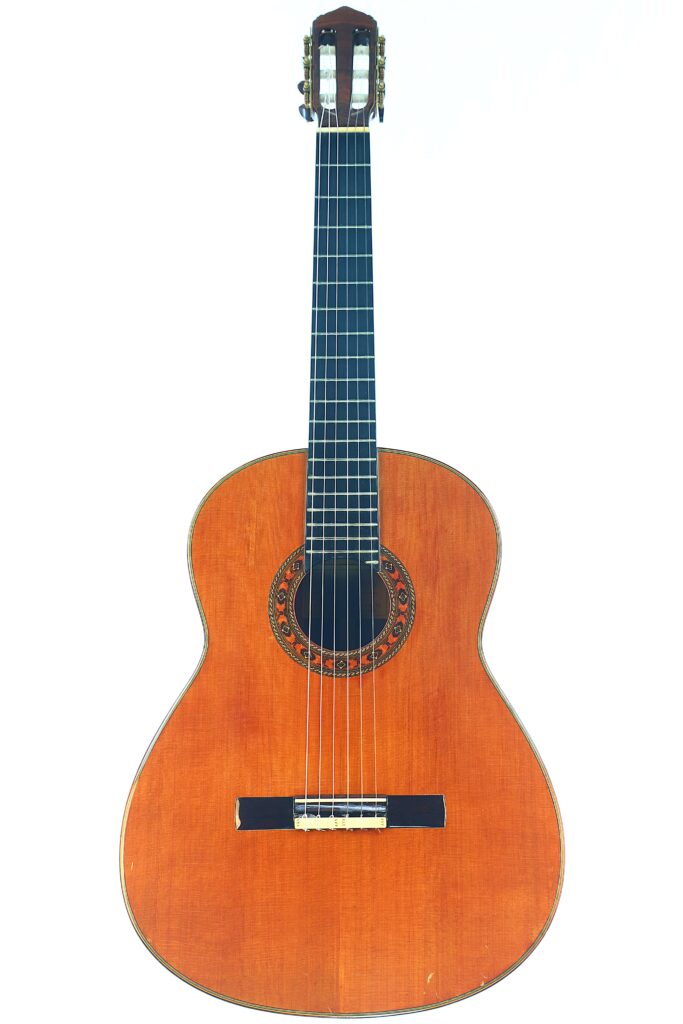
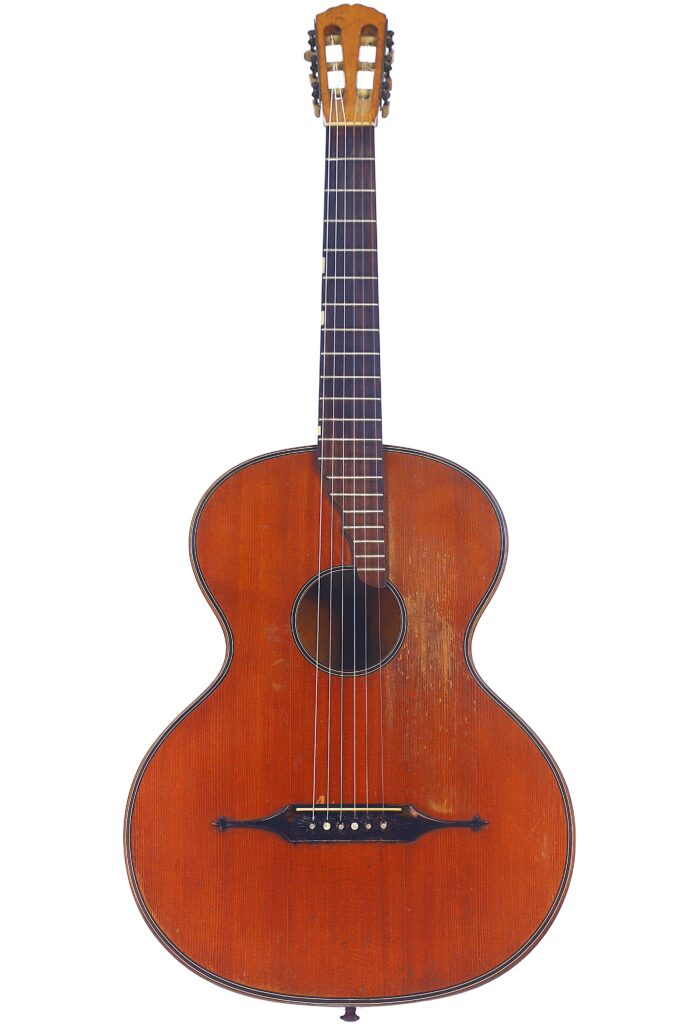
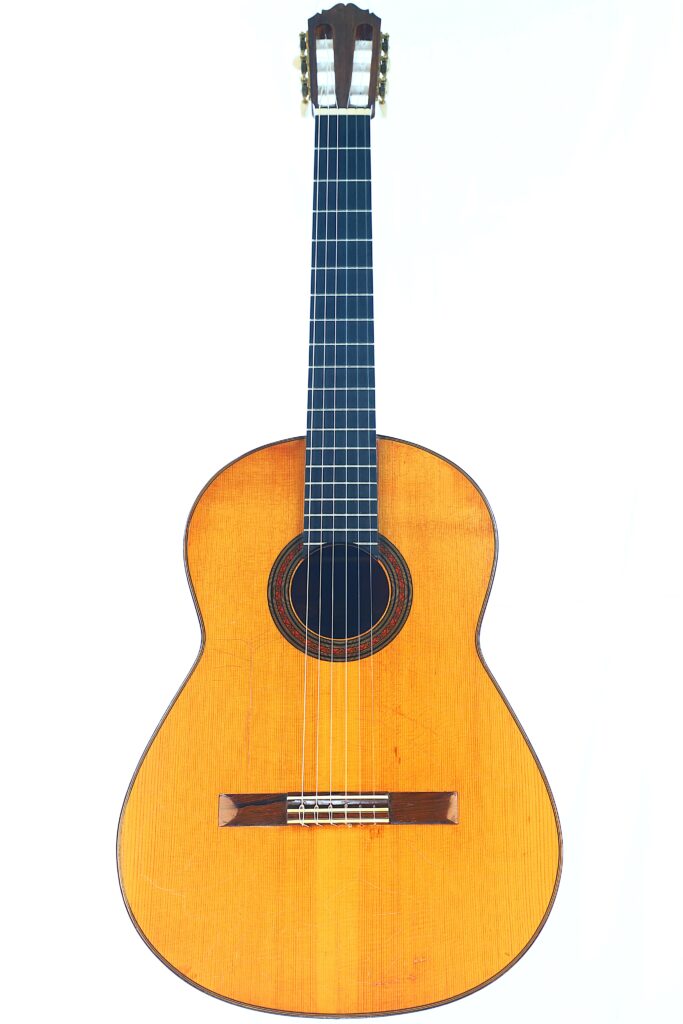
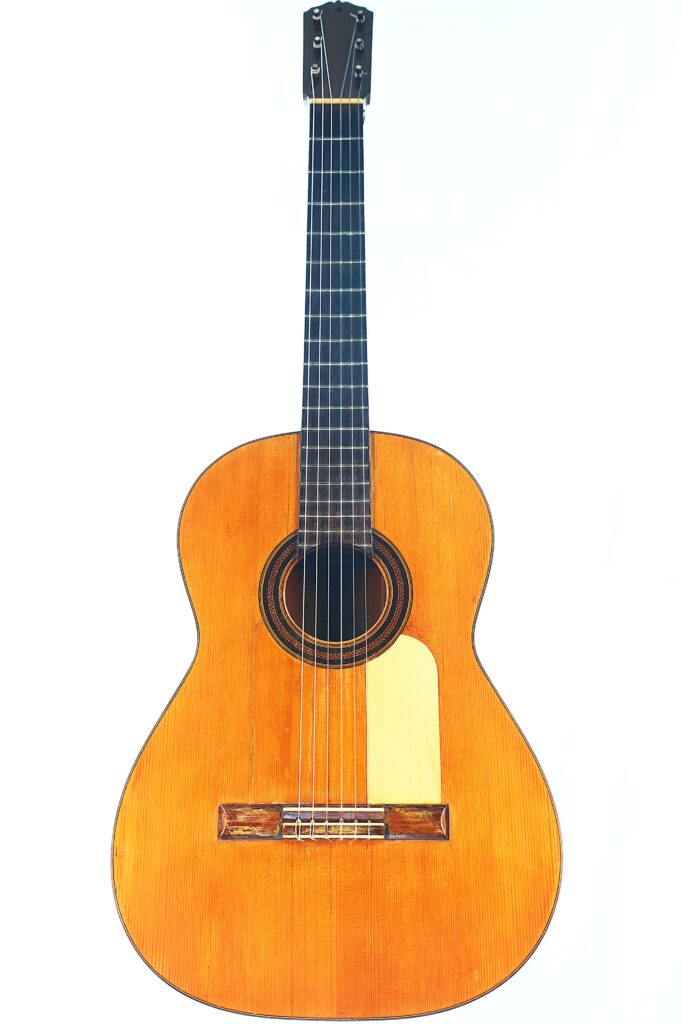
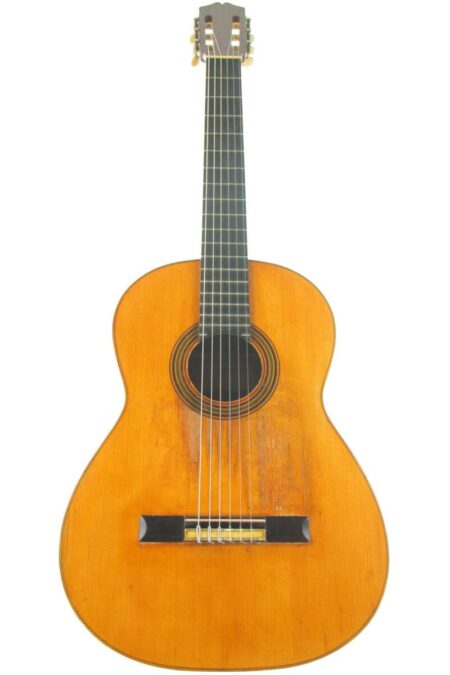
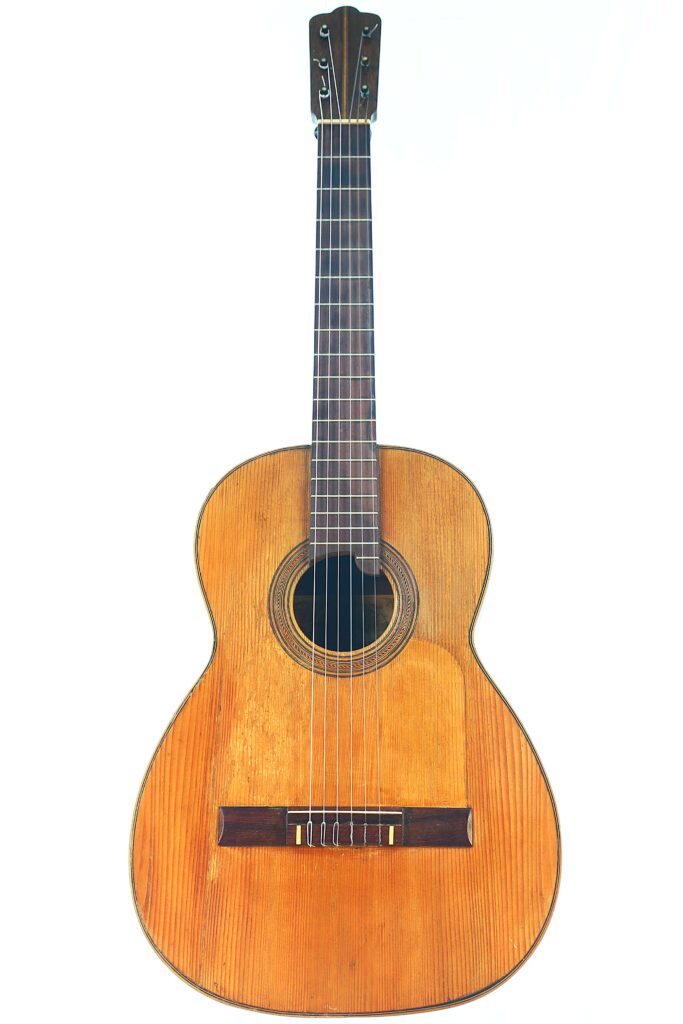
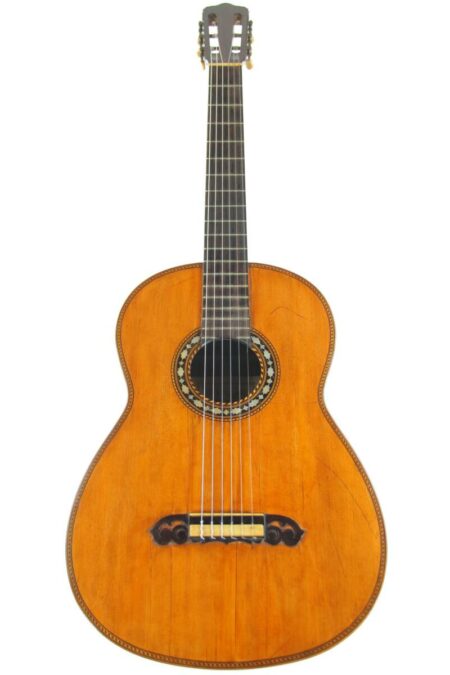
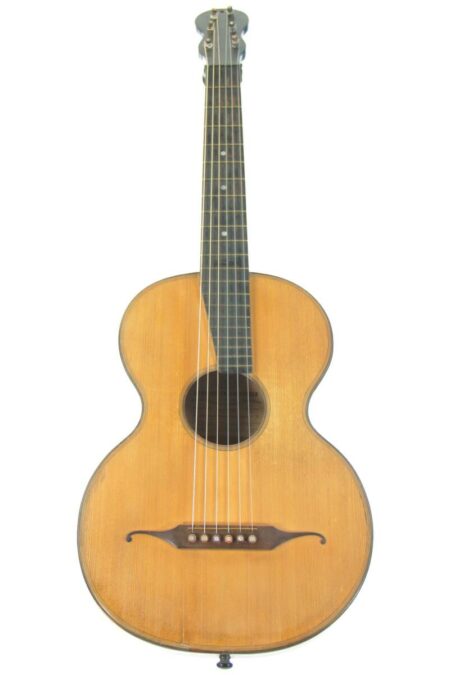
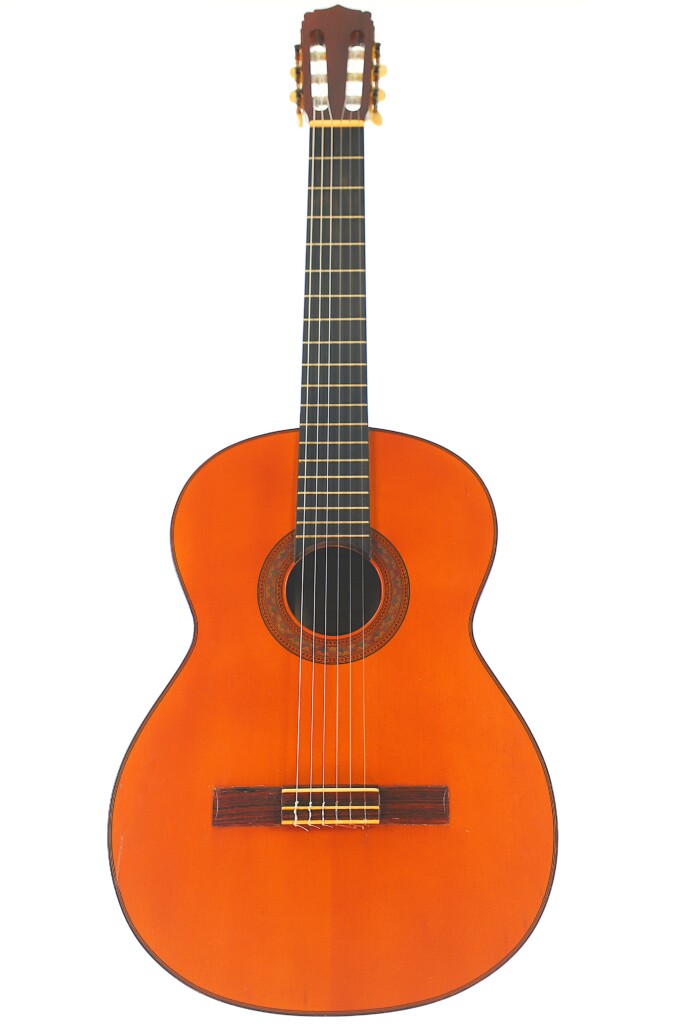
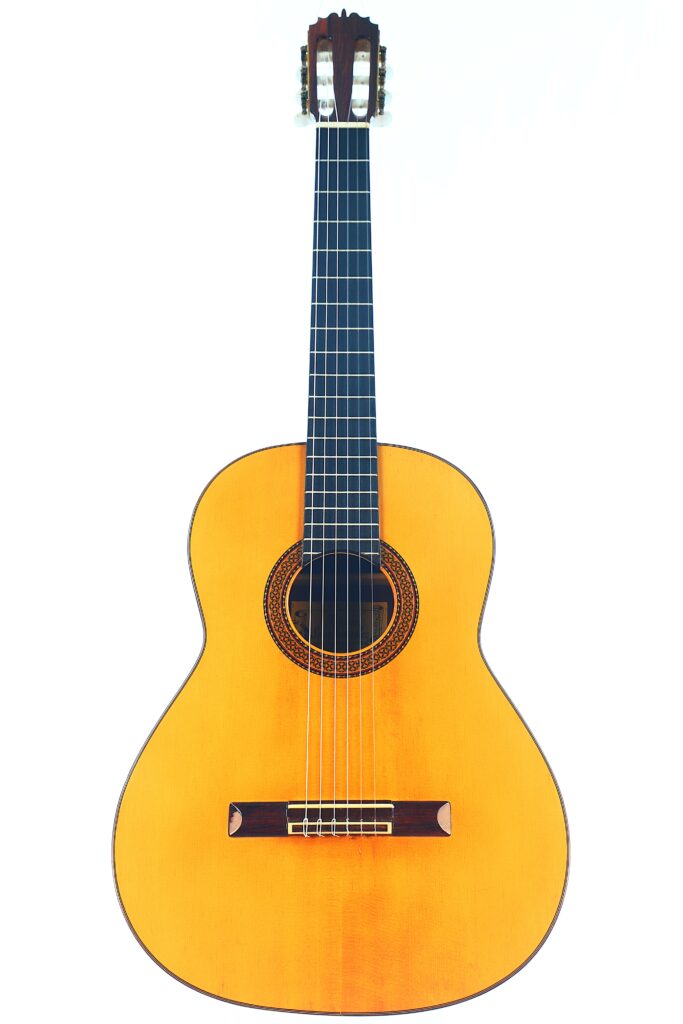
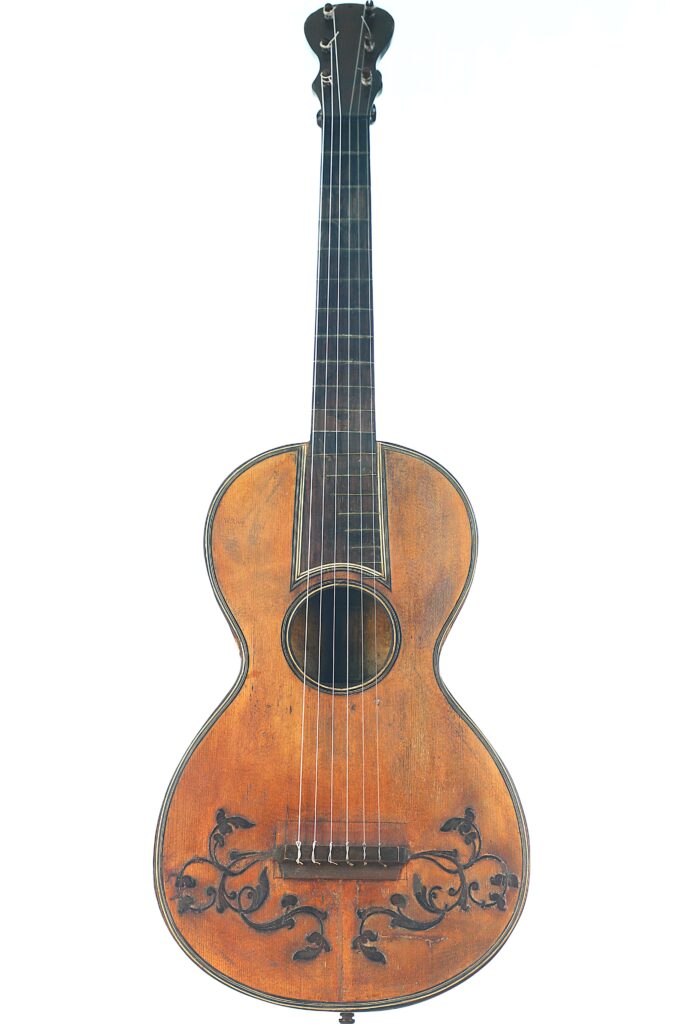
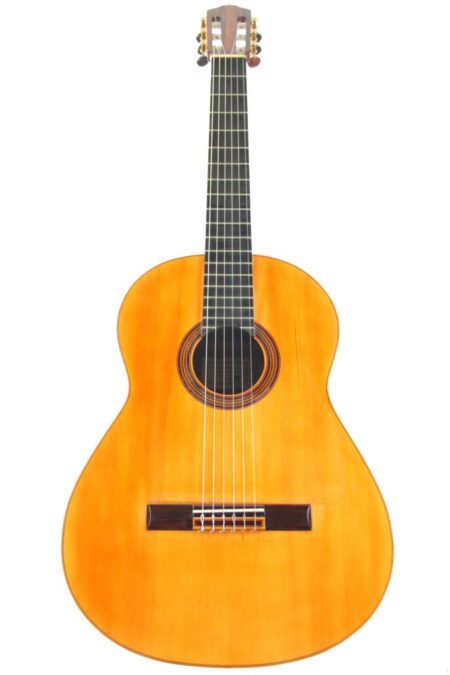
The classical guitar, also known as the Classical guitar is a traditional stringed instrument characterized by its specific construction and warm, soft sound.
The modern classical guitar has its origins in Spain and is therefore often referred to as the Spanish guitar called.
It consists of a finely crafted top, a sturdy neck, a hollow body, nut, fingerboard and a headstock with open tuners.
Typical for the classical guitar are nylon strings, which, compared to the steel strings of the Western guitar produce a softer sound and are easy on the fingers when playing. The scale length is usually 650 mm, the nut width approx. 52 mm - this ensures a generous string layout and enables precise fingerstyle playing. Another feature is that classical guitars generally have no pickups and are played exclusively acoustically.In contrast to the acoustic guitar, the classical guitar sounds milder and more balanced, which makes it the ideal choice for classical music, flamenco or Latin American styles.
Classical guitar or acoustic guitar - what's the difference?
The concert guitar is often referred to as acoustic guitar This is true, but not every acoustic guitar is also a concert guitar. The term „acoustic“ basically refers to all guitars that are played without electric amplification. This includes both classical and acoustic guitars.
In common parlance, however, acoustic guitar usually refers to the acoustic guitar with steel strings.
The classical guitar is particularly suitable for classical music and fingerstyle due to its nylon strings, wide nut width and softer sound. It is also particularly popular with beginners as it is easy to play and does not put too much strain on the fingers. It also impresses with its balanced, warm tone.
You can find out more about other acoustic models here: Acoustic guitar
Choosing the right classical guitar - that's what matters
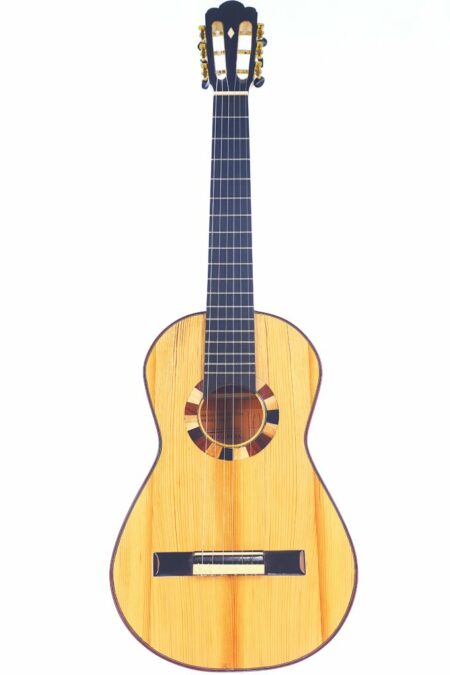
Scale length and size play a central role when buying a classical guitar. For children or people with smaller hands, a shorter scale length or smaller design (e.g. 3/4 guitar) is recommended. Adults usually opt for the standard size with a scale length of 650 mm.
The sound depends heavily on the choice of wood: a cedar top sounds warm and direct, spruce rather bright and brilliant. The rosewood, maple or cypress body also influences the timbre and volume.
The feel of the fretting hand is also crucial - a comfortable string action, a well-shaped neck and the right nut width (usually 52-54 mm) make playing more comfortable.
Whether beginner, advanced or professional: the right classical guitar must not only sound good, but also suit the guitarist's playing technique and hand size. Good advice will help you make the right choice.
Craftsmanship & luthiers - what's behind the sound?
The luthier's work has a decisive influence on the sound of a classical guitar. With years of experience, a keen ear and skilled craftsmanship, they have a decisive influence on how the instrument sounds, vibrates and feels.
The workmanship must be precise: Every glue joint, every curve and every joint influence the resonance. The choice of wood is also particularly important - spruce, cedar, rosewood or maple have different tonal properties and change the response, volume and tone color.
All of this has a direct influence on the vibrational properties of the top and body - and therefore on the overall sound. Therefore, the more carefully the instrument is built, the more balanced, carrying and refined its sound will be.
Accessories & tips for beginners
Accessories
Description
Guitar bag or case
Protects the guitar during transportation. A padded bag is ideal for everyday use.
Strings
Replacement strings of the right gauge, preferably nylon strings for beginners, which are softer to play. Carbon strings produce a louder and more brilliant sound.
Tuner
Electronic tuner or tuning app to tune the guitar precisely.
Picks
Useful for certain playing styles; try out different strengths to find the right one.
Music stand
Makes playing with sheet music or tablature easier and ensures a comfortable posture.
Tips for getting started
Description
Regular practice
Set fixed exercise times; short, regular sessions are more effective than long sessions once a week.
Correct posture
Adopt a comfortable and ergonomic posture to prevent back problems.
Slow progress
Start with simple chords and melodies; take time to master basic techniques.
Learn the theory
A basic understanding of music theory, such as note values and chord structure, is helpful.
Play with others
Search for like-minded people or a music group; promotes motivation and progress.
Frequently asked questions about the classical guitar
1. how do I choose the right size for my guitar? The right size depends on your height and hand size. For children or small adults, 1/2 or 3/4 guitars are often suitable, while larger players and adult guitarists should prefer a full size.
2. how often should I tune my guitar? It is advisable to tune the guitar before every play, as temperature and humidity fluctuations can affect the tuning.
3. how long does it take to learn the classical guitar? The learning time varies depending on the intensity of practice and previous knowledge. With regular practice, you will be able to play simple pieces in just a few months.
4. are nylon strings better for beginners? Yes, nylon strings are softer and more comfortable for the fingers, which makes them ideal for beginners. They also offer a warm sound.
5. how do I look after my guitar properly? Keep the guitar clean by wiping the strings and fingerboard after playing. Store it in a place with controlled humidity and avoid direct sunlight to prevent damage.
6. do I need a pickup for my guitar? A pickup is only necessary if you want to amplify the sound of your guitar electrically or play it through speakers. Most guitarists do not play in front of large audiences and therefore do not need a pickup.

















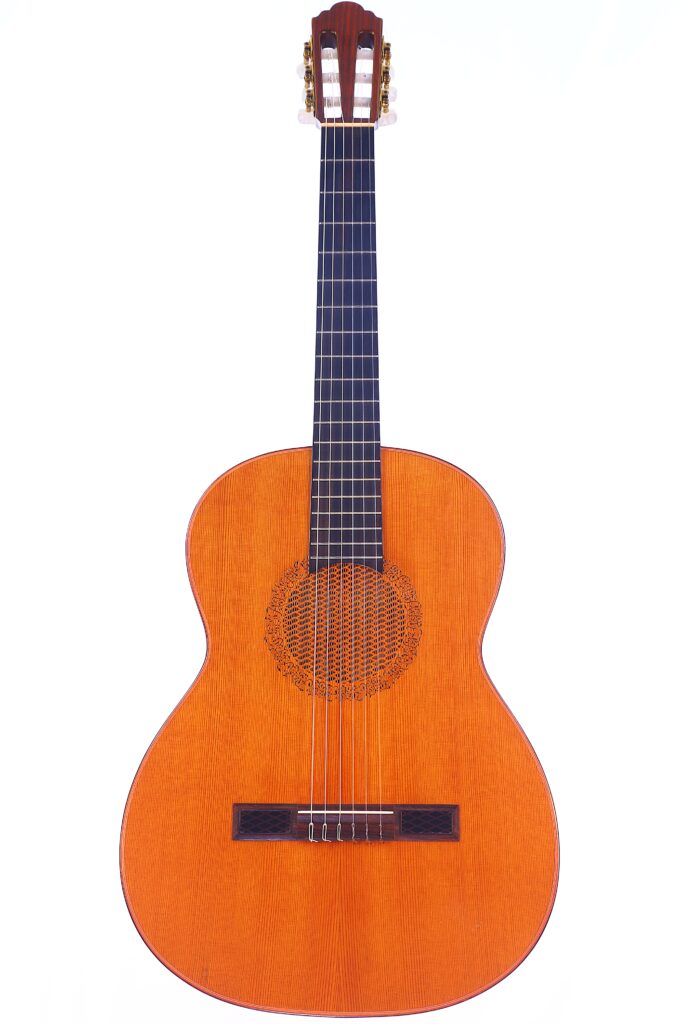
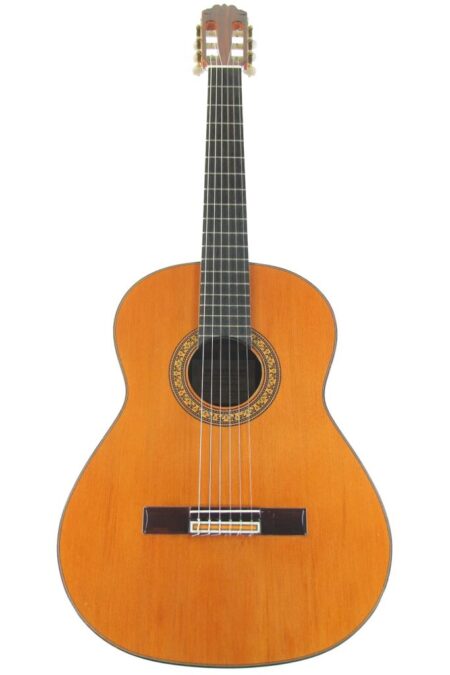

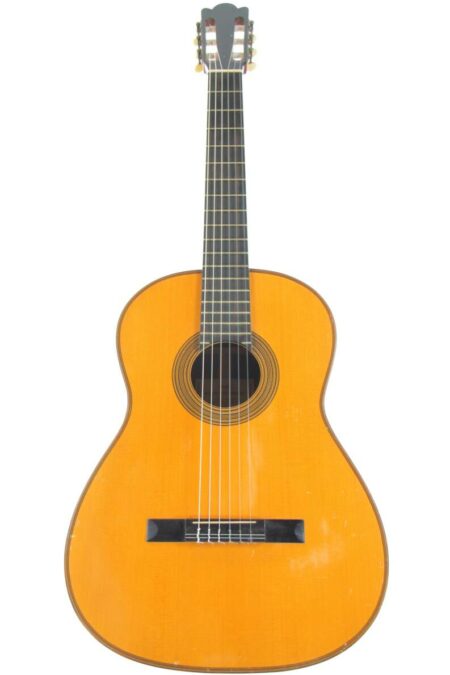
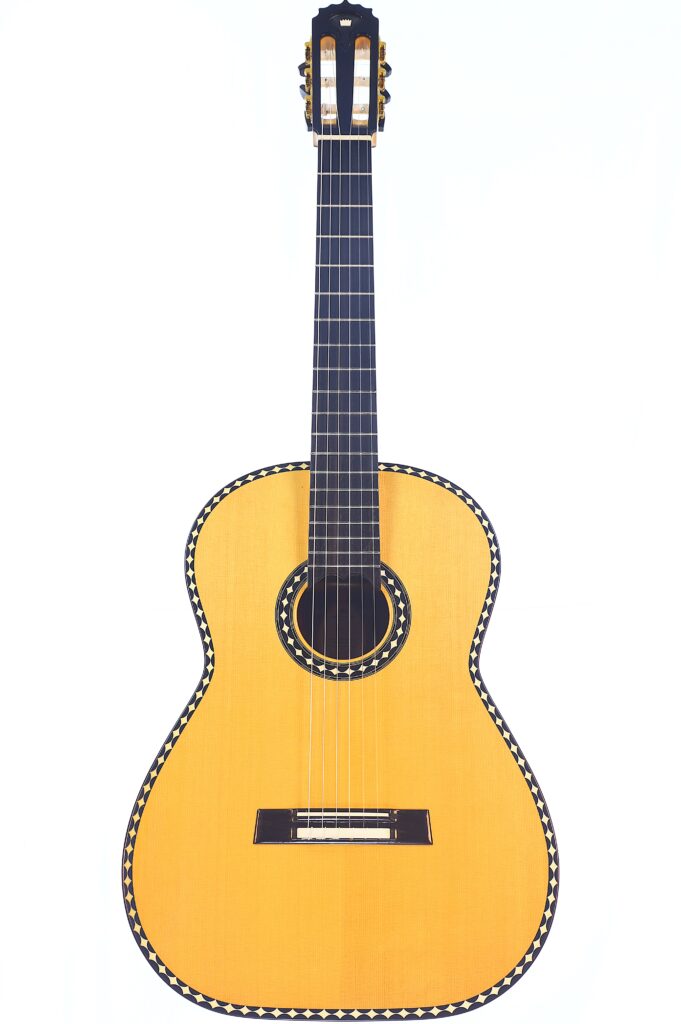

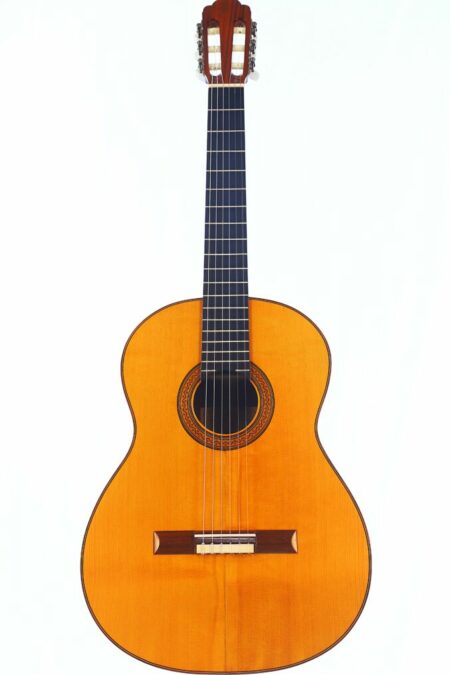
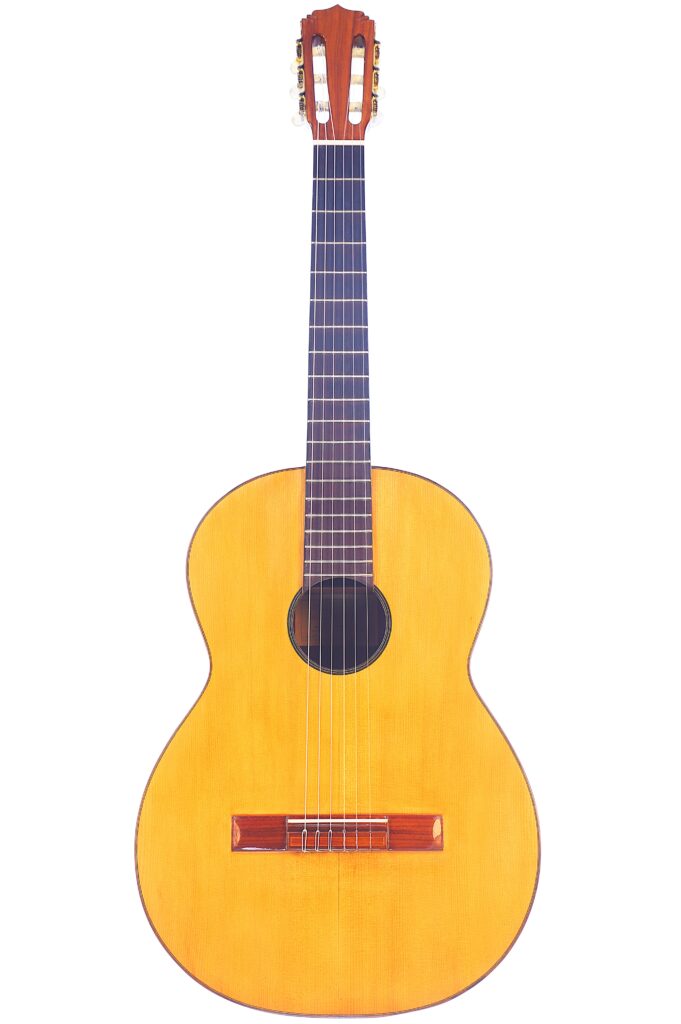
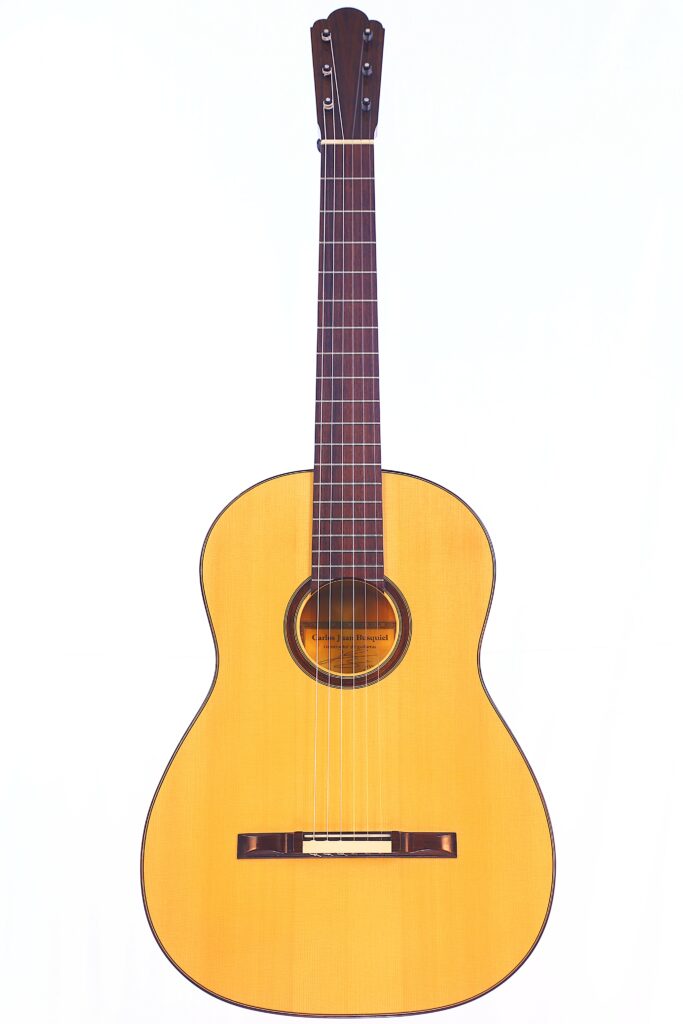
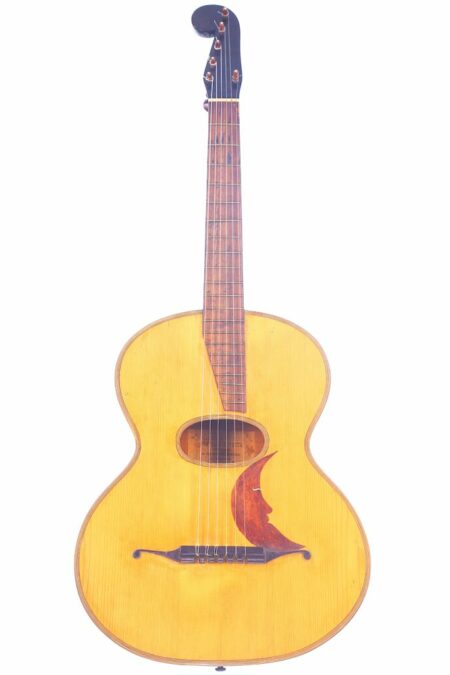
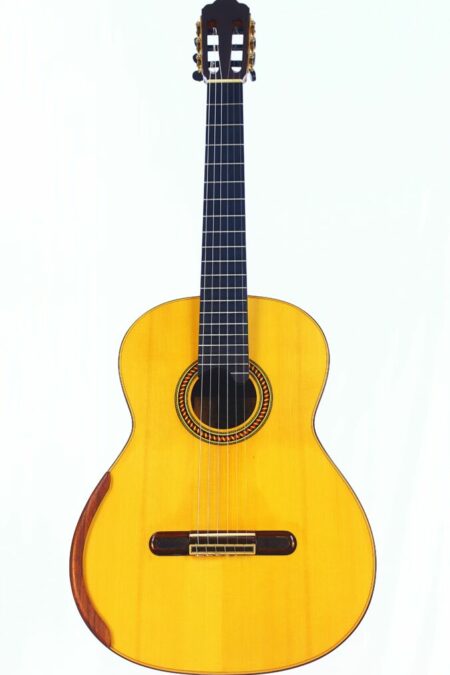
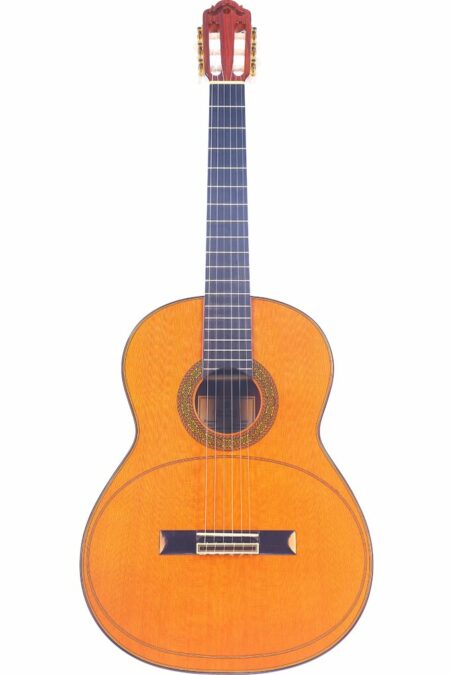
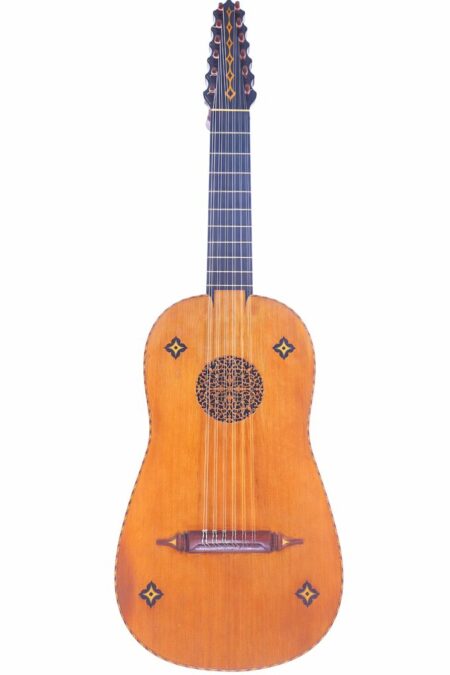
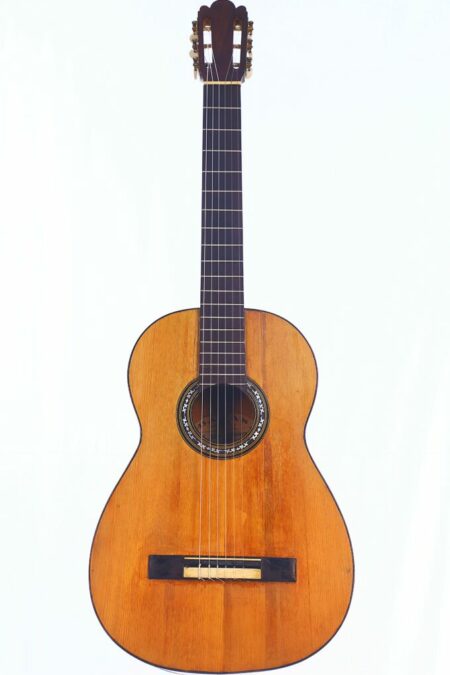
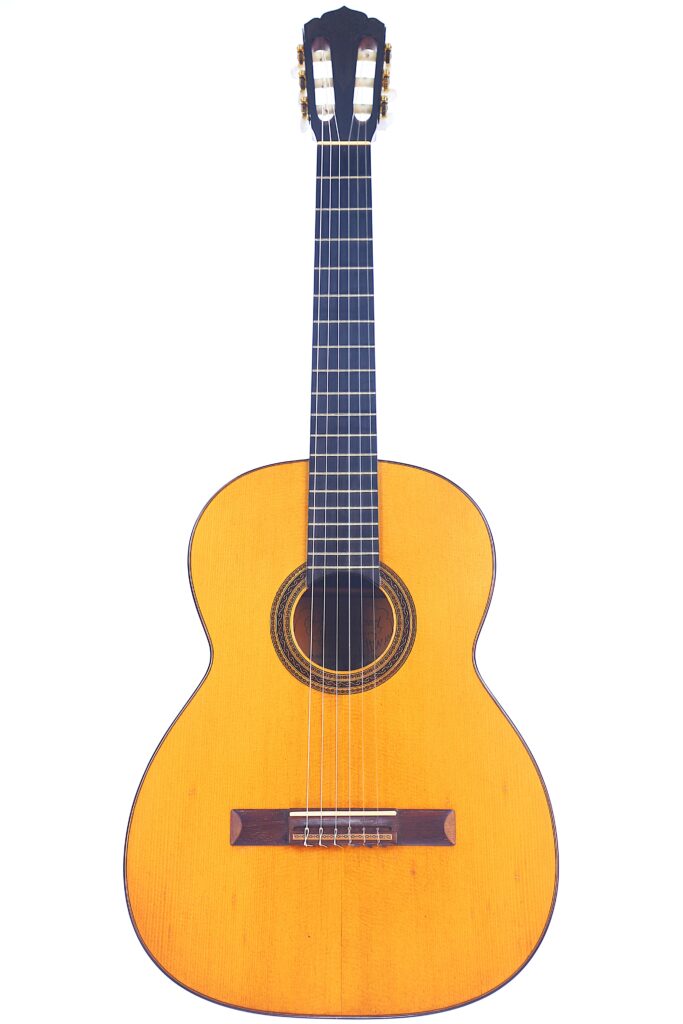
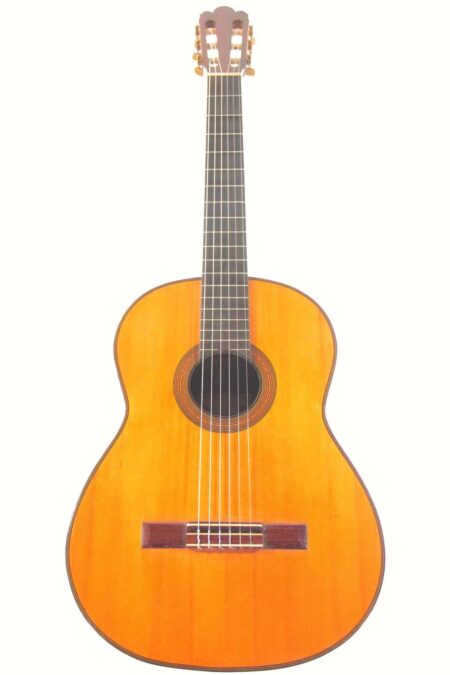
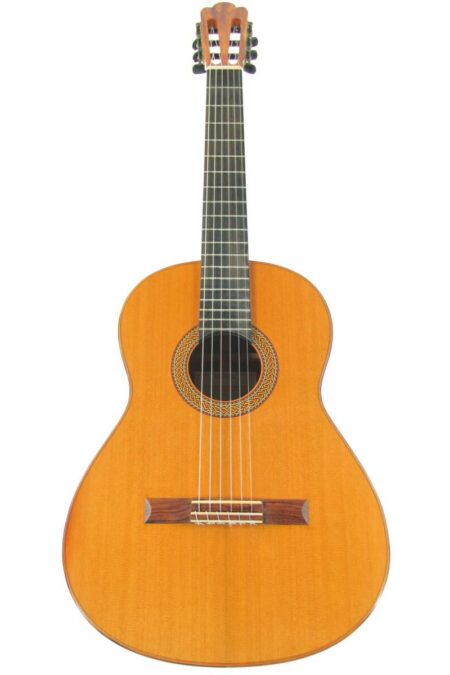
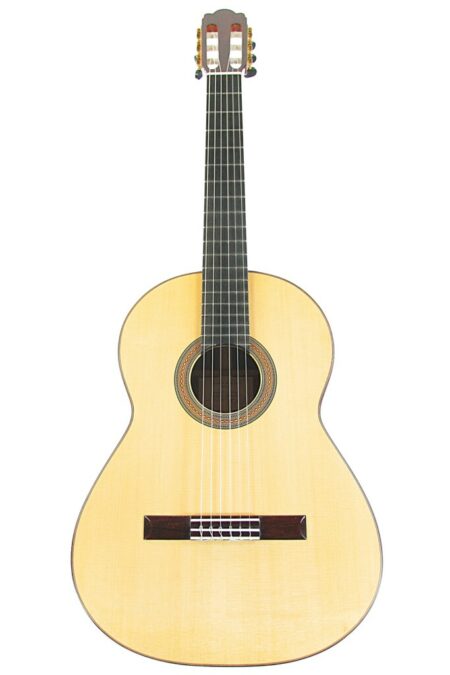
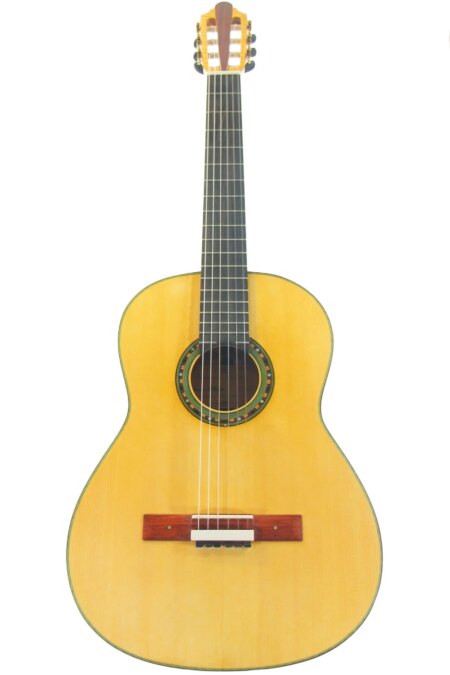
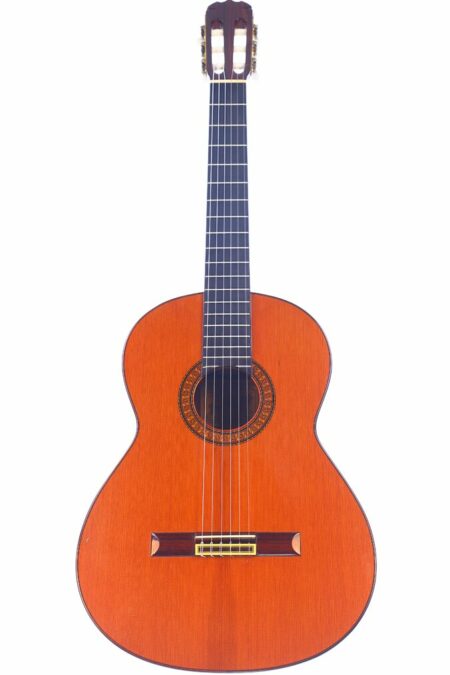
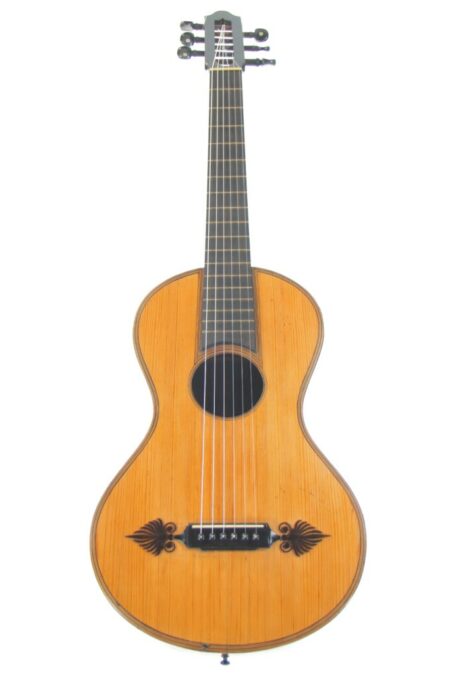
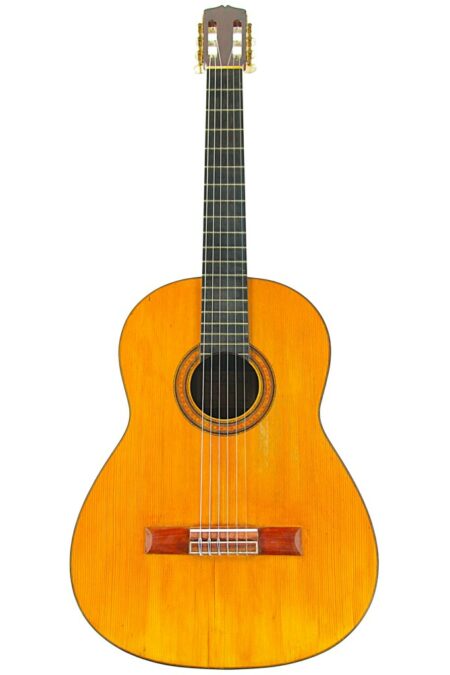

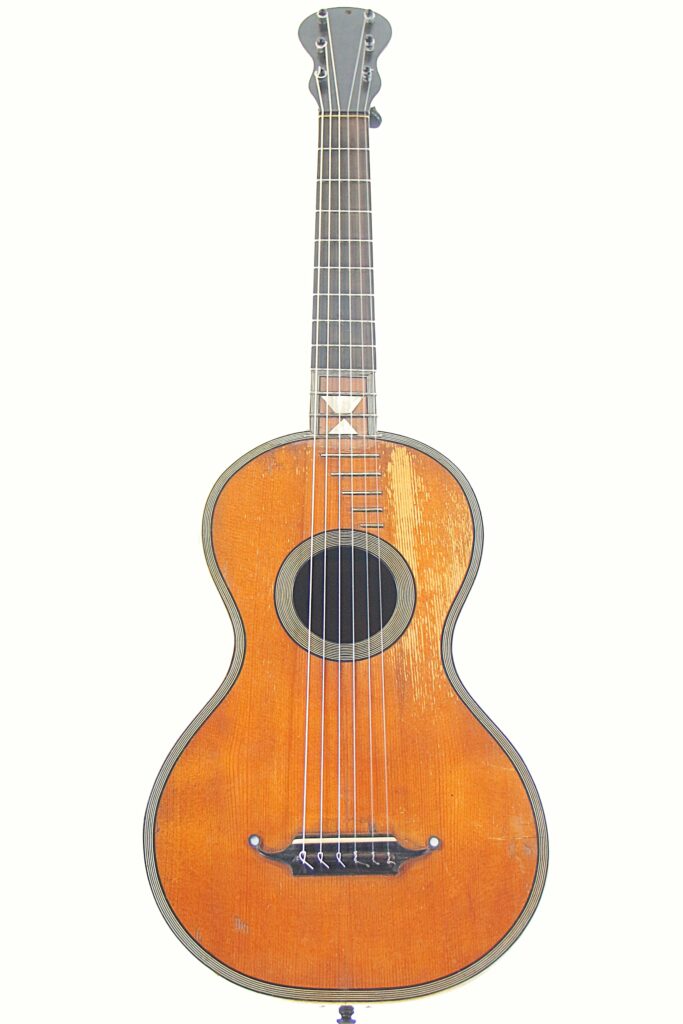
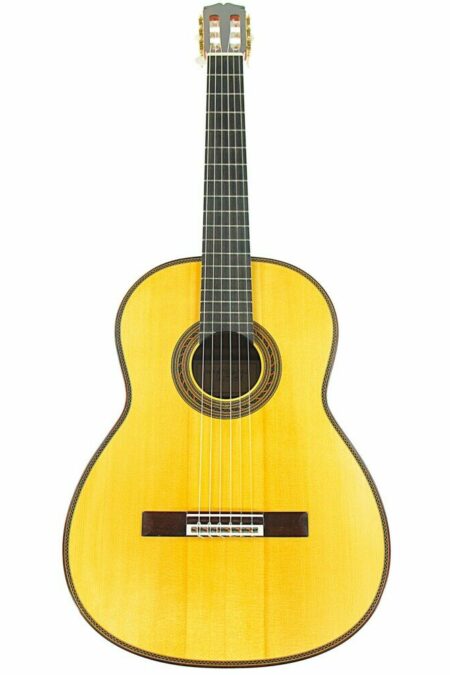
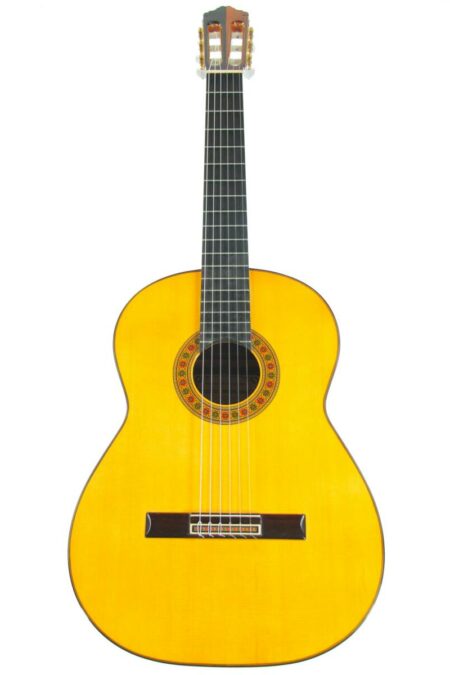
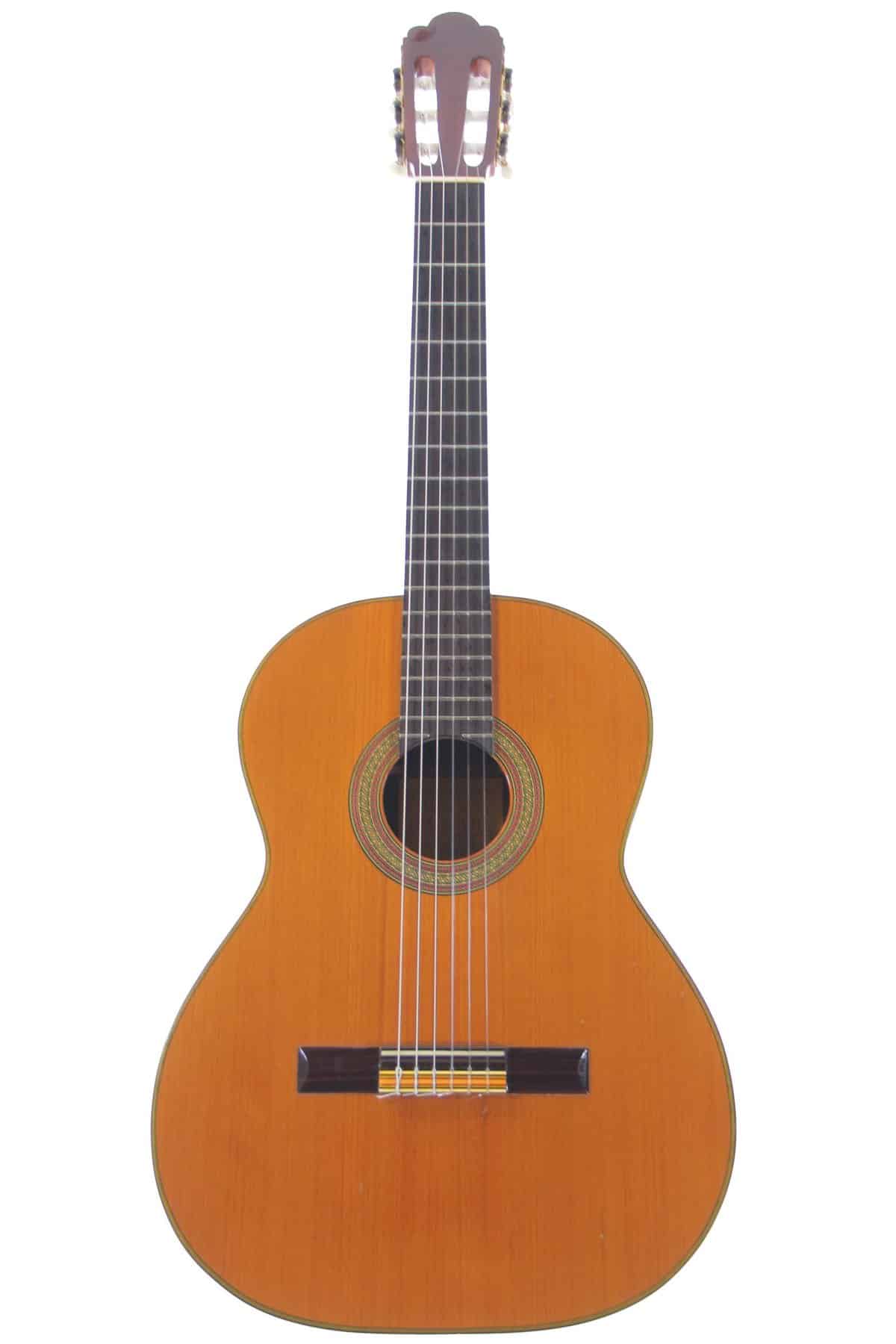


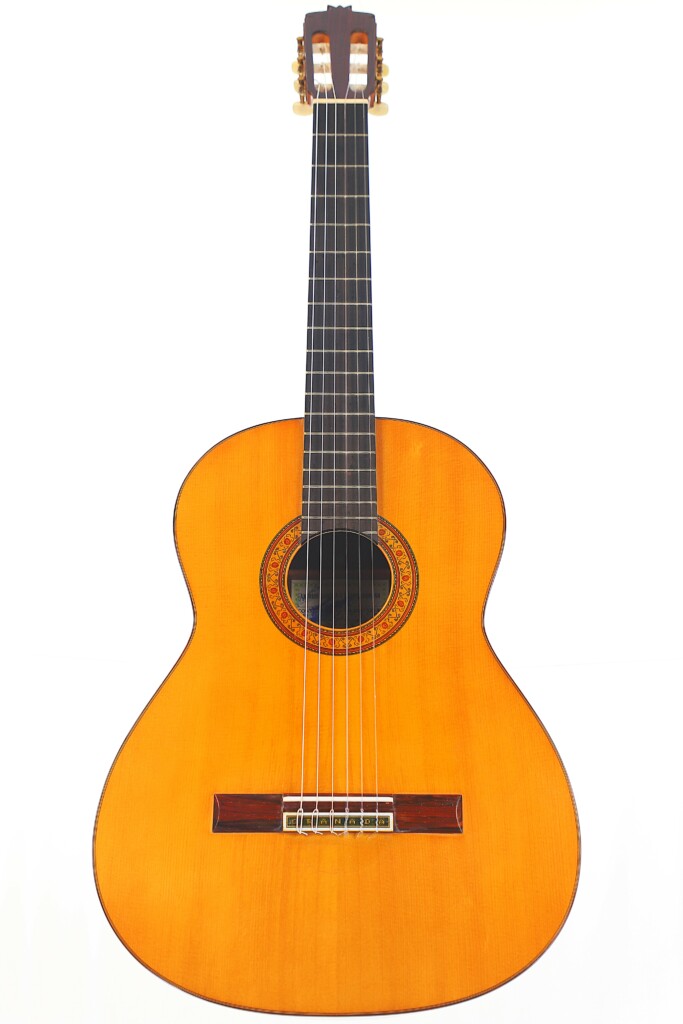
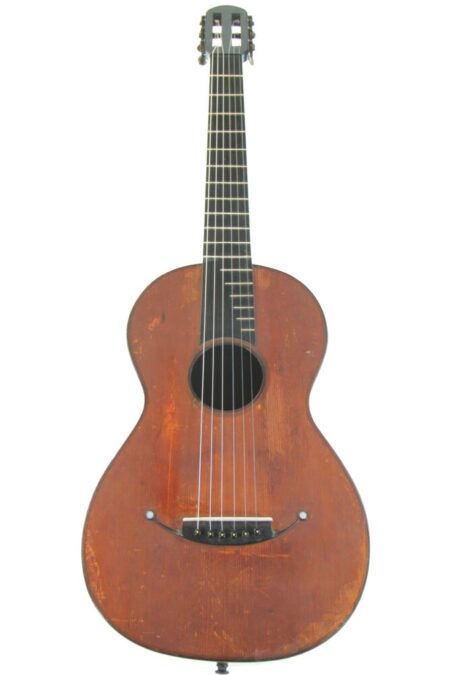
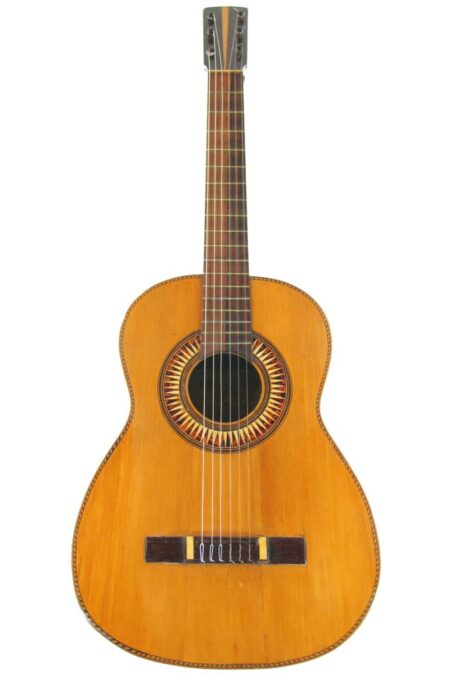
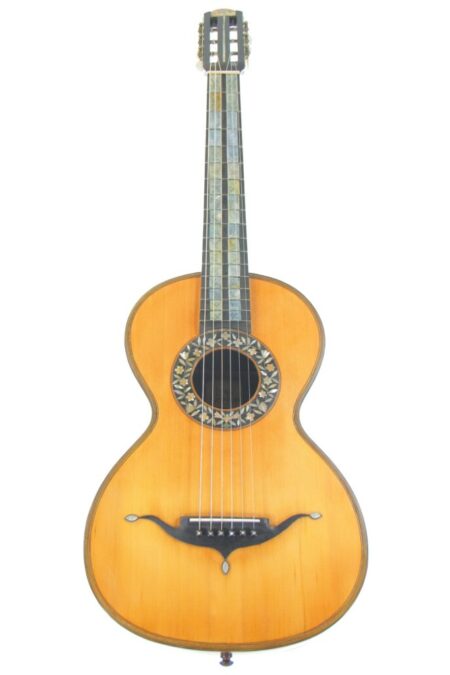

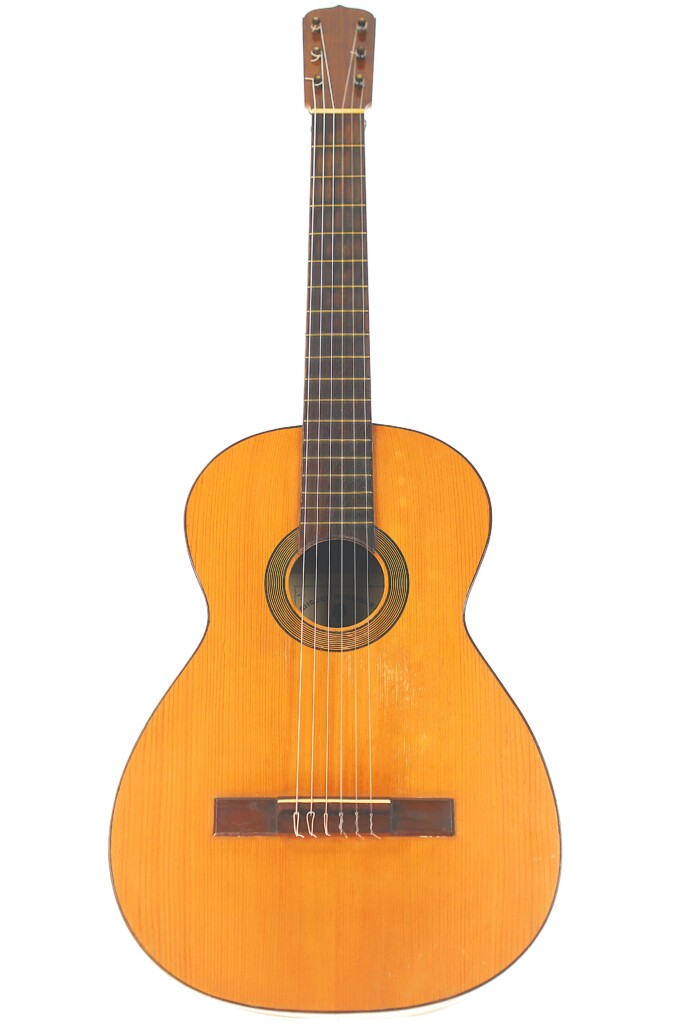

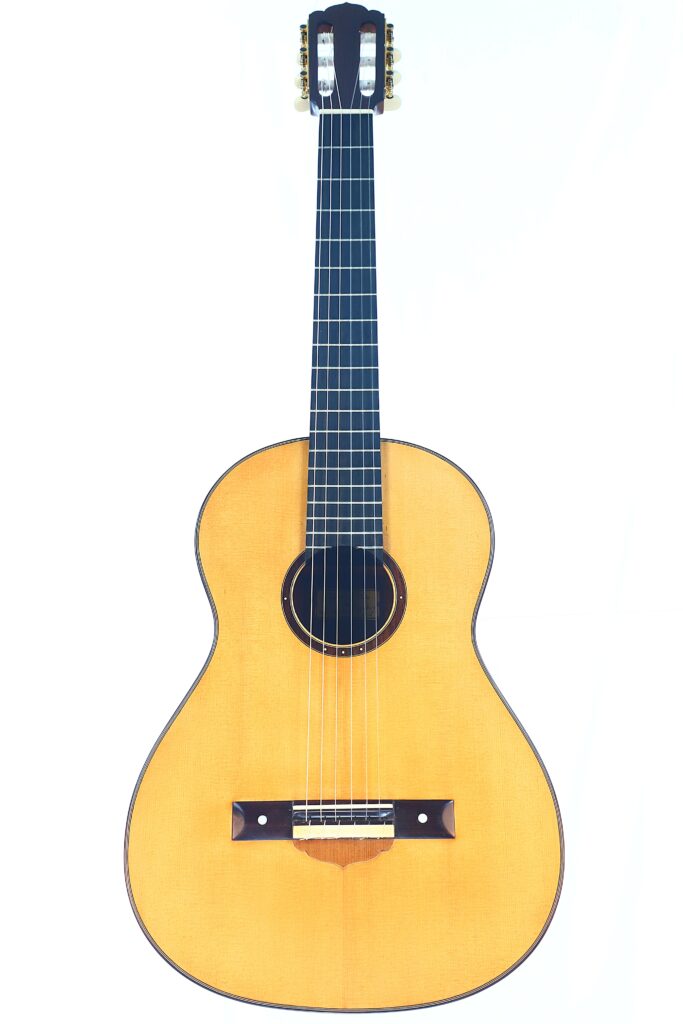
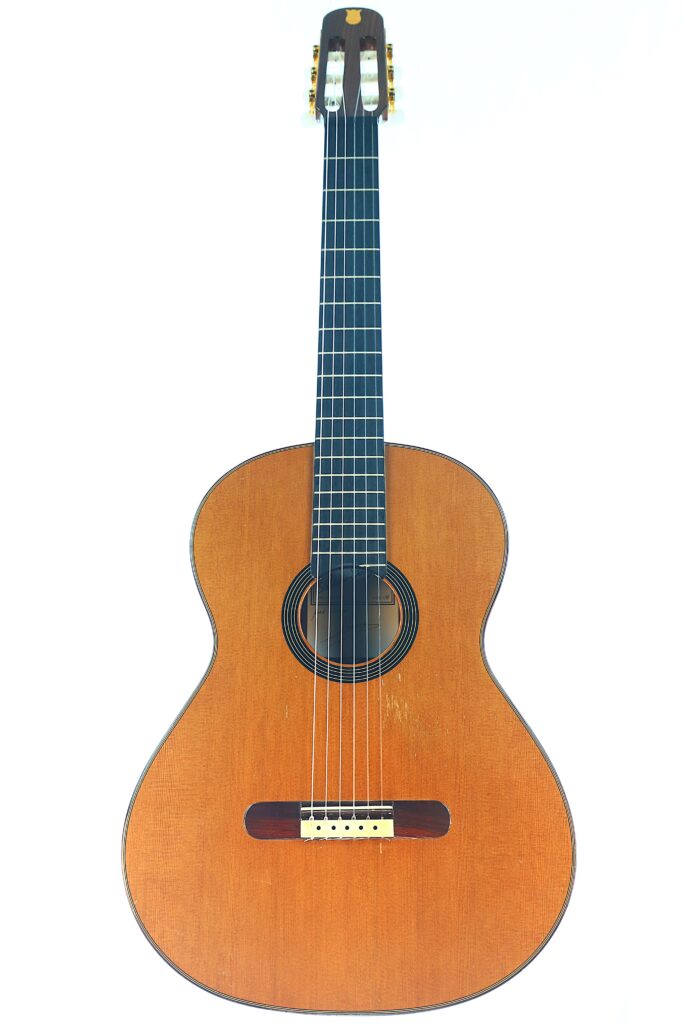
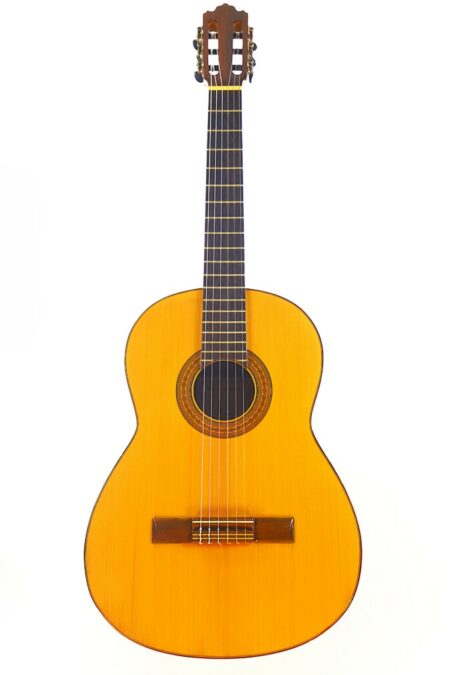
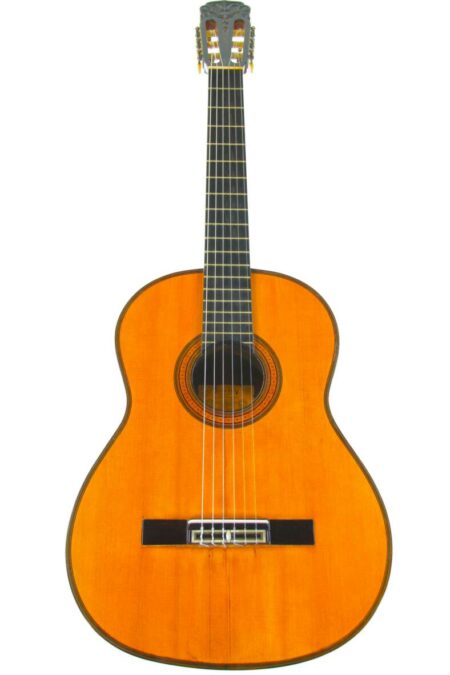
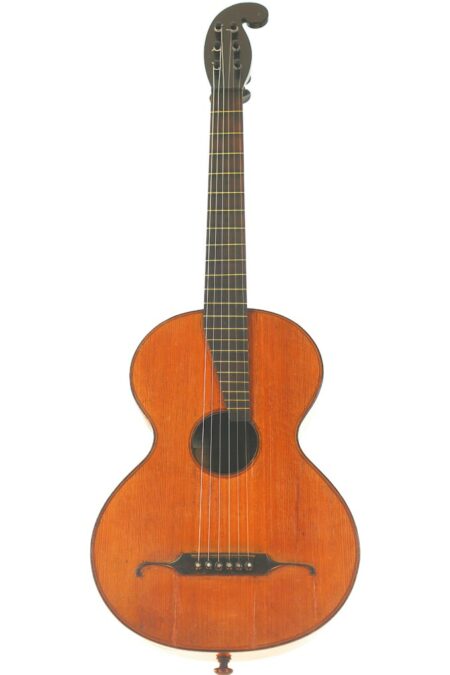
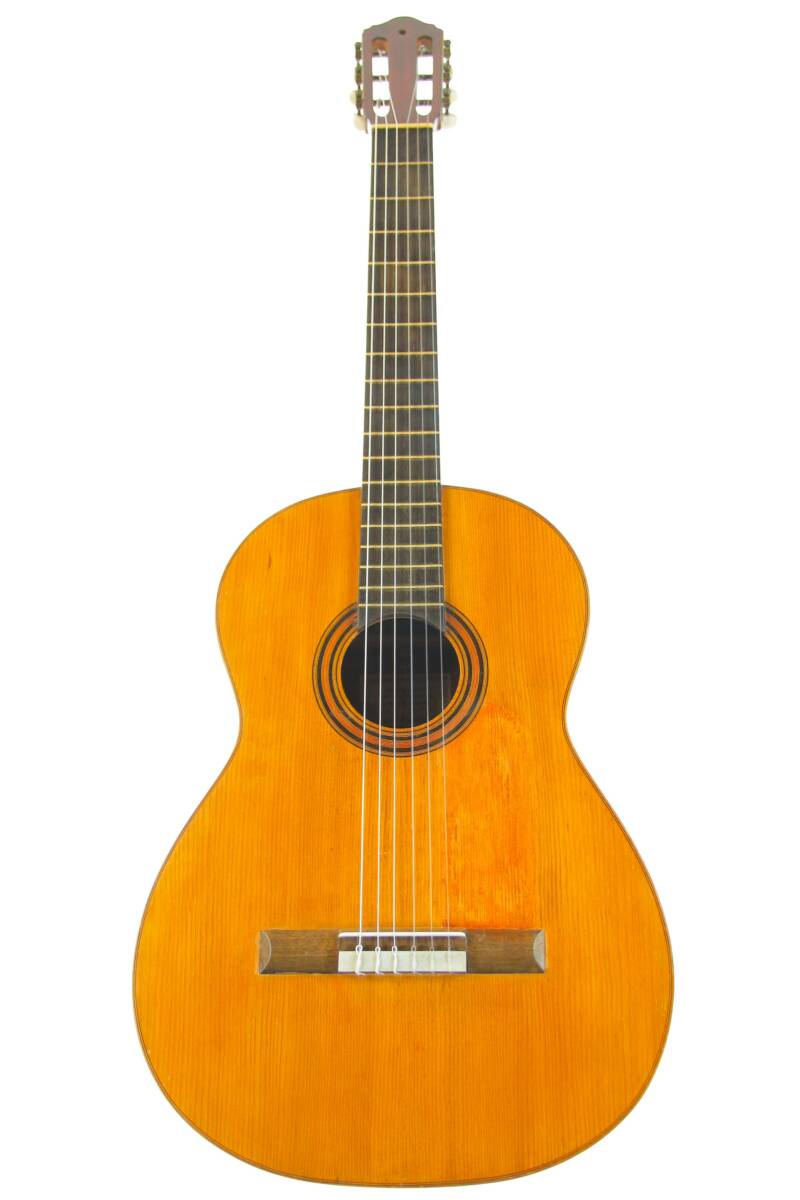
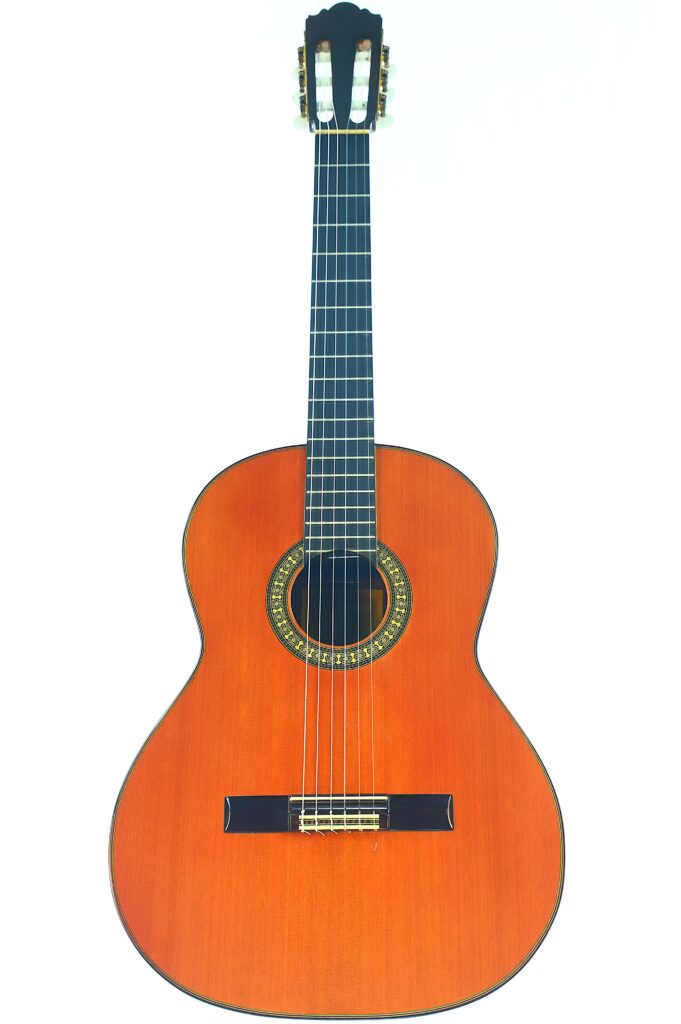

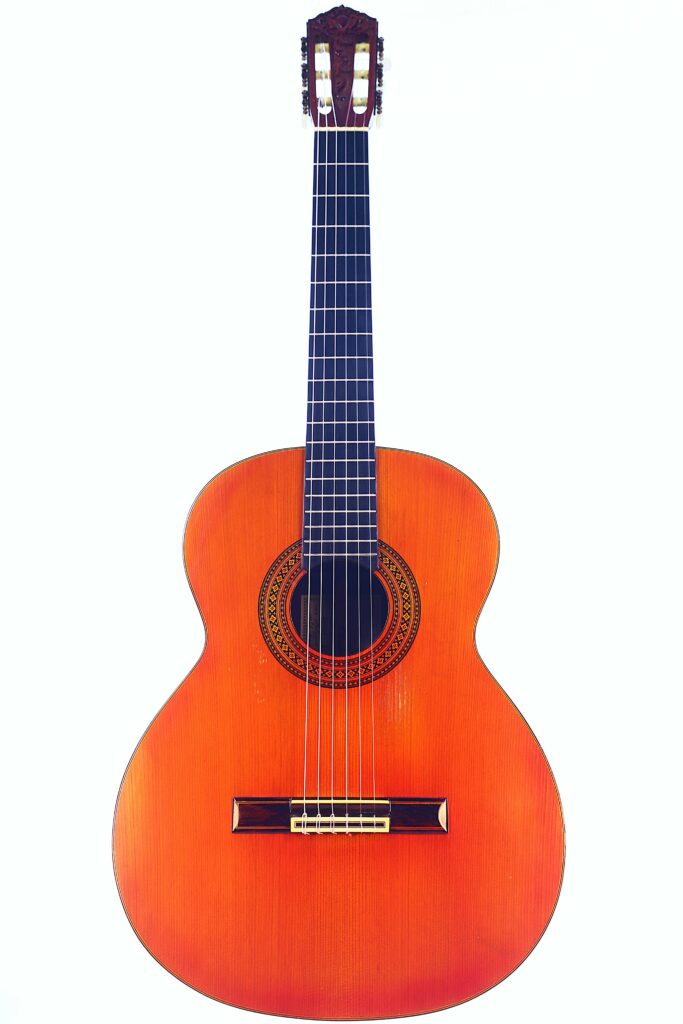
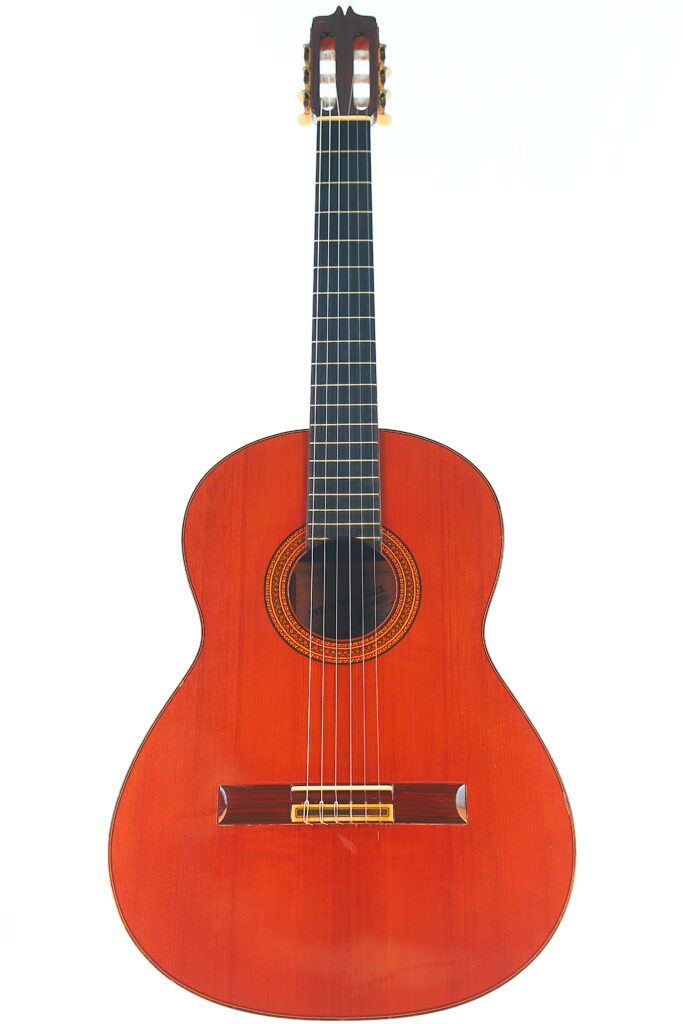
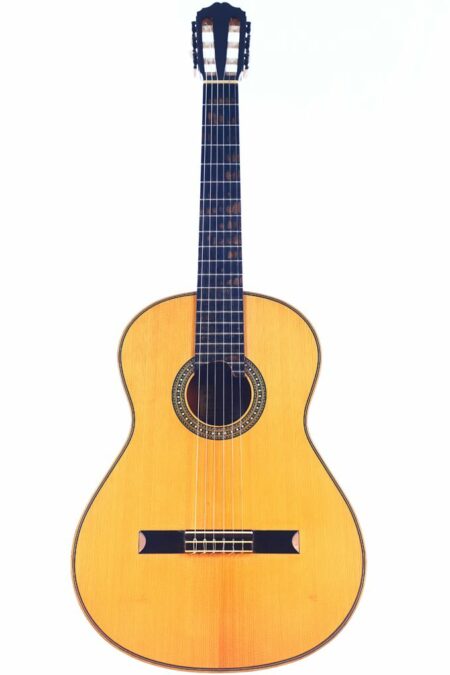
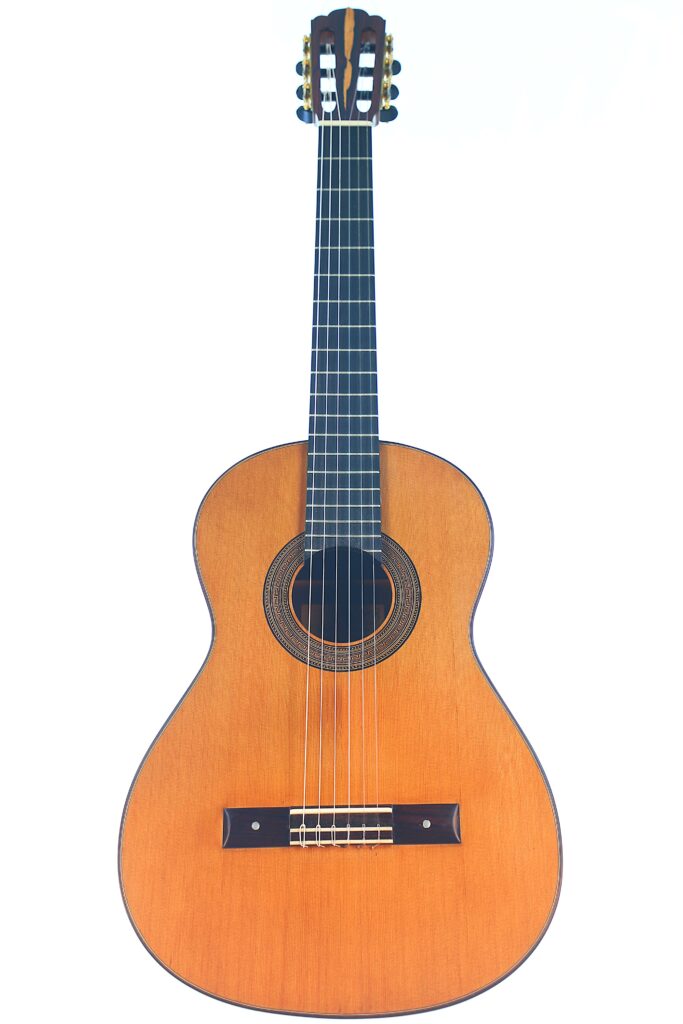
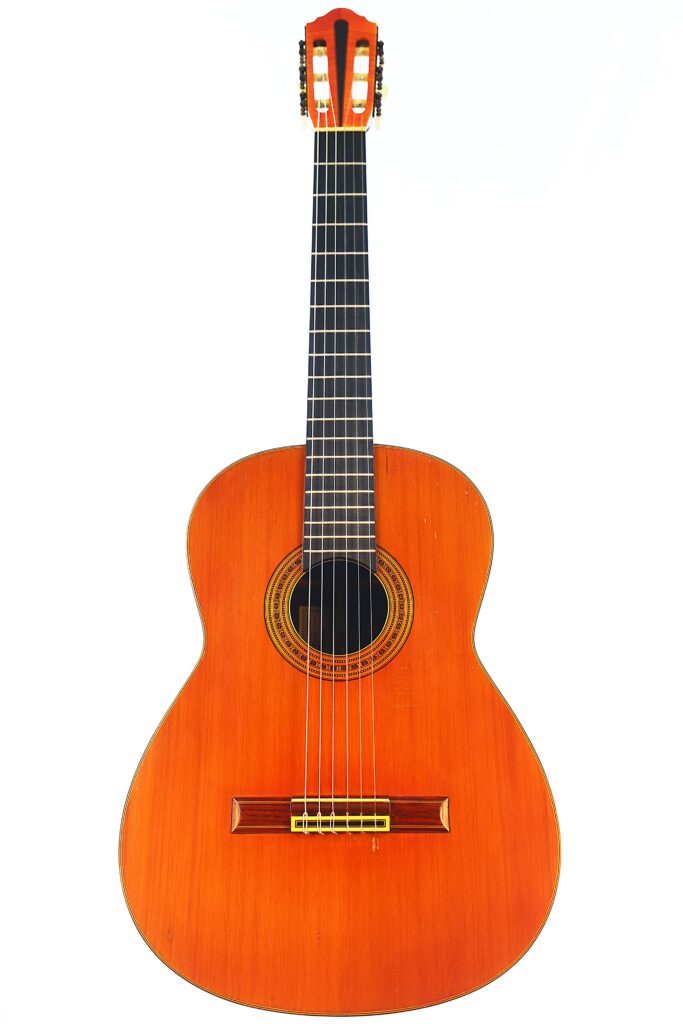
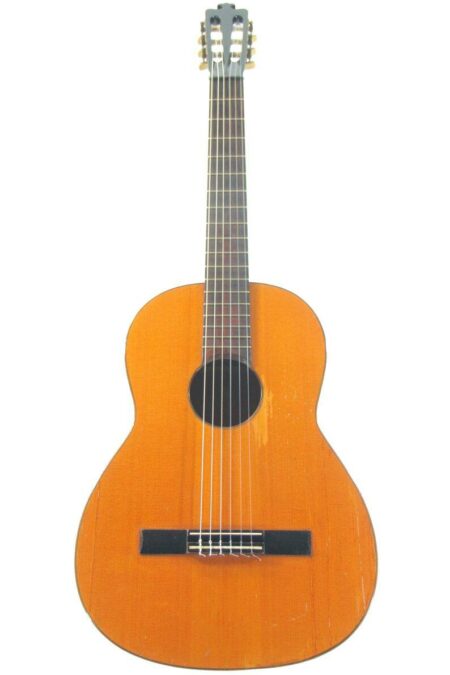
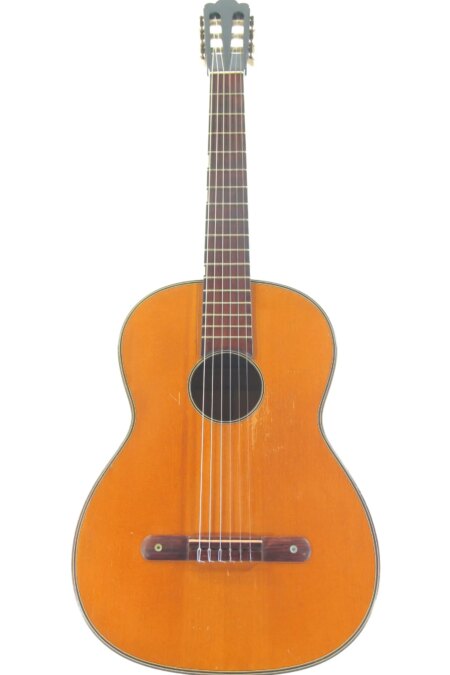
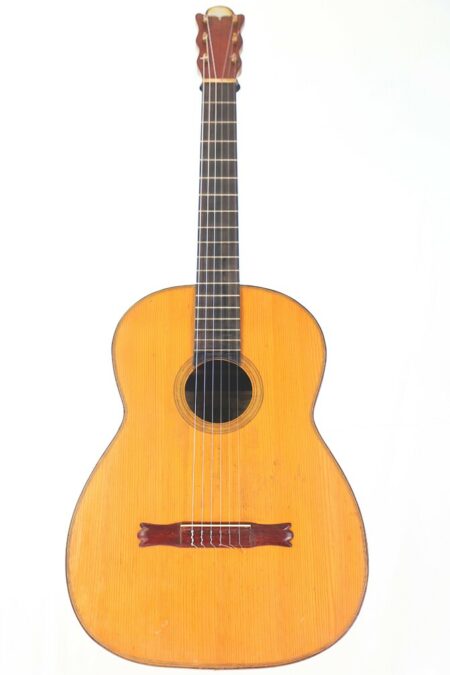
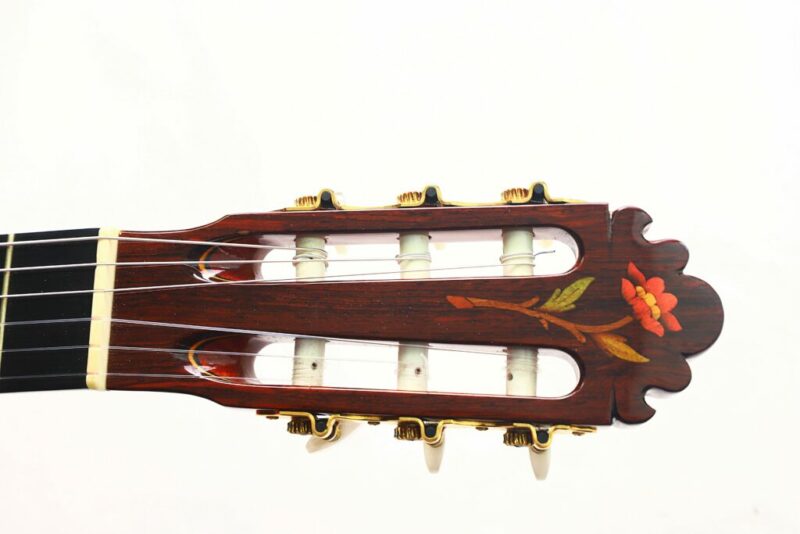 The classical guitar, also known as the Classical guitar is a traditional stringed instrument characterized by its specific construction and warm, soft sound.