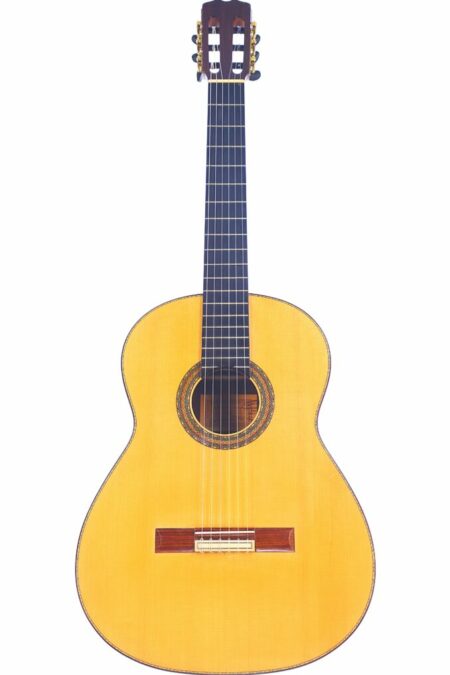
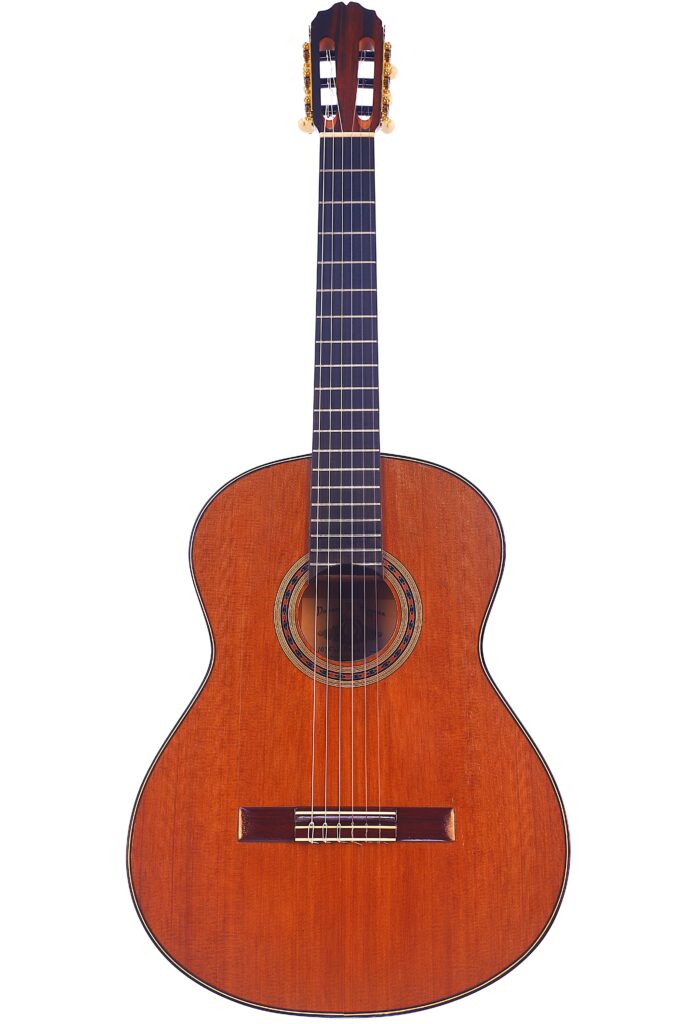
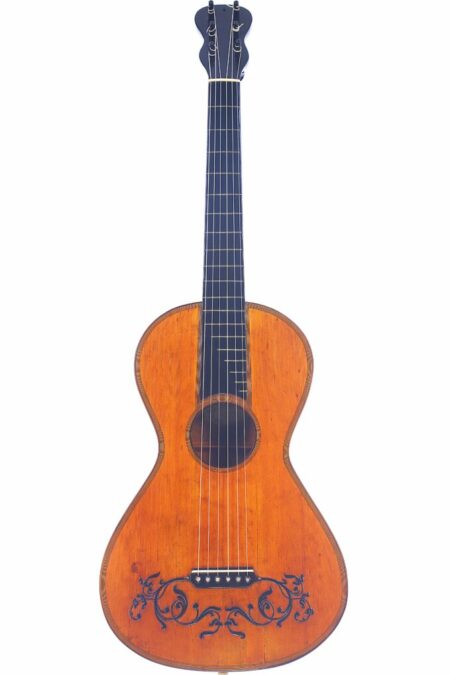
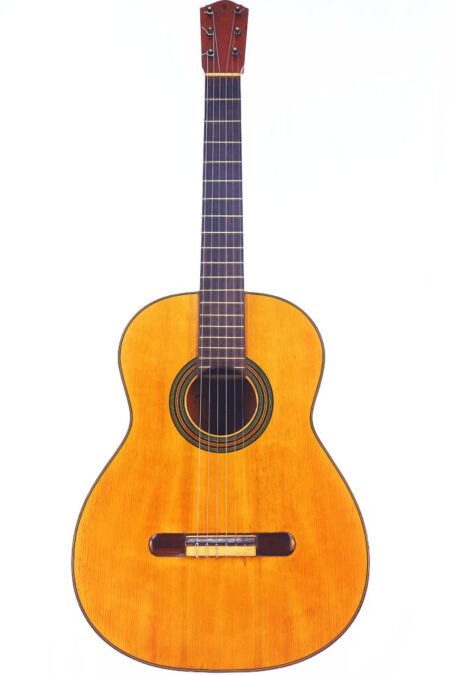
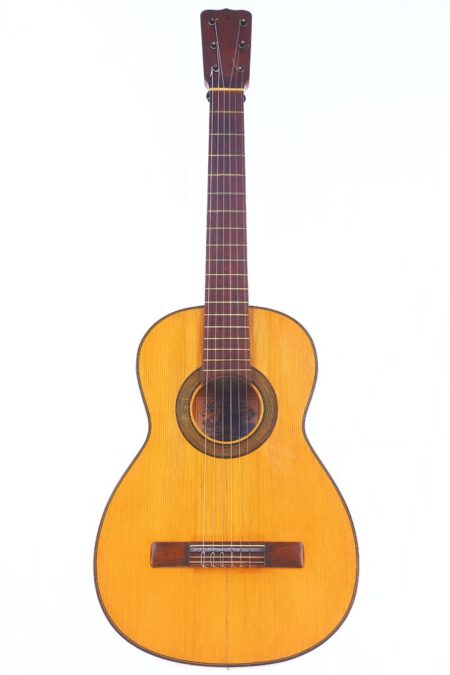
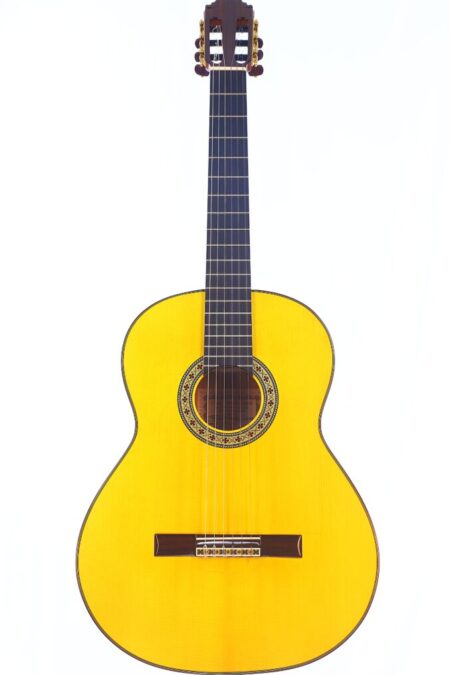
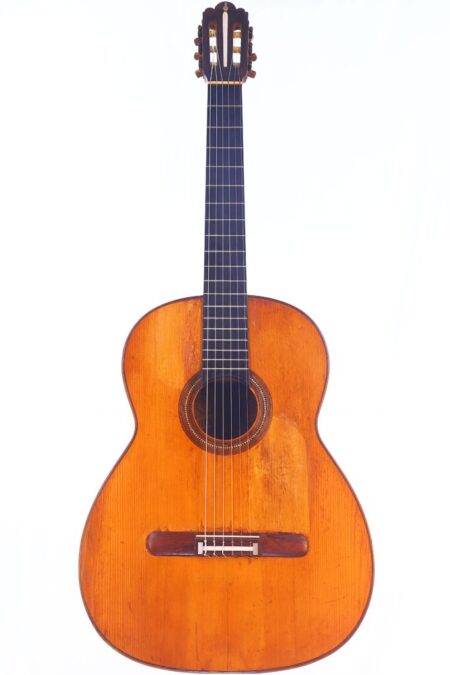
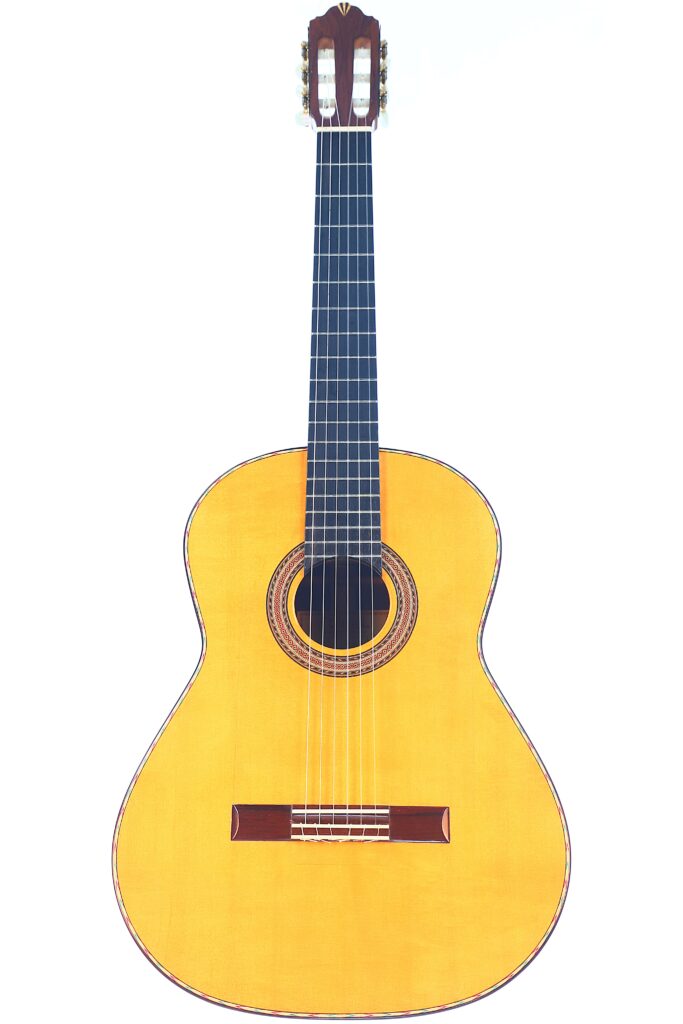
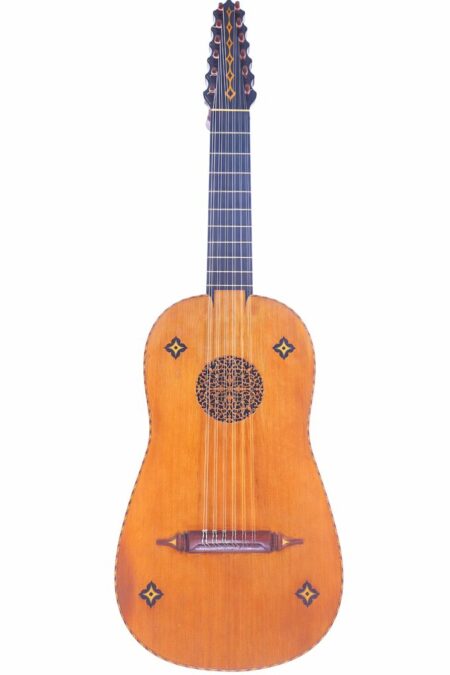
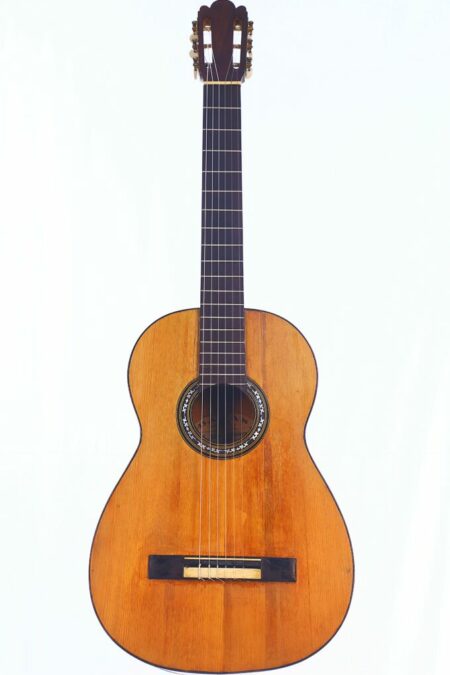
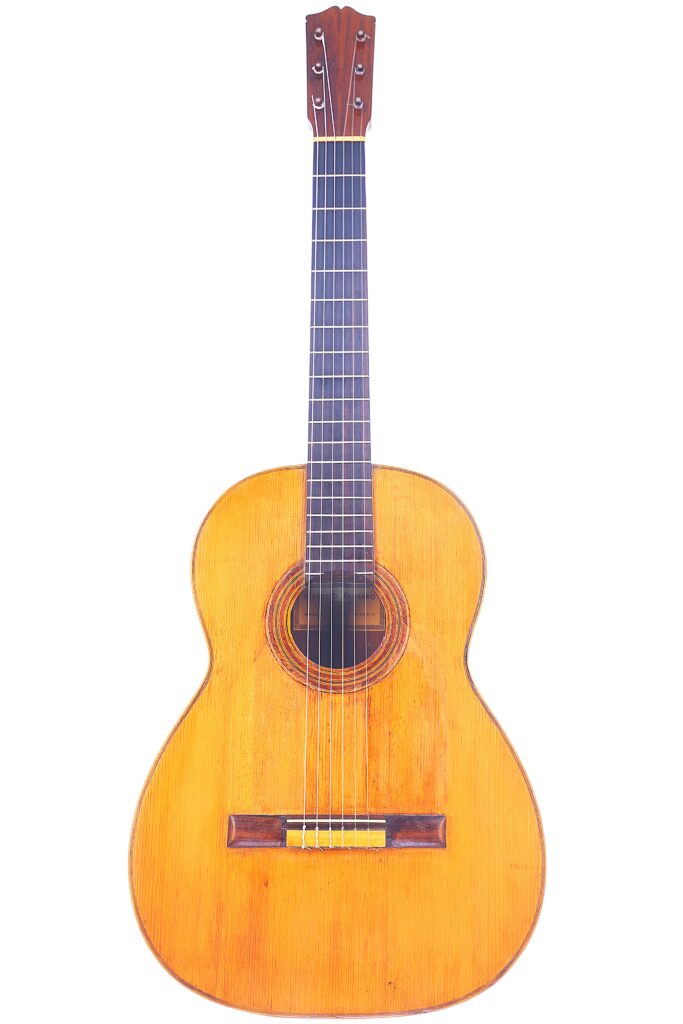
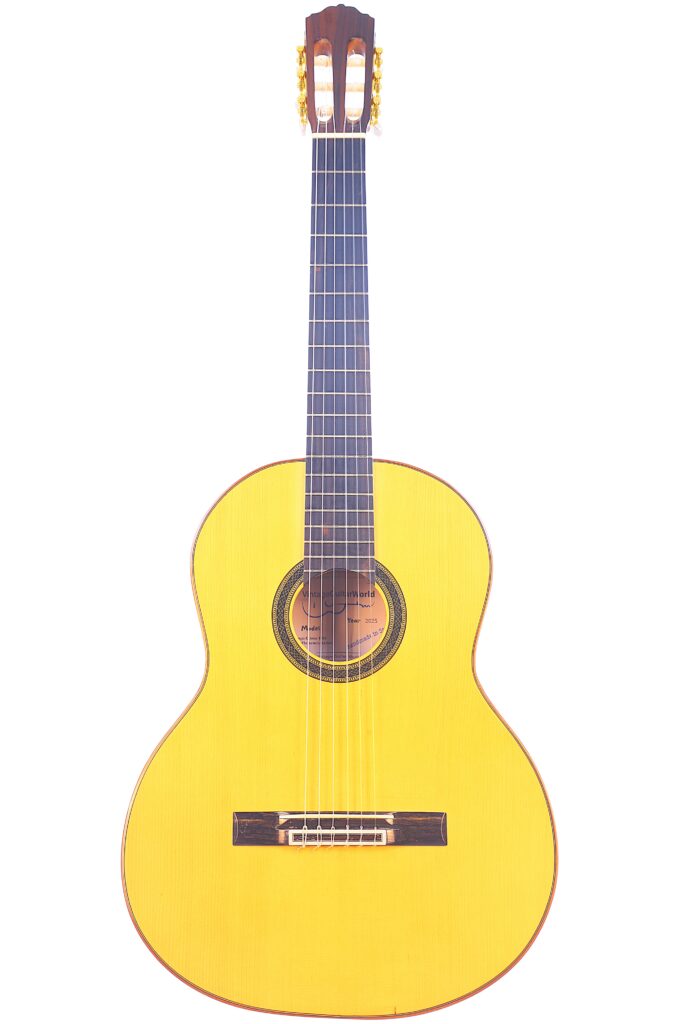
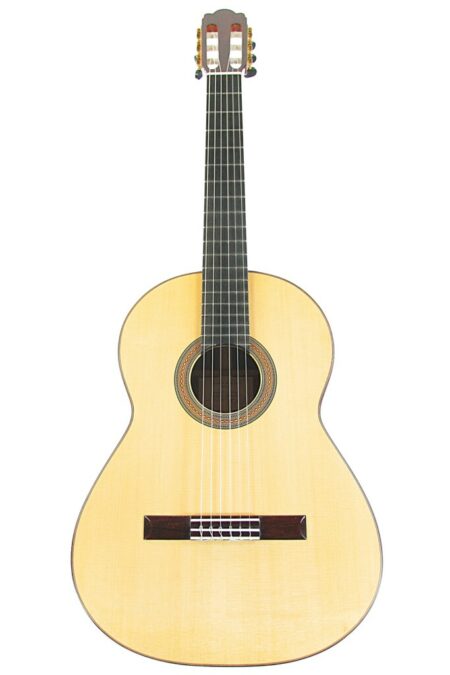
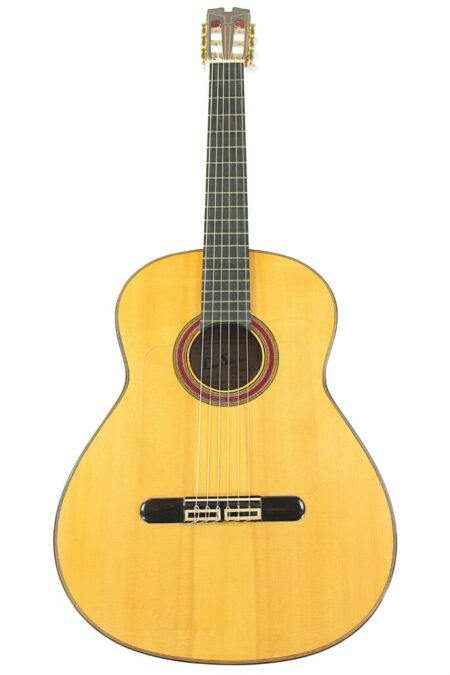
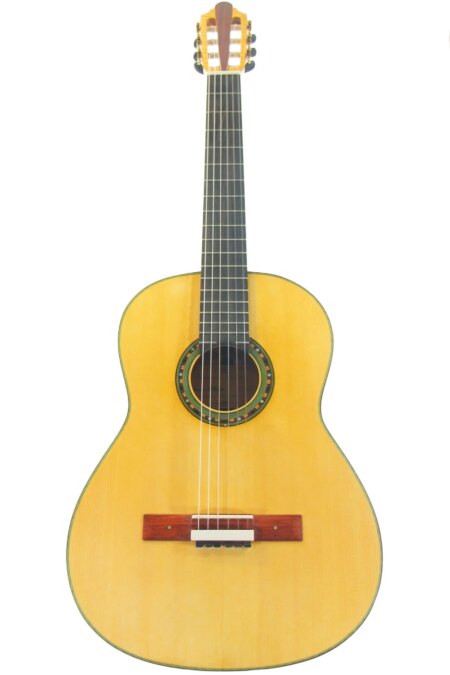
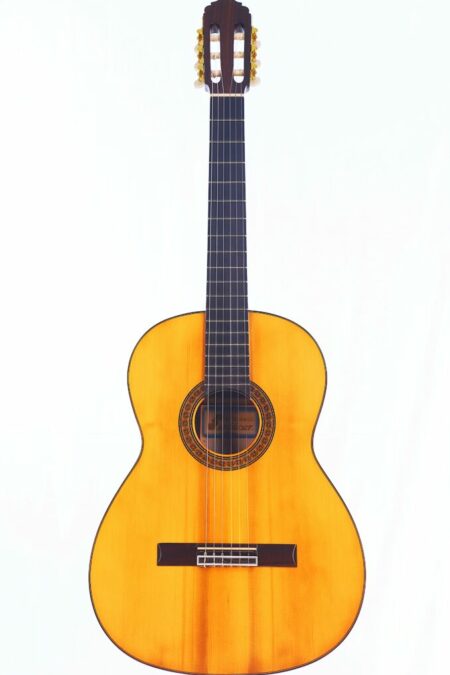
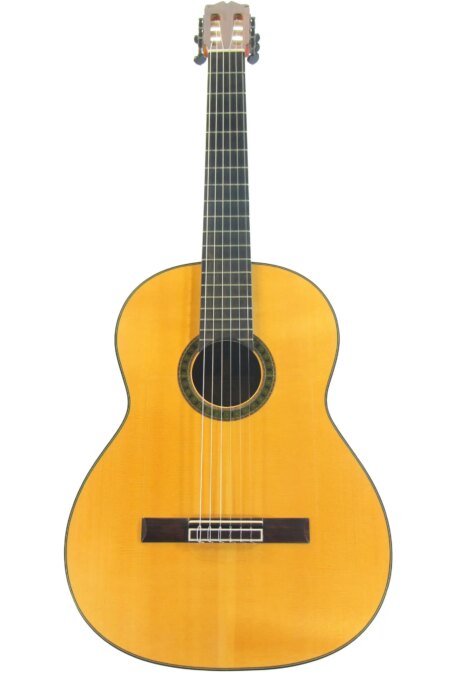
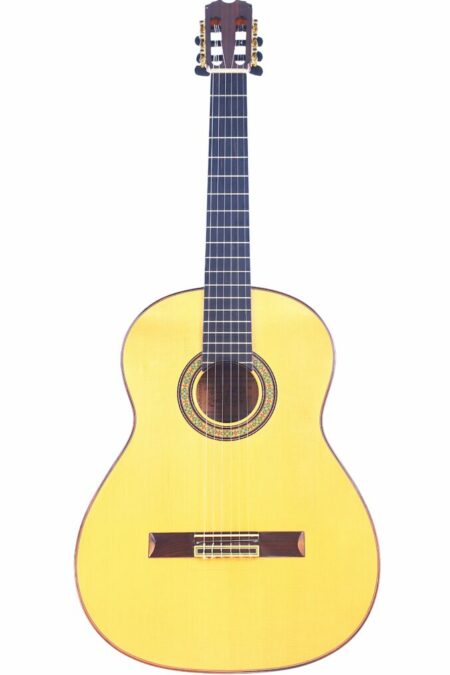
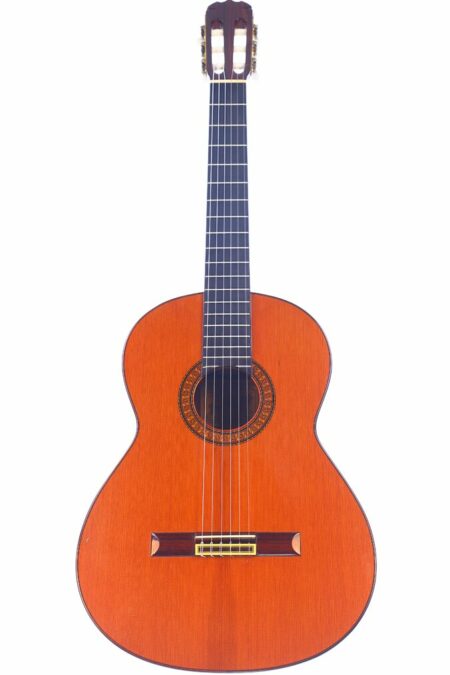
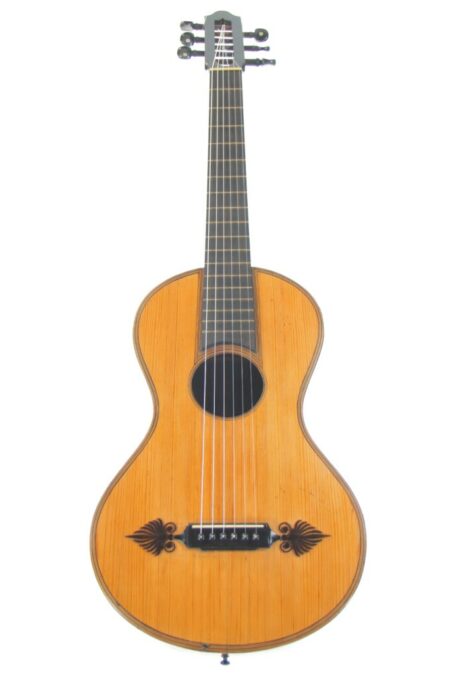
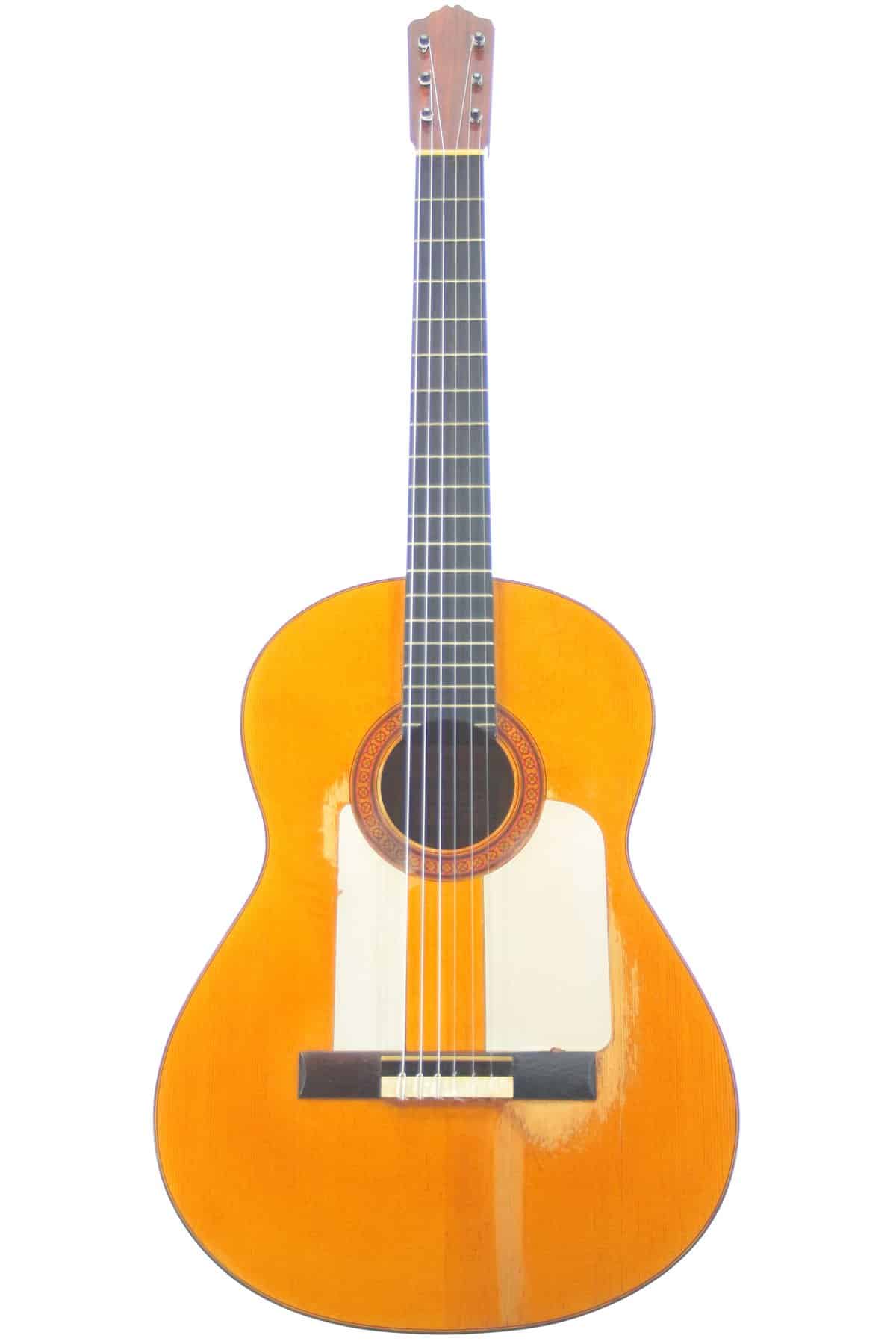
Classical guitars with a classic sound - discover & buy online now
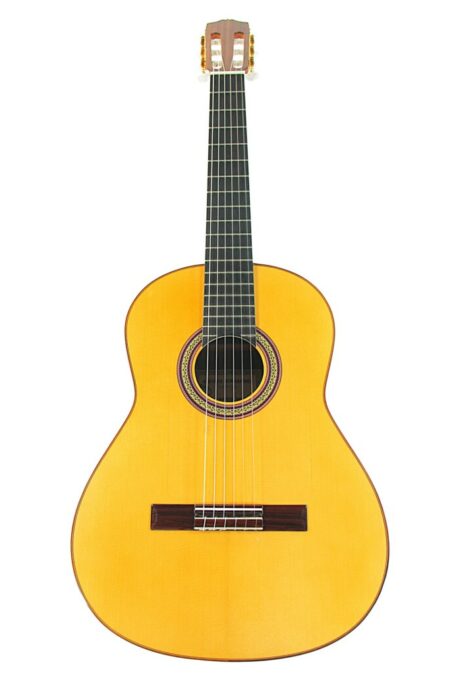
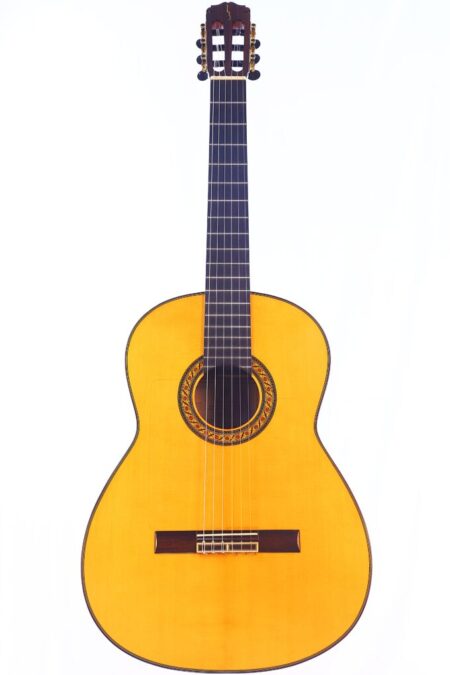
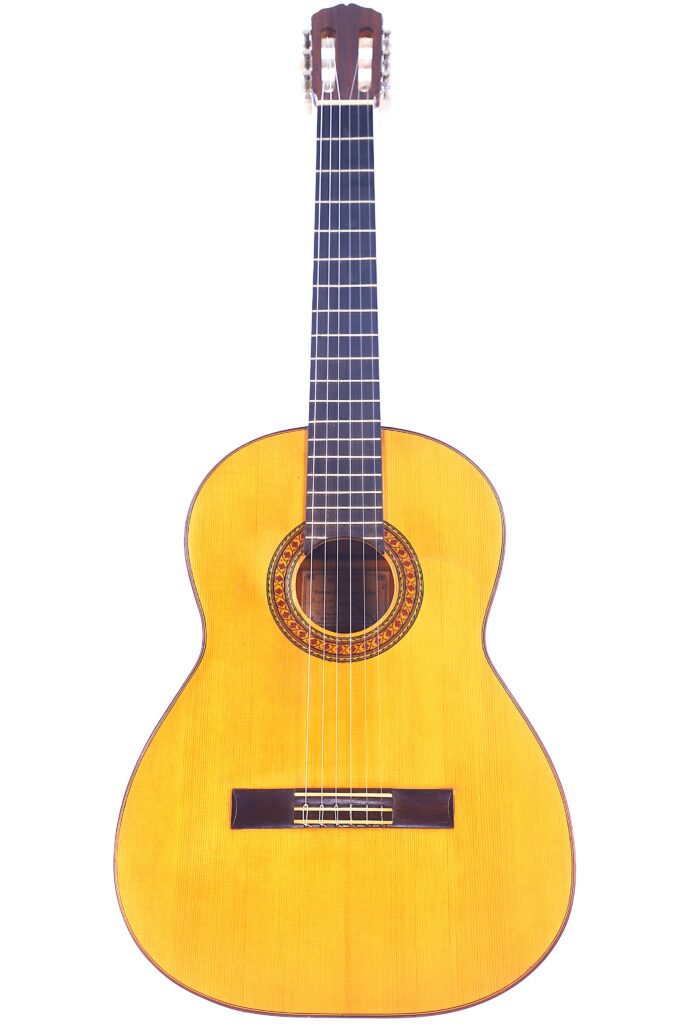
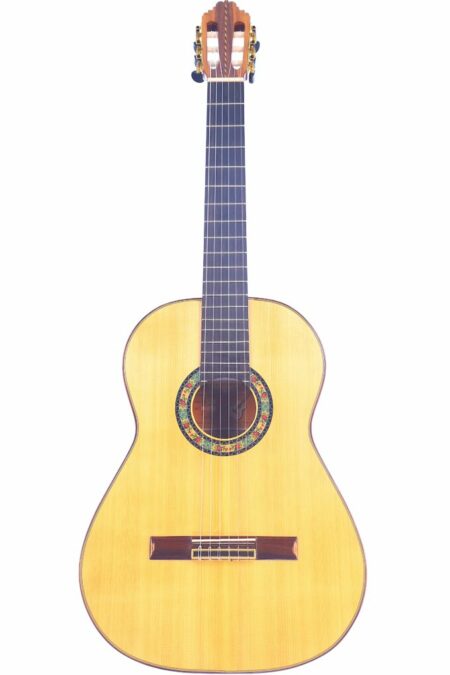
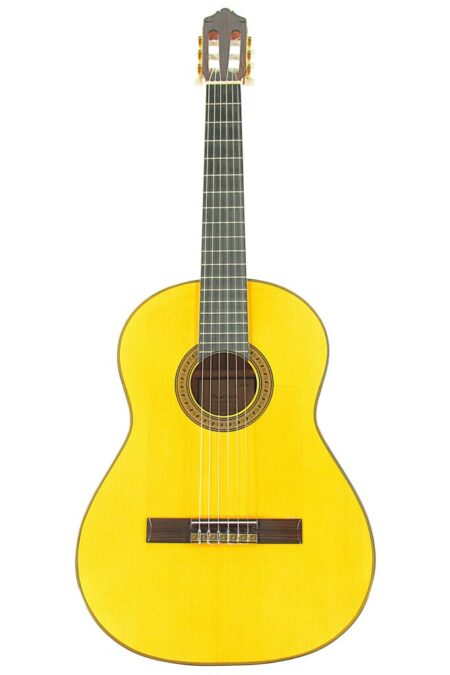
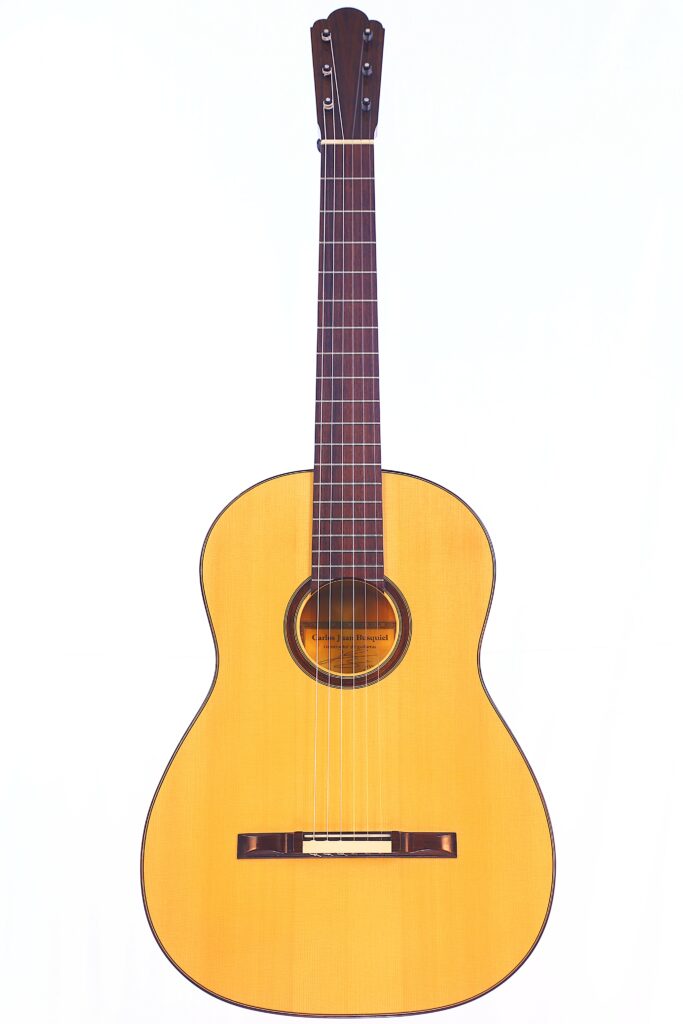
The classical guitar stands for soft sounds, warm resonance and a precise playing feel. Whether you are a beginner or an experienced guitarist, you will find hand-picked classical guitars made from fine woods such as spruce, cedar and rosewood. Classically equipped with nylon strings, they offer perfect playability and a balanced sound - ideal for classical music, fingerstyle, flamenco and more ...
Discover high-quality classical guitars online now & take your playing to a new level!
What is a classical guitar - and what makes it special?
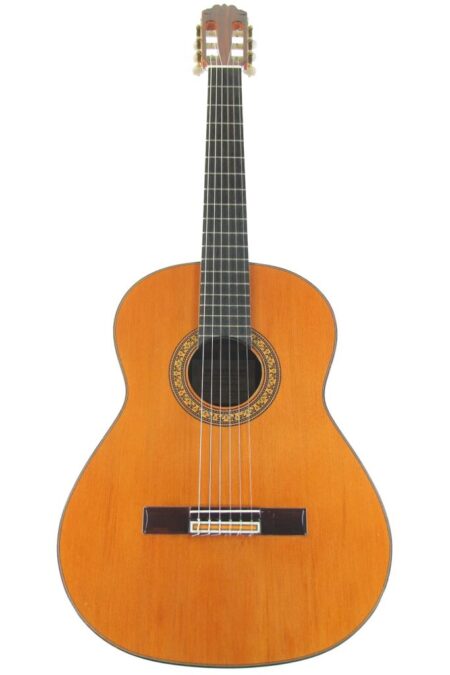
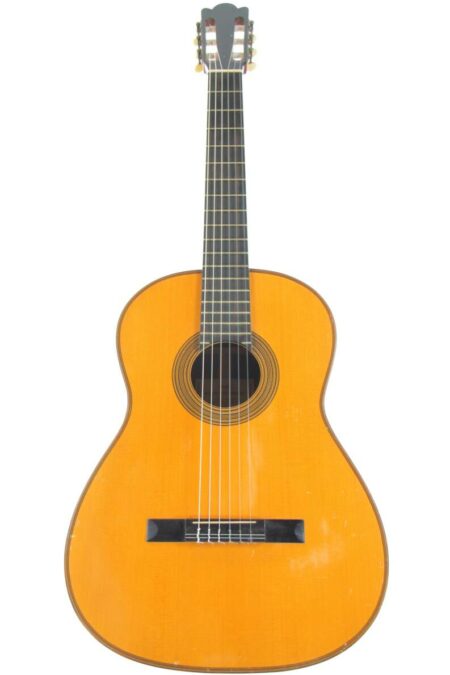
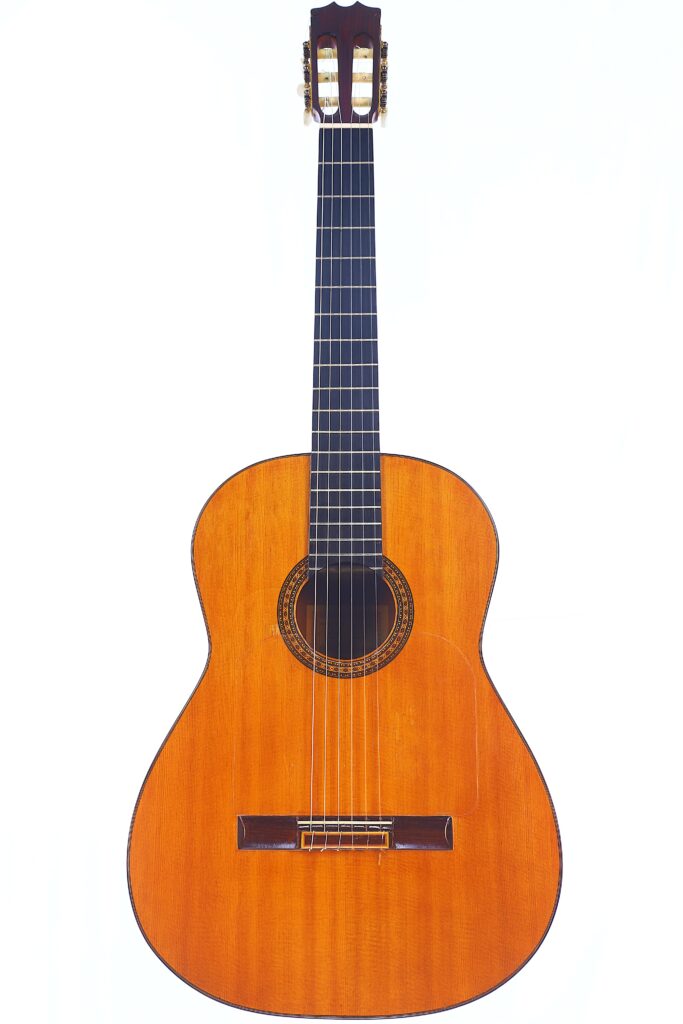
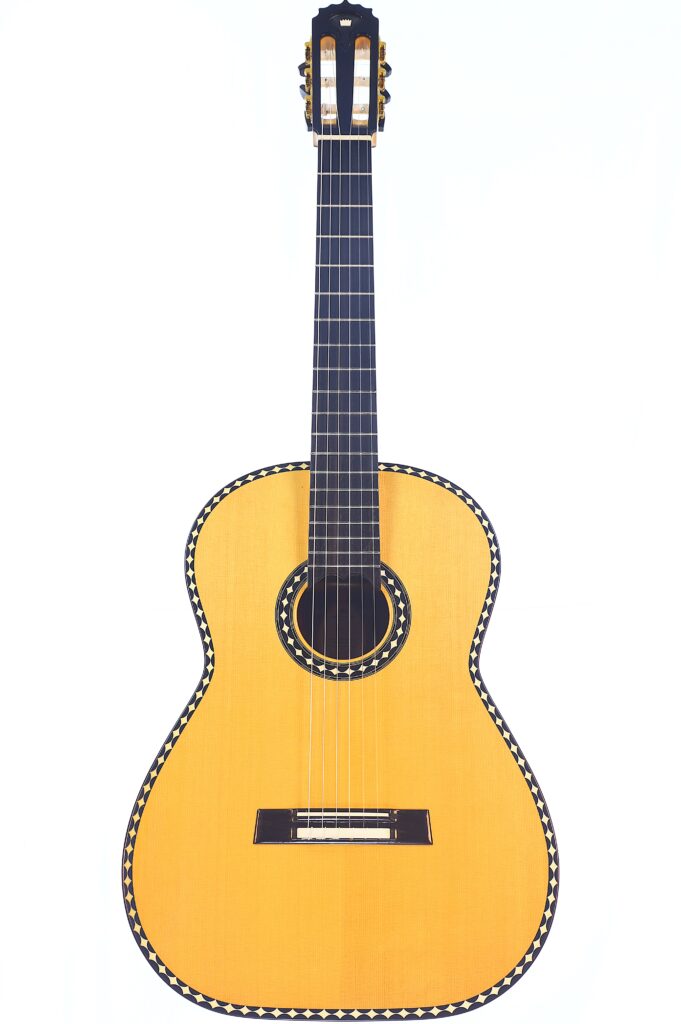
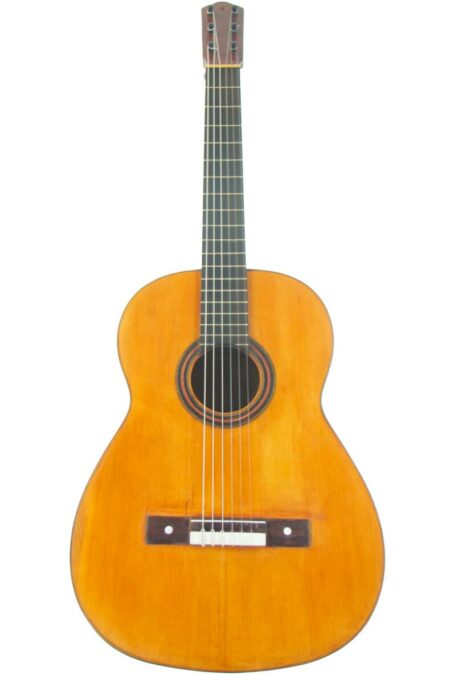
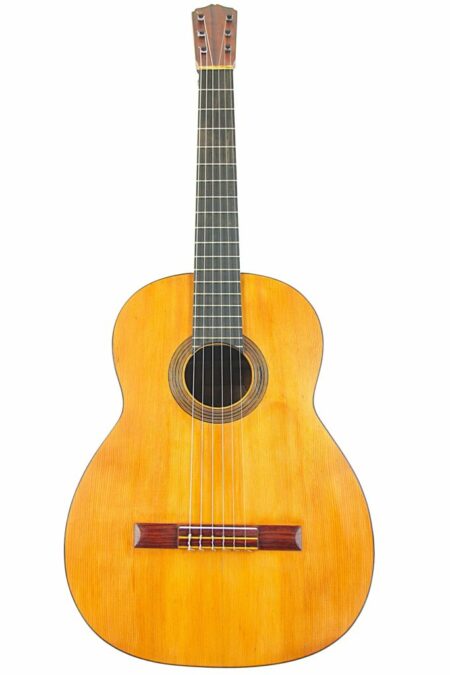
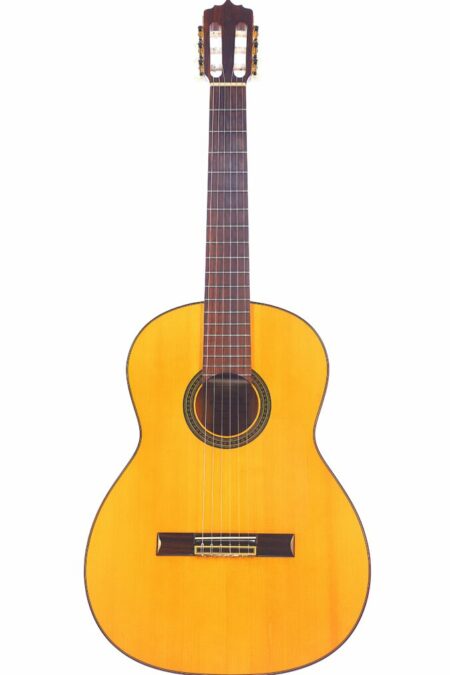
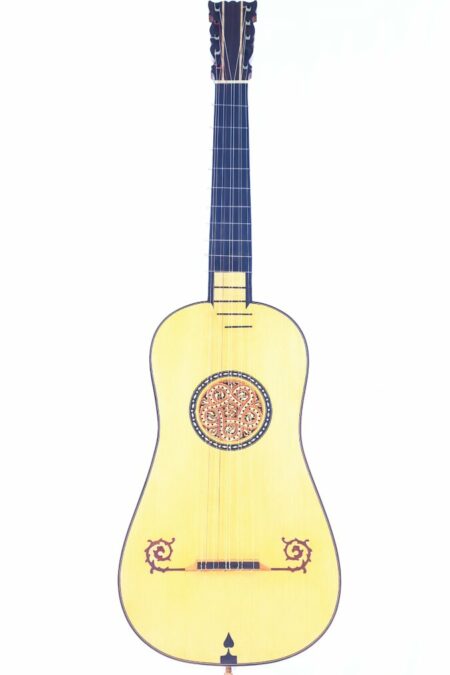
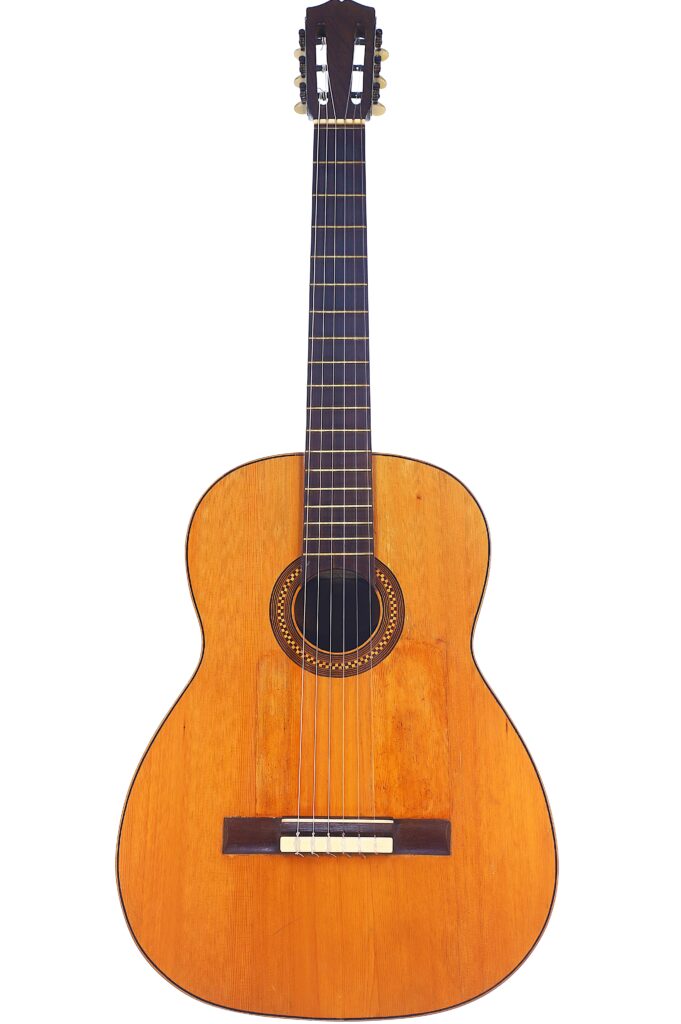
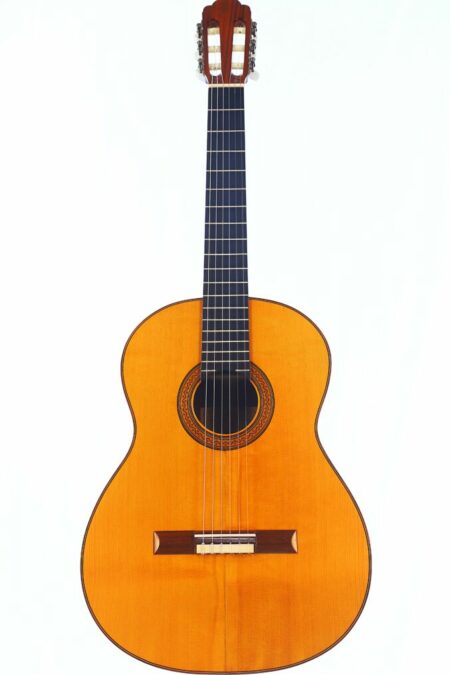
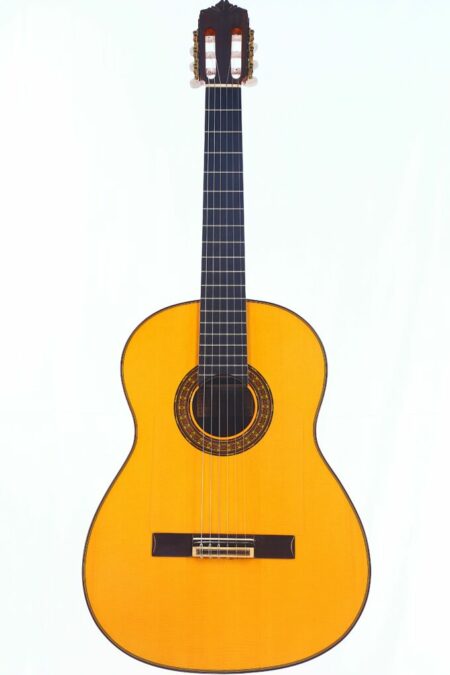
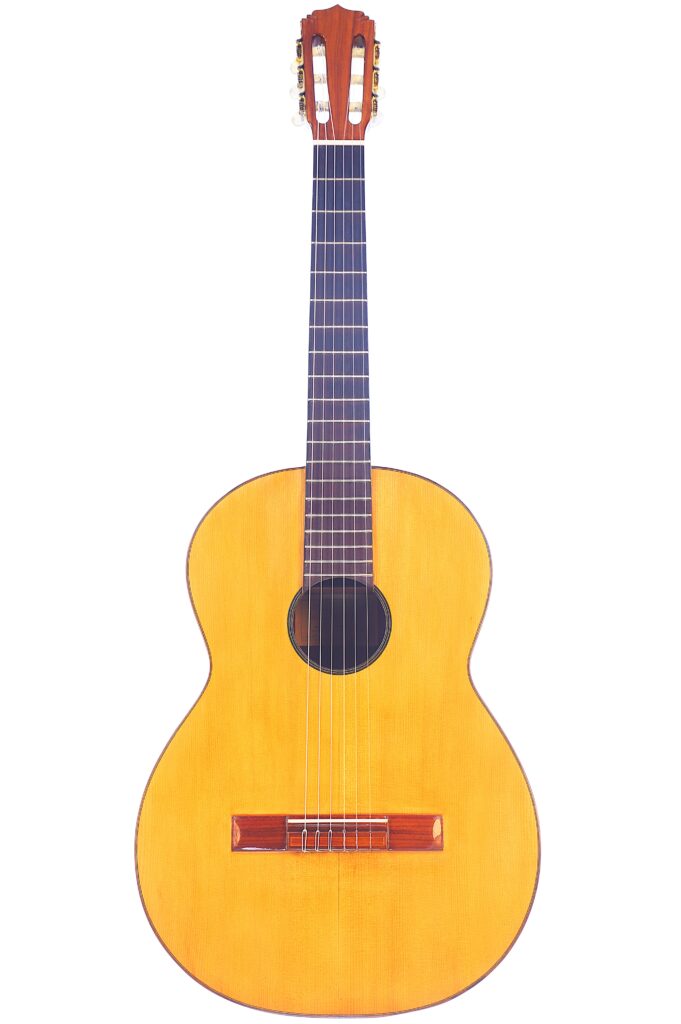
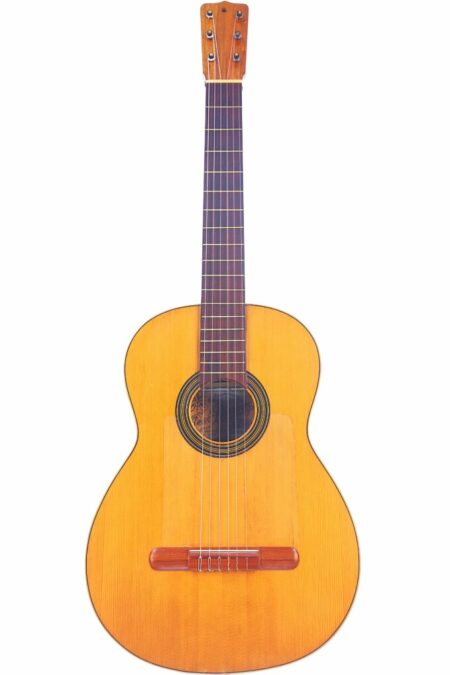
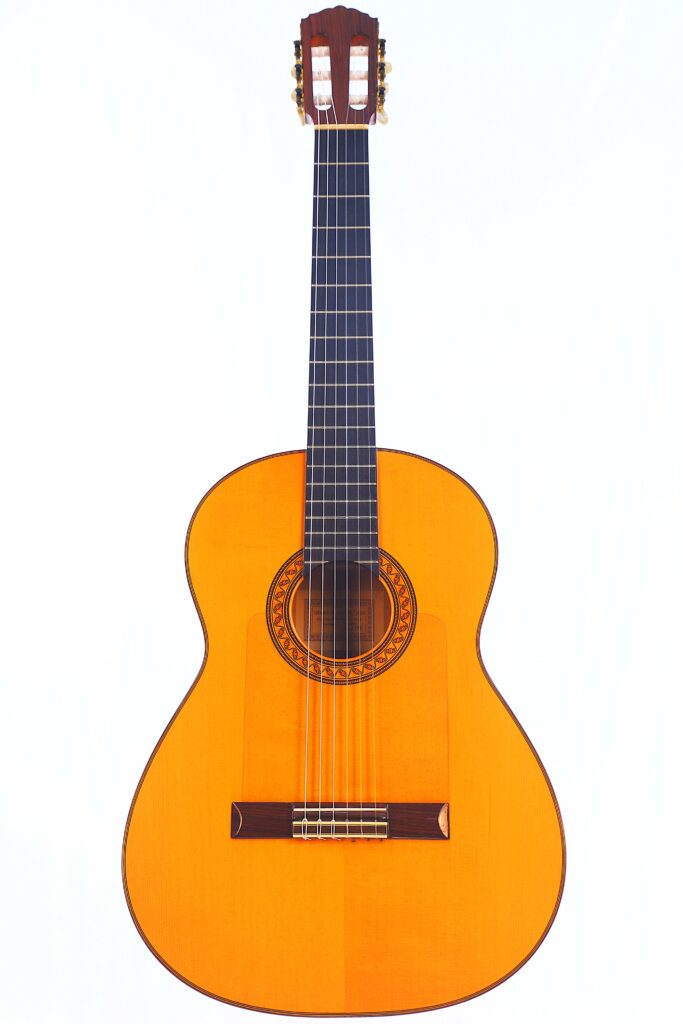
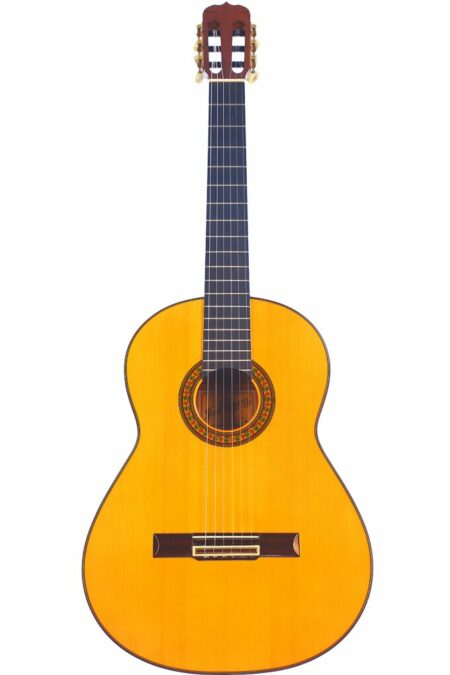
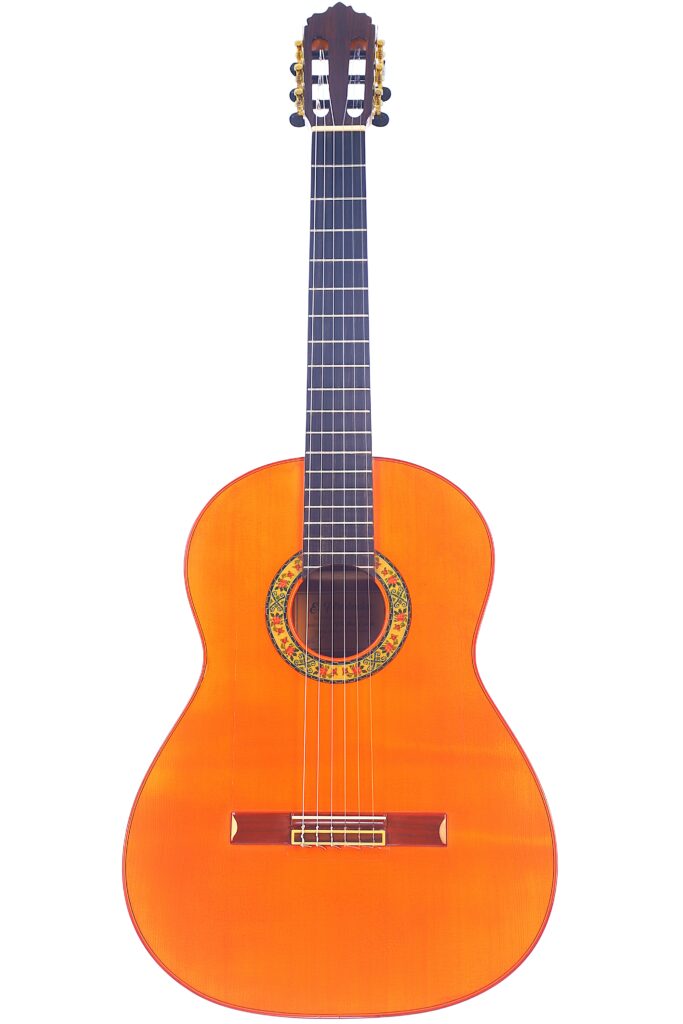
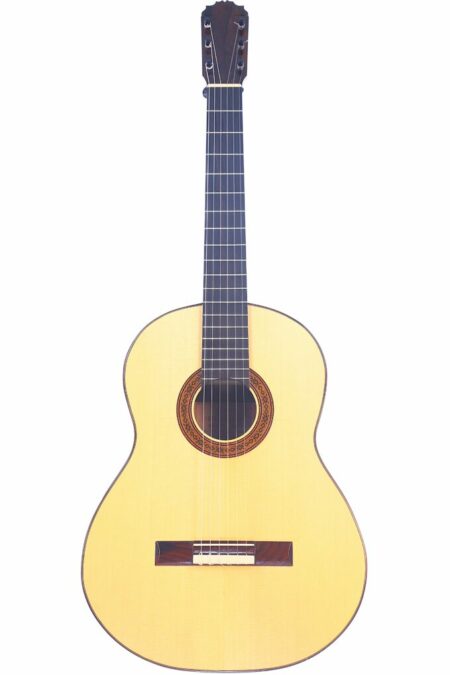
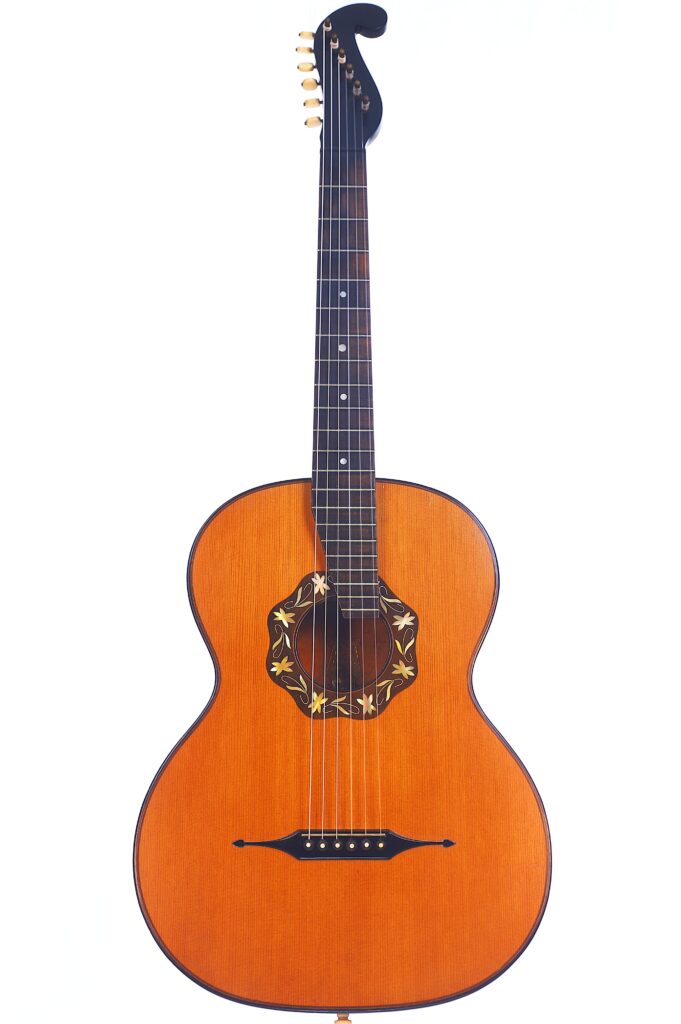
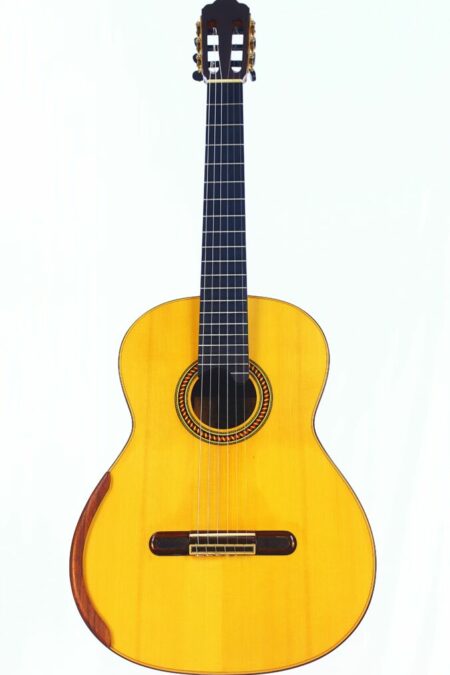
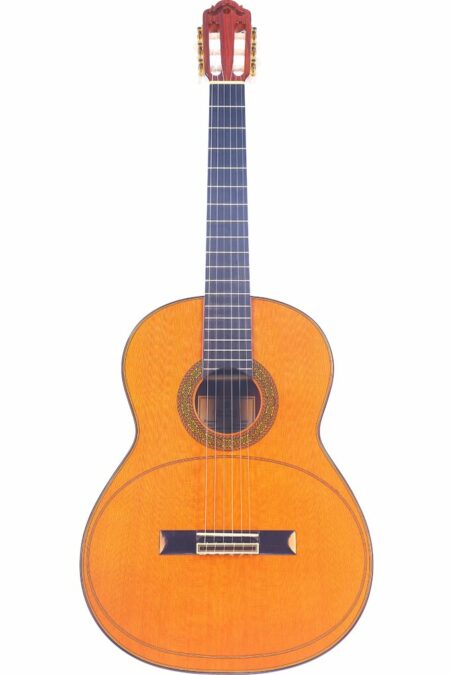
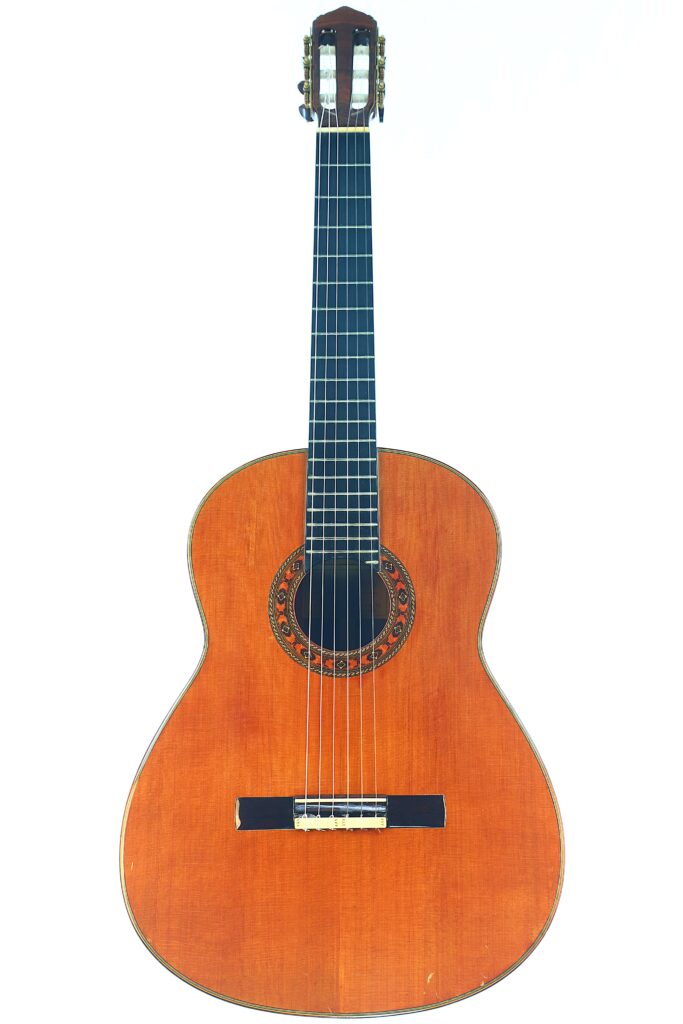
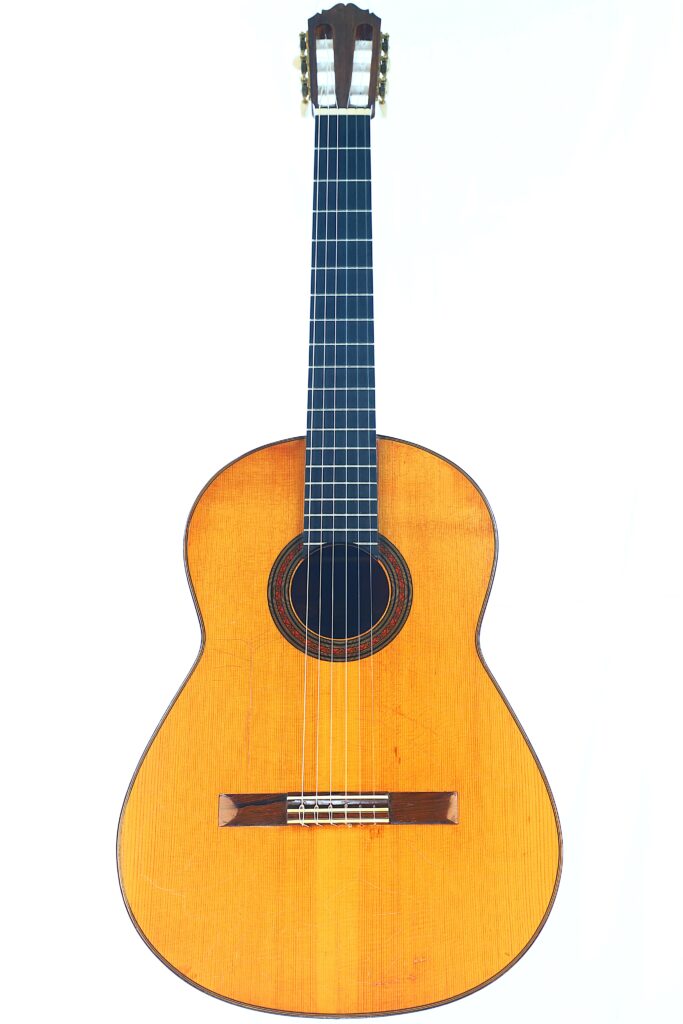
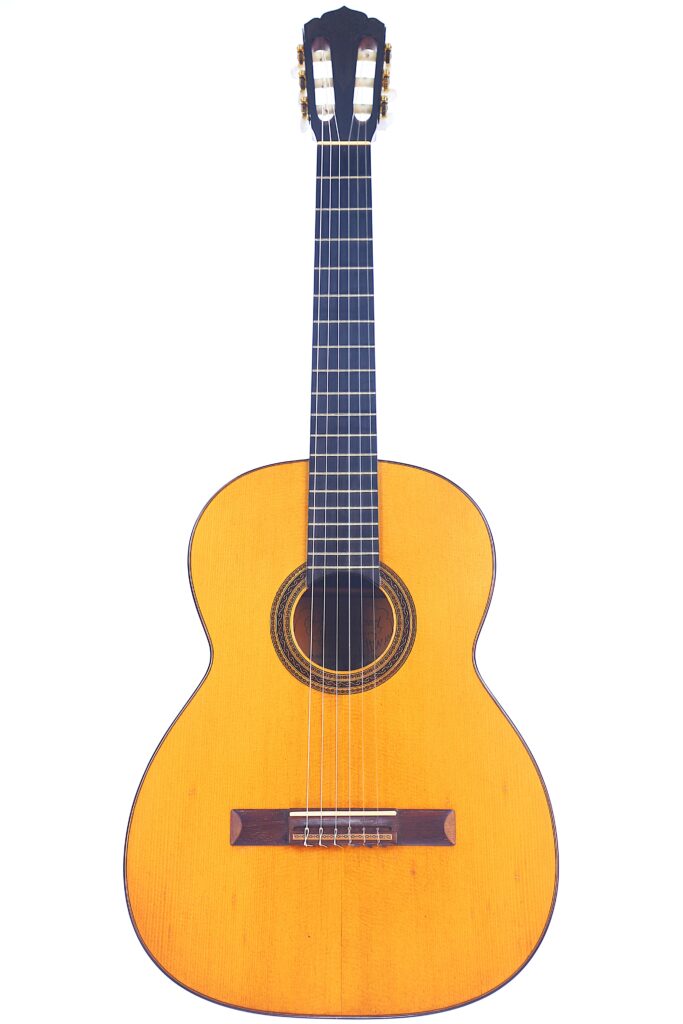
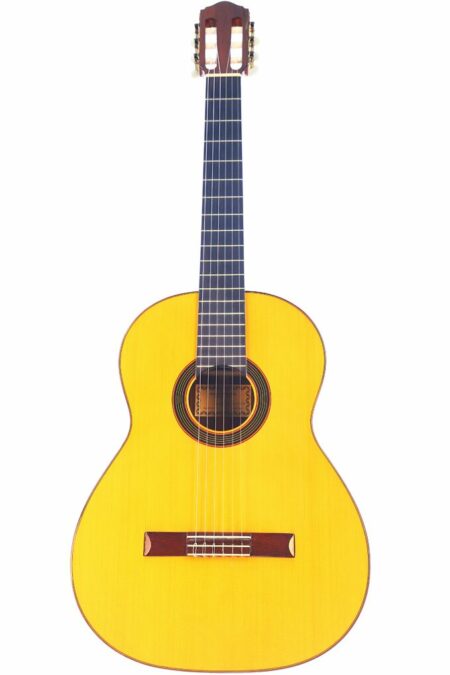
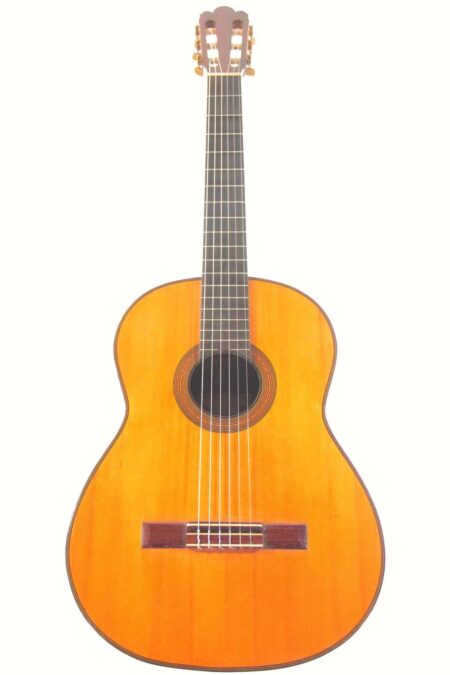
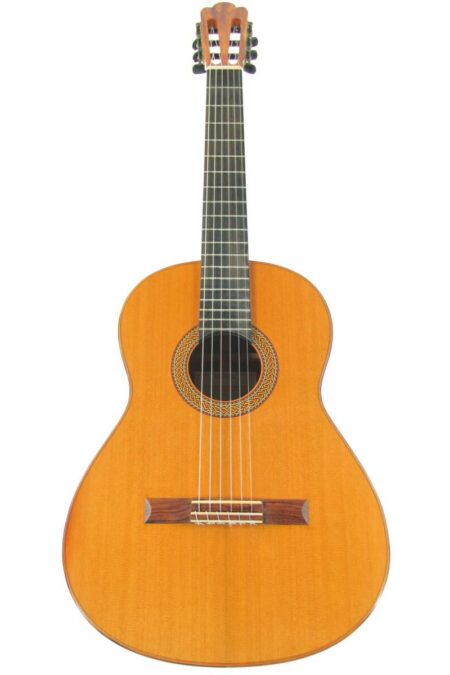
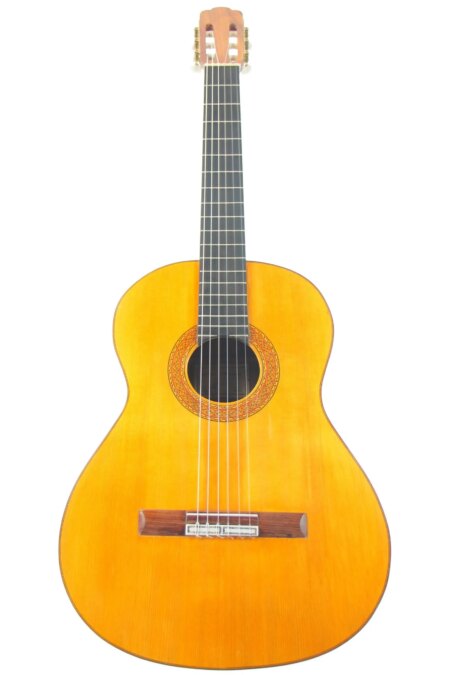
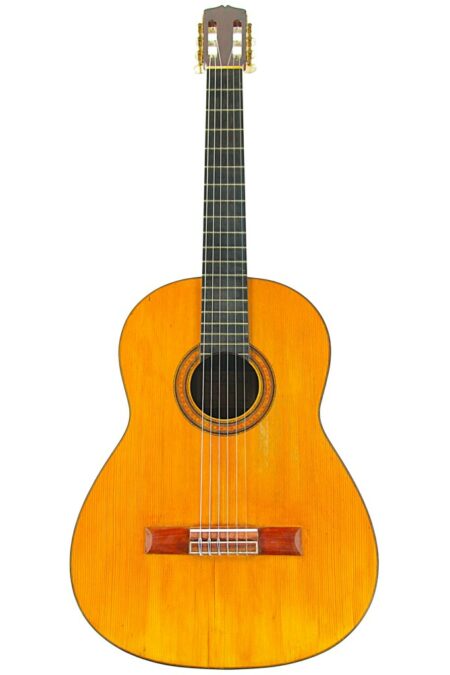
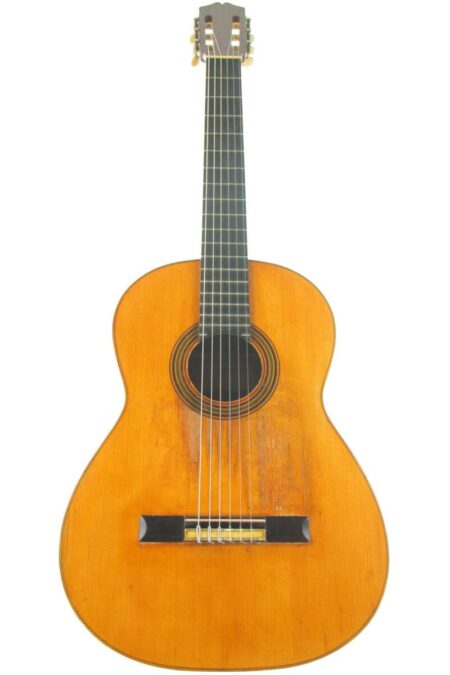
A concert guitar, often synonymous with the classical guitar is a high-quality stringed instrument that was specially developed for classical music, flamenco and fingerstyle. Typical features include the use of nylon strings, which produce a soft, warm sound, and a wider nut (often 52 mm), which gives players more space for complex finger techniques.
The scale length is usually 650 mm, which enables a balanced response and playability. The sound of the classical guitar is characterized by a harmonious balance, ideal for the aforementioned musical styles.
High-quality materials are used in the construction: the top is often made of spruce or cedar, while the back and sides are made of rosewood, maple or mahogany. This combination ensures a full, resonant sound and makes the classical guitar a preferred instrument for discerning musicians.
Classical concert guitar vs. acoustic and acoustic guitar
Differences in sound & feel
The classical concert guitar, equipped with nylon strings, offers a warm, soft sound that is ideal for classical music, flamenco and fingerstyle. Its playing feel is characterized by the wider fingerboard and smooth response.
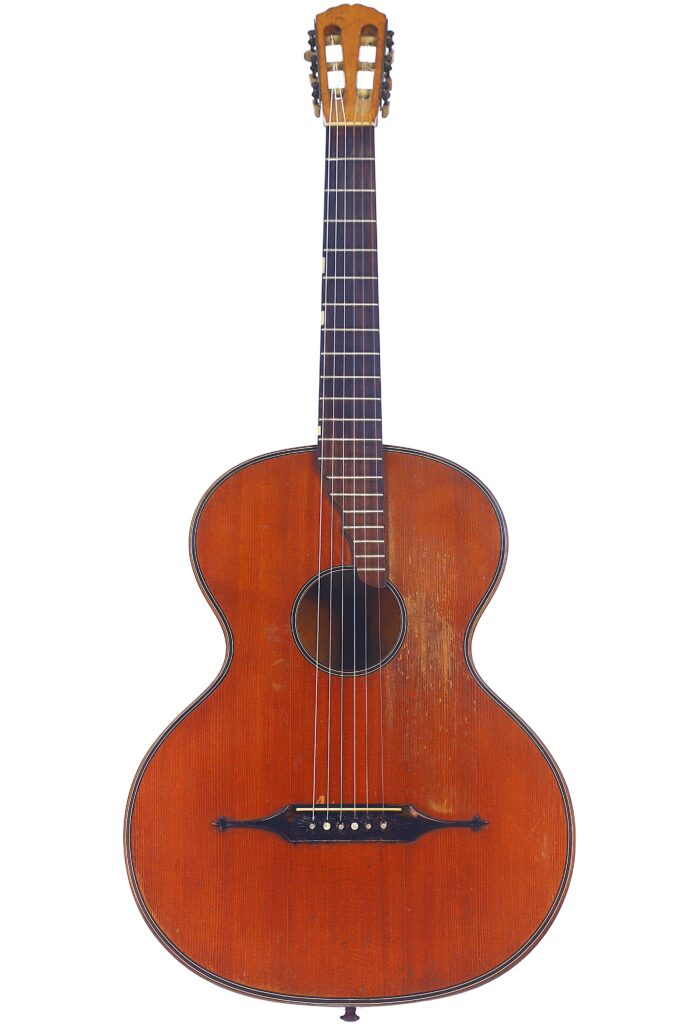
In contrast, the Acoustic guitar (also Western guitar ) steel strings that produce a brighter, louder sound. These guitars are versatile and suitable for folk, rock and pop, often with a slimmer fingerboard and a different construction that promotes a dynamic playing feel.
Which type of guitar is suitable for whom?
The classical concert guitar is perfect for musicians who focus on classical techniques and styles. It is ideal for beginners who want to learn the basics of guitar playing.
Acoustic and acoustic guitars, on the other hand, are suitable for players who want to explore a wider range of musical styles and are often active in bands or songwriting.
The types of wood used to make classical guitars are crucial to the sound and playability. Spruce is popular for the top as it provides a clear, projecting sound, while cedar offers a warm, voluminous tonality.
Rosewood and mahogany are commonly used for back and sides; rosewood provides rich, complex tones, while mahogany produces a warm, resonant tone. Maple is often used to achieve a brighter sound, and ebony, often used for fingerboards, offers excellent playability and durability.
The workmanship of the materials and the quality of the machine heads are also important. High-quality machine heads ensure precise tuning and contribute to the sound development of the classical guitar, making it a preferred instrument for professional musicians.
Which classical guitar suits you?
Choosing the right classical guitar depends on your level of experience and musical style. Lightweight models with nylon or hybrid strings are ideal for beginners, as they are gentler on the fingertips and offer a lower string tension. Look for a standard size that works well for most players.
Advanced players could choose a guitar with a larger top surface and higher string tension to achieve more sound volume and projection. Models with different shapes, such as a cutaway guitar, offer better access to higher frets.
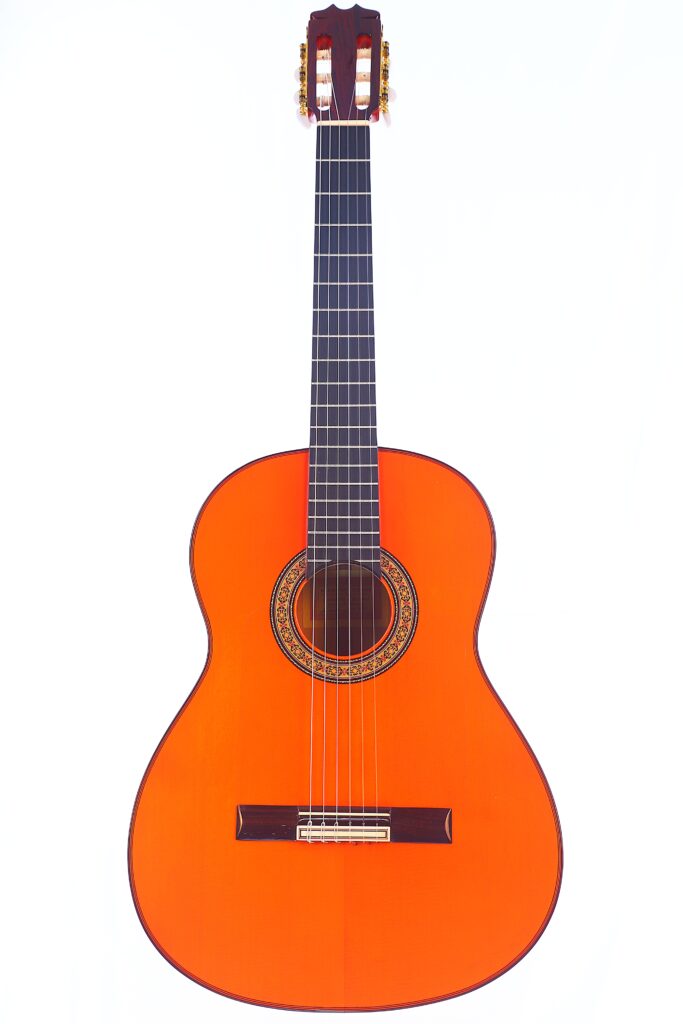
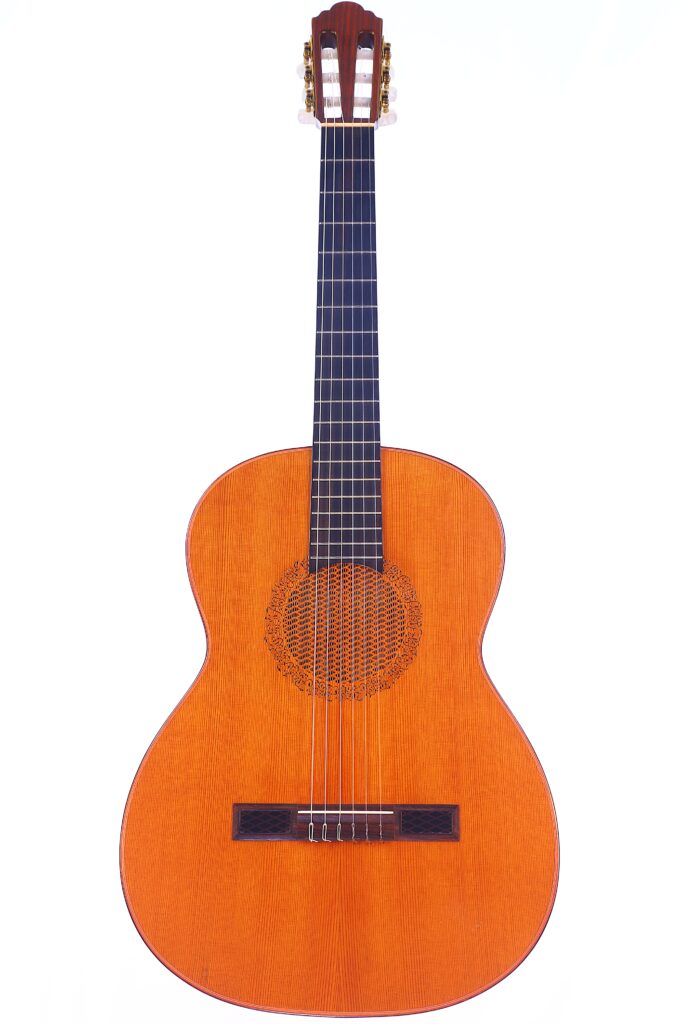
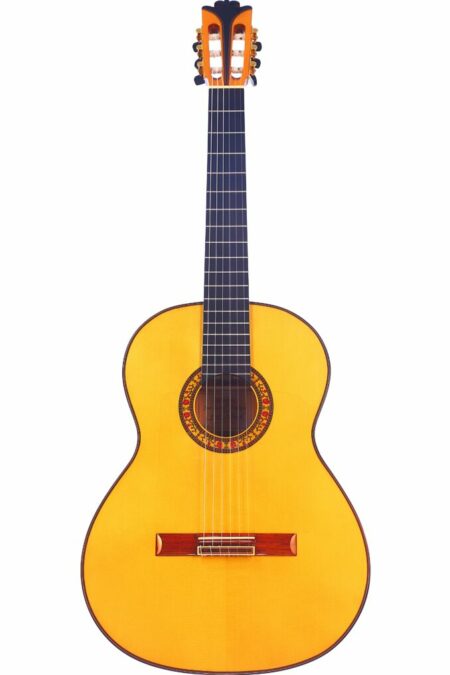
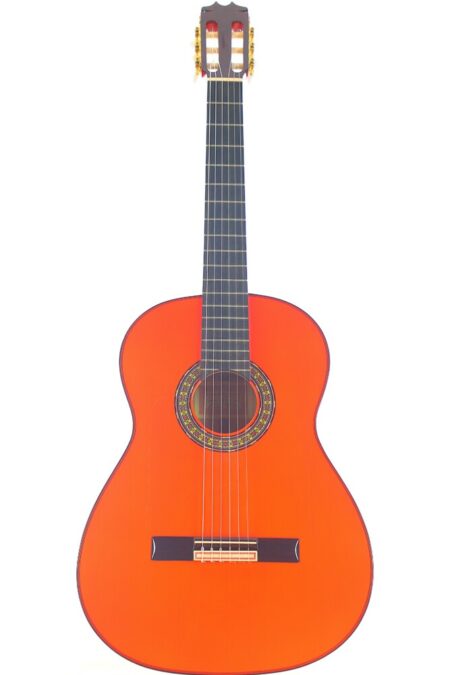
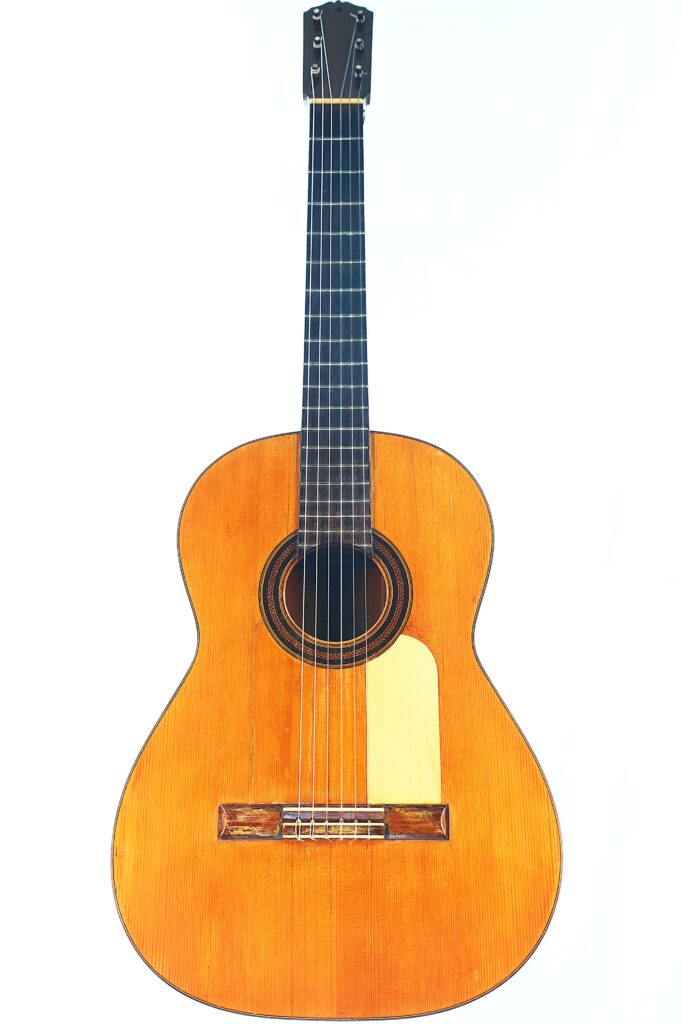
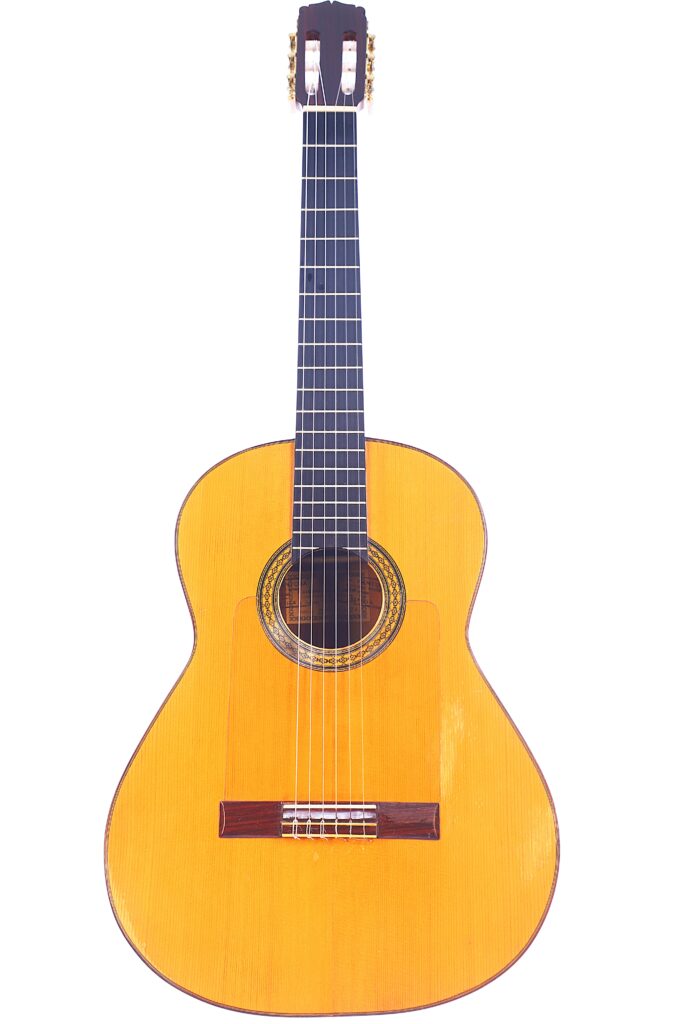
Professionals should look for custom-made instruments with high-quality woods and precise workmanship to support their individual sound and playing style. Also consider your musical style: flamenco guitars are often built differently to classical concert guitars. Try out different models to find the best feel and sound for you.
Frequently asked questions
Question
Answer
What is the difference between an acoustic guitar and a concert guitar?
The acoustic guitar usually uses steel strings and has a brighter sound, while the classical guitar has nylon strings that produce a warmer, fuller tone.
Which is easier to play - acoustic guitar or electric guitar?
The Electric guitar often has thinner strings and is easier to play, especially for playing chords and solos. The acoustic guitar requires more finger strength.
Which guitar shape is the best?
The best guitar shape depends on your playing style and preferences. Concert guitars often have a classic shape, while acoustic guitars have wider bodies.
Spanish guitar, Classical guitar or concert guitar - are these terms synonymous?
Yes, these terms are often used interchangeably as they refer to similar instruments used for classical music.
Tuner, footrest, music stand etc. - What accessories do I need?
A tuner is important to ensure that your guitar is always in tune. A footrest and music stand are useful for comfort and organization while playing. There are many other practical accessories.
Is a guitar case good for my guitar?
Yes, a guitar case protects your guitar from knocks, moisture and temperature fluctuations. A hard case offers the best protection, while a gig bag is lighter and more portable.
Is a concert guitar only for concert guitarists?
No, a classical guitar can be used by musicians of all levels and styles. It is ideal for classical music, but is also well suited to flamenco and fingerstyle.