
Elvis Presley: The King of Rock ‘n’ Roll and His Iconic Guitars
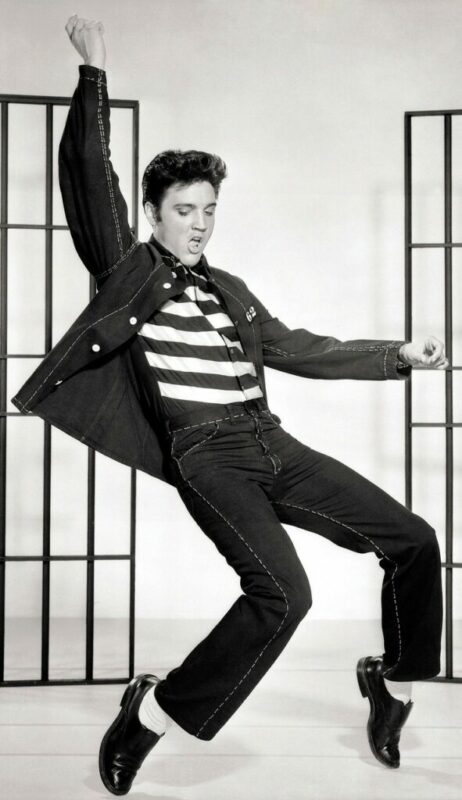
Elvis Presley, often hailed as the King of Rock ‘n’ Roll, remains one of the most influential figures in music history. His unique voice, charismatic stage presence, and trailblazing style left an indelible mark on the world of entertainment. In this article, we delve into the life and legacy of Elvis Presley, with a special focus on the guitars that accompanied him on his journey to stardom.
Early Life and Musical Beginnings
Born on January 8, 1935, in Tupelo, Mississippi, Elvis Aron Presley grew up in a modest household. His love for music was apparent from a young age, influenced by the gospel songs he heard at church and the blues and country music prevalent in the South. At the age of 11, Elvis received his first guitar, a gift from his mother, which ignited his passion for music.
Rise to Fame
Elvis Presley burst onto the music scene in the mid-1950s, a time when America was ready for a cultural revolution. His first major hit, “Heartbreak Hotel,” released in 1956, catapulted him to national fame. With his signature blend of rockabilly, rhythm and blues, and country, Elvis captured the hearts of millions and became a symbol of youthful rebellion.
The Guitars of Elvis Presley
Throughout his career, Elvis Presley played several iconic guitars, which became an integral part of his image and sound. Among the most notable were his Martin and Gibson guitars, each contributing to the legendary status of the King of Rock ‘n’ Roll.
Martin Guitars
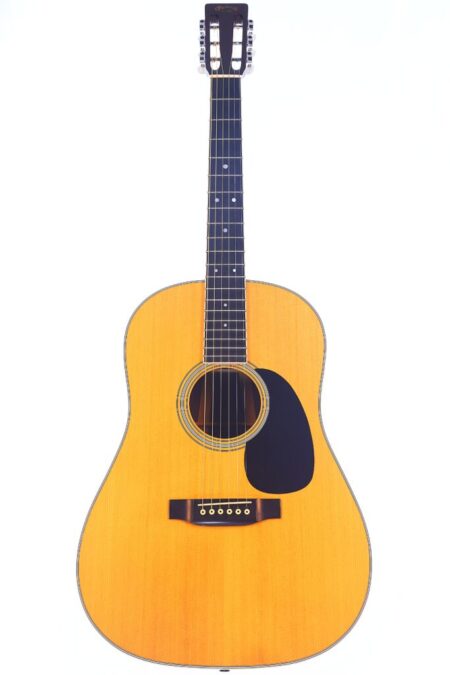
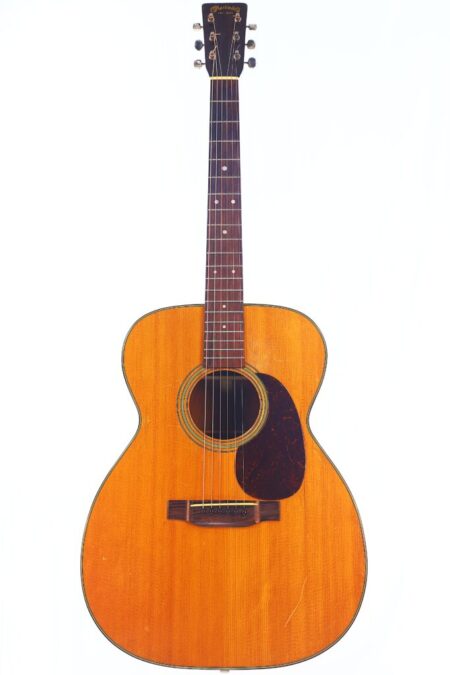
Elvis often played Martin guitars, known for their rich tone and exceptional craftsmanship. One of his most famous Martin guitars was the 1942 Martin D-18, which he used during his early performances. The D-18’s warm, resonant sound complemented Elvis’s voice perfectly, making it a staple in his musical repertoire.
Another noteworthy Martin guitar was the Martin D-28. Elvis played this model during his iconic “Aloha from Hawaii” concert in 1973, a performance that was broadcast live via satellite to an audience of over a billion people. The D-28’s powerful projection and balanced tone made it an ideal choice for such a historic event.
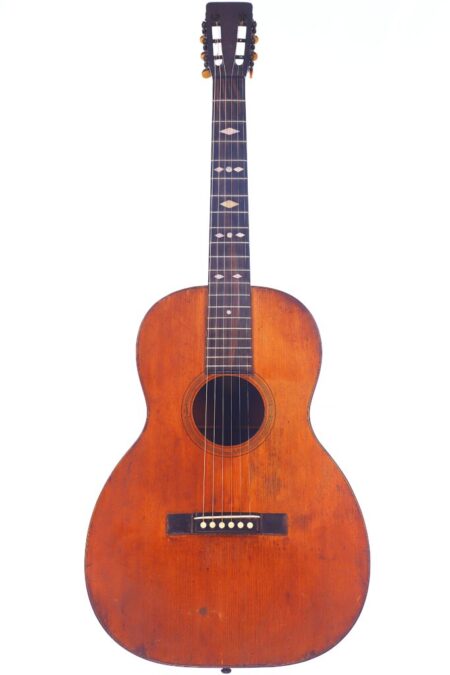
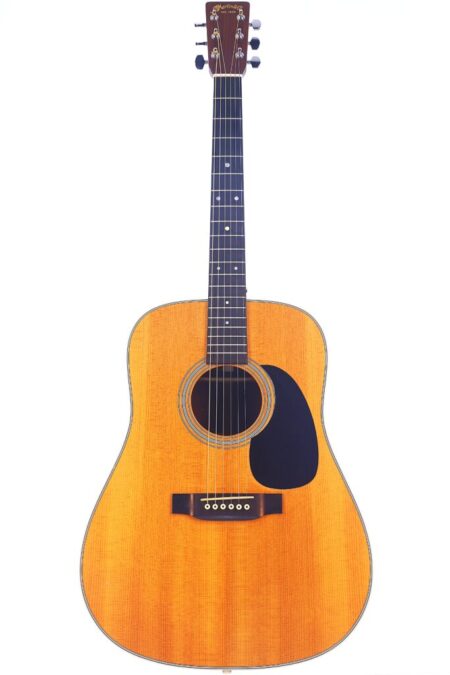
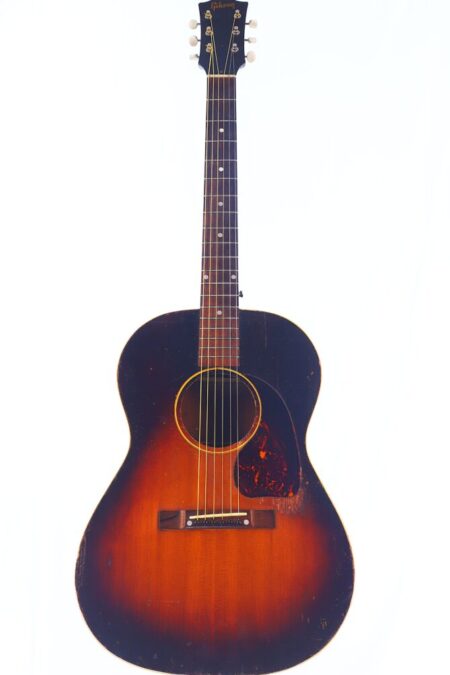
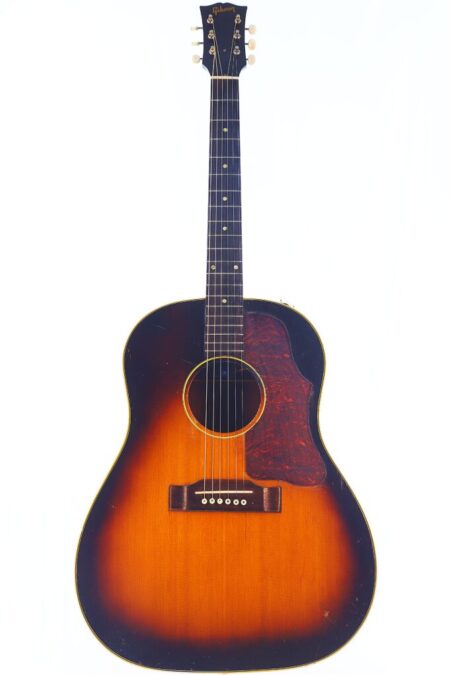
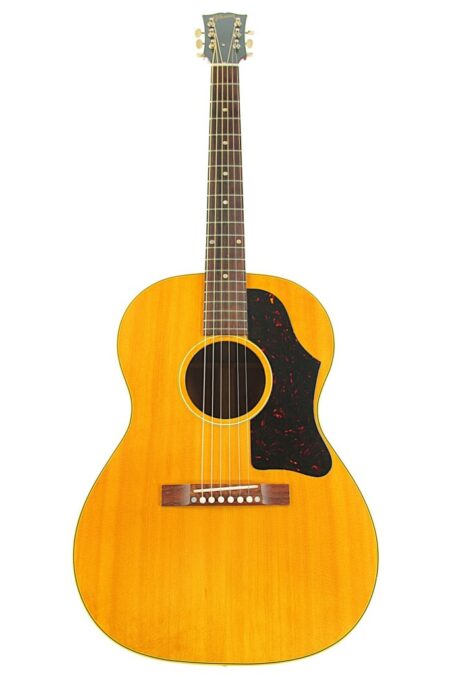
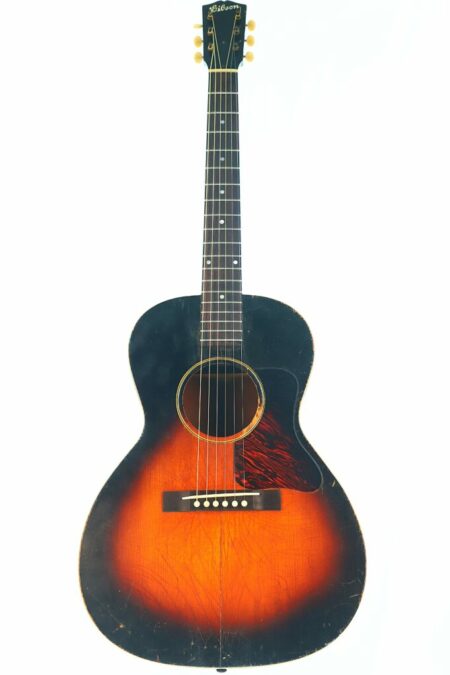
Martin Guitars for sale:
Cultural Impact and Legacy
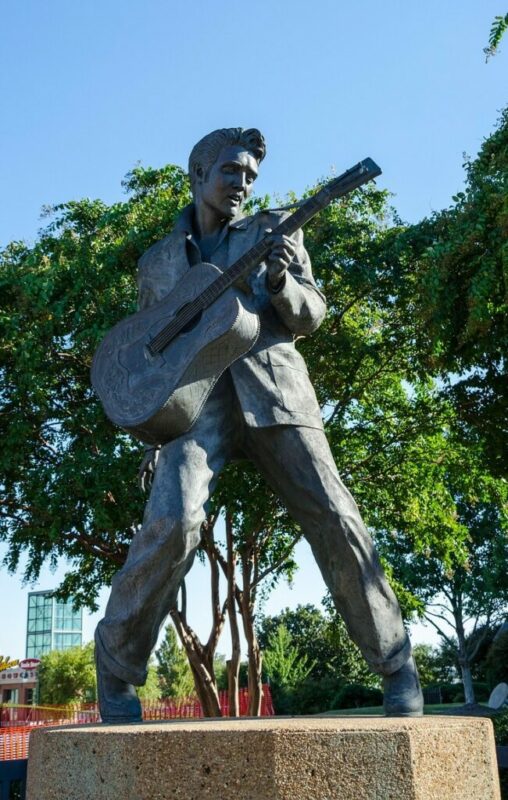
Later Years and Enduring Influence
Conclusion
Elvis Presley’s influence endures, reminding us of the power of music to transcend time and bring people together. His legacy as a cultural icon and musical pioneer will continue to inspire generations to come.
Jailhouse Rock Music Video:

Mit dem Laden des Videos akzeptieren Sie die Datenschutzerklärung von YouTube.
Mehr erfahren