
Domingo Esteso: A Master Craftsman in the History of Spanish Guitar
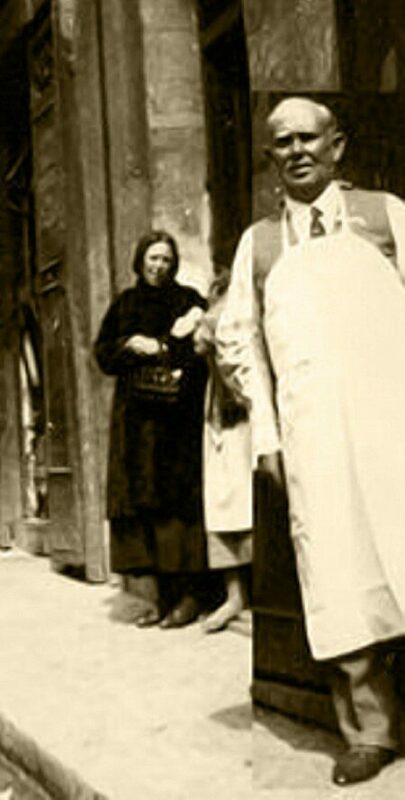
Domingo Esteso stands as a monumental figure in the history of Spanish guitar craftsmanship. Known for his impeccable workmanship and outstanding tonal qualities, Esteso’s legacy in the world of lutherie is revered and celebrated by musicians and collectors alike. His journey from an apprentice to a master craftsman reflects not only his personal dedication but also the broader evolution of Spanish guitar-making during a pivotal era.
Early Beginnings and the Madrid School
Domingo Esteso began his illustrious career as an apprentice in the workshop of the esteemed Manuel Ramírez. Ramírez, a pivotal figure in the history of the Spanish guitar, was one of the founders of the Madrid School of guitar construction. This school became synonymous with superior craftsmanship and innovative design in guitar making. Esteso’s time at Ramírez’s workshop was foundational, not only for his skill development but also for the connections he forged with other legendary luthiers like Santos Hernández and Enrique García. Together, they emerged as the most notable disciples of Manuel Ramírez, transforming the Madrid School into a beacon of quality and artistry.
Establishing His Own Legacy
With the death of Manuel Ramírez, Esteso continued to work in the workshop, adding his name to guitar labels and gradually building his reputation. However, it was in 1915 that Domingo Esteso truly set out to establish his legacy. Together with his wife Nicolasa Salamanca, who expertly handled the varnishing of the guitars, Esteso opened his own workshop at Nº 7 Gravina Street in the heart of Madrid. This marked the most prolific period of his career, characterized by guitars of unmatched beauty and sound quality.
During this period, Esteso’s guitars gained international acclaim, particularly in the Argentine market. The political and economic challenges in Spain at the time, coupled with the high demand for quality instruments, prompted Esteso to design special labels for Romero y Fernández of Buenos Aires. These labels signified a unique collaboration and were a testament to the global appeal of Esteso’s craftsmanship.
The Conde Family Tradition
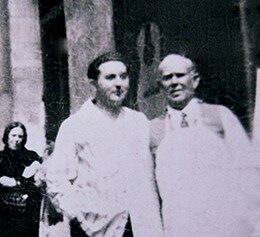
In 1926, a new chapter began with the entry of Esteso’s nephew, Faustino Conde, into the workshop as an apprentice. This was followed three years later by the apprenticeship of Mariano Conde, marking the beginning of a family tradition in guitar making. Under Esteso’s meticulous guidance, Faustino and Mariano mastered the intricate art of guitar construction, learning both the trade and the artistic sensibilities necessary to create instruments of distinction.
This period represented the transmission of skills and knowledge from the first to the second generation of luthiers in the Conde family. Esteso’s influence extended beyond his own lifetime, embedding a deep respect for craftsmanship and innovation within the family’s ethos.
Challenges and Legacy
Domingo Esteso’s career was not without its challenges. The Spanish Civil War created a tumultuous environment that affected all aspects of life, including the arts. Esteso continued to construct guitars until his death in 1937, which occurred amidst the hardships of the war. His passing, attributed to a respiratory illness exacerbated by drafty workshop conditions and a scarcity of medical supplies like penicillin, marked the end of an era.
Despite these difficulties, Esteso’s legacy endured. The construction of guitars under his name continued on a smaller scale until 1939, preserving his standards of quality and excellence. His contributions to guitar making are not merely historical footnotes; they represent a transformative period in Spanish lutherie that set the standard for future generations.
Domingo Esteso Guitars at Vintage Guitar World
Explore the timeless elegance and unmatched craftsmanship of Domingo Esteso guitars available in our shop at Vintage Guitar World. Each instrument embodies the rich tradition and exquisite artistry that Esteso is renowned for, offering musicians a unique blend of historical significance and superior sound quality. Whether you are a collector or a dedicated player, owning a Domingo Esteso guitar means possessing a piece of guitar-making history, cherished for its beautiful tone and impeccable construction.
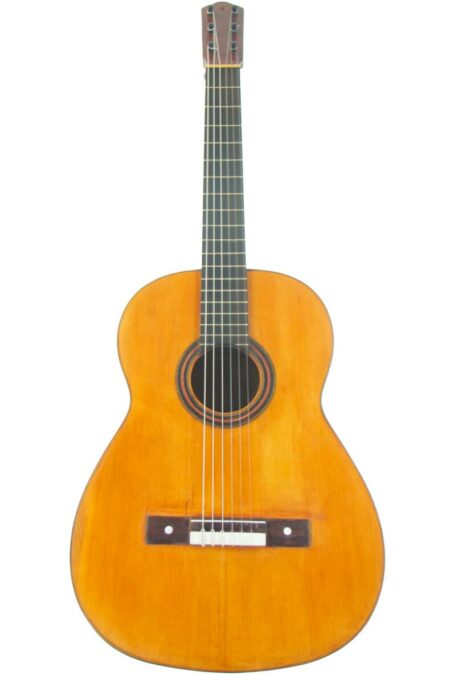
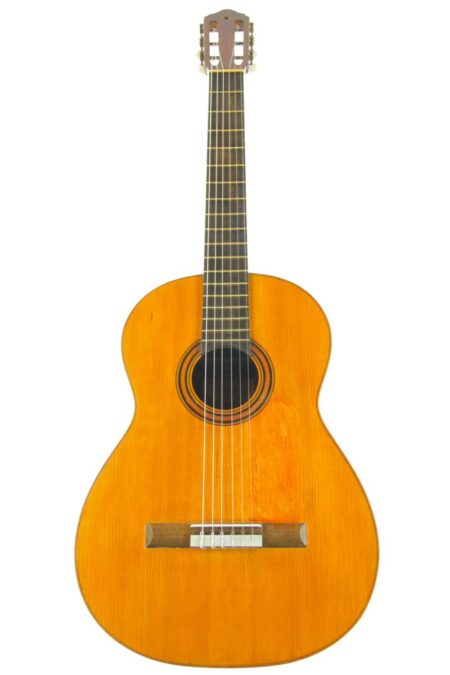
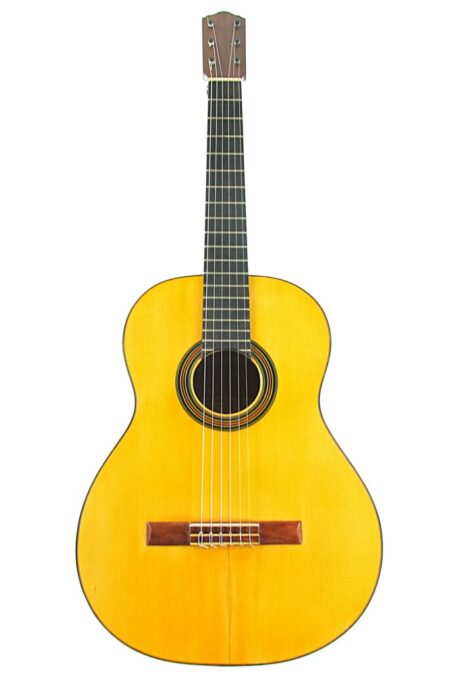
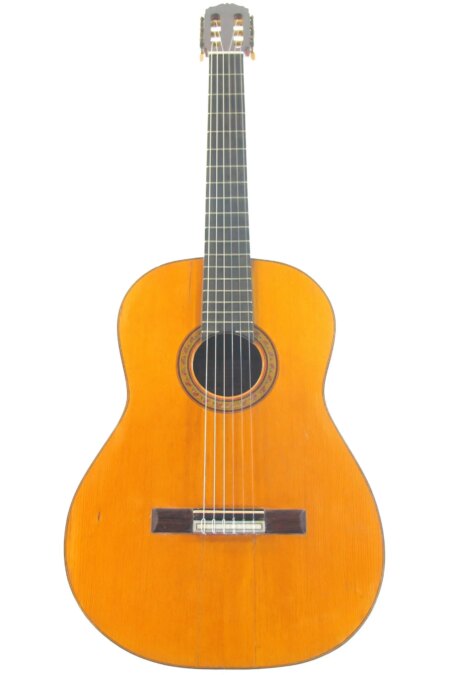
A video of a classicl guitar made by Domingo Esteso:

Mit dem Laden des Videos akzeptieren Sie die Datenschutzerklärung von YouTube.
Mehr erfahren