













If the guitar is original and structurally sound, buy it. If either fails, walk away or pay for an appraisal before you send money. Check the serial number and parts for originality first, then confirm the neck, frets, and body have no hidden damage by requesting close-up photos or a short video. Everything below expands into checklists, price ranges, and where to get a professional opinion.
TL;DR:
- Authentic vintage guitars must be at least 30 to 50 years old and from a recognized “golden era” to retain long-term value, unlike reissues which depreciate faster.
- Verify originality through serial numbers, factory hardware, solder joints, and photos under black light; even one non-original part can significantly reduce value.
- Structural issues like deep fret wear, neck warps, or headstock repairs reduce worth and require inspection before purchase.
- Pricing for vintage guitars depends heavily on maker, originality, condition, rarity, provenance, and demand, with original finishes commanding higher prices than refinished ones.
- Buying from specialist dealers offers better protection and authentication, while online marketplaces and private sales carry higher risk and require detailed photos and a careful evaluation process.
Table of Contents
- What Does “Vintage” Mean Versus a Reissue?
- How Do You Verify a Guitar’s Authenticity?
- Which Structural Problems Actually Hurt Value?
- What Actually Sets a Fair Price?
- Where Should You Actually Buy One?
- What Should You Ask For Before You Buy Remotely?
- How Vintage Guitar World Supports Your Purchase
- Buyer or Collector: Which Priorities Win?
- Ready to Get a Guitar Appraised?
- Where to Read More
- Sources
What Does “Vintage” Mean Versus a Reissue?
Collectors generally treat a guitar as vintage once it’s at least 30 to 50 years old and comes from a maker’s recognized “golden era,” a period when a factory used specific woods, hardware, and construction methods that later got changed or cheapened. Fender’s late 1950s to mid 1960s run and Gibson’s late 1950s Les Pauls are the textbook examples, but plenty of smaller builders had their own peak years too.
A reissue is a modern factory copy built to resemble that era, usually with contemporary materials, current manufacturing tolerances, and none of the collectible weight a real vintage instrument carries. The two exist for different buyers.
- Reissues suit players who want the tone and look of a classic model without vintage fragility or vintage prices.
- Original vintage suits collectors chasing rarity, history, and long-term value.
- A worn original often beats a mint reissue for tone, according to plenty of working musicians, but it also comes with age-related quirks a reissue never will.
- Resale value diverges sharply over time. Reissues depreciate like most manufactured goods; genuine vintage pieces have historically held or gained value when originality is intact.
If you mainly want an instrument to gig with, a reissue is often the smarter purchase. If you’re building a collection or an investment, vintage originality is the whole point, and that’s the case Vintage Guitar World makes in more detail in its comparison of vintage and reissue buying decisions.
How Do You Verify a Guitar’s Authenticity?
Serial numbers are your starting point, but they’re not proof on their own. Major manufacturers published serial ranges tied to production years, and a mismatch between the serial’s implied year and the guitar’s features is an immediate warning sign. Beyond the serial, check the parts that get swapped most often: tuners, pickups, potentiometers, bridge, and pickguard. Factory-original hardware usually has consistent screw types and solder joints that look aged rather than fresh.
- Photograph the headstock and serial number and cross-check the format against known reference ranges for that maker and year.
- Inspect pickup and electronics cavities for solder joints that look original rather than recently reworked.
- Check pot codes and hardware stamps against the guitar’s claimed production year.
- Look for mismatched screw patterns on the pickguard or control plate, a common sign of a parts swap.
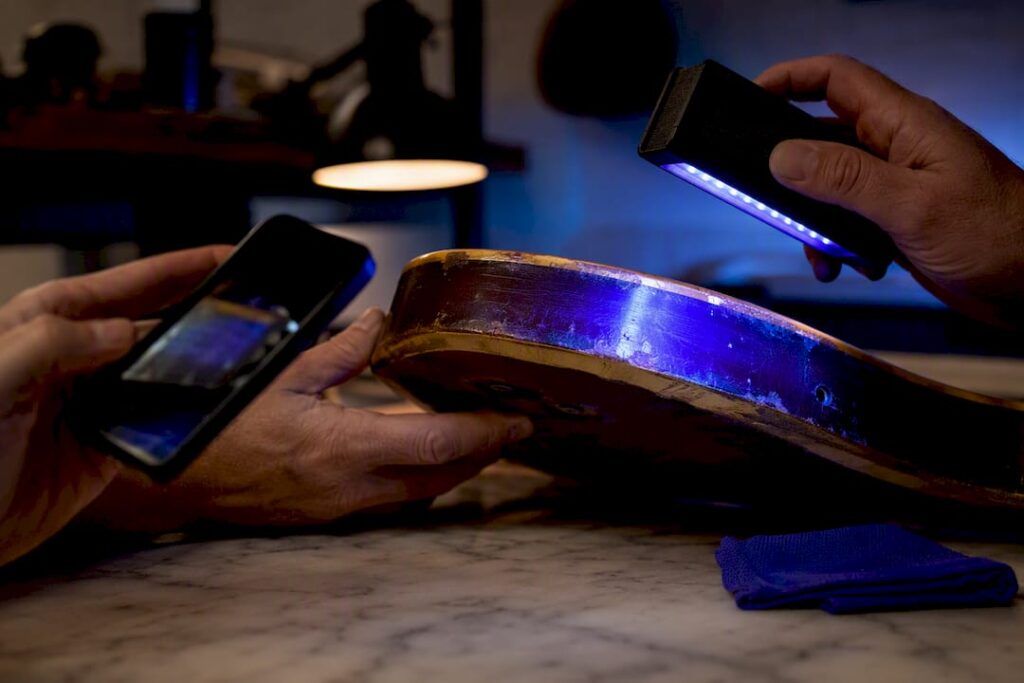
- Ask for close-up photos taken under a black light, which reveal touch-up paint and refinishes that daylight photos hide.
A single replaced pickup or non-original part can shave thousands off a vintage electric’s value, because collectors pay a real premium for parts that never left the factory. If a seller can’t produce clear photos of the cavity, the pots, and the serial, treat that as a red flag rather than an oversight.
Pro Tip: Ask the seller directly for blacklight photos of the finish and clear shots of the wiring. A legitimate seller will have these ready; a seller trying to hide a refinish usually stalls or sends blurry images instead. Vintage Guitar World’s own authenticity checklist walks through the same verification steps in more depth.
Which Structural Problems Actually Hurt Value?
Cosmetic wear rarely worries collectors. Structural problems are a different story, and they’re the ones that should shape your offer.
- Fret wear is normal on a 50-year-old guitar, but deep grooves near the first five frets usually mean a refret is coming, and that’s a real repair bill, not a cosmetic quibble.
- Neck warps and truss-rod failures can be expensive or impossible to fix cleanly, especially on older necks without modern adjustment access.
- A repaired or broken headstock drops value substantially even when the repair is well done, because the crack never fully disappears from a structural standpoint.
- Acoustic top cracks and lifting bridges point to humidity damage over the years and often require a luthier’s attention before the instrument is even playable.
- Noisy pots, dead pickups, or crackling jacks on an electric are usually fixable, but budget for the repair before you agree to a price.
None of these automatically disqualify a purchase. They just need to be priced into your offer, and that means asking for photos and video before you commit rather than after.
What Actually Sets a Fair Price?
Seven factors drive what a vintage guitar is genuinely worth: maker and model, production year, originality of parts and finish, overall condition, rarity, documented provenance, and current collector demand. Change any one of these and the price moves, sometimes drastically.
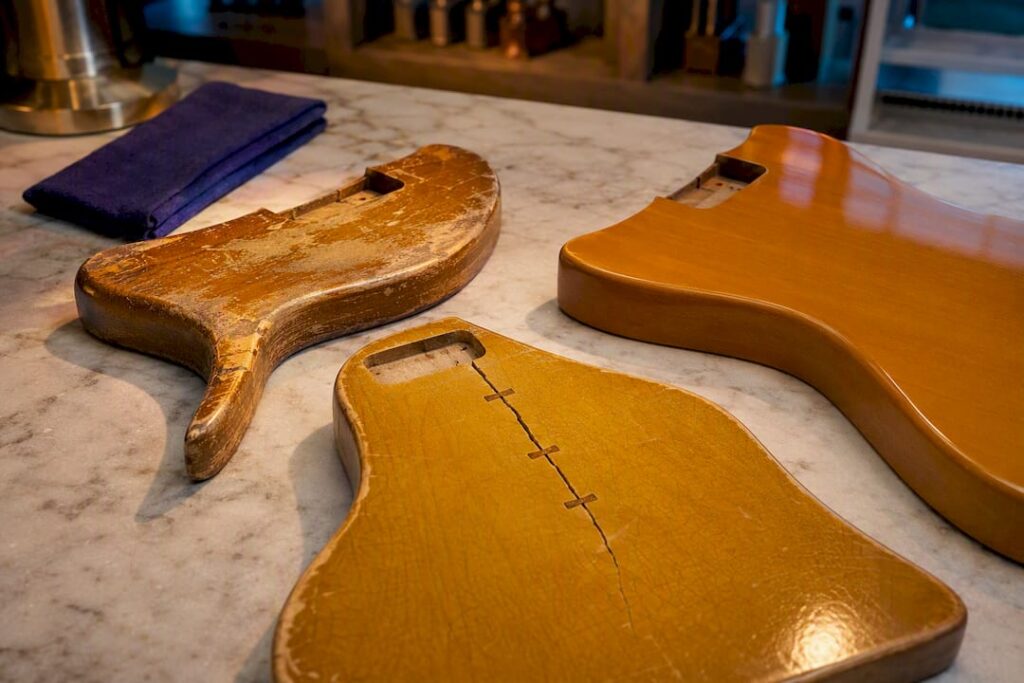
Originality carries outsized weight. A refinished body, even a beautifully done one, typically pulls the price down well below what an original, worn finish would fetch, because collectors consistently pay more for honest wear than a clean respray. A repaired structural crack has a similar effect, though the discount varies by how visible and how well executed the repair is.
Setting your target price: compare recently sold listings for the same model and year rather than asking prices, which tend to run optimistic. Specialist dealer prices give you a useful ceiling, since dealers price in their own inspection and guarantee. Vintage Guitar World’s guide to valuing collectible guitars for accurate market pricing walks through building that comparison set. If a listing’s asking price sits well above comparable sold prices with no rarity or provenance to justify it, that’s your opening to negotiate, not a sign you’re missing something.
Where Should You Actually Buy One?
Every channel carries a different risk profile, and picking the wrong one for the purchase you’re making is how buyers get burned.
- Specialist dealers cost more upfront but usually offer inspection, provenance research, and a return window, which matters most on high-value pieces. Dealers taking guitars on consignment typically charge sellers 10 to 20 percent, a cost that’s often reflected in the asking price but buys you a vetted instrument.
- Online marketplaces can turn up genuine bargains, but you’re relying entirely on the seller’s honesty and photo quality.
- Auctions suit rare, well-documented pieces, though buyer’s premiums add real cost on top of the hammer price.
- Private sales offer the best prices and the least protection, so only pursue these with sellers willing to provide full documentation.
Whichever channel you use, insist on a detailed condition report, a full photo set, and a clear return policy before paying, and use a payment method that offers buyer protection rather than a direct bank transfer to a stranger.
What Should You Ask For Before You Buy Remotely?
When you can’t hold the guitar yourself, a tight, ordered request list does most of the work an in-person inspection would.
- Serial number and headstock photos, straight on and well lit.
- Full-body front and back shots, plus close-ups of any finish checking or wear.
- Neck relief and fret photos, ideally with a business card or ruler held flat against the fretboard for scale, since that reference point helps estimate remaining fret height and rough refret cost.
- Electronics cavity photos showing solder joints and pot codes.
- A short video demo playing clean and through an amp if electric, so you can hear pickup noise or dead spots.
Pro Tip: If a fret photo shows the frets nearly level with the board near the first position, budget for a refret in your offer rather than hoping a setup will fix it. Vintage Guitar World’s testing guide covers exactly what to listen for in a demo clip and how to convert visible wear into a dollar adjustment on your offer.
How Vintage Guitar World Supports Your Purchase
Buying blind on a five-figure instrument is a bad bet, which is why a professional appraisal or testing appointment earns its cost on anything beyond casual pricing. Some services offer support like in-person testing appointments to play the instrument before committing, written appraisal reports documenting condition and estimated value, and certification services that create a paper trail protecting buyer and seller. A documented appraisal shifts negotiating power toward the buyer and cuts the risk of paying collector prices for a guitar with hidden issues.
Full detail on what an appraisal covers is in the expert appraisal guide.

Buyer or Collector: Which Priorities Win?
I lean toward originality when a guitar is rare enough that altering it erases history, and toward playability when it’s a common model that exists mainly to be played. Buy what moves you, but verify the structural facts before the emotion takes over. One habit worth keeping: price in the repair cost before you fall in love with the guitar, not after.
— Vintage
Ready to Get a Guitar Appraised?
Most vintage guitar buyers don’t need a roundup of listings, they need someone to tell them whether the instrument in front of them is actually worth the price being asked. That’s the gap Vintage Guitar World fills: a curated inventory backed by inspection and appraisal, instead of a marketplace listing you’re evaluating alone.

Booking works the same way whether you’re buying from the current inventory or want a second opinion on a guitar you found elsewhere. Start with the guitar appraisal checklist to see what a professional review covers, then request a testing appointment to play the instrument in person before you commit. If you’re still deciding what category of guitar fits your goals, browse the types of vintage guitars worth watching for features, history, and long-term value.
Where to Read More
For deeper reference material, Cardinal Vintage Guitars breaks down the seven factors that decide vintage guitar value, Guitar.com’s expert tips cover what to check before buying vintage, and Reverb’s buyer guide explains what to expect from sellers on photos and condition reports. For an outside perspective on valuing an instrument for resale, MusicStreet’s guide on evaluating guitar value is worth a look.
Sources
- What Makes a Vintage Guitar Valuable? The 7 Things That Decide the Price | Cardinal Vintage Guitars
- Guitar
- Vintage Guitars – Everything You Need To Know | Reverb