













TL;DR:
- Playing technique is the key factor in achieving authentic vintage guitar tone, surpassing gear limitations. Techniques like pick attack, vibrato, and phrasing shape dynamics and tone before amplification, making each player’s sound unique. Combining expressive hands with suitable instruments and minimal effects creates the true vintage sound that is inseparable from the player’s personality.
The role of playing technique in vintage sound is the single most decisive factor separating an authentic vintage tone from a convincing imitation. Gear matters, but experts consistently assert that tone is 50% hands, with pick attack, vibrato, and dynamic control shaping the final sound more than any pedal board. Players like B.B. King, Jimmy Page, and Scotty Moore built their iconic sounds on touch and phrasing, not on stacking effects. This article breaks down exactly which techniques produce vintage tone, how they interact with classic gear, and how you can apply them today.
What is the role of playing technique in vintage sound?
Playing technique is the physical vocabulary a guitarist uses to communicate with an instrument and amplifier. In vintage tone production, this vocabulary includes pick attack, vibrato style, fretting hand pressure, phrasing, and the real-time manipulation of a guitar’s own controls. Each of these elements shapes the signal before it ever reaches a pedal or amp, which is why two players on identical rigs can sound completely different.
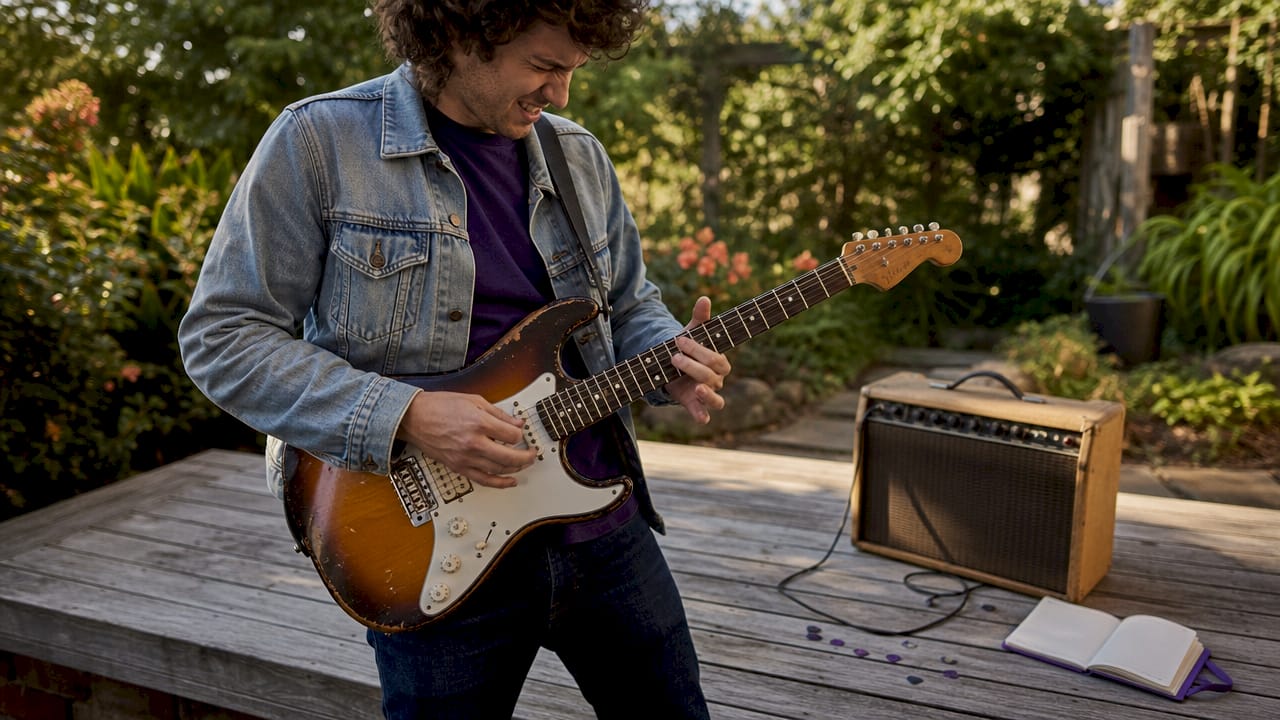
The most direct impact comes from pick attack. Pushing tweed-style amps beyond their clean ceiling with a hard, decisive pick stroke produces the natural compression and grit that defines Chicago blues and early rock and roll. A lighter touch on the same amp produces a clean, glassy response. This dynamic range is the heartbeat of vintage tone, and no pedal replicates it with the same organic feel.
Vibrato technique is equally defining. Classic blues vibrato must be wider and slower than the tight, fast vibrato common in rock playing. B.B. King’s signature sound came from a lateral hand motion driven by forearm and elbow, not finger-only movement. This approach creates a singing, sustained quality that feels alive rather than mechanical. A vibrato pedal produces a fixed rate and depth. A trained fretting hand produces something that breathes.
Phrasing and space are the final pillars. Vintage players built tension and release through call-and-response patterns, leaving silence between phrases the way a vocalist pauses for breath. Rockabilly players like Scotty Moore used barre chords on the 3rd and 5th frets with a syncopated strum pattern that mimicked a rhythm section, creating percussive forward motion from technique alone.
- Pick attack: Vary stroke force to push the amp in and out of natural compression
- Vibrato: Use forearm rotation for wide, slow movement rather than finger-only bends
- Volume and tone knobs: Roll back the volume for clean swells, open it up for grit
- Phrasing: Leave space between phrases to create tension and release
- Strum patterns: Syncopated timing adds rhythmic character that no effect pedal can add
Pro Tip: Practice playing the same phrase at three different pick attack levels without changing any amp settings. The tonal difference you hear is the foundation of vintage dynamic control.
How does playing technique interact with vintage gear to produce tone?
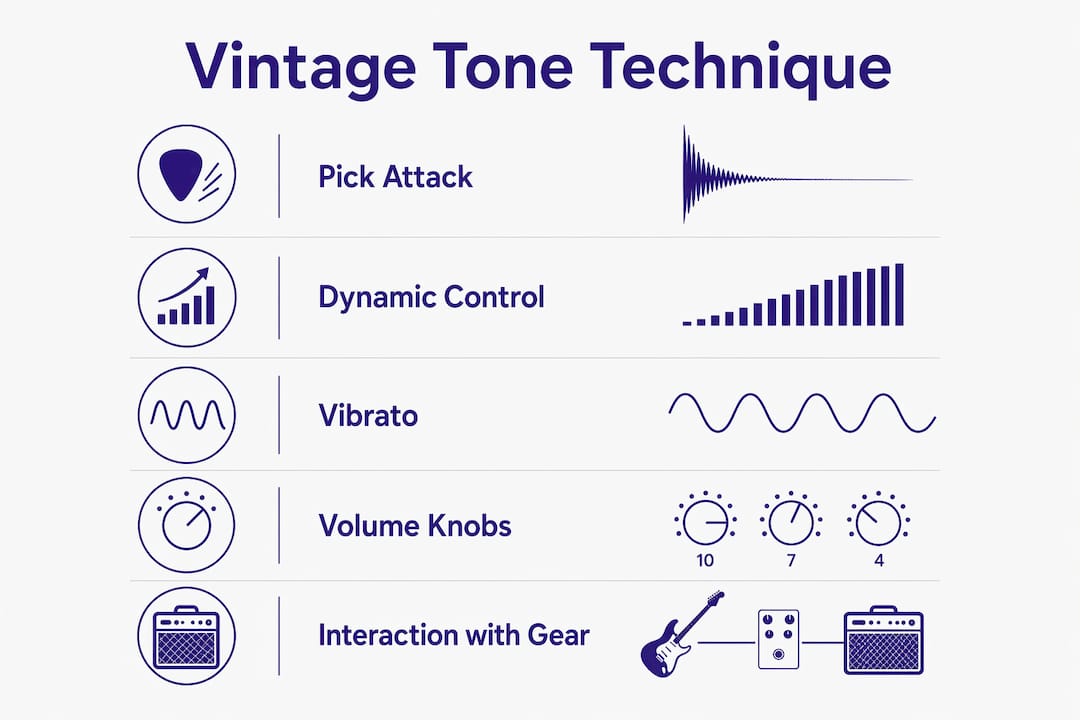
Vintage gear and playing technique form a feedback loop. The gear sets the environment, and the player’s hands determine what happens inside it. Gear creates the headroom and compression environment, but the vocal quality of each note depends entirely on pick and fretting hand technique. This is why a seasoned player sounds like themselves on almost any amp, while a beginner sounds thin and undynamic on even the finest vintage rig.
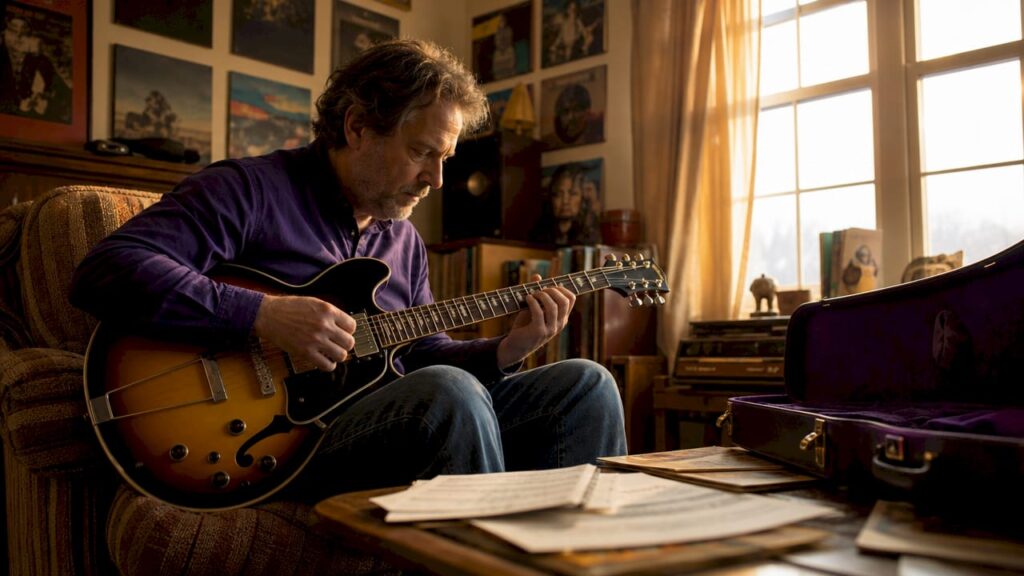
Guitar body construction shapes how technique translates into tone. Semi-hollow bodies produce more resonant, warm tones than solid bodies, contributing to the note bloom and sustain that define vintage blues and jazz. B.B. King’s Gibson ES-355 is the textbook example. Its semi-hollow construction amplified the sustain his lateral vibrato technique generated, creating a tone that felt like it was growing rather than decaying. A solid-body guitar under the same technique produces a tighter, more focused response. Understanding this distinction helps you match your technique to the right instrument. You can explore the tonal differences in depth to make smarter choices about which guitar body type suits your playing style.
| Guitar type | Technique response | Vintage tone character |
|---|---|---|
| Semi-hollow (e.g., Gibson ES-355) | Amplifies sustain and vibrato bloom | Warm, resonant, vocal |
| Solid body (e.g., Fender Telecaster) | Tight attack, fast note decay | Bright, punchy, percussive |
| Full hollow body | Maximum resonance, feedback-prone | Rich, airy, jazz-oriented |
| Acoustic | Technique drives all dynamics directly | Raw, unprocessed, expressive |
Overdrive pedals often disappoint players chasing vintage amp compression because they add gain at a fixed point in the signal chain rather than responding dynamically to pick force. Vintage sound results from problem-solving expressive tone through low-headroom amps and dynamic playing. Jimmy Page’s early Led Zeppelin recordings used a Supro amp pushed to its limit, with pick attack doing the work of shaping grit and clarity phrase by phrase. No pedal in his chain was doing that job.
Expert players also treat their guitar’s volume and tone knobs as performance instruments. Volume and tone controls used like a vocalist breathing add responsiveness and a vocal quality that is distinct to vintage tone. Rolling the volume back to 6 or 7 cleans up a cranked amp without touching the amp controls, giving the player real-time dynamic range during a performance.
Common misconceptions about gear vs. technique in vintage tone
The most persistent myth in vintage tone chasing is that more pedals or maximum sustain equals more authentic sound. This belief sends players down an expensive and frustrating path. Setting fuzz or distortion sustain to maximum actually ruins vintage tone by compressing the signal so heavily that all dynamic information disappears. Dialing sustain back to 30 to 40 percent allows the guitar’s character and the player’s touch to come through, producing a more vocal and expressive result.
The second major misconception is that vibrato and chorus pedals replicate hand vibrato. They do not. A pedal applies a fixed modulation rate and depth to the entire signal. Hand vibrato is phrase-dependent, note-dependent, and emotionally responsive. Players relying on pedal compression fail to replicate vintage sustain because true sustain comes from the fretting hand keeping the string energized through continuous, controlled motion. The difference is audible in the first two notes of any phrase.
A third misconception is that vintage tone requires vintage gear exclusively. The psychological dimension of playing on worn instruments matters, but it is not the whole story. Playing on worn instruments inspires more emotive, dynamic techniques because the visual and tactile cues shift the player’s mindset and physical approach. The instrument influences technique, and technique produces tone. A modern guitar played with genuine vintage technique will outperform a rare vintage instrument played with a flat, undynamic touch.
- Myth: Maximum sustain on a fuzz pedal creates vintage tone. Reality: It destroys dynamic range. Dial back to 30 to 40 percent.
- Myth: Vibrato pedals replicate hand vibrato. Reality: Pedals apply fixed modulation. Hand vibrato is phrase-responsive and alive.
- Myth: You need vintage gear to get vintage tone. Reality: Technique is the primary variable. Gear sets the environment.
- Myth: More effects equals more authentic vintage character. Reality: Vintage players used minimal effects and relied on touch.
Pro Tip: Set your amp to a clean tone and your gain pedal at 40 percent. Then vary your pick attack from feather-light to aggressive. You will hear the full dynamic range vintage players used before you touch another knob.
How can guitarists apply these techniques to achieve authentic vintage sounds?
Applying vintage playing techniques is a practice discipline, not a gear purchase. The following steps build the physical skills that produce authentic vintage tone from the ground up.
- Isolate your pick attack. Practice a single chord or note at five different attack levels, from barely touching the string to a firm, deliberate stroke. Record each level and listen back. This trains your ear to hear what the amp is doing in response to your hands.
- Develop forearm vibrato. Place your fretting hand on a note and practice rotating your forearm rather than bending the string up and down. Start slow, aim for wide pitch variation, and build speed gradually. This is the B.B. King method, and it takes weeks to feel natural.
- Practice with your volume knob. Set your amp to a slightly overdriven tone, then use your guitar’s volume knob to move between clean and dirty sounds during a phrase. This is how vintage players shaped dynamics in real time without a pedal board.
- Study call-and-response phrasing. Listen to recordings by Muddy Waters, B.B. King, or Scotty Moore and transcribe not just the notes but the spaces between them. Silence is a technique. The pause before a phrase lands is as important as the phrase itself.
- Use your tone knob as an expression tool. Roll the tone knob back during rhythm playing and open it up for lead lines. This creates tonal contrast within a single performance that no effects loop can replicate.
- Record and compare. Record yourself playing a phrase with maximum pedal gain, then record the same phrase with minimal gain and maximum pick attack variation. The second recording will almost always sound more expressive and more vintage.
Listening is the foundation of all of this. Spend time with authentic vintage guitar sounds before you practice. Your hands will follow what your ears have internalized.
Key takeaways
Playing technique is the primary driver of vintage guitar tone, with pick attack, vibrato, and dynamic control outweighing gear in producing authentic vintage sound.
| Point | Details |
|---|---|
| Technique over gear | Pick attack and vibrato shape tone before the signal reaches any pedal or amp. |
| Vibrato method matters | Forearm-driven, wide, slow vibrato produces vintage sustain that pedals cannot replicate. |
| Gear responds to hands | Low-headroom amps and semi-hollow bodies amplify technique, not the other way around. |
| Avoid maximum sustain | Fuzz and distortion at full sustain kill dynamic range. Dial back to 30 to 40 percent. |
| Volume knob as tool | Real-time volume and tone control adds vocal expressiveness central to vintage playing. |
What I’ve learned from years of listening to vintage players
Here is what strikes me every time I spend time with a great vintage recording: the tone is inseparable from the personality of the player. You cannot hear a B.B. King phrase and mistake it for anyone else, and that is not because of his Gibson ES-355. It is because of the specific weight he put behind each note, the way his vibrato arrived slightly after the attack, the way he let a note decay before he decided whether to sustain it or release it.
I have watched players pick up genuinely rare instruments and produce flat, lifeless tone. I have watched others pick up a modest guitar and make it sound like something historic. The difference is always in the hands. Small changes in fretting pressure, in the angle of the pick, in the timing of a vibrato entrance, transform the character of a note completely.
The players who made vintage tone iconic were not chasing a sound. They were solving a problem. They had limited gear, limited headroom, and they used their hands to extract every shade of expression the instrument could offer. That problem-solving instinct is the real lesson. When you stop asking “what pedal do I need?” and start asking “what is my hand doing?” you start sounding like yourself, which is the only vintage tone worth chasing.
— Vintage
Find the right instrument to match your technique at Vintage-guitar-world

The right instrument amplifies everything your hands already do. At Vintage-guitar-world, every guitar in the collection is evaluated for the qualities that matter to players who understand technique: resonance, dynamic response, and the way the instrument reacts to touch. Whether you are drawn to semi-hollow bodies that bloom under vibrato, or solid-body instruments that reward a precise pick attack, the curated selection at Vintage-guitar-world pairs craftsmanship with playing intent. Browse the vintage guitar collection to find an instrument that responds the way your technique demands. If you are weighing your options, the vintage vs. reissue comparison is a strong starting point.
FAQ
What is the most important playing technique for vintage tone?
Pick attack is the single most influential technique. Varying stroke force pushes a low-headroom amp in and out of natural compression, producing the dynamic grit and clarity that define vintage tone.
Can pedals replace hand vibrato for vintage sound?
Pedals apply fixed modulation and cannot replicate the phrase-responsive, emotionally variable quality of hand vibrato. True vintage sustain comes from the fretting hand keeping the string energized through continuous, controlled motion.
Does vintage gear matter if your technique is strong?
Gear sets the tonal environment, but technique determines what happens inside it. A player with strong dynamic control and vibrato technique will produce authentic vintage character on a wide range of instruments, not only rare vintage pieces.
How do I practice vintage pick attack dynamics?
Play a single note or chord at five different attack levels without changing any amp settings. Record each level and listen back. This exercise trains your ear and hands to work together, which is the foundation of vintage dynamic control.
Why does maxing out fuzz sustain ruin vintage tone?
Maximum fuzz sustain compresses the signal so heavily that all dynamic information is lost. Dialing back to 30 to 40 percent allows the guitar’s character and the player’s touch to shape the tone, which is how vintage players actually used these pedals.