












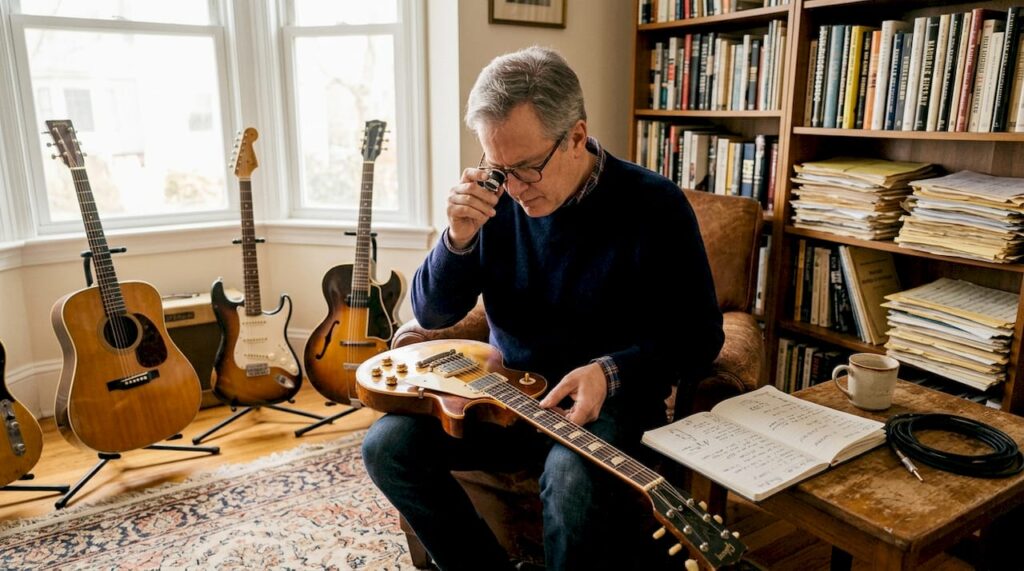

You might assume a rare 1950s Gibson automatically commands top dollar, but collectors know better. A pristine common model often outsells a neglected rarity by thousands of dollars. Multiple factors, not just age or model, influence vintage guitar value, yet condition consistently emerges as the decisive variable. This guide reveals exactly how condition shapes market prices, what flaws devastate value most, and how you can apply this knowledge whether you’re buying your first collectible or preparing to sell a treasured instrument.
Table of Contents
- Understanding value in the vintage guitar market
- How condition is assessed: The grading spectrum
- Condition versus rarity: Which matters more?
- Common condition issues: What hurts value most
- Real-world pricing: Condition’s effect on resale value
- Smart collecting: Preserving and boosting guitar value
- Explore, buy, and appraise vintage guitars with confidence
- Frequently asked questions
Key Takeaways
| Point | Details |
|---|---|
| Condition drives value | A vintage guitar’s state can outweigh rarity or age in determining its worth. |
| Grade matters | Even subtle differences between ‘excellent’ and ‘good’ can mean thousands of dollars. |
| Originality is essential | All-original guitars consistently fetch the highest market prices. |
| Common flaws to avoid | Non-original parts, cracks, and poor repairs sharply reduce value. |
| Proactive care pays off | Routine maintenance and proper storage preserve and boost long-term value. |
Understanding value in the vintage guitar market
Several elements determine what a vintage guitar fetches at auction or in private sales. Brand reputation matters: a Martin or Fender carries inherent cachet. Age plays a role, particularly for pre-CBS Fenders or golden-era Gibsons. Model scarcity influences demand, as does documented provenance linking an instrument to a famous player or historic recording session.
Yet condition operates as the great equalizer. A rare guitar in poor shape usually finds fewer buyers and commands a much lower price. Collectors prioritize playability, originality, and visual appeal alongside historical significance. When two guitars share the same model year and maker, the one in superior condition consistently wins bidding wars.
“A rare guitar in poor condition usually finds fewer buyers and commands a much lower price.”
Key factors affecting vintage guitar value include:
- Brand and model: Heritage names like Gibson, Fender, Martin, and Gretsch hold premium status
- Age and era: Pre-1965 instruments often command higher prices due to craftsmanship standards
- Rarity: Limited production runs or discontinued models attract serious collectors
- Provenance: Documented ownership history or celebrity connections boost desirability
- Condition: Physical state, originality, and playability directly impact market price
Understanding these variables helps you evaluate any instrument more accurately. Guitar value expert advice emphasizes that while rarity creates initial interest, condition determines final sale prices.
How condition is assessed: The grading spectrum
Appraisers and dealers use standardized grading categories to communicate an instrument’s physical state. These grades provide a common language for buyers and sellers, reducing ambiguity during transactions.
Mint describes guitars that appear unplayed, with factory-fresh finishes, zero wear, and all original components intact. Excellent instruments show minimal play wear but retain original parts and finish integrity. Very good guitars display moderate playing marks, perhaps minor dings, yet remain structurally sound with original hardware. Good condition indicates noticeable wear, possible small repairs, but full functionality. Fair guitars need significant work, showing heavy wear or amateur repairs. Poor instruments require major restoration or serve primarily as parts donors.
| Grade | Finish Condition | Hardware | Typical Price Impact |
|---|---|---|---|
| Mint | Factory fresh, no wear | 100% original | Premium (baseline) |
| Excellent | Light play wear only | All original | 85-95% of mint |
| Very Good | Moderate wear, minor dings | Mostly original | 65-80% of mint |
| Good | Noticeable wear, small repairs | Some replacements | 45-60% of mint |
| Fair | Heavy wear, significant repairs | Multiple replacements | 25-40% of mint |
| Poor | Severe damage or modifications | Extensive replacements | 10-20% of mint |
Buyers examine both cosmetic and structural elements:
- Cosmetic issues: Finish checking, belt buckle rash, pick scratches, discoloration
- Structural concerns: Neck warping, cracks in body or headstock, fret wear, bridge lifting
- Hardware integrity: Original tuners, pickups, bridges, tailpieces, and electronics
- Playability factors: Action height, intonation accuracy, fret condition, neck relief
Condition grades strongly influence collectible pricing, making accurate assessment essential before any purchase or sale. Understanding the grading system makes it easier to grasp why small details can have an outsized impact on value.
Condition versus rarity: Which matters more?
Many newcomers believe scarcity automatically translates to higher prices. Reality proves more nuanced. A pristine 1965 Fender Stratocaster from a high-production year often commands more than a rare 1963 model with heavy modifications or poor repairs.
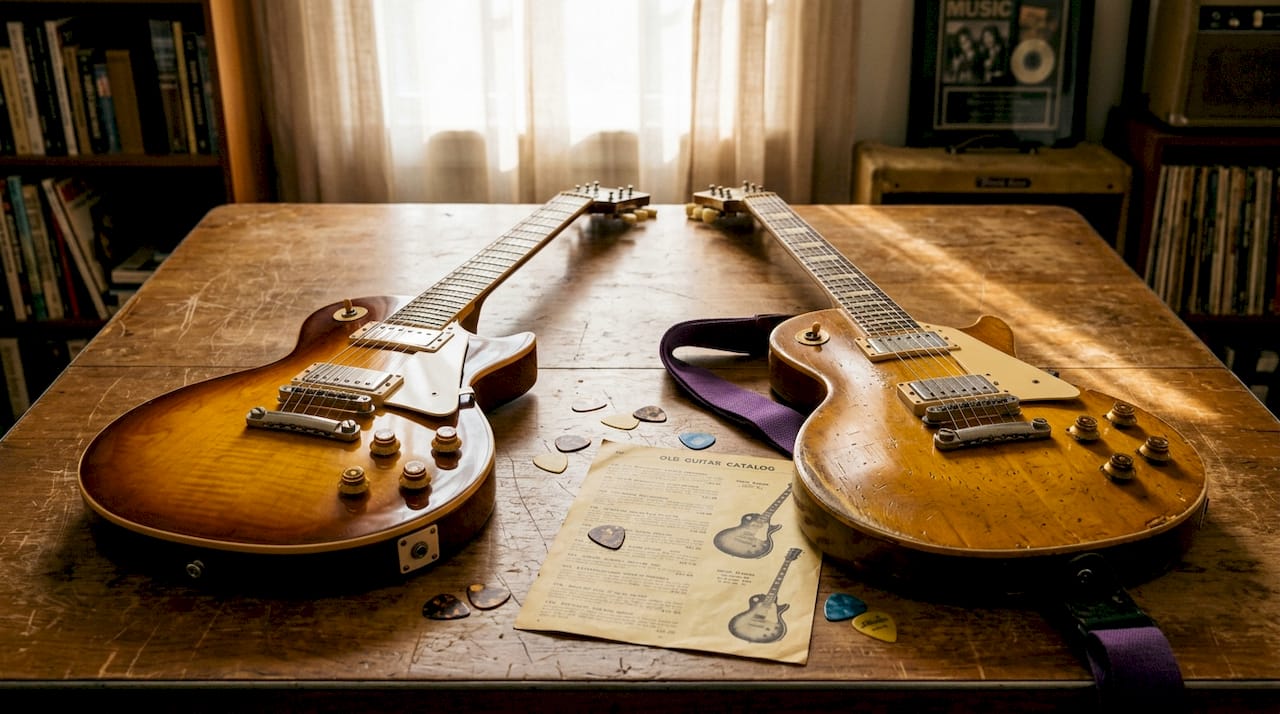
Buyers often pay substantially more for a common model in superior condition than a rarer model with heavy wear or modifications. This pattern repeats across brands and eras because collectors want instruments they can display, play, and eventually resell without loss.
How condition and rarity interact in practice:
- Rare + excellent condition = Maximum value, attracting serious collectors and investors
- Common + excellent condition = Strong value, appealing to players and entry-level collectors
- Rare + poor condition = Disappointing value, limited to restoration projects or parts harvesting
- Common + poor condition = Minimal value, often sold for parts or practice restoration
Pro Tip: Always check for hidden repairs or refinishing, as these are common deal-breakers for serious collectors. Use a black light to reveal finish touch-ups, and examine neck pockets and control cavities for signs of routing or modification.
The market consistently rewards originality and preservation over scarcity alone. A well-maintained instrument from a popular production year will find eager buyers faster than a neglected rarity requiring extensive restoration work.
Common condition issues: What hurts value most
Certain flaws devastate vintage guitar values more severely than others. Understanding these problems helps you avoid costly mistakes when evaluating potential purchases.
Structural damage includes:
- Headstock cracks or breaks, even if professionally repaired
- Body cracks running through binding or affecting structural integrity
- Warped or twisted necks that cannot be corrected through truss rod adjustment
- Separated or lifting bridges on acoustic instruments
- Stripped screw holes or damaged mounting points
Originality compromises that lower value:
- Refinished bodies or necks, removing factory nitrocellulose lacquer
- Replaced pickups, especially on vintage Fender or Gibson electrics
- Non-original tuning machines, bridges, or tailpieces
- Added switches, controls, or pickup routing not present in factory specifications
- Missing or replaced labels, stamps, or serial number plates
Originality is a key driver; non-original parts and heavy repairs sharply reduce value. Collectors prize all-original instruments because they represent authentic examples of historical craftsmanship and design.
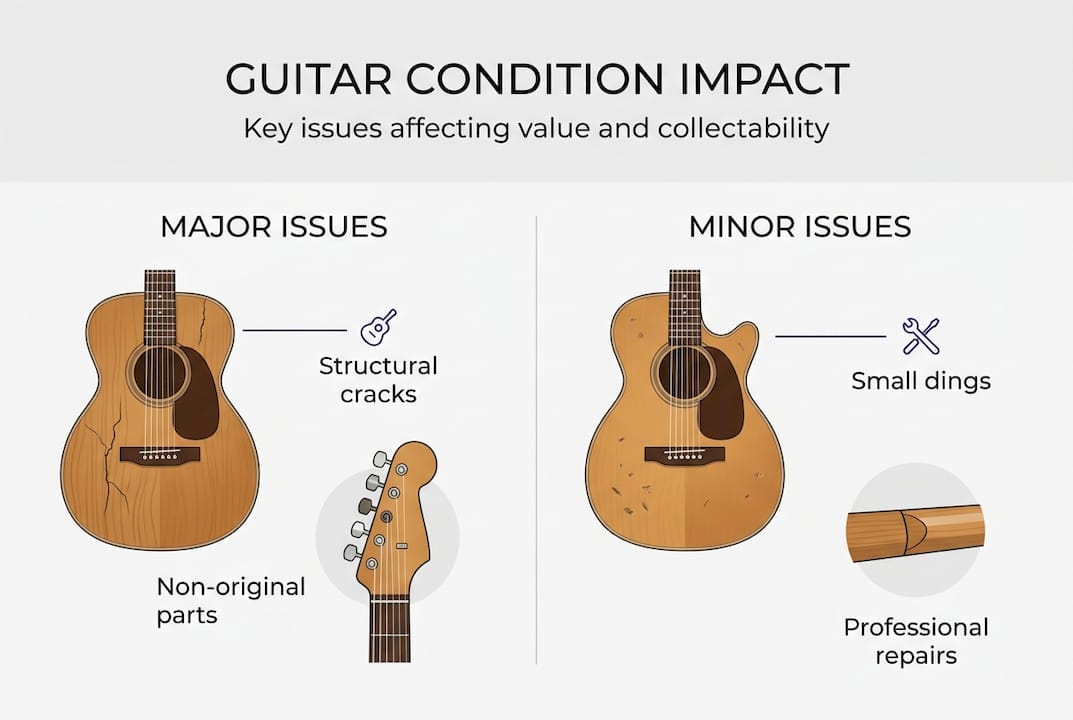
Pro Tip: Sometimes small repairs with professional documentation have minimal effect, but hidden or poorly performed work can devastate value. Always request detailed repair history and examine work quality before committing to a purchase.
Non-reversible modifications prove particularly problematic. Routing a Telecaster body for humbuckers or refinishing a sunburst Les Paul in solid color permanently alters the instrument’s collectibility. Even if the work shows high quality, it removes the guitar from serious collector consideration.
Vintage guitar advantages include superior tonewoods and craftsmanship, but only when condition preserves these qualities. Wood types and guitar sound matter less if structural integrity has been compromised through neglect or poor repairs.
Real-world pricing: Condition’s effect on resale value
Market data reveals dramatic price variations between identical models in different condition grades. A near-mint 1960s Les Paul can be worth more than twice the price of one in good condition.
| Model Example | Mint Condition | Excellent | Very Good | Good | Fair |
|---|---|---|---|---|---|
| 1964 Fender Stratocaster | $35,000 | $28,000 | $22,000 | $16,000 | $9,000 |
| 1959 Gibson ES-335 | $45,000 | $36,000 | $27,000 | $19,000 | $11,000 |
| 1937 Martin D-28 | $125,000 | $95,000 | $70,000 | $48,000 | $28,000 |
Condition often accounts for a 30-70% swing in value among comparable instruments. These percentages widen further when comparing mint examples to heavily modified or damaged guitars.
Provenance and documentation amplify condition’s impact on value. A guitar in excellent condition with factory shipping documents, original case, and authenticated ownership history commands premium prices. Conversely, even a rare instrument loses value when its history remains undocumented or questionable.
Photographic evidence of condition over time helps establish authenticity and care standards. Receipts for professional maintenance demonstrate responsible ownership. Original sales receipts, case candy, and hang tags all contribute to a complete package that serious collectors seek.
The value guide for vintage guitars emphasizes that condition assessment requires expertise. Small details like correct screw types, proper solder joints, and period-accurate components separate truly original instruments from cleverly restored ones.
Smart collecting: Preserving and boosting guitar value
Protecting your investment requires proactive care and informed decision-making. Follow these steps to maintain or enhance your vintage guitar’s condition and market value:
- Control storage environment: Maintain 45-55% relative humidity and stable temperatures between 65-75°F to prevent wood movement and finish checking
- Document everything: Photograph your guitar thoroughly, save all receipts for maintenance or repairs, and maintain a condition log
- Use reversible maintenance: Choose repair methods and modifications that can be undone without permanent alteration
- Save original parts: Store replaced components safely, even if you swap them temporarily for playing purposes
- Schedule professional inspections: Have qualified luthiers examine your instrument annually for developing issues
- Avoid amateur repairs: Poor quality work destroys value faster than leaving minor issues unaddressed
- Maintain proper setup: Regular adjustments prevent stress damage while keeping the instrument playable
Pro Tip: Use only reversible maintenance and save all original parts, even if you temporarily swap them out for play. This preserves future options and maintains collector appeal.
Routine care, correct storage, and professional maintenance are the best investments for preserving value. These practices cost far less than restoration work and prevent condition deterioration that erodes market prices.
When preparing a guitar for appraisal or sale, clean it gently using appropriate products, photograph it comprehensively in good lighting, and compile all documentation. Present the instrument in its original case when possible, as correct period cases add value and demonstrate careful ownership.
Testing acoustic guitars properly before purchase helps you identify condition issues that sellers might overlook or conceal. Apply the same thorough evaluation standards whether buying or selling.
Explore, buy, and appraise vintage guitars with confidence
You now understand how condition shapes vintage guitar values and why even rare instruments lose worth when poorly maintained. This knowledge empowers smarter collecting decisions, whether you’re acquiring your first vintage piece or managing an established collection.

Vintage Guitar World offers curated instruments that meet rigorous condition standards, backed by expert evaluation and detailed documentation. Our expert guitar appraisal services help you understand exactly what you own or what you’re considering purchasing. Browse our guides on vintage guitar types to deepen your knowledge of different eras and styles.
Ready to explore instruments that combine historical significance with exceptional condition? Visit the Vintage Guitar World shop to discover carefully selected guitars that represent sound investments and playing instruments you’ll treasure for decades.
Frequently asked questions
Does refinishing a vintage guitar hurt its value?
Yes, refinishing generally lowers a vintage guitar’s value because it alters originality, a key factor for collectors. Even high-quality refinishing work removes the instrument from serious collector consideration.
What condition issues lower guitar value the most?
Serious structural issues, non-original parts, and poorly executed repairs typically cause the biggest value drops. Structural damage and lack of originality strongly impact market price, often reducing value by 50% or more.
How much can condition change a vintage guitar’s price?
Condition can swing a guitar’s price by 30-70%, or sometimes more, depending on the model and rarity. Condition accounts for a major share of price variation among comparable instruments.
What’s the best way to preserve my vintage guitar’s condition?
Store it in a stable, climate-controlled environment and maintain documentation of any repairs or work. Proper storage and maintenance are proven to help preserve collectible value over decades.
Can professional repairs restore a vintage guitar’s value?
Professional repairs can stabilize value and prevent further deterioration, but they rarely restore full original value. Documented expert work maintains more value than amateur fixes, though all-original condition remains the gold standard for collectors.