













Handcrafted guitars command premium prices and devoted followings, yet blind listening tests reveal a surprising truth. Empirical studies show that while 60% of players can identify differences between handcrafted and factory instruments, preferences split evenly and some listeners actually favor the brighter tones of budget models. This challenges the assumption that handcrafted guitars universally deliver superior sound. However, these instruments still excel in ways that matter deeply to collectors and musicians. Understanding why requires looking beyond simple acoustic measurements to explore craftsmanship, aesthetic value, playability, and the intangible qualities that make certain guitars treasured for generations.
Table of Contents
- Craftsmanship And Artistry In Handcrafted Guitars
- Sound Quality: Subtle Differences And Listener Preferences
- Why Collectors And Musicians Value Handcrafted Guitars Beyond Sound
- How To Choose Your Handcrafted Guitar In 2026: Practical Considerations
- Explore Unique Handcrafted And Vintage Guitars
Key takeaways
| Point | Details |
|---|---|
| Sound differences are subtle | Blind tests show nuanced preferences rather than clear dominance of handcrafted models |
| Craftsmanship adds unique value | Bespoke designs and artistry create character that machines cannot replicate |
| Material science surprises | Soundboard damping has minimal perceptual impact on tone quality |
| Collector appeal extends beyond tone | Investment potential, nostalgia, and uniqueness drive handcrafted guitar value |
| Personal connection matters most | Playability and emotional resonance often outweigh objective sound metrics |
Craftsmanship and artistry in handcrafted guitars
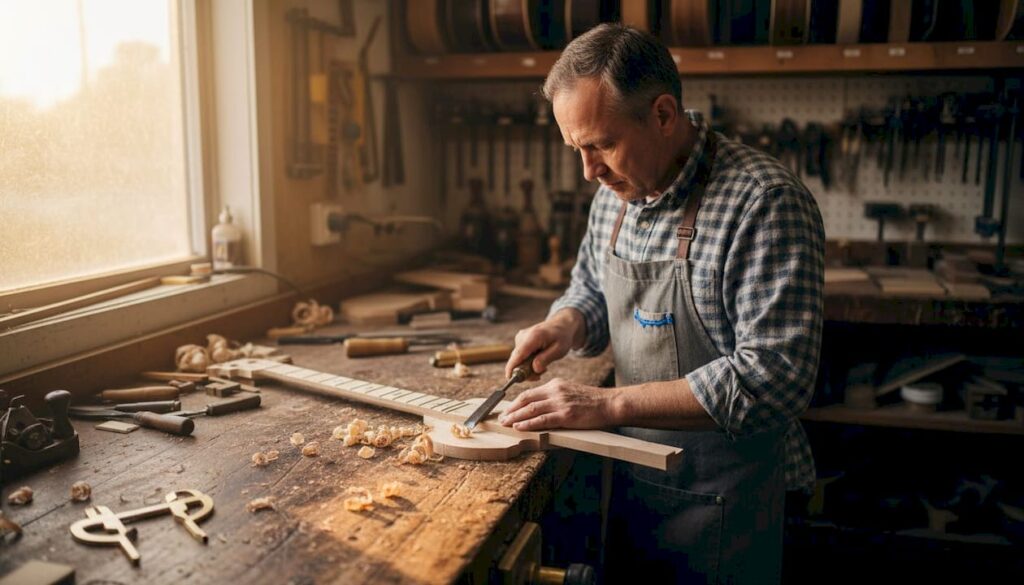
Handcrafted guitar construction enables subtle adjustments that define each instrument’s character. Luthiers make real time decisions about wood grain orientation, bracing thickness, and finish application based on tactile feedback and visual inspection. These micro adjustments accumulate into instruments with distinctive personalities. A skilled builder might thin a top plate by fractions of a millimeter in response to tap tone tests, creating responsiveness that rigid manufacturing protocols cannot achieve.
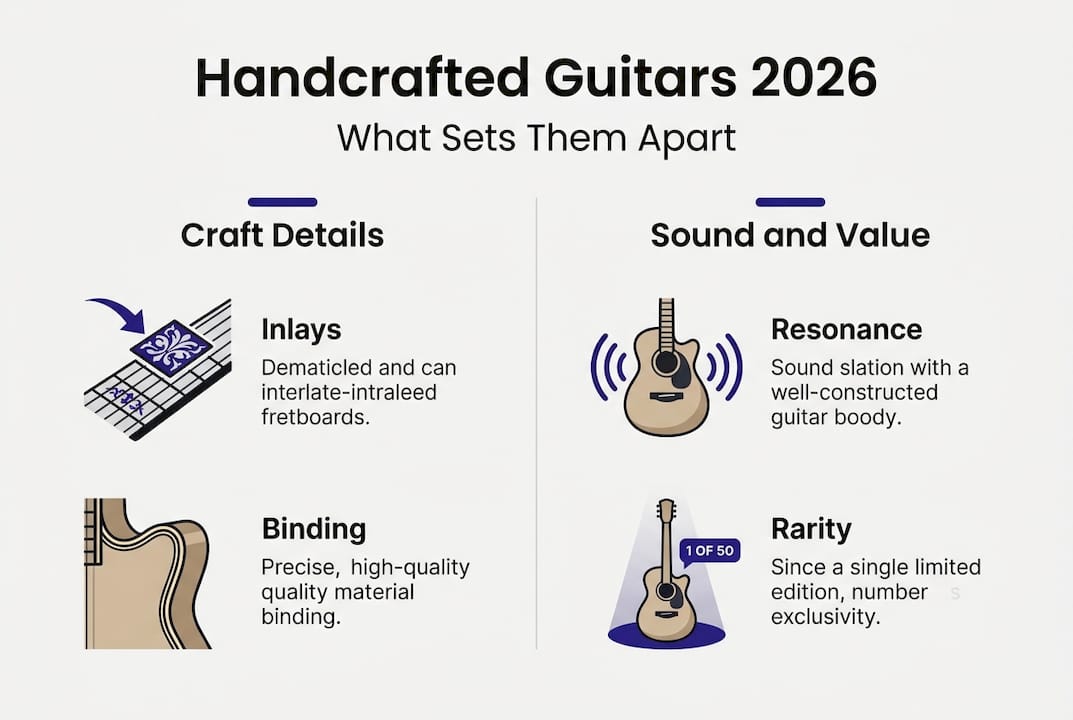
Bespoke inlays, custom binding, and hand carved details transform guitars into visual artworks. Collectors prize these aesthetic flourishes because they represent hours of focused craftsmanship and artistic vision. Mother of pearl rosettes, hand cut binding channels, and French polished finishes showcase techniques passed down through generations. These details connect modern instruments to centuries of lutherie tradition, adding historical depth that factory production lines inherently lack.
CNC machines achieve precision but miss the artistry inherent in handwork. Computer controlled routers cut body shapes to tolerances measured in thousandths of inches, producing consistent results across hundreds of units. Yet this consistency comes at a cost. CNC processes follow predetermined paths without adapting to individual wood characteristics. A handcrafter responds to knots, grain irregularities, and tonal properties unique to each piece of wood, making informed choices that optimize each instrument.
Collectors recognize that handcrafted features carry value beyond their functional contributions:
- Unique construction methods that reflect regional lutherie traditions
- Visible tool marks and hand finishing that authenticate artisan origin
- Custom specifications tailored to player preferences and ergonomics
- Limited production numbers that enhance rarity and collectibility
- Direct connection to the builder’s reputation and legacy
Playability represents another dimension where handcrafting excels. Neck profiles shaped by hand often feel more organic than CNC carved alternatives. Fret leveling performed manually allows luthiers to compensate for subtle neck relief variations and create action that feels effortless. These refinements matter enormously to players who spend hours with their instruments. The advantages of vintage guitars include this kind of thoughtful setup work that prioritizes player experience over production efficiency.
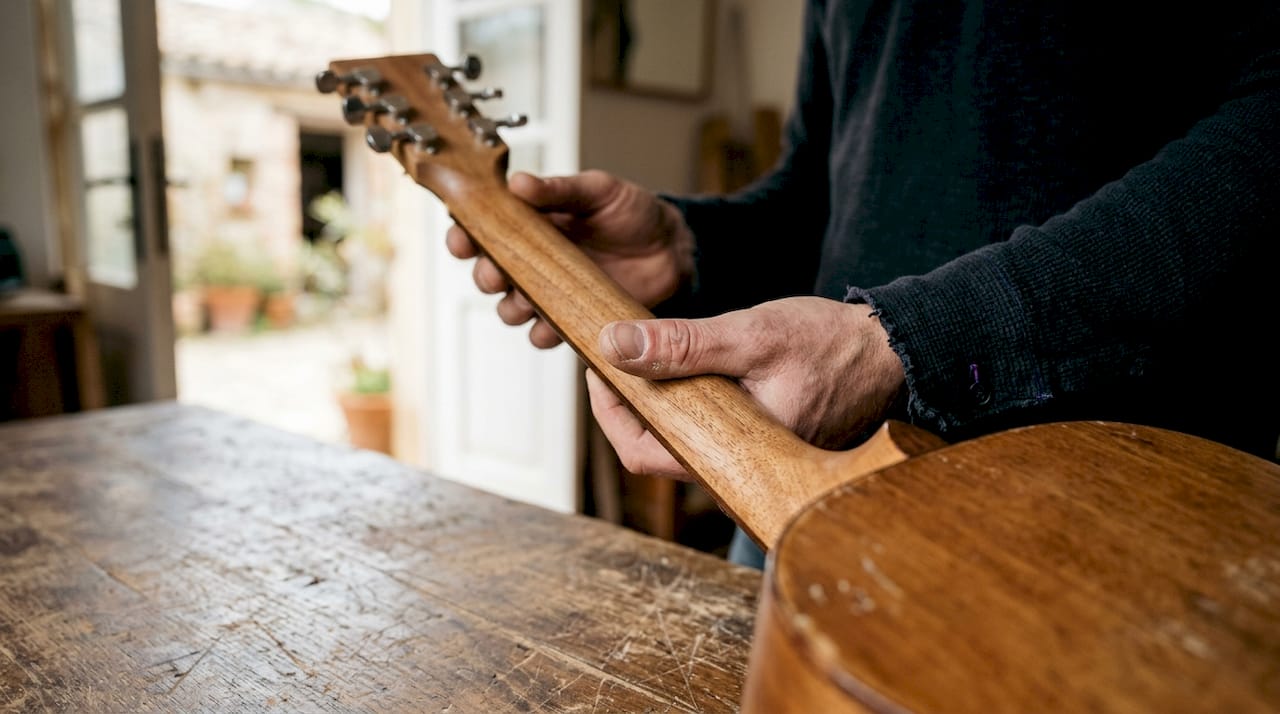
Pro Tip: When evaluating handcrafted guitars, examine binding corners and inlay work closely. Clean, tight joinery without gaps or glue squeeze out indicates meticulous craftsmanship that likely extends to less visible structural elements.
The personal connection between builder and instrument creates intangible value. Many handcrafted guitars carry stories about their creation, the wood sources, or the luthier’s inspiration. This narrative dimension transforms guitars from mere tools into artifacts with meaning. Players often describe feeling a spiritual connection to handcrafted instruments, sensing the care invested in their creation. While subjective, these emotional responses influence satisfaction and playing inspiration in ways that acoustic measurements cannot capture.
Sound quality: subtle differences and listener preferences
Scientific investigation reveals surprising complexity in guitar tone perception. Research on soundboard damping found no significant perceptual effect from material damping properties, challenging long held assumptions about how wood characteristics influence sound. This suggests that factors beyond raw material properties determine tonal character. Construction methods, bracing patterns, and structural geometry likely contribute more to perceived tone than the intrinsic damping of individual wood pieces.
Blind listening tests provide humbling insights into tone preferences. When players compared a $2,000 handcrafted guitar against a $500 factory model without visual cues, 60% correctly identified differences but preferences split nearly evenly. Some participants preferred the brighter, more aggressive tone of the budget instrument for certain musical styles. This demonstrates that expensive handcrafted guitars do not universally sound better, they sound different in ways that appeal to specific tastes and applications.
| Price Range | Identification Rate | Preference Split | Key Findings |
| — | — | — |
| Under $500 | Baseline comparison | 45% preferred | Brighter tone, aggressive attack |
| $500 to $2,000 | 60% accuracy | 50/50 split | Nuanced differences, style dependent |
| Over $2,000 | Diminishing returns | 55% preferred | Subtle refinements, marginal gains |
Diminishing returns become apparent at higher price points. The tonal gap between a $500 and $2,000 guitar exceeds the difference between $2,000 and $5,000 instruments. Beyond certain thresholds, additional investment yields increasingly subtle improvements that only discerning ears in optimal conditions can detect. This reality conflicts with marketing narratives that position premium handcrafted guitars as categorically superior in sound quality.
Several factors explain why sound superiority remains elusive:
- Recording and amplification flatten acoustic nuances that players feel physically
- Room acoustics and playing technique influence tone more than guitar construction
- Individual ear sensitivity varies widely, making universal assessments impossible
- Musical context determines which tonal characteristics serve the music best
- Psychological factors like visual aesthetics influence perceived sound quality
Pro Tip: Test guitars in contexts matching your actual playing environments. A guitar that sounds magnificent in a quiet shop may disappoint in a live band setting, while an instrument that feels uninspiring solo might cut through perfectly in ensemble situations.
The difference between vintage and new guitars includes aging effects that add complexity independent of handcrafted versus factory construction. Wood cellular structure changes over decades, potentially enhancing resonance and harmonic richness. However, these aging benefits apply equally to well made factory guitars given sufficient time. Handcrafted construction does not monopolize the sonic advantages of age.
Subjective preference ultimately matters more than objective measurements. Two players can evaluate the same guitar using identical criteria and reach opposite conclusions about its tonal merit. Musical background, genre preferences, and even mood during evaluation influence assessments. Recognizing this subjectivity helps collectors and musicians make choices aligned with personal values rather than chasing mythical perfect tone that exists more in marketing than reality.
Why collectors and musicians value handcrafted guitars beyond sound
Investment potential drives significant collector interest in handcrafted instruments. Limited production runs and builder reputations create scarcity that supports value appreciation. Guitars from renowned luthiers often appreciate faster than inflation, making them alternative investments that provide utility and enjoyment while potentially generating returns. Estate sales and auction results demonstrate that exceptional handcrafted guitars can multiply in value over decades, especially instruments with documented provenance and historical significance.
Nostalgia and historical connection add emotional dimensions that pure sound quality cannot provide. Owning a guitar built using traditional methods connects players to centuries of musical heritage. Collectors prize vintage guitars even in imperfect condition because they represent specific eras, cultural movements, or technological transitions. A 1960s handcrafted classical guitar carries stories about the music created with it and the social context of its origin.
Unique design features make handcrafted guitars irreplaceable. No two instruments from a small workshop share identical characteristics, giving each guitar distinct identity. This uniqueness appeals to collectors who value individuality over standardization. Custom inlays might reference personal symbolism, wood choices could reflect regional availability during construction, and structural decisions reveal the builder’s evolving philosophy. These elements transform guitars into artifacts that document craft traditions and individual artistic vision.
“The magic in a handcrafted guitar lies not just in its sound but in knowing that human hands shaped every curve, selected every piece of wood, and made countless small decisions that give the instrument its soul.”
Playability characteristics influence musician satisfaction as much as tone. Neck profiles, fingerboard radius, string spacing, and action height determine how effortlessly players execute techniques. Handcrafted guitars often receive more attention to setup details because builders prioritize player experience over production quotas. This results in instruments that feel intuitive and responsive, reducing physical effort and allowing musicians to focus on musical expression rather than fighting their equipment.
The appeal of vintage guitars demonstrates how factors beyond sound drive value:
- Historical significance connecting instruments to important musical movements
- Rarity from limited original production or survival rates
- Aesthetic preferences for vintage design elements and patina
- Perceived quality differences based on material availability and construction standards
- Emotional resonance from associations with admired musicians or personal memories
Personal connection between player and instrument creates satisfaction that transcends objective metrics. Musicians develop relationships with their guitars, learning their quirks and capabilities through hundreds of playing hours. Handcrafted instruments often facilitate deeper connections because their individual characteristics demand adaptation and exploration. This process of mutual accommodation between player and guitar generates loyalty and affection that factory uniformity rarely inspires.
How to choose your handcrafted guitar in 2026: practical considerations
Assessing craftsmanship quality requires examining both visible and hidden construction elements. Inspect binding joints for gaps, check fret ends for smoothness, and evaluate finish consistency across the body. Look inside the soundhole to examine bracing cleanliness and glue application. Quality handcrafted guitars show meticulous attention throughout, not just on cosmetically visible surfaces. Poor workmanship in hidden areas often correlates with compromised structural integrity that affects longevity and performance.
Sound preferences should guide selection more than reputation or price. Test multiple instruments across various price points and construction methods. Play familiar pieces that expose tonal characteristics important to your musical style. Record yourself playing different guitars and compare recordings later when visual bias cannot influence judgment. Some players discover that modestly priced handcrafted guitars suit their needs better than prestigious expensive alternatives.
Follow this selection process to make informed decisions:
- Define your primary use case and musical requirements clearly
- Establish a realistic budget that balances aspiration with financial prudence
- Research builders whose aesthetic and tonal philosophy aligns with your preferences
- Test instruments extensively in environments matching your typical playing conditions
- Evaluate playability factors like neck profile, string spacing, and action height
- Consider long term value retention and potential appreciation
- Document condition thoroughly if purchasing vintage or used instruments
- Verify authenticity and provenance through expert evaluation when appropriate
| Consideration | Handcrafted New | Handcrafted Vintage | Factory Premium |
| — | — | — |
| Initial cost | High | Variable | Moderate |
| Customization options | Extensive | None | Limited |
| Appreciation potential | Moderate | High | Low |
| Immediate availability | Low | Variable | High |
| Setup quality | Excellent | Requires evaluation | Good |
Rarity and collectible potential matter primarily for investment oriented purchases. Research which builders have established track records of value appreciation and market demand. Limited edition models or guitars commemorating significant events often command premiums. However, rarity alone does not guarantee value growth. The builder’s reputation, instrument condition, and market trends interact to determine future worth.
Pro Tip: Use the vintage guitar buying checklist to systematically evaluate condition, authenticity, and value before committing to significant purchases. This structured approach prevents emotional decisions that lead to buyer’s remorse.
Emotional and aesthetic appeal deserve serious consideration despite their subjective nature. If a guitar inspires you to play more and explore musical ideas, it delivers value regardless of objective measurements. Visual beauty, tactile satisfaction from smooth finishes, and pride of ownership contribute to long term satisfaction. Many players keep guitars primarily for their inspirational qualities rather than practical superiority over alternatives.
Budget discipline prevents overextending financially for marginal improvements. The handmade guitar buying guide emphasizes matching expenditure to actual playing level and commitment. Beginners and intermediate players often benefit more from investing in lessons and practice time than purchasing instruments beyond their current skill to fully appreciate. Advanced players with refined preferences can justify premium handcrafted guitars that address specific tonal and playability requirements.
Explore unique handcrafted and vintage guitars
Now that you understand what distinguishes handcrafted guitars and how to evaluate them effectively, exploring curated collections helps you find instruments matching your specific criteria. Vintage Guitar World specializes in handcrafted, vintage, and rare guitars selected for quality, historical significance, and playability. Their expert evaluation ensures authenticity and condition transparency, reducing risk in vintage purchases.

Discover why vintage guitars inspire collectors and musicians through detailed instrument histories and craftsmanship insights. Access comprehensive buying instructions that guide you through selection, evaluation, and purchase processes. Browse the complete selection of classical, flamenco, acoustic, and electric guitars to find instruments that combine exceptional craftsmanship with investment potential and playing satisfaction.
FAQ
What makes handcrafted guitars more valuable to collectors?
Handcrafted guitars derive value from rarity, unique design elements, and historical significance that mass production cannot replicate. Limited production numbers from individual luthiers create scarcity that supports price appreciation over time. Collectors also prize the documented provenance and builder reputation that authenticate handcrafted instruments. Nostalgia and emotional connection to specific eras or building traditions add intangible value beyond functional considerations.
Do handcrafted guitars always sound better than factory-made ones?
Sound differences between handcrafted and factory guitars exist but preferences vary significantly among listeners. Blind listening tests show that while 60% of players identify differences, preferences split evenly and some favor brighter factory guitar tones for certain styles. Material properties like soundboard damping have minimal perceptual impact according to scientific studies. Context, playing style, and individual ear sensitivity determine which tonal characteristics serve specific musical needs best.
How can I tell if a handcrafted guitar is a good investment?
Evaluate rarity, condition, builder reputation, and historical significance when assessing investment potential. Research market trends for specific luthiers and models to identify appreciation patterns. Well maintained instruments with documented provenance from renowned builders typically retain value better than obscure examples. Consult guitar valuation resources and expert appraisers before significant purchases. Remember that guitars purchased primarily for investment may not align with your playing preferences, so balance financial and musical considerations.
What craftsmanship details should I examine when buying handcrafted guitars?
Inspect binding joints for gaps, examine fret ends for smooth finishing, and check finish consistency across all surfaces. Look inside the soundhole to evaluate bracing cleanliness, glue application, and structural integrity. Test tuning machine smoothness and verify proper neck angle and action height. Quality handcrafted guitars show meticulous attention in hidden areas, not just cosmetically visible surfaces. Poor workmanship in structural elements often indicates compromised longevity regardless of aesthetic appeal.
Why do some players prefer factory guitars over handcrafted models?
Factory guitars offer consistency, immediate availability, and often brighter tones that suit specific musical styles. Modern manufacturing achieves impressive quality control and precision that some players prefer over handcrafted variability. Price accessibility allows musicians to own multiple instruments for different applications rather than investing heavily in single handcrafted guitars. Playing preferences ultimately matter more than construction method, and factory instruments serve many musicians perfectly well for their musical goals and contexts.