














Finding the perfect vintage guitar often feels like searching for a hidden treasure in the world of collectible instruments. Every collector and musician wants a rare piece that matches their true musical style and stands the test of time. Understanding your preferences, budgets, and the forces that drive market value brings you closer to owning a historically significant guitar. This guide offers expert strategies to help you make a confident, secure purchase of a pre-owned classic that delivers lasting craftsmanship.
Table of Contents
- Step 1: Assess Your Preferences and Budget
- Step 2: Research Models and Market Value
- Step 3: Connect with Reputable Sellers
- Step 4: Authenticate and Inspect Guitars
- Step 5: Finalize Your Purchase Securely
Quick Summary
| Major Insight | Explanation |
|---|---|
| 1. Assess Your Musical Goals | Understand your genres, skill level, and purpose for the guitar to guide your search effectively. |
| 2. Set a Realistic Budget | Determine an achievable budget, considering additional costs for restoration or setup, to avoid overspending. |
| 3. Research Model Value Factors | Investigate keys like brand reputation and condition to ensure you understand a vintage guitar’s market worth. |
| 4. Verify Seller Credibility | Connect with trustworthy sellers who provide documentation and have a solid reputation to safeguard your investment. |
| 5. Authenticate and Inspect Carefully | Conduct detailed inspections, checking provenance and condition to avoid counterfeits when purchasing a vintage guitar. |
Step 1: Assess Your Preferences and Budget
Buying a vintage guitar requires thoughtful consideration of your personal musical goals and financial capacity. Experts recommend understanding your specific preferences before diving into the complex world of collectible instruments.
Start by evaluating several key aspects of your musical journey. Consider these fundamental questions:
- What musical genres do you primarily play?
- What is your skill level as a musician?
- Do you want a guitar for performance, recording, or collecting?
- Are you seeking a playable instrument or a museum-quality piece?
Your budget will significantly impact your vintage guitar search. Vintage guitars can range from $1,500 to over $500,000, depending on rarity, condition, and historical significance. Set a realistic budget that balances your financial comfort with your musical aspirations.
Pro tip: Always allocate an additional 10-15% of your budget for potential restoration or professional setup costs.
Research market prices by attending guitar shows, consulting collector guides, and networking with experienced vintage guitar enthusiasts. This groundwork will help you make an informed decision.
Pro tip: Consider your long-term musical goals and choose a vintage guitar that will grow with your skills and passion.
Step 2: Research Models and Market Value
Diving into the vintage guitar market requires strategic research and a keen understanding of investment potential. Current vintage guitar price guides reveal complex factors that determine an instrument’s true market value.
Start by investigating key value determinants for vintage guitars:
- Instrument age and manufacturing era
- Original manufacturer’s brand reputation
- Condition and preservation quality
- Provenance and historical documentation
- Rarity of specific model or production run
Understanding market trends is crucial. Some vintage guitars appreciate like fine art investments, while others maintain more modest value trajectories. Serious collectors focus on meticulously documented instruments with verifiable historical significance.
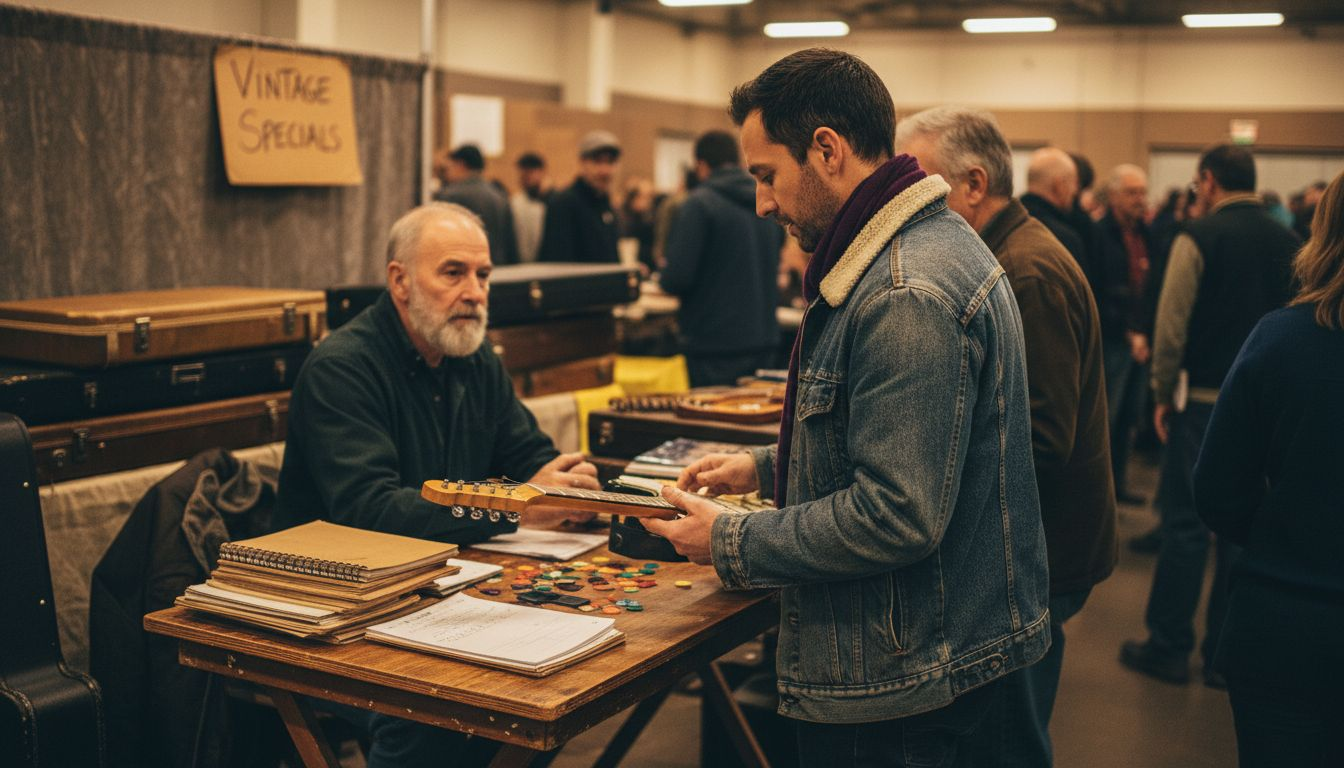
Here’s a quick reference overview of what impacts a vintage guitar’s value most:
| Value Factor | Why It Matters | Typical Impact |
|---|---|---|
| Brand Reputation | Well-known makers attract collectors | Significant premium |
| Age and Era | Certain decades are highly sought after | Can double value |
| Provenance | Documented history increases desirability | Major price boost |
| Original Components | Authentic parts add to collectibility | Raises market price |
| Condition | Excellent preservation is rare | Value can skyrocket |
Vintage guitar values are driven by collector demand, not just musical utility.
Develop a systematic research approach by consulting specialized vintage guitar publications, attending collector shows, and networking with experienced guitar historians. Each piece of research increases your understanding and investment confidence.
Pro tip: Always request and verify detailed authentication documentation before making a significant vintage guitar purchase.
Step 3: Connect with Reputable Sellers
Navigating the vintage guitar market requires finding trustworthy sellers who understand the nuanced world of collectible instruments. Experts recommend carefully researching seller backgrounds to ensure authenticity and quality of your potential purchase.
When seeking reputable sellers, consider these key strategies:
- Check seller reputation and historical track record
- Verify professional credentials in vintage guitar sales
- Request comprehensive documentation for each instrument
- Examine detailed condition reports
- Confirm transparent return and authentication policies
Different platforms offer unique opportunities for connecting with reliable vintage guitar sellers. Physical guitar shows, specialized online marketplaces, and professional auction houses provide structured environments with built-in credibility checks.
To help decide where to buy your vintage guitar, compare common seller types:
| Seller Type | Trust Level | Documentation Provided | Buying Environment |
|---|---|---|---|
| Guitar Show | High (in-person) | Physical inspection possible | Community-driven, direct |
| Online Marketplace | Varies | Photos, written info | Convenient, remote |
| Auction House | Professional | Comprehensive, formal | Structured, competitive |
| Private Seller | Variable | By request only | Negotiation-based |
Trust is the most valuable currency in vintage guitar transactions.
Build relationships with sellers by asking detailed questions about an instrument’s history, previous ownership, and any restoration work. Experienced collectors understand that communication is key to making an informed purchase.
Pro tip: Always request high-resolution photographs from multiple angles and ask for a written condition report before finalizing any vintage guitar transaction.
Step 4: Authenticate and Inspect Guitars
Authententicating a vintage guitar requires a meticulous approach that goes beyond surface-level examination. Professional authentication methods involve comprehensive instrument evaluation to verify its true historical value and originality.
When inspecting a potential vintage guitar, focus on these critical authentication criteria:
- Serial number verification
- Wood grain and construction consistency
- Original hardware and electronic components
- Finish quality and age indicators
- Signs of professional restoration or repair
Detailed physical inspection is crucial. Use a bright light and magnifying glass to examine every inch of the instrument. Look for tell-tale signs of authenticity such as natural wood aging, original hardware patina, and consistent manufacturing techniques from the guitar’s supposed era.
Authenticity is about understanding the guitar’s entire history, not just its current appearance.
Consider hiring a professional vintage guitar authenticator if you are making a significant investment. Their expertise can reveal subtle details that untrained eyes might miss, protecting you from potential counterfeits.
Pro tip: Always request and thoroughly review original documentation, including detailed provenance records and manufacturer certificates, before finalizing any vintage guitar purchase.
Step 5: Finalize Your Purchase Securely
The final stage of acquiring a vintage guitar requires careful navigation to protect your significant investment. Reputable dealers recommend specific purchase protocols that safeguard both buyer and seller interests.
When preparing to complete your vintage guitar transaction, focus on these critical secure purchasing steps:
- Confirm comprehensive seller warranties
- Review detailed return policies
- Understand full payment protection mechanisms
- Request written authentication documentation
- Verify secure payment platform options
Careful contract review is essential. Read every detail of the sales agreement, paying special attention to clauses regarding instrument condition, return windows, and potential restoration responsibilities. Negotiate transparently and ensure all verbal agreements are documented in writing.
A well-documented purchase protects your investment more effectively than verbal assurances.
Consider using secure escrow services that hold funds until you have physically received and inspected the instrument. This approach provides an additional layer of transactional security, giving you time to verify the guitar meets all promised specifications.
Pro tip: Always photograph and document the guitar’s condition immediately upon receipt, comparing it against the seller’s original description to protect your purchase rights.
Discover Your Perfect Vintage Guitar with Confidence
Navigating the complexities of buying vintage guitars can be challenging. From assessing your preferences and budget to authenticating the instrument and securing the purchase trustworthy expertise and quality assurance become essential. If you seek a carefully curated selection of rare and well-maintained guitars combined with expert evaluation and detailed provenance information Vintage Guitar World is your ideal partner.

Explore our collection at Vintage Guitar World Shop where each guitar undergoes thorough inspection and certification to ensure authenticity and excellent condition. Benefit from personalized guidance and detailed product histories that align with the expert tips shared in the guide. Start your journey today to find a vintage guitar crafted to satisfy both your musical passion and investment confidence.
Frequently Asked Questions
What key factors should I assess when buying a vintage guitar?
Evaluating your personal musical goals, preferences, and budget is essential. Consider what genres you play, your skill level, and whether you’re buying for performance or collecting.
How can I determine the market value of a vintage guitar?
Understanding the age, brand reputation, condition, provenance, and rarity is crucial to assessing a vintage guitar’s market value. Research these factors to inform your buying decision, focusing on recent price trends and collector guides.
What steps should I take to verify a seller’s reputation?
Check the seller’s historical track record, request documentation for each instrument, and verify professional credentials in vintage guitar sales. Build a relationship by asking detailed questions about the guitar’s history and condition.
What should I look for when authenticating a vintage guitar?
Focus on verifying the serial number, examining the wood grain and construction quality, and checking for original hardware. Use a bright light for inspection and, if needed, engage a professional authenticator for a thorough evaluation.
How can I ensure a secure purchase when buying a vintage guitar?
Confirm comprehensive seller warranties, review detailed return policies, and use secure payment methods. Document all agreements in writing, and consider using escrow services to protect your investment until you receive and inspect the guitar.