














Finding a guitar that truly stands out can feel elusive for musicians and collectors seeking more than just a familiar name or an old instrument. Vintage guitars offer unmatched value thanks to their exceptional craftsmanship, rich history, and distinctive warm tones that evolve with age. Understanding what qualifies as vintage, beyond myths tied to age or brand, empowers you to separate genuine treasures from mere relics. This article sheds light on the nuanced factors that set vintage guitars apart and helps you recognize their musical and cultural significance.
Table of Contents
- Defining Vintage Guitars And Common Myths
- Types And Eras Of Vintage Guitars
- Hallmarks Of Craftsmanship And Unique Sound
- Cultural Legacy And Historical Significance
- Investment Value And Smart Acquisition
- Vintage Vs. Modern Guitars Compared
Key Takeaways
| Point | Details |
|---|---|
| Definition of Vintage Guitars | Vintage guitars are unique instruments that combine artistry and historical significance, with their value depending on factors beyond just age. |
| Investment Considerations | When investing in vintage guitars, focus on rarity, condition, and provenance to maximize potential value. |
| Tonal Characteristics | Vintage guitars typically offer a warmer, more complex sound due to specialized craftsmanship and aging wood, contrasting with the brighter tones of modern instruments. |
| Cultural Impact | The electric guitar serves as a cultural icon, reflecting social movements and artistic expressions throughout history. |
Defining Vintage Guitars and Common Myths
Vintage guitars represent far more than mere musical instruments – they are living pieces of musical history with complex characteristics that extend well beyond simple age or brand recognition. These extraordinary instruments embody craftsmanship, sonic heritage, and cultural significance that modern mass-produced guitars often lack.
Understanding what truly defines a vintage guitar requires dispelling several persistent myths. Vintage guitar values depend on nuanced factors beyond simple age, including:
- Instrument condition
- Original components and authenticity
- Rarity of specific model or production year
- Historical significance
- Preservation of original structural integrity
Contrary to popular belief, not every guitar manufactured decades ago qualifies as a true vintage instrument. Serious collectors and musicians recognize that authentic vintage guitars possess exceptional build quality, unique tonal characteristics, and provable historical lineage.
The sonic profile of vintage guitars distinguishes them from contemporary instruments. These guitars typically produce a warmer, more resonant tone with distinctive woody undertones – a sound that modern manufacturing techniques struggle to replicate. Wood aging, traditional construction methods, and hand-crafted components contribute to their unparalleled acoustic properties.
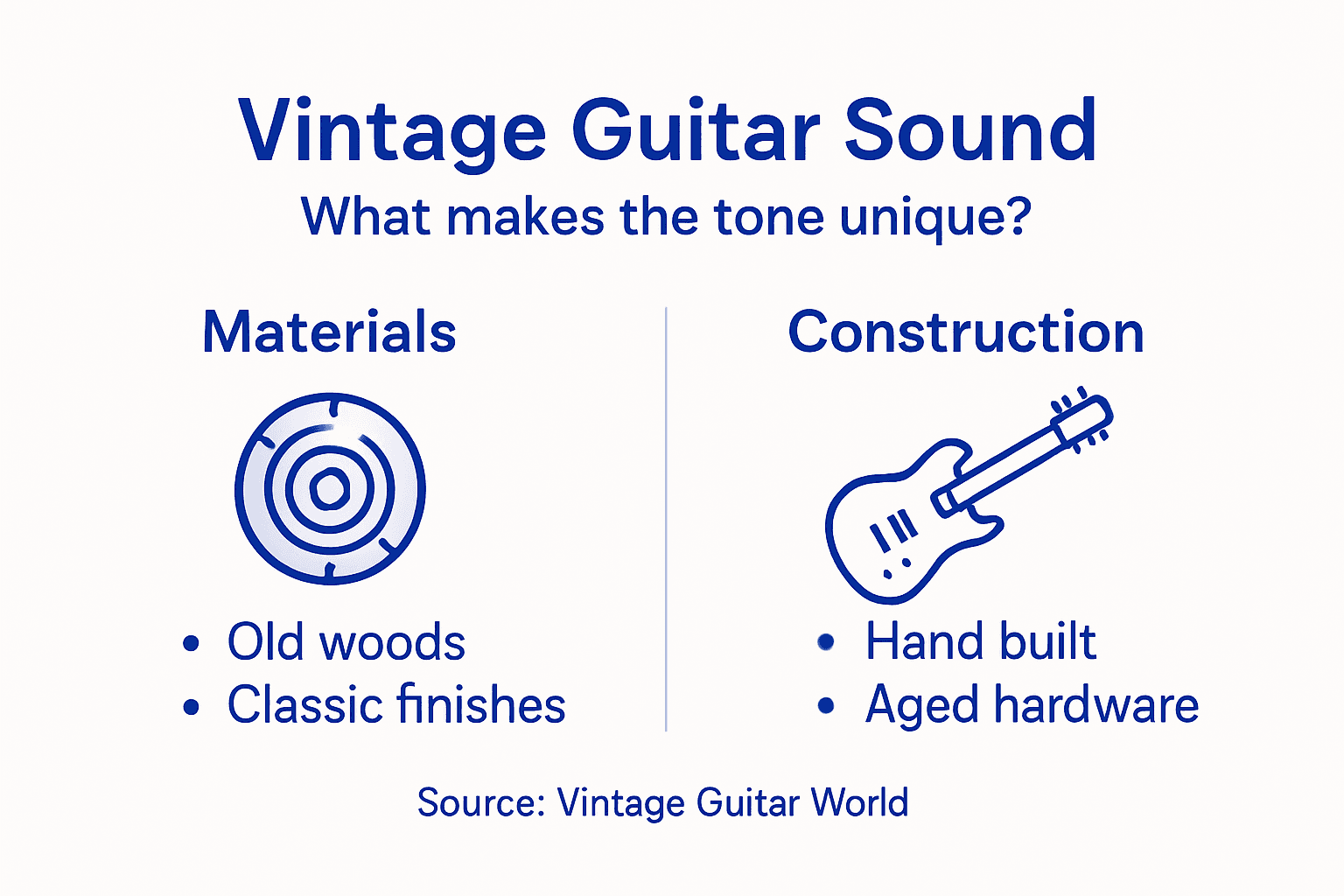
Pro tip: Always request detailed authentication documentation and professional evaluation before investing significant funds in a vintage guitar.
Types and Eras of Vintage Guitars
Vintage guitars represent a fascinating journey through musical evolution, with distinct characteristics spanning multiple decades. Typically defined as instruments manufactured over 30 years ago, these guitars encapsulate unique moments in musical craftsmanship and technological innovation.
The primary vintage guitar categories include:
- Acoustic Dreadnoughts: Pre-war designs featuring robust construction
- Solid-Body Electric Guitars: Mid-century instruments revolutionizing sound
- Hollow-Body Electric Guitars: Jazz and early rock era instruments
- Archtop Guitars: Intricate designs popular in early jazz and swing periods
Historical eras dramatically influenced guitar design and sound. The 1950s emerged as a golden age for electric guitars, with iconic makers like Fender and Gibson introducing groundbreaking models that would define generations of music. Each era presented distinctive features – from pre-war acoustic nuances to the electrifying innovations of mid-century instrument manufacturing.
Musical genres played a crucial role in shaping vintage guitar development. Blues, jazz, rock, and country musicians each influenced design characteristics, driving manufacturers to create instruments that could deliver increasingly sophisticated sonic capabilities. Wooden construction, hardware quality, and manufacturing techniques became progressively more refined, resulting in instruments that were not just tools, but true works of art.
Here’s a concise comparison of vintage guitar eras and their musical impact:
| Era | Notable Features | Key Influence |
|---|---|---|
| Pre-1950s | Hand-crafted, rare woods | Acoustic blues and jazz |
| 1950s-1960s | Groundbreaking electrics | Rock and roll revolution |
| 1970s | Diverse designs, innovation | Progressive rock, fusion |
Pro tip: When evaluating vintage guitars, examine not just the instrument’s age, but its historical context, original manufacturing techniques, and preservation quality.
Hallmarks of Craftsmanship and Unique Sound
Vintage guitars represent an extraordinary fusion of musical artistry and exceptional craftsmanship, with hand-built instruments from the 1950s to 70s showcasing remarkable quality. These instruments are distinguished by their meticulous construction and extraordinary attention to material selection.
Key hallmarks of vintage guitar craftsmanship include:
- Rare Wood Selection: Premium materials like Brazilian rosewood and Honduran mahogany
- Hand-Built Construction: Individual artisan techniques versus mass production
- Precise Joinery: Exceptional woodworking skills and structural integrity
- Unique Finishing Techniques: Complex, often labor-intensive coating processes
- Custom Hardware: Individually sourced and carefully selected components
The sonic characteristics of vintage guitars emerge from their exceptional construction and material properties. Wood selection plays a critical role in tonal development, with aged woods producing deeper, more resonant sounds that modern manufacturing struggles to replicate. Each instrument develops a unique voice through years of playing, with wood fibers gradually settling and vibration patterns becoming more refined.
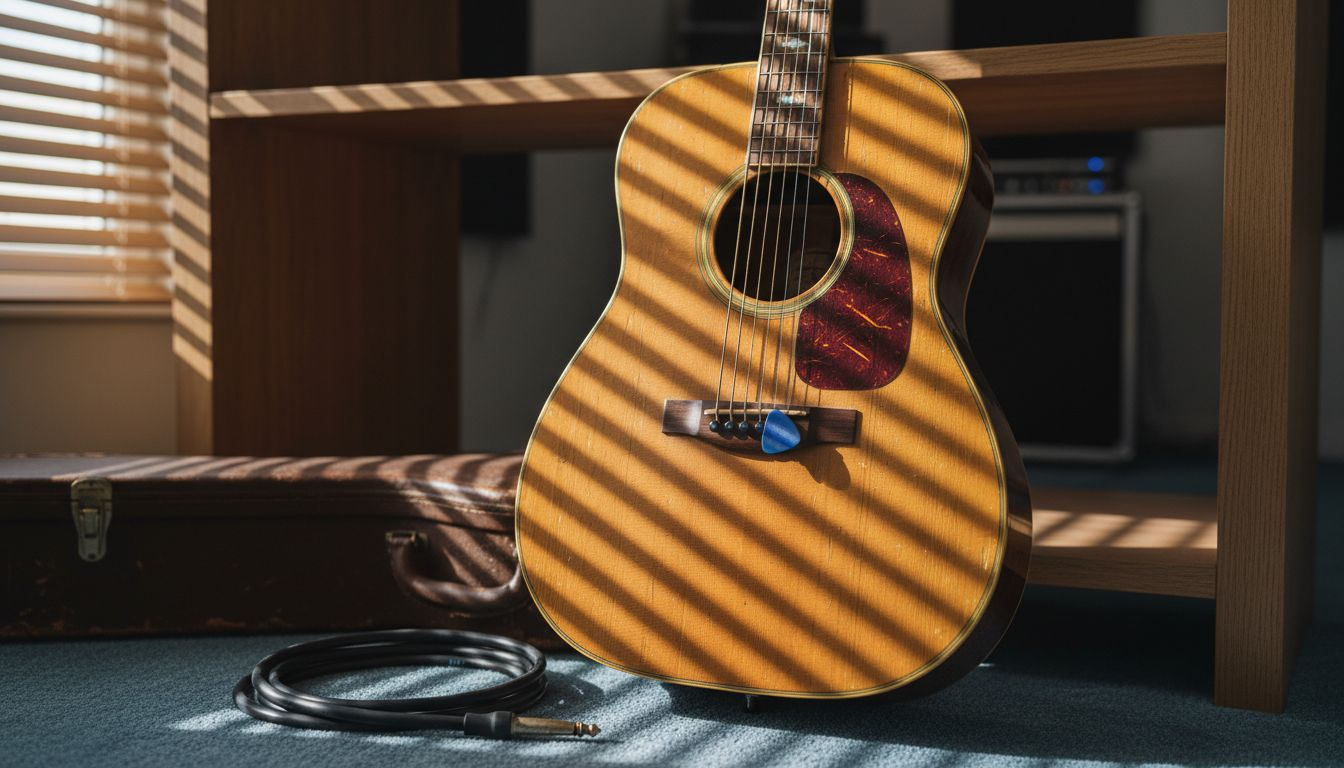
Beyond technical specifications, vintage guitars embody a cultural and artistic legacy. The wear patterns, subtle imperfections, and historical context transform these instruments from mere musical tools into genuine works of art. Professional musicians and collectors appreciate how these guitars carry not just sound, but stories – each scratch and patina representing a moment in musical history.
Pro tip: Invest time in understanding an instrument’s provenance, as the story behind a vintage guitar can be just as valuable as its physical characteristics.
Cultural Legacy and Historical Significance
The electric guitar represents far more than a musical instrument – it is a profound cultural artifact that has transformed artistic expression and societal identity. From its humble beginnings in the early 20th century to its iconic status by mid-century, the guitar became a powerful symbol of rebellion, creativity, and social change.
Key historical milestones of the guitar’s cultural journey include:
- Blues and Jazz Origins: Representing African American musical innovation
- Rock and Roll Revolution: Symbolizing youth rebellion and cultural transformation
- Global Musical Dialogue: Bridging cultural boundaries through sound
- Technological Innovation: Reflecting advances in design and manufacturing
- Social Movement Soundtrack: Amplifying voices of generational change
Beyond its musical function, the guitar emerged as a powerful medium of social communication. Musicians used these instruments to challenge societal norms, express political perspectives, and create shared cultural experiences. Each genre – from blues to rock, folk to punk – used the guitar as a storytelling tool that transcended mere musical performance.
The guitar’s significance extends into visual culture, film, fashion, and broader artistic expression. Iconic musicians transformed these instruments from functional objects into symbols of personal identity, social movement, and generational aspiration. The wear, modifications, and individual character of vintage guitars tell complex stories about the musicians who played them and the eras they represented.
Pro tip: Research the specific history of a vintage guitar to understand its unique cultural narrative and emotional resonance.
Investment Value and Smart Acquisition
Vintage guitars represent a unique investment opportunity that blends musical passion with financial potential, with strategic acquisition requiring careful market research and expert evaluation. Unlike traditional financial assets, these instruments offer both aesthetic enjoyment and potential monetary appreciation.
Key considerations for smart vintage guitar investment include:
- Rarity and Limited Production: Focus on low-volume, unique models
- Brand Reputation: Prioritize guitars from prestigious, historically significant manufacturers
- Condition Preservation: Maintain original components and minimal restoration
- Provenance Documentation: Verify historical background and ownership history
- Market Trend Analysis: Understand current collector preferences and emerging value indicators
Authenticity emerges as a critical factor in vintage guitar valuation. Serious collectors and investors meticulously examine every detail – from original hardware and wood grain to subtle manufacturing nuances that distinguish genuine collectible instruments from mere replicas. These microscopic characteristics can dramatically influence an instrument’s market value and long-term investment potential.
Beyond financial considerations, vintage guitars offer intangible value through their historical narrative. Each instrument carries a unique story, representing not just a musical tool but a tangible connection to specific cultural moments. Investors who understand this deeper significance can make more informed acquisition decisions, recognizing that true value extends far beyond monetary metrics.
Pro tip: Consult multiple expert appraisers and maintain comprehensive documentation to protect your vintage guitar investment.
Vintage vs. Modern Guitars Compared
The evolution of guitar design reveals a fascinating narrative of musical innovation, with comparative research highlighting nuanced differences in craftsmanship and performance. Modern guitars and vintage instruments represent distinct approaches to musical engineering, each offering unique qualities that appeal to different musicians and collectors.
Key comparative characteristics include:
- Craftsmanship:
- Vintage: Hand-built, individual artisan techniques
- Modern: Precision manufacturing, consistent quality
- Tonal Qualities:
- Vintage: Warm, complex resonance
- Modern: Bright, consistent sound
- Material Selection:
- Vintage: Premium, rare wood species
- Modern: Engineered materials, sustainable alternatives
- Reliability:
- Vintage: Unique but potentially less consistent
- Modern: Enhanced structural stability
Vintage guitars distinguish themselves through extraordinary acoustic properties that modern manufacturing struggles to replicate. The natural aging of wood, combined with traditional construction techniques, creates a sonic signature that goes beyond mere technical specifications. Wood fibers settle and vibration patterns mature, generating a depth of sound that feels almost alive.
Modern guitar production prioritizes consistency and technological innovation. Computer-aided design, precise manufacturing tolerances, and advanced material science enable manufacturers to create instruments with remarkable playability and reliability. However, this technological precision often comes at the cost of the organic, slightly imperfect character that makes vintage guitars so compelling to collectors and serious musicians.
Below is a summary of what distinguishes genuine vintage guitars from modern instruments:
| Aspect | Vintage Guitars | Modern Guitars |
|---|---|---|
| Tone | Warm, organic, unique | Bright, consistent, reliable |
| Craftsmanship | Hand-built, artisanal methods | Precision, machine manufacturing |
| Materials | Rare woods, traditional hardware | Engineered materials, alternatives |
| Investment Value | Appreciates with provenance | Mostly stable, limited growth |
Pro tip: Play multiple instruments across different eras to develop a nuanced understanding of how manufacturing techniques influence musical expression.
Discover Authentic Vintage Craftsmanship at Vintage Guitar World
The article highlights the deep appreciation for authentic vintage guitars that blend unparalleled craftsmanship, unique tonal qualities, and rich cultural legacy. You might be facing challenges like ensuring instrument authenticity, evaluating condition, or finding rare guitars that truly embody musical history and investment value. At Vintage Guitar World, we understand these concerns and specialize in offering a carefully curated selection of high-quality vintage guitars that meet the exacting standards mentioned in the article, including original components and expert preservation.
Explore our collection where every guitar comes with detailed historical context, rigorous expert evaluation, and certification to help you confidently connect with your perfect instrument. Whether you seek the warm, resonant tones of decades past or a one-of-a-kind guitar with a unique story, we provide personalized care and guidance designed for passionate collectors and professional musicians alike.
Experience the craftsmanship and legacy you have read about firsthand by visiting Vintage Guitar World’s main site.
Elevate your musical journey today.
Are you ready to find the vintage guitar that speaks to your soul and elevates your sound? Discover our exclusive collection of expertly restored and authenticated vintage guitars.

Start your search at Vintage Guitar World now to access rare instruments chosen for their historical significance and sound excellence. Don’t miss the opportunity to own a true piece of musical heritage.
Frequently Asked Questions
What defines a vintage guitar?
A vintage guitar is typically defined as an instrument that is over 30 years old, characterized by exceptional craftsmanship, unique tonal qualities, and historical significance, rather than just its age.
What are the main differences between vintage and modern guitars?
Vintage guitars are often hand-built using rare woods and traditional manufacturing techniques, resulting in warm, complex tones. Modern guitars, on the other hand, utilize precision manufacturing and engineered materials, offering consistency and reliability but often lack the unique sonic qualities of vintage instruments.
How does the material selection affect the sound of vintage guitars?
The use of premium and rare woods in vintage guitars, such as Brazilian rosewood and Honduran mahogany, contributes to their rich, resonant sound. Aged wood enhances the tonal depth and complexity that modern manufacturing struggles to replicate.
Why should one consider investing in vintage guitars?
Investing in vintage guitars can offer both financial potential and emotional value. These instruments often appreciate over time, especially those with notable provenance, while also serving as unique cultural artifacts that tell the story of musical history.