












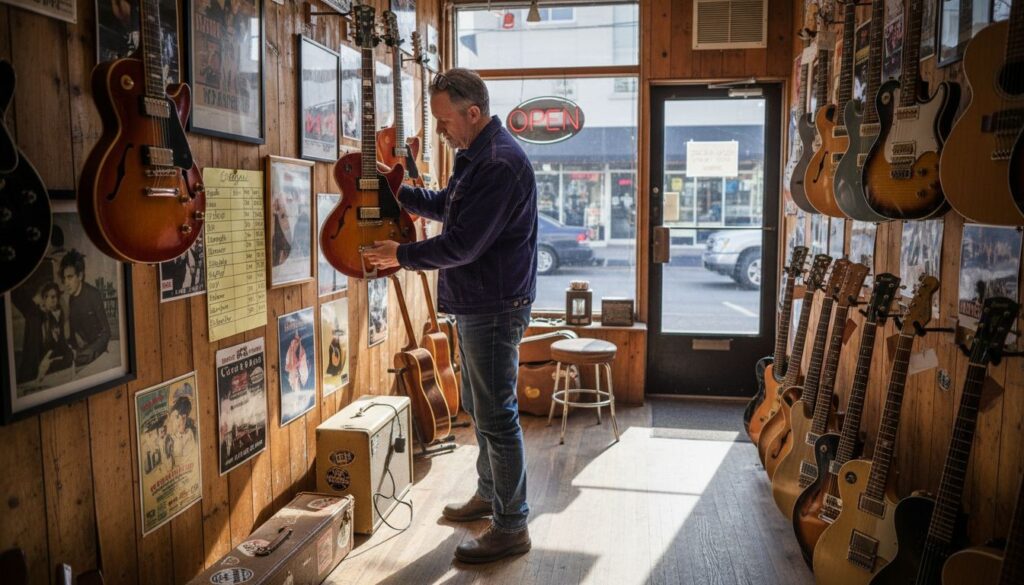

For serious collectors and professional musicians, the global vintage guitar market has entered a new era of complexity and promise. As collector demand fuels 46% of market growth and electric models capture 52% of preferences, navigating authenticity concerns and rising values requires sharp insight. With digital tools and scientific authentication methods reshaping verification, this evolving market now offers both opportunity and challenge for those ready to invest in exceptional instruments with proven heritage.
Table of Contents
- Defining Vintage Guitar Market Dynamics
- Types and Eras Shaping Market Value
- Key Characteristics Driving Guitar Demand
- Authenticity Challenges and Verification Methods
- Pricing, Resale, and Investment Strategies
- Common Collector Mistakes and Market Risks
Key Takeaways
| Point | Details |
|---|---|
| Collector Demand Drives Growth | Collector interest is a key driver, accounting for 46% of market expansion, particularly in electric guitars. |
| Provenance Enhances Value | Instruments with documented history and authenticity significantly increase in value, making it essential for investors to prioritize provenance. |
| Online Sales Are Dominant | Online channels represent 44% of market transactions, highlighting the importance of digital platforms for buying and selling vintage guitars. |
| Investment Strategies Are Critical | A strategic approach, including brand selection, condition preservation, and market trend analysis, is essential for successful vintage guitar investments. |
Defining Vintage Guitar Market Dynamics
The global vintage guitar market represents a sophisticated investment landscape where collectibility intersects with musical heritage. Global vintage guitar market trends reveal a complex ecosystem driven by passionate collectors and professional musicians seeking exceptional instruments with historical significance.
Key market dynamics emerging in 2026 demonstrate remarkable growth and transformation:
- Collector demand driving 46% of market expansion
- Electric guitar models representing 52% of market preference
- Online sales channels accounting for 44% of market transactions
- Acoustic guitar adoption increasing by 39%
The market’s evolution reflects deeper trends beyond mere financial transactions. Professional musicians and serious collectors are increasingly viewing vintage guitars not just as musical instruments, but as legitimate alternative investment assets. Authenticity and provenance have become critical factors determining an instrument’s value.
Market challenges include complex authentication processes, potential counterfeiting risks, and significant preservation requirements.
Vintage guitar market projections indicate substantial growth, with market size expected to escalate from USD 620.51 billion in 2025 to USD 941.73 billion by 2034. This represents a compelling compound annual growth rate of 4.26%, signaling robust investment potential.
Pro tip: When evaluating vintage guitar investments, prioritize instruments with documented provenance, exceptional condition, and historical significance.
Types and Eras Shaping Market Value
Vintage guitar markets reveal complex stratifications across different instrument types and historical periods. Vintage guitar market categories demonstrate distinctive investment characteristics that dramatically influence collector interest and market valuation.
The primary vintage guitar categories showcase unique market dynamics:
- Electric Vintage Guitars: Dominating 41% of market share
- Acoustic Vintage Guitars: Representing 28% of market transactions
- Bass Vintage Guitars: Accounting for 19% of collector interest
- Archtop Vintage Guitars: Comprising 12% of market segments
Historical eras play a crucial role in determining instrument value. Pre-1980 guitars, particularly those from the classic rock and blues revival periods, command premium prices due to their scarcity and cultural significance. Provenance documentation becomes an essential factor in authenticating and valuing these musical artifacts.
Handcrafted instruments produced before 1970 represent the most sought-after collectibles, with limited supply driving significant price appreciation.
Collectors and investors increasingly recognize vintage guitars as more than musical instruments – they are tangible pieces of cultural heritage. The intricate interplay between musical history, craftsmanship, and rarity creates a dynamic market where each instrument tells a unique story.
Here’s a side-by-side overview of key factors influencing vintage guitar value:
| Factor | Example Impact on Value | Typical Collector Concern |
|---|---|---|
| Provenance | Celebrity ownership boosts price | Ensuring authenticity documentation |
| Condition | Original finish increases worth | Avoiding over-restoration |
| Rarity | Limited runs are highly sought | Identifying production numbers |
| Historical Significance | 1960s guitars favored by investors | Linking to cultural milestones |
Pro tip: When evaluating vintage guitar investments, carefully assess the instrument’s era, original manufacturing techniques, and historical context to determine its true market potential.
Key Characteristics Driving Guitar Demand
The vintage guitar market represents a sophisticated ecosystem where musical passion intersects with strategic investment. Global vintage guitar trading patterns reveal fascinating insights into the complex drivers of collector and musician demand.
Key demand characteristics that significantly influence vintage guitar valuation include:
- Original Condition: Preservation of original components
- Rarity: Limited production numbers
- Historical Significance: Connection to notable musicians or cultural movements
- Sound Quality: Unique tonal characteristics
- Provenance: Documented history and authenticity
Professional musicians and serious collectors constitute the primary market segments, representing approximately 54% of annual transactions. These discerning buyers are not merely purchasing instruments but investing in pieces of musical heritage that transcend traditional asset classifications.
Authentic vintage guitars are viewed as complex investment assets that combine artistic, historical, and financial value.
The annual global trade of 1.8 million vintage guitars underscores the robust demand driven by collectors who appreciate the nuanced characteristics that transform an instrument from a mere musical tool into a valuable collectible. Craftsmanship, cultural context, and historical narrative emerge as critical factors distinguishing truly exceptional vintage guitars.
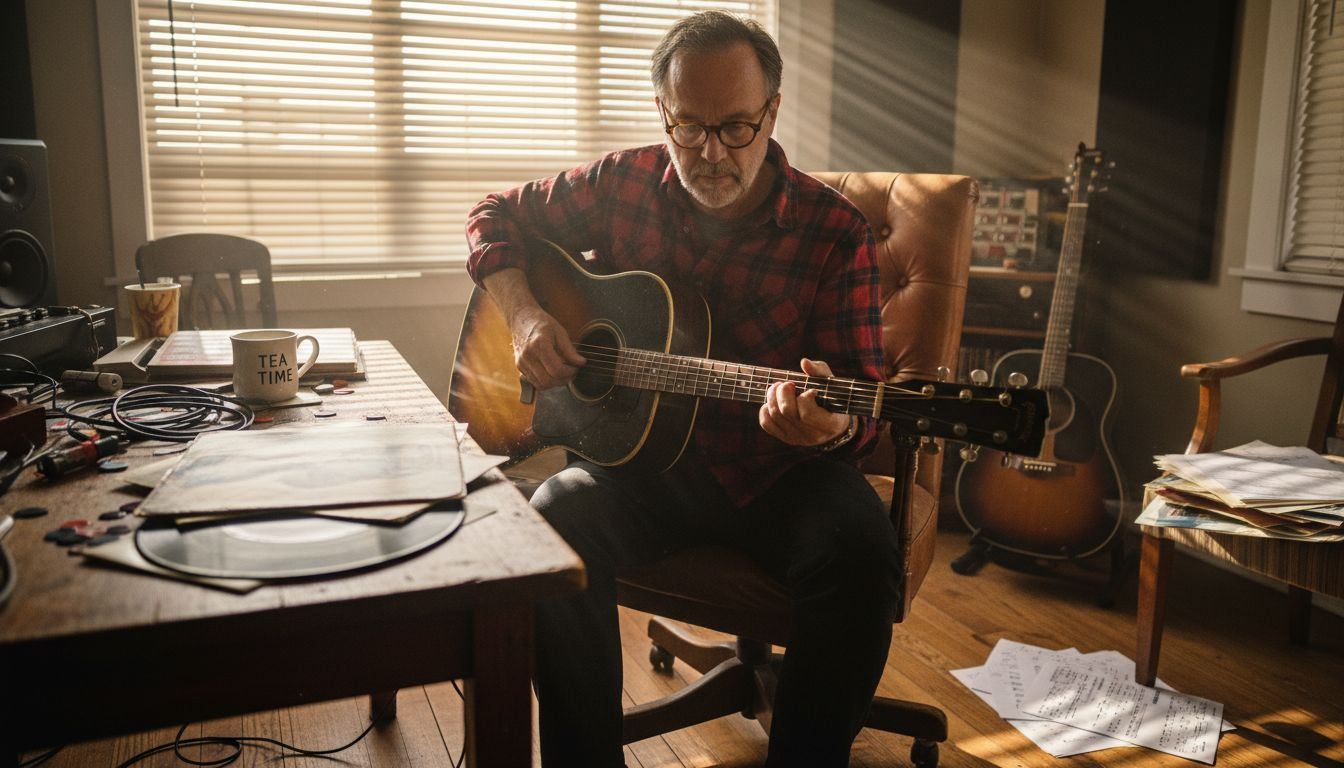
Pro tip: Prioritize guitars with comprehensive documentation, minimal modifications, and verifiable connections to significant musical moments to maximize investment potential.
Authenticity Challenges and Verification Methods
The vintage guitar market confronts significant challenges with counterfeit instruments and misrepresented provenance. Scientific guitar authentication methods are transforming how experts validate instrument origins and legitimacy.
Key verification techniques include:
- Material Spectrometry: Analyzing chemical composition of materials
- Microscopic Component Examination: Detailed structural analysis
- Historical Database Comparison: Cross-referencing manufacturing records
- Hardware Period Verification: Authenticating original components
- Digital Documentation Tracking: Establishing comprehensive instrument history
Modern authentication goes far beyond traditional visual inspection, employing advanced scientific methodologies that provide unprecedented precision. Technological innovation has become crucial in combating the rising tide of sophisticated counterfeits that threaten collector investments.
Advanced verification processes create transparency, protecting both collectors and investors from potential fraudulent transactions.
Scientific approaches now allow experts to definitively trace an instrument’s lineage, examining everything from finish composition to minute manufacturing details. These rigorous verification protocols represent a technological revolution in vintage guitar authentication, offering collectors unprecedented confidence in their acquisitions.
Comparison of scientific authentication methods for vintage guitars:
| Method | What It Detects | Advantage for Collectors |
|---|---|---|
| Material Spectrometry | Wood/finish chemical makeup | Identifies undisclosed refinish jobs |
| Microscopic Component Exam | Structural originality | Reveals hidden repairs or replacements |
| Historical Database Check | Production date, serial links | Verifies timeline and originality |
| Digital Documentation Track | Complete chain of ownership | Builds trust with transparent provenance |
Pro tip: Always request comprehensive scientific authentication documentation before making significant vintage guitar investments.
Pricing, Resale, and Investment Strategies
Vintage guitar investments represent a nuanced financial landscape that demands strategic understanding. Guitar investment strategies reveal complex considerations beyond traditional asset management approaches.
Key investment considerations include:
- Brand Selection: Focus on reputable manufacturers
- Authenticity Verification: Comprehensive certification processes
- Condition Preservation: Maintaining instrument integrity
- Market Trend Analysis: Understanding cyclical demand
- Diversification Approach: Spreading investment risk
Successful vintage guitar investments require deep expertise in evaluating historical significance, craftsmanship, and potential appreciation trajectories. Market knowledge becomes a critical differentiator between speculative purchasing and strategic collecting.
Professional collectors treat vintage guitars as sophisticated tangible assets with complex valuation metrics.
Wealth managers increasingly recognize vintage guitars as alternative investment vehicles that offer portfolio diversification. The intersection of musical heritage and financial strategy creates unique opportunities for investors who understand the intricate dynamics of the vintage instrument market.

Pro tip: Prioritize instruments with documented provenance, minimal modifications, and connections to significant musical movements to optimize investment potential.
Common Collector Mistakes and Market Risks
The vintage guitar market presents complex challenges that can trap unsuspecting collectors in costly pitfalls. Investment risks emerge from multiple interconnected factors that require sophisticated understanding and strategic navigation.
Common collector mistakes include:
- Impulse Purchasing: Buying without comprehensive research
- Overestimating Condition: Misinterpreting instrument wear and restoration
- Ignoring Provenance: Neglecting historical documentation
- Inadequate Authentication: Skipping professional verification
- Emotional Decision-Making: Allowing passion to override financial logic
Inexperienced collectors often underestimate the nuanced dynamics of vintage guitar investments. Emotional attachment can lead to significant financial misjudgments, where perceived value dramatically differs from actual market worth.
Market volatility and specialized knowledge create substantial risks for uninformed investors.
Successful collectors develop disciplined approaches that balance passionate appreciation with rigorous financial assessment. Understanding market trends, technological authentication methods, and potential value depreciation becomes crucial in mitigating investment risks.
Pro tip: Always consult multiple expert appraisals and maintain comprehensive documentation before finalizing any significant vintage guitar investment.
Discover Authentic Vintage Guitars Backed by Expertise and Provenance
Navigating the vintage guitar market challenges such as authenticity verification and preserving historical significance requires trusted expertise. At Vintage Guitar World, we understand the importance of provenance documentation, original condition, and careful authentication when investing in collectible instruments. We offer a curated selection of rare and expertly evaluated vintage guitars that meet the high standards discussed in the article on Vintage Guitar Market Trends. Whether you seek electric or acoustic guitars from iconic eras, our carefully chosen inventory helps you avoid common pitfalls like counterfeits or undervalued investments.

Explore our exclusive collection and access professional valuation and certification services that empower you to invest confidently. Visit Vintage Guitar World Shop today to find premium-grade guitars that blend craftsmanship, rarity, and heritage. Don’t wait to secure your place in this growing market and own a piece of musical history now.
Frequently Asked Questions
What are the key factors driving growth in the vintage guitar market?
Collector demand, which drives 46% of market expansion, along with the popularity of electric guitar models (52% market preference) and increased online sales (44% of transactions) are significant factors contributing to growth.
How can I assess the authenticity of a vintage guitar before purchasing?
Utilize scientific authentication methods such as material spectrometry, microscopic component examination, and historical database comparison to verify the instrument’s origin and legitimacy.
What characteristics significantly influence the value of a vintage guitar?
Key characteristics include original condition, rarity, historical significance, sound quality, and provenance. Instruments connecting to notable musicians or movements tend to command higher values.
What are the common mistakes collectors make when investing in vintage guitars?
Common mistakes include impulse purchasing, overestimating an instrument’s condition, neglecting provenance, skipping professional authentication, and allowing emotional decisions to impact financial logic.