
Faustino Conde – The Heart of Madrid’s Legendary Guitar-Making Dynasty
Few names resonate in the world of Spanish guitar making like Faustino Conde. Together with his brothers Mariano and Julio, Faustino carried forward the proud legacy of the Madrid school of lutherie, a tradition rooted in the work of their famous uncle, Domingo Esteso. From the difficult post–Civil War years through Spain’s musical renaissance of the mid-20th century, the Conde brothers shaped the sound of the modern flamenco and classical guitar — a sound that would eventually reach concert halls and recording studios across the world.
The Early Years – The “Viuda y Sobrinos de Esteso” Era (1940–1960)
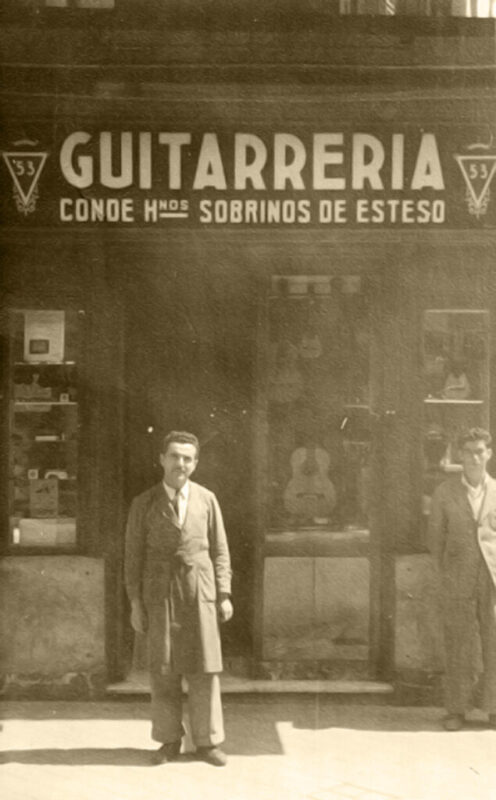
After the Spanish Civil War, the Esteso workshop reopened under the label “Viuda y Sobrinos de Esteso” (“Widow and Nephews of Esteso”). Out of respect for their aunt Nicolasa Salamanca, the widow of Domingo Esteso, the three brothers — Faustino, Mariano, and later Julio Conde — retained this name until her death in 1959.
During this period, the brothers worked tirelessly in the Madrid workshop, preserving the methods and spirit of their uncle while refining details that would define their own identity as luthiers. Faustino, the eldest, quickly became known for his exceptional skill in voicing and finishing guitars. His craftsmanship gave the instruments a distinctive warmth and depth — a marriage of tradition and innovation.
Innovation and Tradition in Harmony
Before 1953, the brothers introduced a new headstock design for their top models, known as the “Media Luna” (half-moon). This elegant, curved outline soon became one of the most recognizable symbols of the Conde dynasty. It was used alongside the original Esteso headstock, linking the family’s evolving craftsmanship with its historical roots.
In these years, the Conde brothers also began to design new rosette patterns and experimented subtly with the internal structure of their instruments. The result was a warm, resonant sound — guitars praised for their balance, clarity, and projection. This tonal richness reflected the brothers’ dedication to constant improvement without losing the essence of Esteso’s sound.
Growth and Expansion
With the increasing demand for high-quality Spanish guitars in the 1950s, the family business expanded. Around 1950, a new customer showroom and retail space was opened at Atocha No. 53, managed by Julio Conde. In 1957, a separate workshop was established at Pozuelo de Alarcón to produce student models, known as “guitarras de segunda”, which carried no signature or internal label.
During this fruitful era, many renowned guitarists played Conde instruments — Regino Sainz de la Maza, Alirio Díaz, Quintín Esquembre, Manolo de Huelva, and many others. Their performances helped solidify the reputation of Faustino Conde and his brothers as the true heirs of Madrid’s master builders.
A New Chapter – “Sobrinos de Domingo Esteso / Conde Hermanos” (1960–1988)
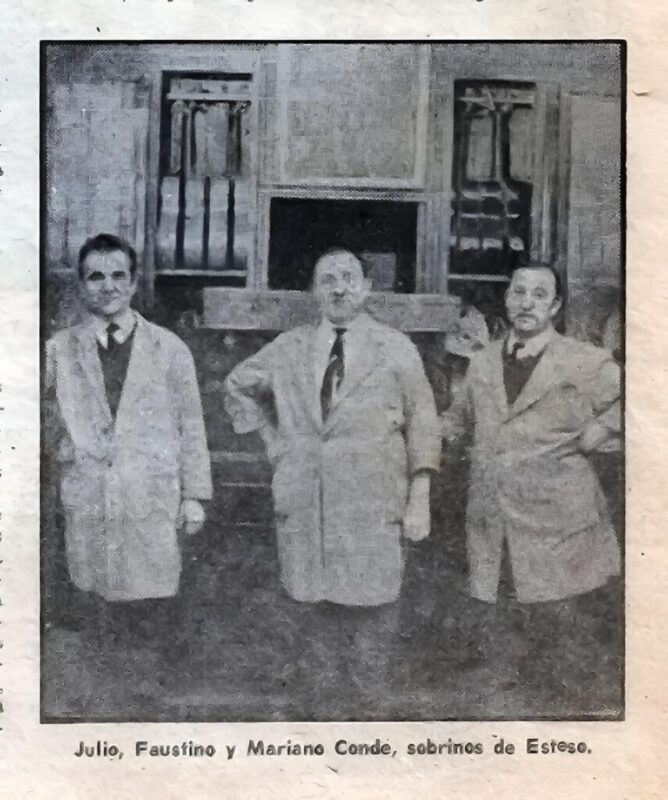
When Nicolasa Salamanca passed away in 1959, the brothers adopted a new workshop name: Sobrinos de Domingo Esteso / Conde Hermanos, used interchangeably with Hermanos Conde / Sobrinos de Esteso. This marked the beginning of what many collectors consider the “golden age” of the Conde workshop — with Faustino Conde at its artistic core.
Faustino’s Mastery and the Rise of the Media Luna
In 1960, Faustino and his brothers officially established the Media Luna headstock as the signature design for their top-of-the-line guitars. The graceful half-moon became a symbol of Madrid lutherie and a mark of distinction for professional players worldwide.
Under Faustino’s guiding hand, the workshop refined both plantilla (body outline) and top bracing patterns, optimizing projection and response. They also began to clearly differentiate between flamenco and classical models, giving each its own tonal personality and structural design.
The result was unmistakable — a characteristic Conde sound known for brilliance, volume, and soulful expressiveness. These instruments carried a unique identity, instantly recognizable to performers and audiences alike.
Faustino Conde and the Flamenco Revolution
The 1960s and 1970s saw the rise of modern flamenco as a concert art, and Faustino Conde’s guitars were at its very heart. In this period, he and his brothers pioneered the use of rosewood for flamenco guitars, previously reserved only for classical instruments.
This innovation gave birth to the “negra” flamenco guitar, offering greater volume and sustain — perfect for the concert stage. The legendary Paco de Lucía helped make this model world-famous, performing on a rosewood-backed Conde Hermanos guitar that forever changed the sound of flamenco.
The list of artists who trusted Faustino’s craftsmanship reads like a who’s-who of 20th-century guitar music:
El Niño Ricardo, Sabicas, Melchor de Marchena, Mario Escudero, Paco Cepero, Enrique de Melchor, the Habichuela family, Tomatito, Gerardo Núñez, Rafael Riqueñi, Al Di Meola, John McLaughlin, Bob Dylan, Cat Stevens, and Leonard Cohen, among many others.
Each of them found in Faustino’s guitars a perfect companion — instruments that could project passion, rhythm, and lyricism with equal power.
The Legacy of a Master Craftsman
Throughout his career, Faustino Conde exemplified the ideal of the Spanish master luthier: humility, discipline, and an unwavering pursuit of tonal beauty. He was known for his meticulous attention to detail — from the selection of woods to the final French polish — and for personally overseeing the voicing of the soundboard on every high-end guitar that left the Gravina 7 workshop in Madrid.
In 1971, the next generation joined the family enterprise. Felipe Conde I entered the Gravina workshop, working alongside Faustino and Mariano, followed later by Mariano Conde II. Under Faustino’s mentorship, they inherited not just the technical knowledge, but the passion and respect for the art of lutherie that had defined the Conde name for decades.
Even after his death in the late 1980s, Faustino Conde’s influence continues to shape the work of Spanish guitar makers. Instruments from his hand remain among the most sought-after examples of Madrid craftsmanship, prized by collectors and performers for their responsiveness, elegance, and unmistakable tonal color.
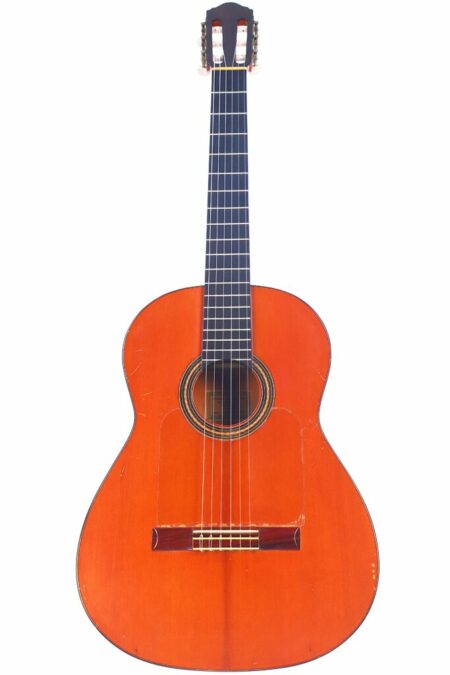
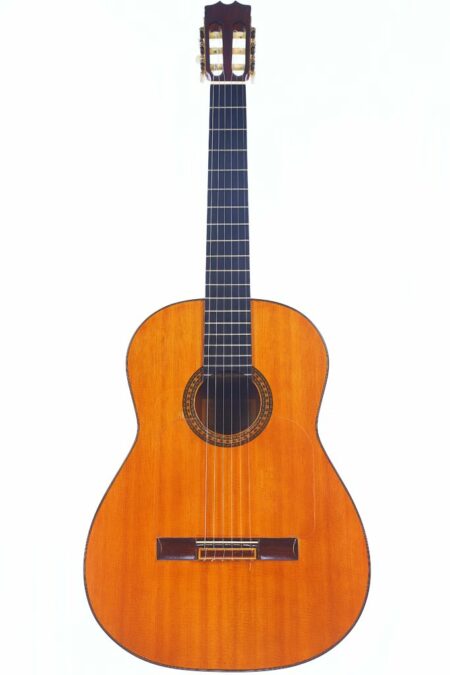
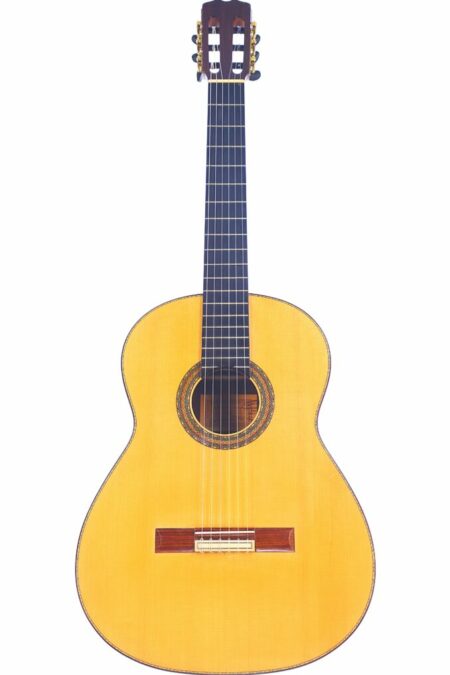
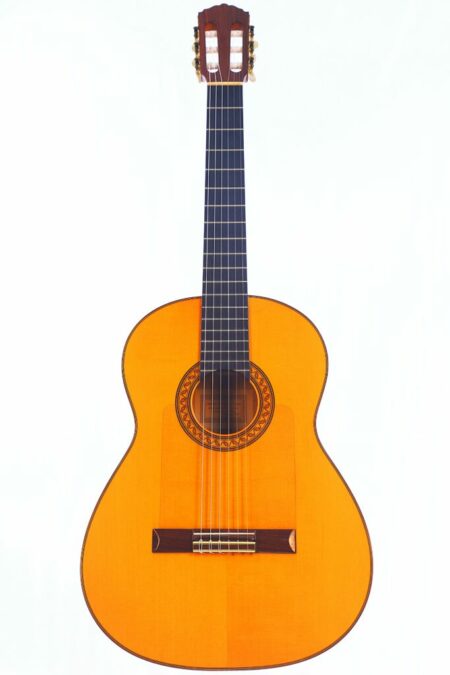
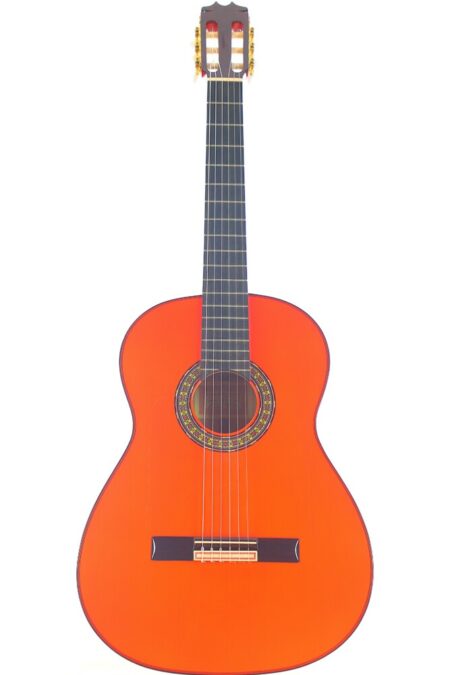
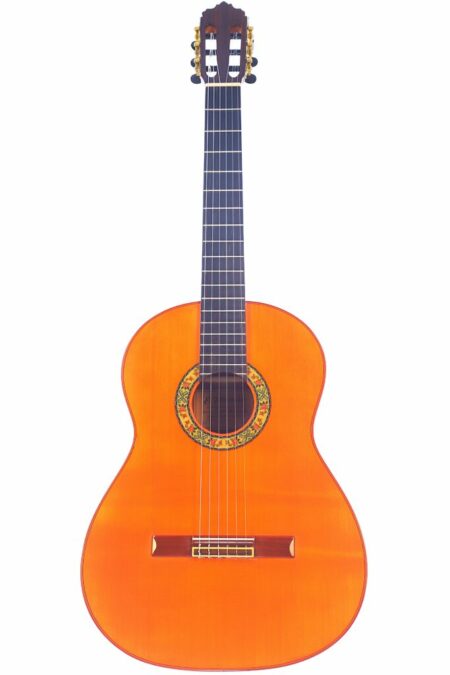
Guitars by Faustino Conde and Conde Hermanos:
-

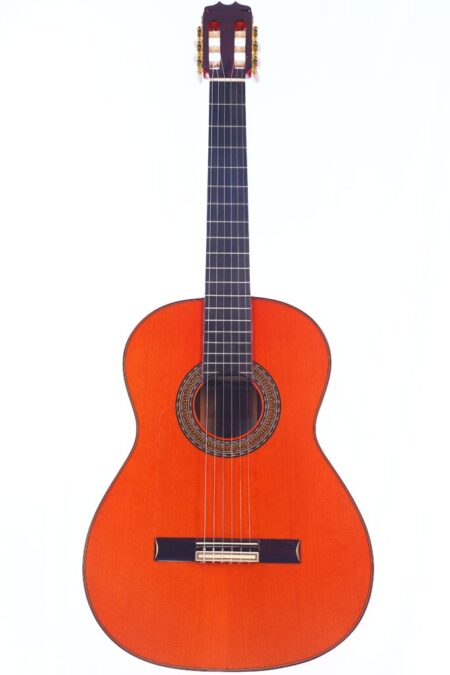
Hermanos Conde 1990 Paco de Lucia Special Flamenco Guitar
plus Shipping
-
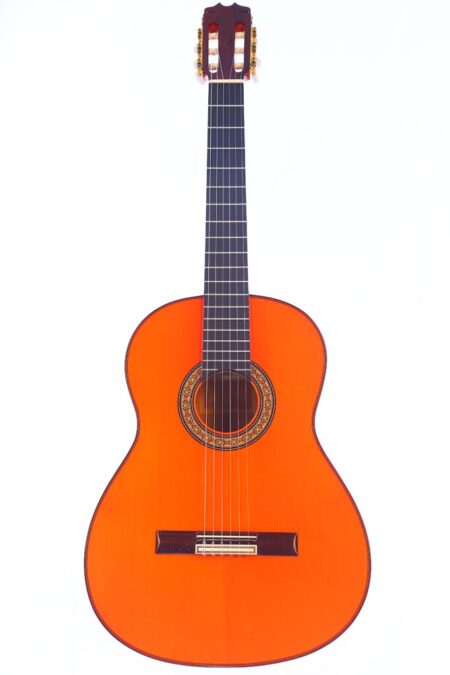
Hermanos Conde 2001 Blanca Flamenco Guitar
plus Shipping
-
Out of stock
Conde Hermanos 1978 Flamenco Guitar
-
Hermanos Conde 1975 Faustino Conde Flamenco Guitar
plus Shipping
-
Felipe Conde 1992 Negra Flamenco Guitar
plus Shipping
-
Conde Hermanos – Sobrinos de Domingo Esteso 1996 Flamenco Guitar
plus Shipping
-
Hermanos Conde 1990 Blanca Flamenco Guitar
plus Shipping
-
Emilio Fernandez 2019 Negra Flamenco Guitar
plus Shipping

Mit dem Laden des Videos akzeptieren Sie die Datenschutzerklärung von YouTube.
Mehr erfahren