The Flamenco Guitar and Flamenco a World Cultural Heritage
Introduction
Flamenco, with its fiery passion and profound emotional depth, is more than just a genre of music and dance; it is a cultural phenomenon that captures the soul of Spain. Central to this vibrant art form is the flamenco guitar, a key element that contributes to the distinctive sound of flamenco. Recognized in 2010 by UNESCO as an intangible cultural heritage of humanity, flamenco continues to fascinate and inspire audiences worldwide. This article delves into the significance of the flamenco guitar and the broader cultural impact of flamenco as a world heritage.
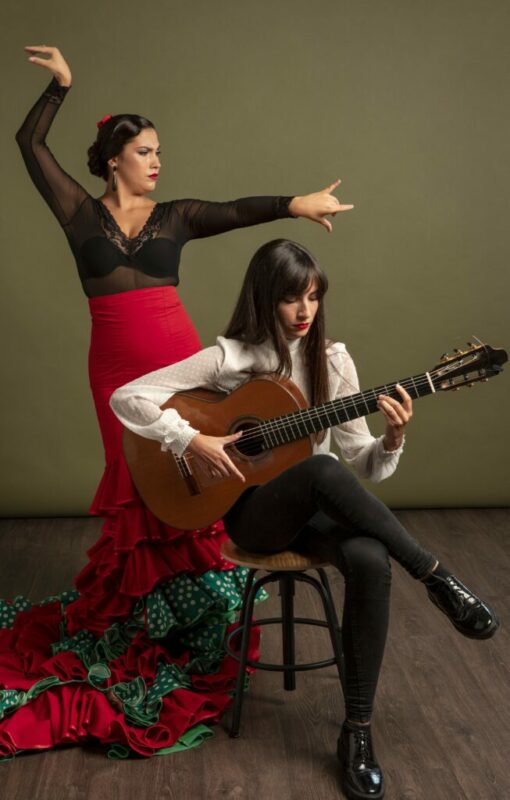
The Flamenco Guitar: Heartbeat of Flamenco
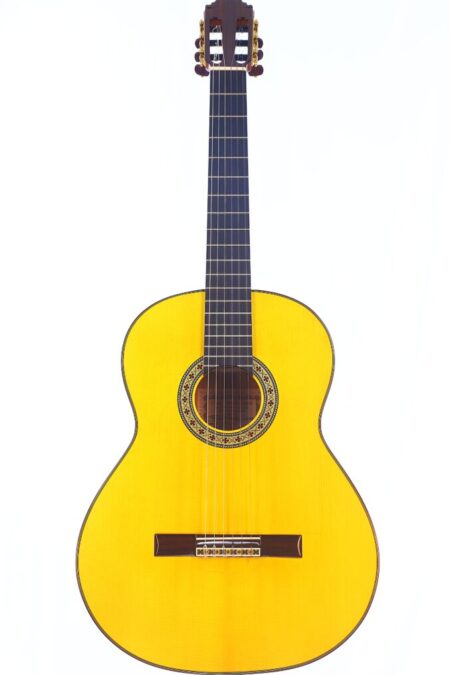
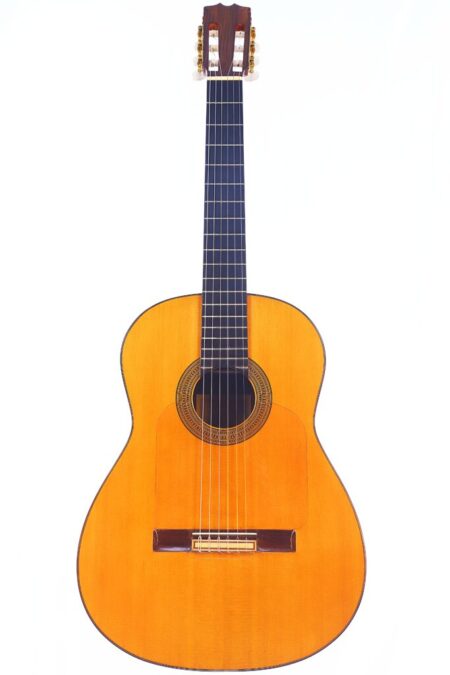
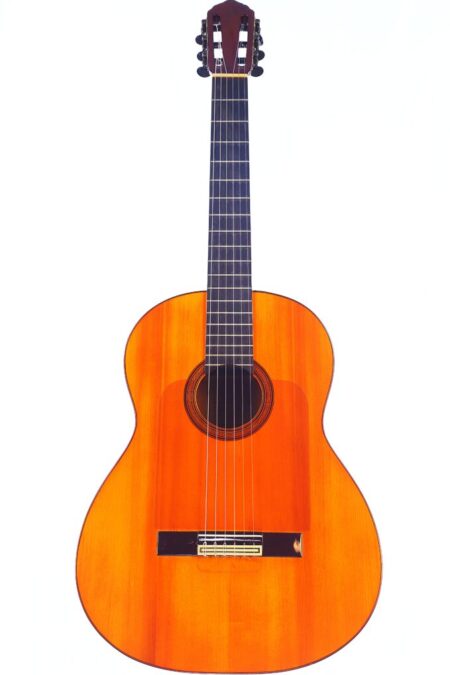
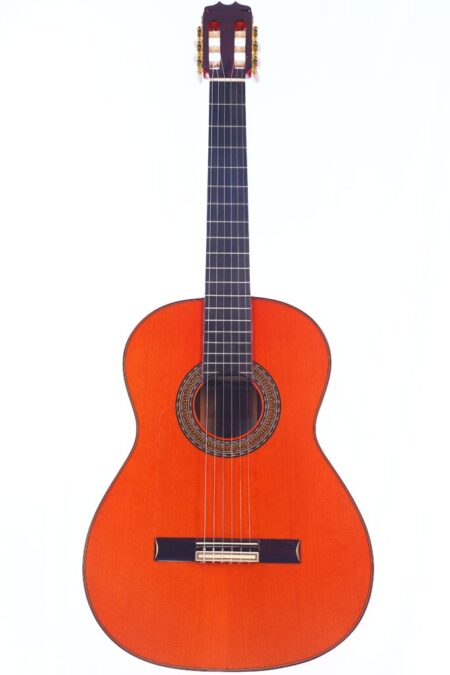
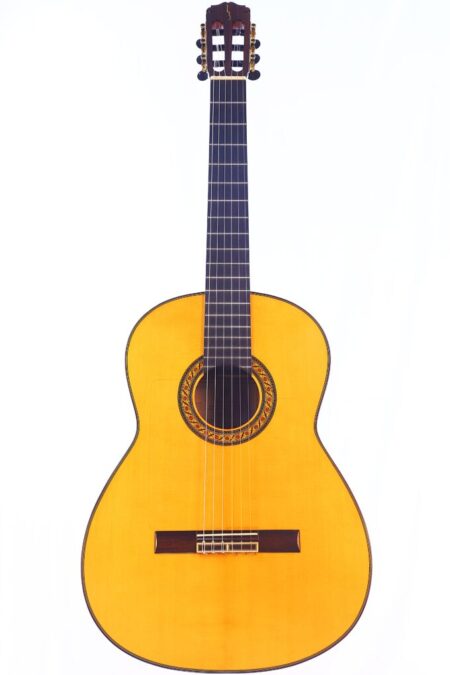
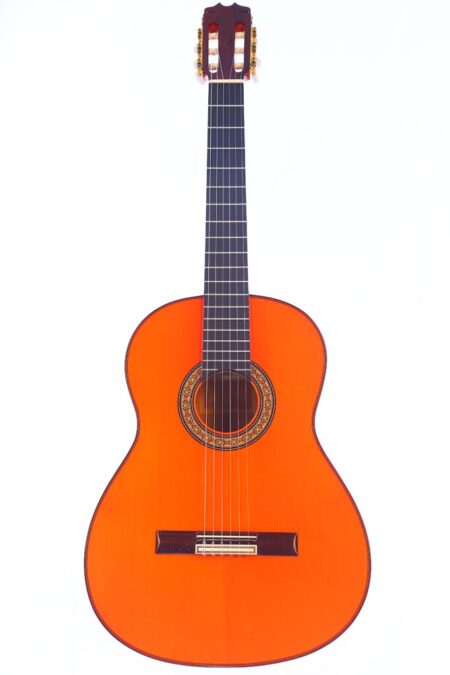
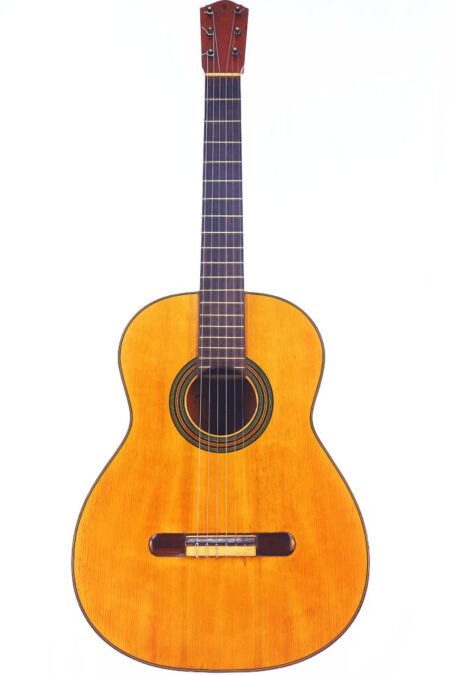
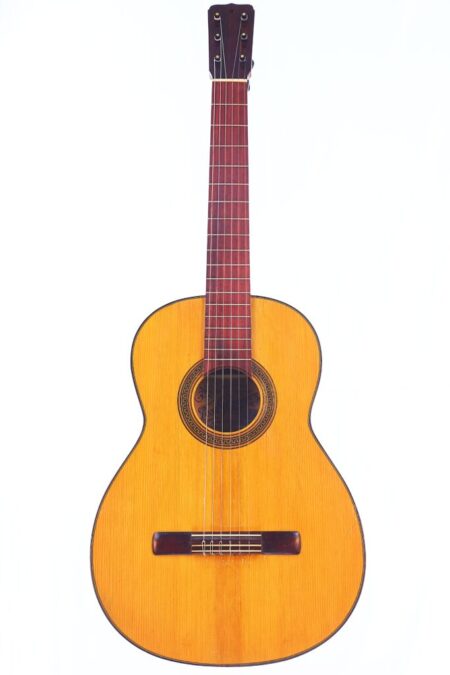
The flamenco guitar, known for its unique sound and construction, is integral to the flamenco tradition. Unlike classical guitars, flamenco guitars are designed to produce a sharper, more percussive sound. This is achieved through the use of different tonewoods, often including cypress for the back and sides and spruce for the top, which contribute to its bright and responsive tone.
Flamenco guitars are typically lighter and have a shallower body compared to classical guitars, allowing for quicker hand movements and a more immediate sound. The golpeador, or tap plate, on the guitar’s surface protects it from the rhythmic tapping of the guitarist’s fingers, a hallmark of flamenco playing.
UNESCO Recognition: Cultural Significance
In 2010, UNESCO declared flamenco as an intangible cultural heritage of humanity, highlighting its cultural and artistic value. Flamenco is deeply rooted in the identity of the Roma community in Andalusia, Spain, and embodies a rich tapestry of traditions, emotions, and expressions. This recognition underscores flamenco’s role as a vehicle for transmitting cultural values and emotions across generations.
Origin and Evolution of Flamenco
Flamenco’s origins trace back to the 18th century in Andalusia, where diverse cultures converged to shape this passionate art form. Influenced by Roma, Arabic, Jewish, and Spanish cultures, flamenco emerged as a unique expression of life’s intense emotions. Initially developed in marginalized communities and festivals, flamenco evolved through oral traditions and improvisations, leading to the structured “palos” or styles, such as Soleá and Bulería.
The Rich Diversity of Flamenco
Flamenco encompasses a wide array of styles, known as “palos,” each with its own rhythm and emotional expression. From the solemn and melancholic Soleá to the lively and celebratory Alegrías, flamenco’s diversity reflects the complexity of human emotions. The dramatic Seguiriya and the energetic Bulería are testaments to flamenco’s ability to convey profound sorrow and joyous celebration.
Influential Flamenco Guitarists and Cantaores
The 20th century witnessed the rise of legendary flamenco guitarists and singers who left an indelible mark on the genre. Guitarists like Paco de Lucía elevated flamenco guitar playing to new heights with their virtuosic technique and innovative compositions. Meanwhile, singers like Camarón de la Isla and Enrique Morente broke new ground by blending traditional flamenco with contemporary influences, broadening its appeal.
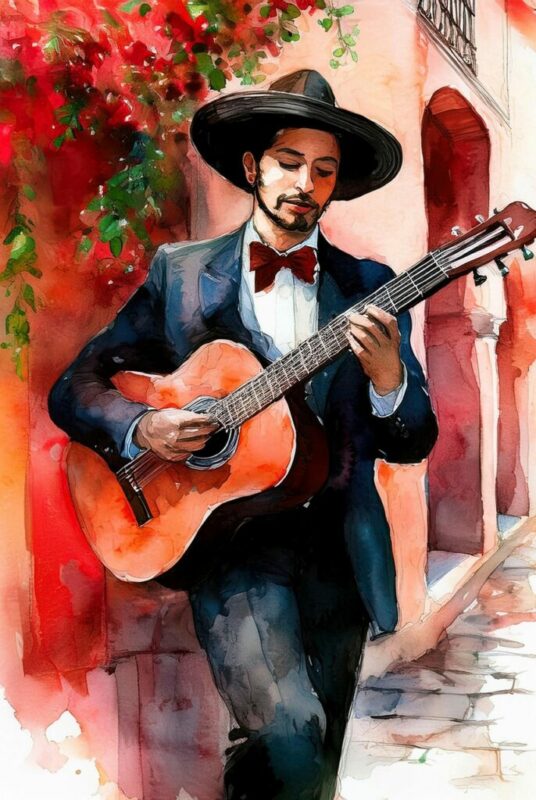
Musical Influences and Fusion
Flamenco is a dynamic art form that continues to evolve, drawing from various musical influences. Over the years, it has incorporated elements from Arabic music, Roma traditions, and Spanish classical music, creating a rich and diverse musical tapestry. The incorporation of jazz, blues, and Latin American rhythms has further enriched flamenco’s sound, leading to innovative collaborations and new forms of expression.
Flamenco Festivals: Celebrating the Magic Live
Flamenco festivals are vibrant celebrations that showcase the richness of flamenco art, attracting artists and enthusiasts from around the world. Events like the Bienal de Flamenco in Seville and the Festival de Jerez offer a unique opportunity to experience flamenco’s intensity and magic through live performances, workshops, and cultural experiences.
Find amazing Flamenco Guitars here in our Shop:
-

Hermanos Sanchis Lopez F Especial 2025 Mod. Reyes Flamenco Guitar
plus Shipping
-
Out of stock
Hermanos Conde 1980 Faustino Conde Negra Flamenco Guitar
-
Out of stock
Manuel Reyes 1955 Flamenco Guitar
-
Hermanos Conde 1990 Paco de Lucia Special Flamenco Guitar
plus Shipping
-
Alberto Pantoja 2023 Negra Flamenco Guitar
plus Shipping
-
Hermanos Conde 2001 Blanca Flamenco Guitar
plus Shipping
-
Domingo Esteso 1934 Classical Guitar
plus Shipping
-
Jose Ramirez 1950 Flamenco Guitar
plus Shipping